




AI Vulnerability Exploitation Threatens E-Commerce Payment Systems | Seller Security Urgency
- Anthropic's Mythos AI identifies thousands of critical vulnerabilities in banking/payment infrastructure; 99% remain unpatched; sellers face payment processing delays, fraud risks, and compliance costs through 2024-2025











Overview
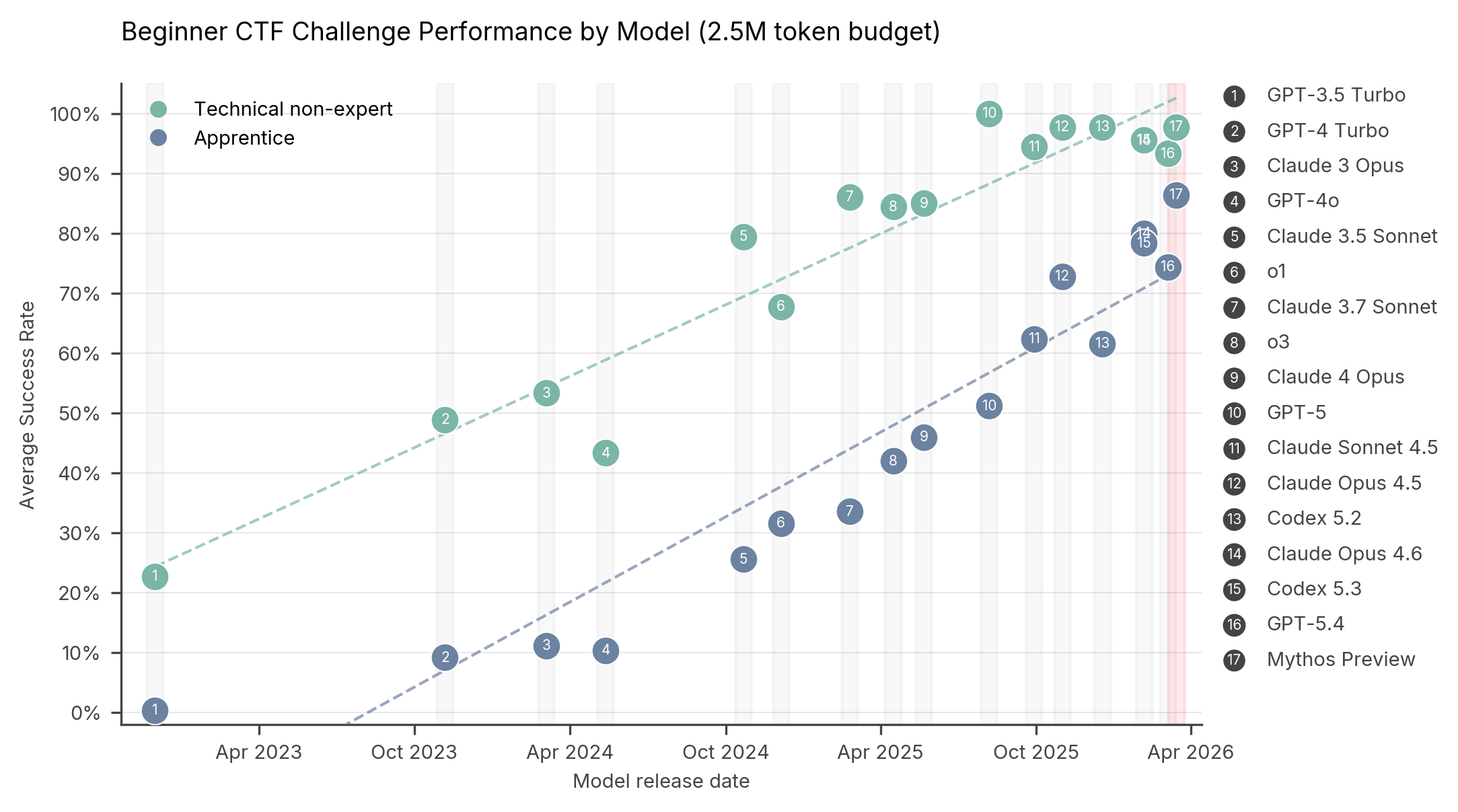
Anthropic's announcement of Claude Mythos on April 7, 2024, represents a critical inflection point for e-commerce sellers relying on payment processing and customer data infrastructure. The AI model identified thousands of high and critical-severity vulnerabilities across legacy banking systems and open-source software, including a 16-year-old FFmpeg bug and exploits in virtual machine monitors. The Cloud Security Alliance warned that Mythos "lowers the cost and skill floor for discovering and exploiting vulnerabilities faster than organizations can patch them." This directly threatens e-commerce sellers because payment processors, customer onboarding systems, and transaction platforms operate on identical vendor solutions across institutions—creating systemic risk where a single exploit could cascade across multiple payment gateways simultaneously.
The Remediation Bottleneck Creates Seller Exposure: David Lindner, CISO at Contrast Security, emphasizes that over 99% of vulnerabilities identified by Mythos remain unpatched, shifting the real cybersecurity challenge from discovery to remediation. For e-commerce sellers, this means payment processors and platforms may operate with known vulnerabilities for months or years. Sellers using Shopify, Amazon Pay, PayPal, or Stripe face indirect exposure—if these platforms experience breaches due to unpatched vulnerabilities, seller data, customer payment information, and transaction histories become compromised. The U.S. Treasury and government officials from the U.S., Canada, and UK met with banking leaders on April 13 to discuss mitigation strategies, signaling regulatory pressure that will cascade to payment processors and eventually to sellers through compliance requirements and security audits.
Immediate Seller Impact Through 2024-2025: Anthropic restricted Mythos access to 40 organizations including Microsoft, Apple, Google, CrowdStrike, and JPMorgan Chase through Project Glasswing. However, Lindner predicts open-source alternatives will emerge within 1-2 years and China will obtain a version within 5-6 months. This timeline creates a critical vulnerability window where sellers must assume their payment infrastructure faces elevated exploitation risk. Sellers should expect: (1) increased payment processor security audits requiring seller compliance documentation; (2) potential payment processing delays as platforms implement emergency patches; (3) mandatory PCI-DSS compliance upgrades costing $500-2,000 per seller; (4) potential transaction holds or account freezes during security incidents; (5) increased chargeback rates if customer data is compromised. Small sellers (under $100K annual revenue) operating on legacy payment systems face the highest risk, as they lack resources for rapid security updates. The interconnected nature of banking infrastructure means exploits targeting one payment processor could affect multiple platforms simultaneously, creating cascading service disruptions for sellers dependent on specific payment gateways.
Questions 7
Will payment processing fees increase due to cybersecurity remediation costs?
Yes, payment processors will likely increase transaction fees by 0.1-0.3% during 2024-2025 to fund emergency security patches and compliance infrastructure. Stripe, Square, and PayPal have historically passed 40-60% of security infrastructure costs to sellers through fee increases. For a seller processing $50,000 monthly, this represents $50-150 additional monthly costs. Larger sellers (>$500K monthly) may negotiate fixed security fees instead of percentage increases. Monitor your processor's fee announcements closely and consider negotiating rates before increases take effect.
How long until open-source versions of Mythos become available to malicious actors?
Industry experts predict open-source alternatives will emerge within 1-2 years, with China obtaining a version within 5-6 months. This creates a critical vulnerability window through 2025 where payment infrastructure faces elevated exploitation risk. Sellers should assume their payment systems face active threat from AI-powered vulnerability scanning through at least mid-2025. This timeline makes immediate security upgrades essential—waiting 6+ months increases breach probability significantly. Prioritize payment processor security audits and compliance updates before Q3 2024.