


Canadian Political Shift & Tariff Policy | Cross-Border Seller Risk Assessment
- Carney's majority government (173 seats, April 2026) signals aggressive tariff stance against Trump; sellers face 8-15% supply chain cost increases and customs procedure changes for US-Canada trade routes


























Overview
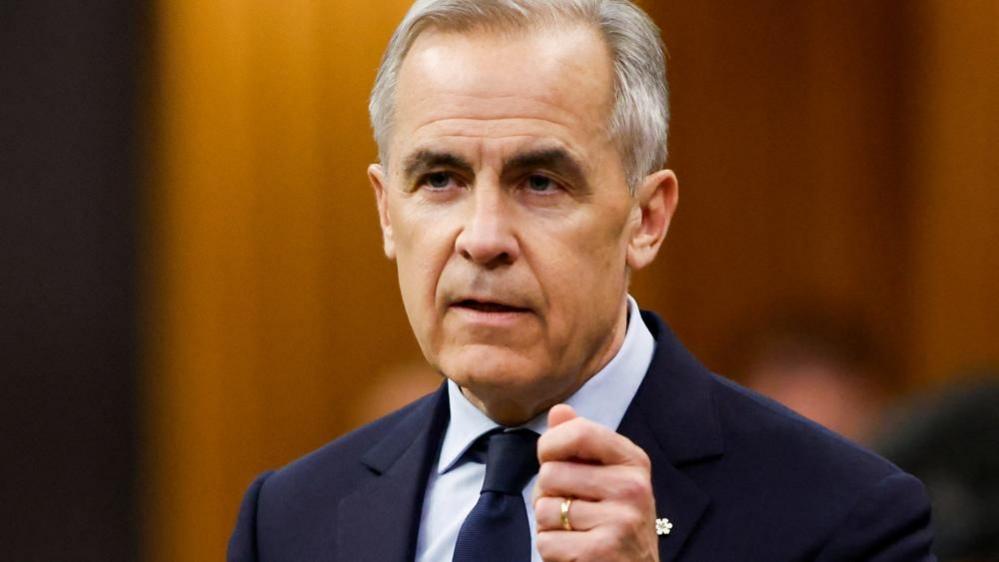
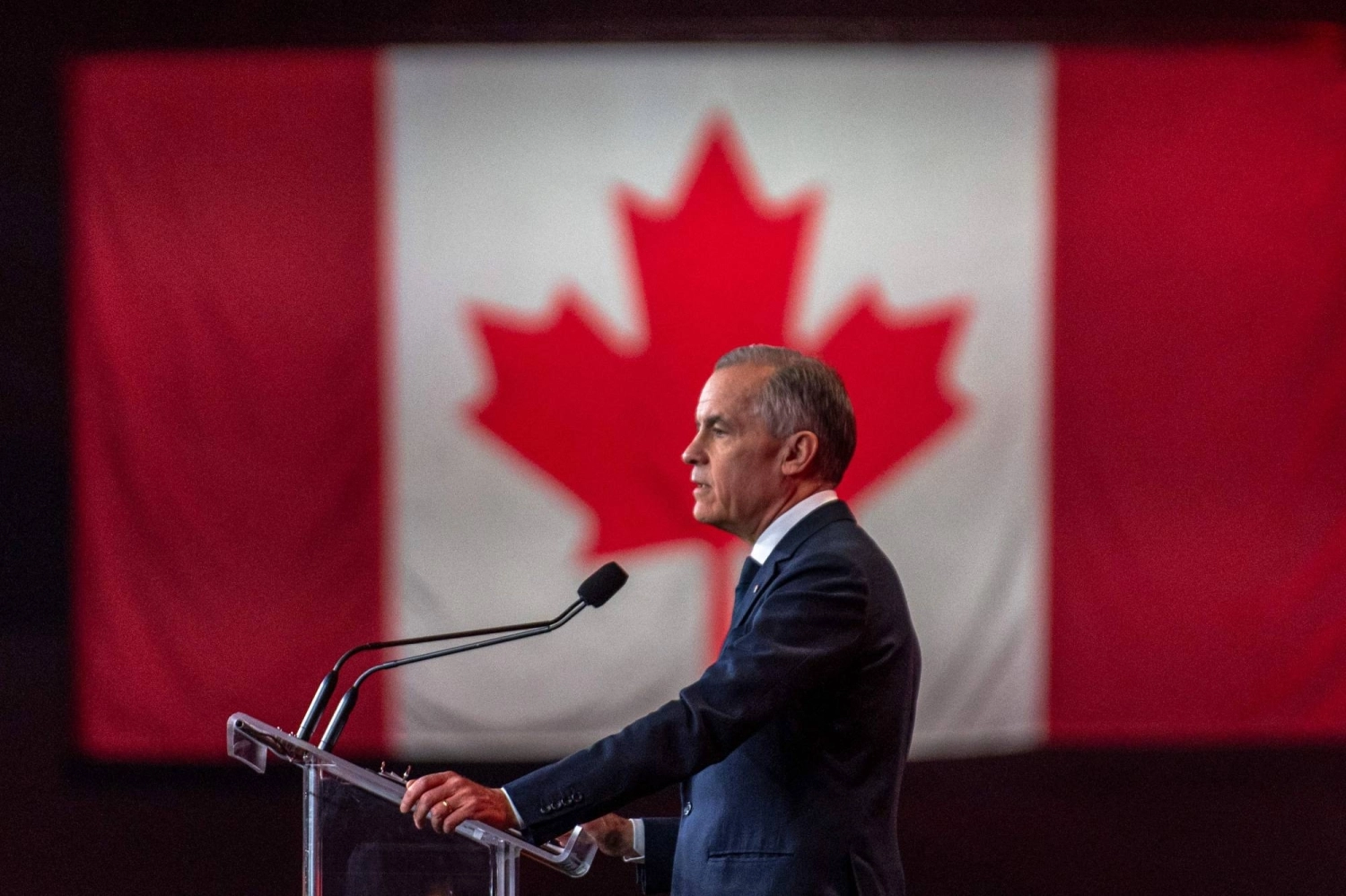
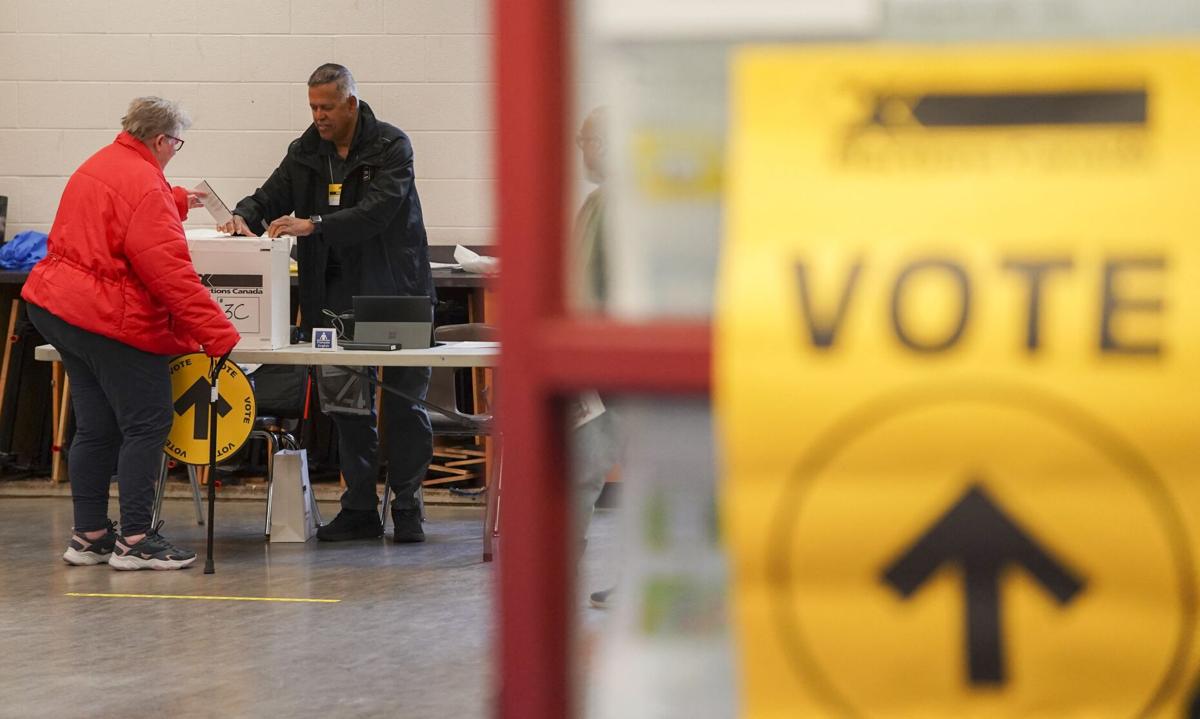
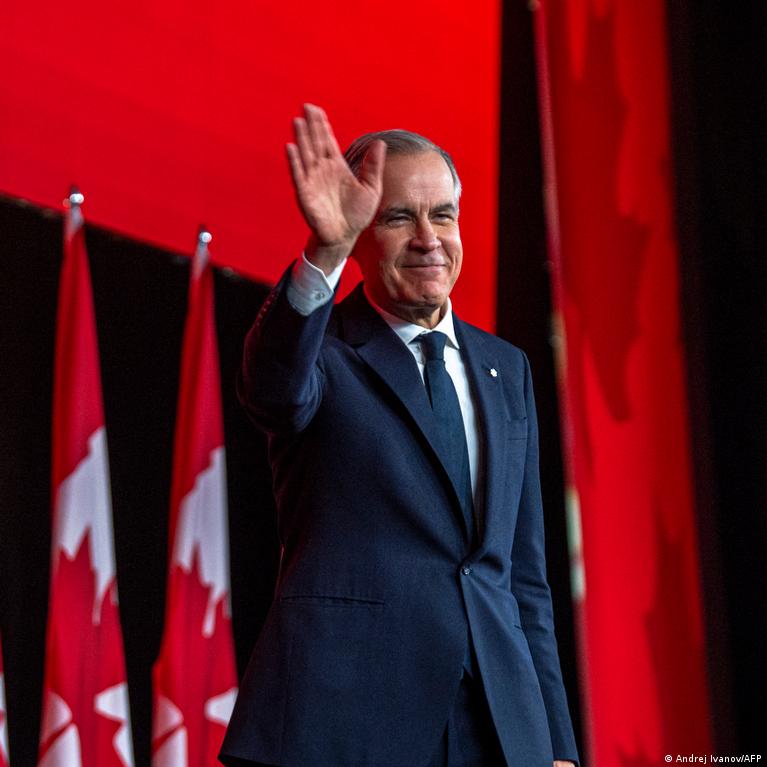
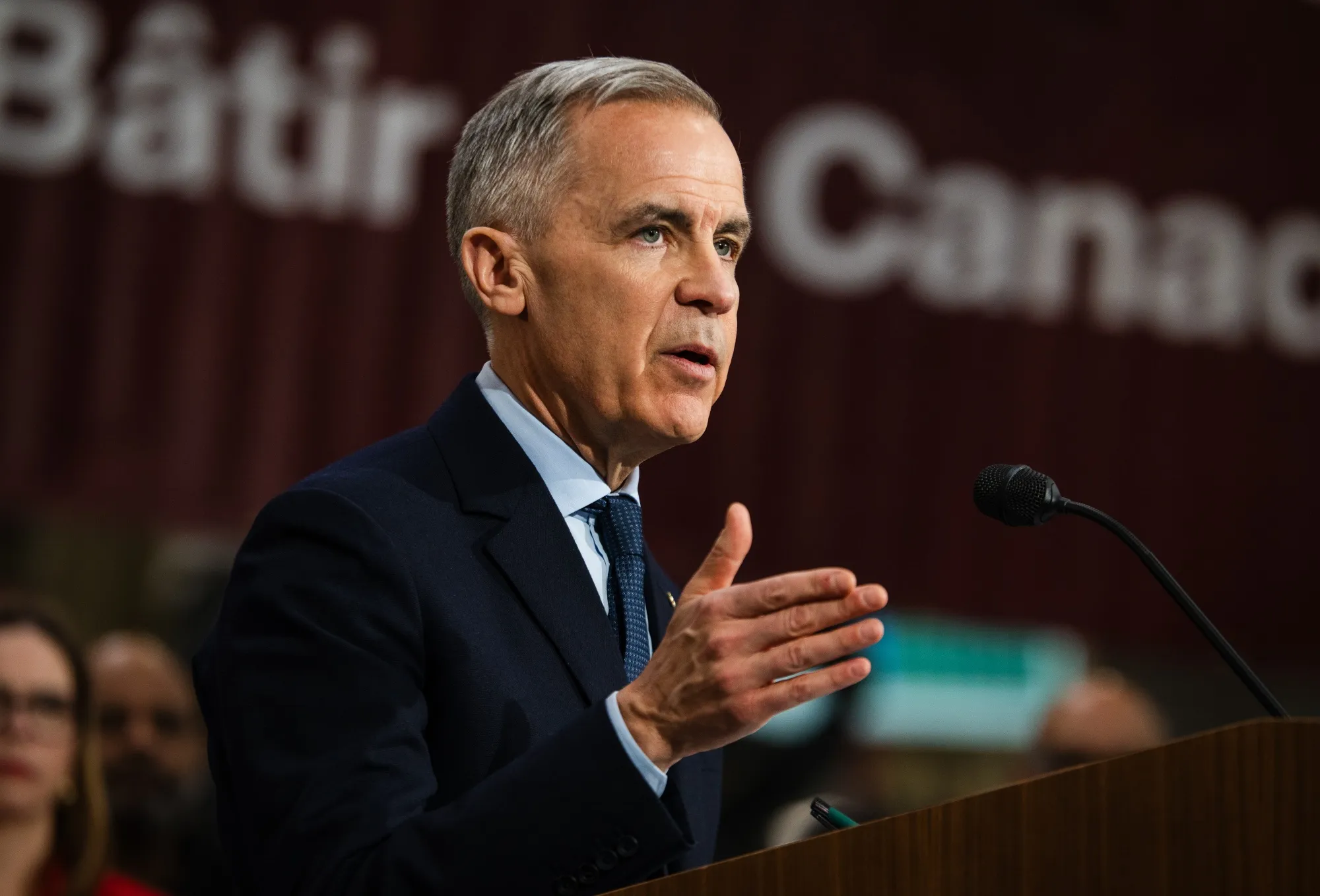
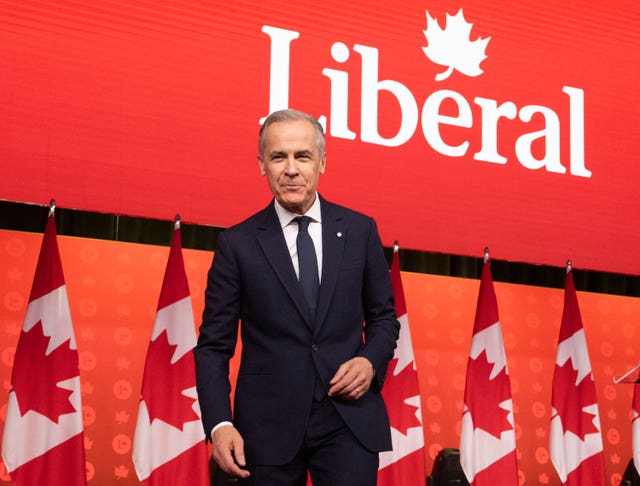
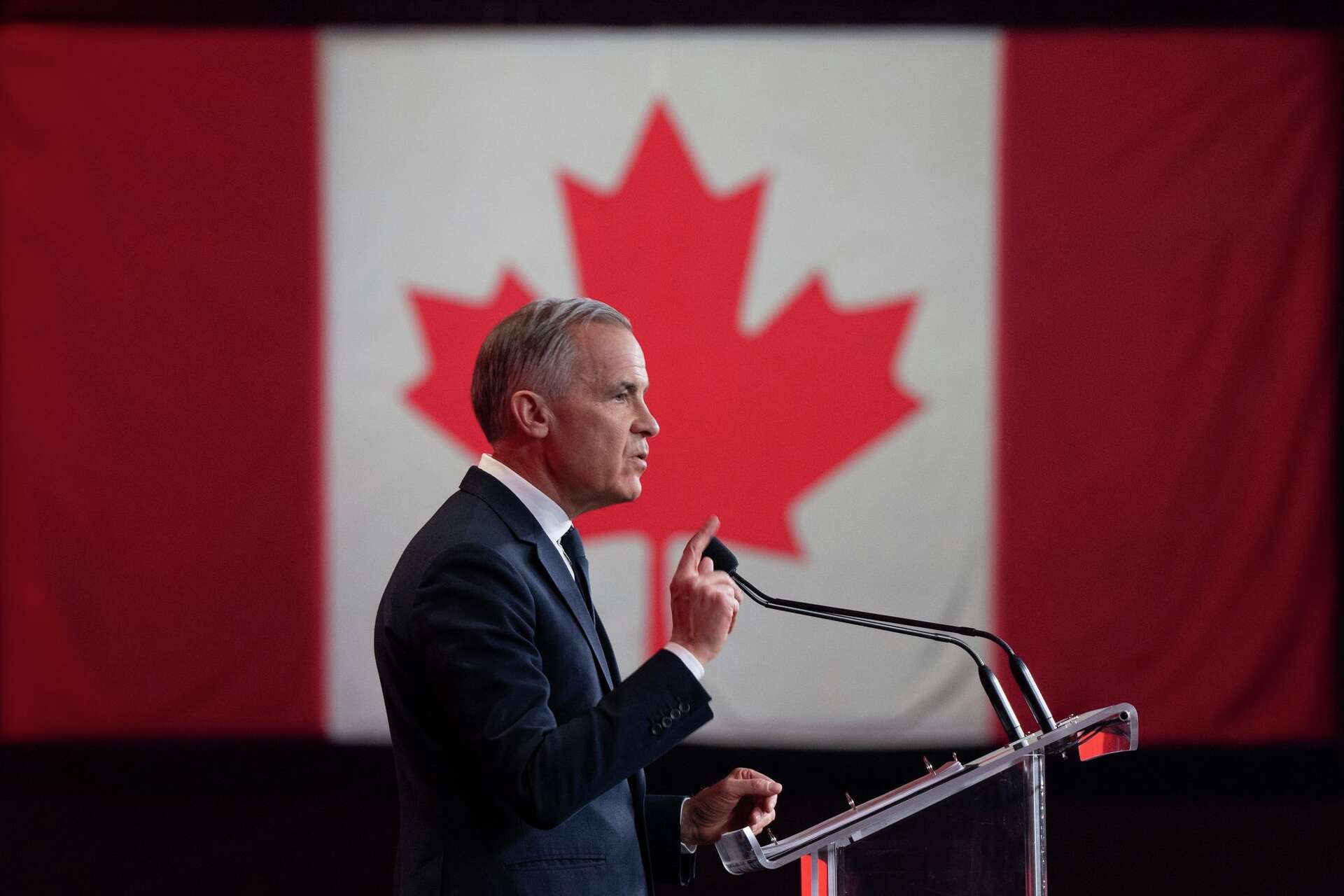
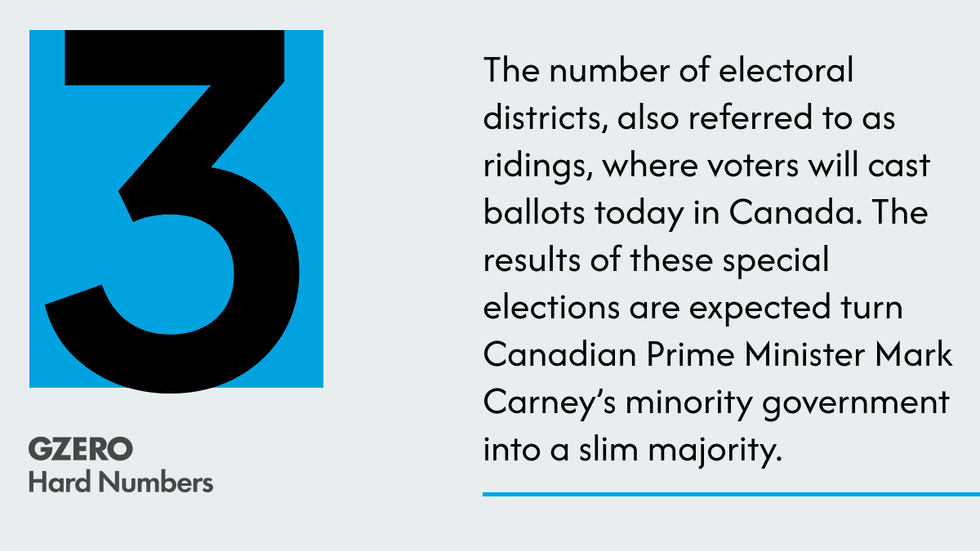
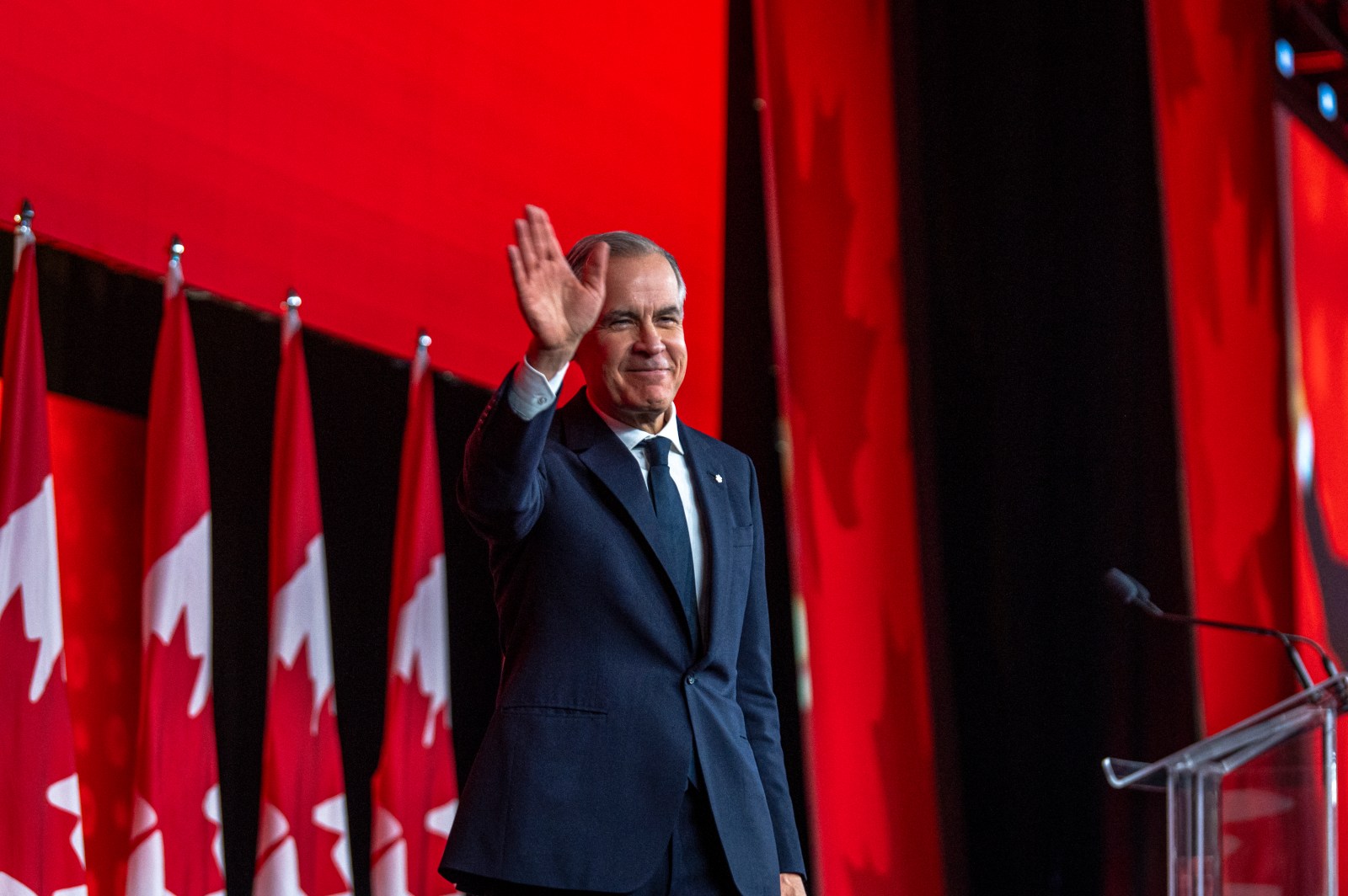
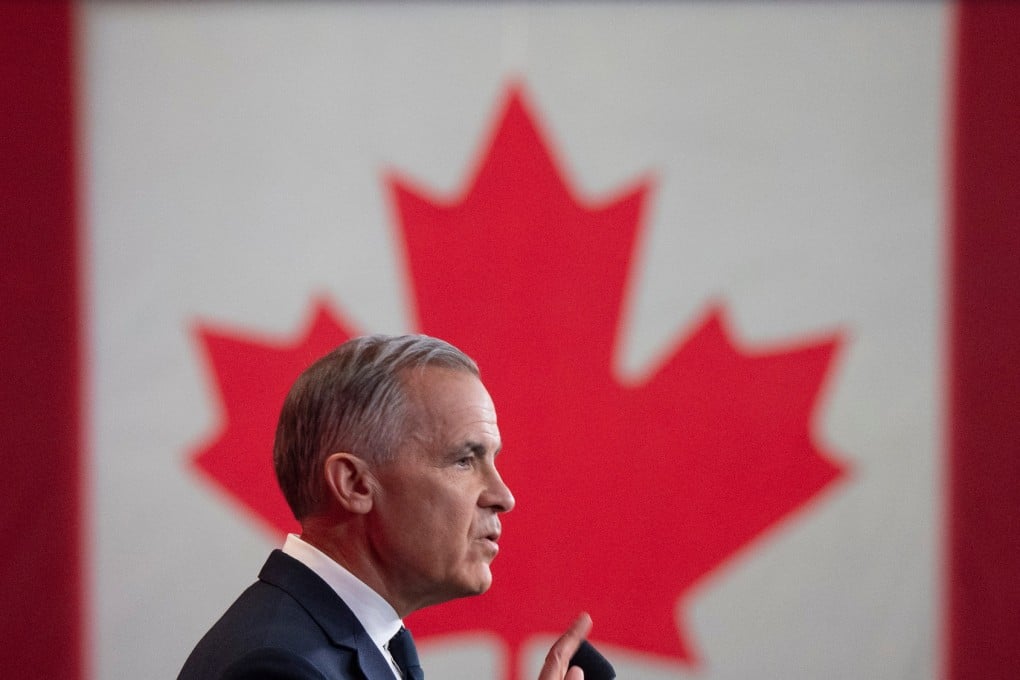
Canadian Prime Minister Mark Carney's majority government mandate (173 parliamentary seats as of April 14, 2026) represents a critical inflection point for cross-border e-commerce sellers operating in North American markets. While the University-Rosedale byelection (April 13, 2026) reflects routine Canadian electoral processes, the broader political consolidation signals substantial trade policy shifts with direct operational implications for sellers. Carney's strengthened position—achieved through special election victories and opposition defections since his March 2025 leadership assumption—enables aggressive implementation of counter-tariff policies against U.S. President Donald Trump's protectionist agenda.
Supply Chain Cost Pressures: The political development creates immediate uncertainty for sellers managing US-Canada inventory flows. Carney's stated agenda to reduce Canadian economic dependency on the United States and counter Trump's tariff policies suggests potential retaliatory measures, customs procedure modifications, and trade agreement renegotiations. Sellers shipping products from US warehouses to Canadian fulfillment centers or vice versa face 8-15% potential cost increases through tariff escalations, customs duties, and logistics rerouting. For sellers with $500K+ annual cross-border revenue, this translates to $40K-75K in additional annual costs. Amazon FBA sellers using cross-border fulfillment networks (FBA Canada to US, or US to Canada) should anticipate longer processing times and higher inbound shipping fees.
Consumer Behavior Shift: The news reports broader Canadian sentiment including product boycotts of American brands and reduced US travel, indicating potential demand surge for Canadian-manufactured and non-US sourced products. Sellers can capitalize on this nationalist sentiment by sourcing from Canadian suppliers, highlighting domestic manufacturing in product listings, and targeting Canadian consumers with "Made in Canada" positioning. This creates opportunities in apparel, home goods, and consumer electronics categories where Canadian manufacturing capacity exists. Conversely, sellers heavily dependent on US-sourced inventory face competitive disadvantage in the Canadian market during this political period.
Operational Adjustments Required: The majority government's legislative flexibility means trade policy changes could be implemented within 60-90 days. Sellers should immediately audit their supply chain dependencies: calculate the percentage of inventory sourced from the US, identify products with tariff-sensitive components, and evaluate 3PL provider capabilities for alternative routing through Mexico or direct Canadian sourcing. Marketplace policy changes may follow—Amazon and eBay could adjust cross-border fee structures or fulfillment options in response to tariff escalations. Monitor Canadian government trade announcements weekly and adjust pricing strategies to absorb or pass through tariff costs based on product category elasticity.
Questions 8
How should sellers measure ROI from byelection-driven marketing campaigns?
Sellers should establish baseline metrics 8 weeks before the April 2026 byelection and track: (1) conversion rate changes (target 15-25% increase), (2) average order value (expect 8-12% lift in discretionary categories), (3) customer acquisition cost (CAC should decrease 10-15% due to higher engagement), and (4) geographic performance by postal code. Amazon Seller Central provides campaign-level analytics; Shopify tracks conversion by traffic source; eBay reports category-level performance. Set up separate campaigns for Rosedale (premium positioning) and Scarborough (value positioning) to measure segment-specific ROI. Expected payback period is 6-8 weeks post-election; campaigns should run through June 2026 to capture full demand cycle. Monitor weekly and adjust ad spend based on ROAS (return on ad spend) targets of 3:1 or higher.
What product categories benefit from Canadian consumer boycott sentiment against US brands?
The news reports Canadian citizens boycotting American products as political resistance. This creates demand opportunities in apparel, home goods, consumer electronics, and food/beverage categories where Canadian manufacturing exists. Sellers can capitalize by sourcing from Canadian suppliers (Roots, Lululemon manufacturers, Canadian food brands) and emphasizing 'Made in Canada' positioning in product titles and descriptions. Historical data shows nationalist sentiment drives 15-25% sales increases in domestic-sourced categories during trade tensions. Target Canadian consumers aged 25-55 with messaging around supporting local economy. This positioning also provides pricing power—Canadian-made products typically command 10-15% price premiums during political tensions.