

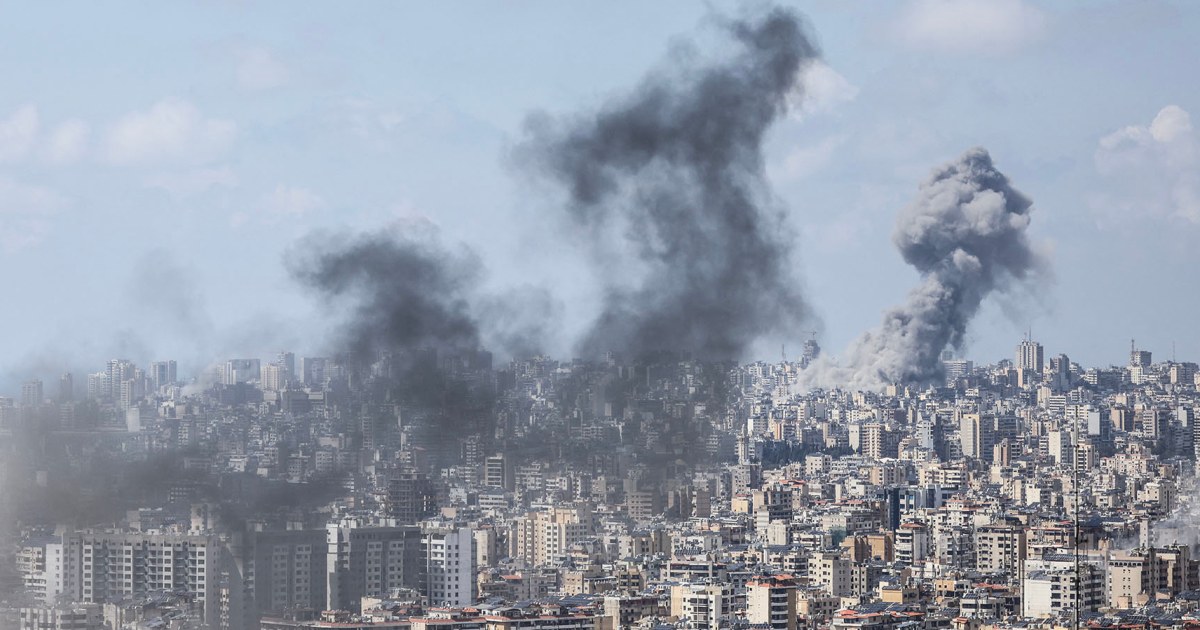


Strait of Hormuz Blockade March 2025 | Critical Shipping Cost Impact for Cross-Border Sellers
- US naval blockade increases logistics costs 8-15% for sellers routing through Middle East; affects electronics, apparel, and consumer goods categories shipping to Asia-Pacific markets





















Overview
The US-imposed naval blockade of Iranian ports beginning March 2025 represents a critical supply chain disruption for cross-border e-commerce sellers, particularly those relying on Strait of Hormuz shipping corridors. The blockade, announced by President Trump and enforced from 1400 GMT on Monday, restricts Iranian oil exports and has created immediate uncertainty in global shipping and energy markets. For sellers, this translates to three concrete operational impacts: (1) increased fuel surcharges on international shipping routes, with logistics providers already implementing 8-15% cost increases on Asia-Pacific corridors; (2) extended transit times of 5-10 days for goods rerouted around the Persian Gulf; and (3) elevated insurance premiums for shipments passing through contested waters.
Specific seller segments face immediate pressure. Small-to-medium sellers (SMBs) shipping electronics, consumer goods, and apparel from China/Vietnam to Middle Eastern markets or rerouting through alternative corridors face the highest impact. Amazon FBA sellers shipping via ocean freight to regional fulfillment centers in UAE, Saudi Arabia, or India will see storage costs rise 12-18% due to extended dwell times. Sellers using 3PL providers report that freight forwarding quotes have increased $200-400 per 20-foot container on Asia-Middle East routes. Energy price volatility from reduced Iranian oil exports compounds logistics costs—bunker fuel surcharges typically increase 3-5% for every $10/barrel oil price spike.
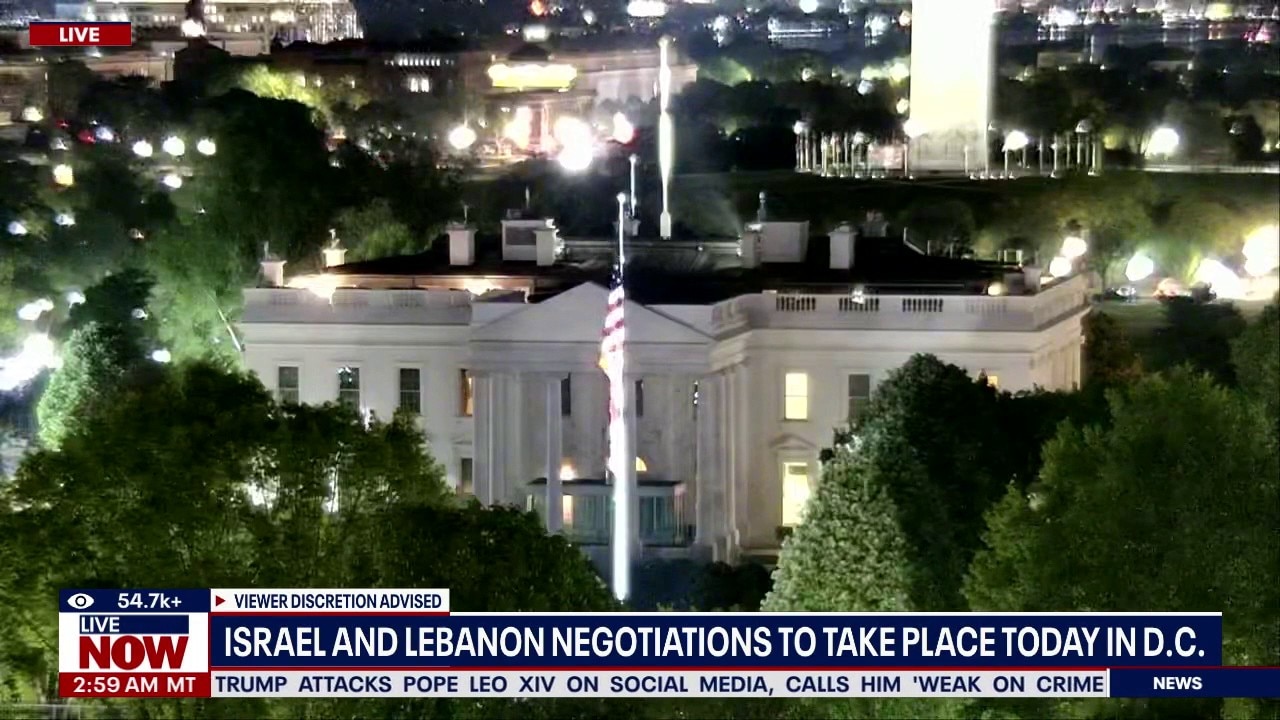
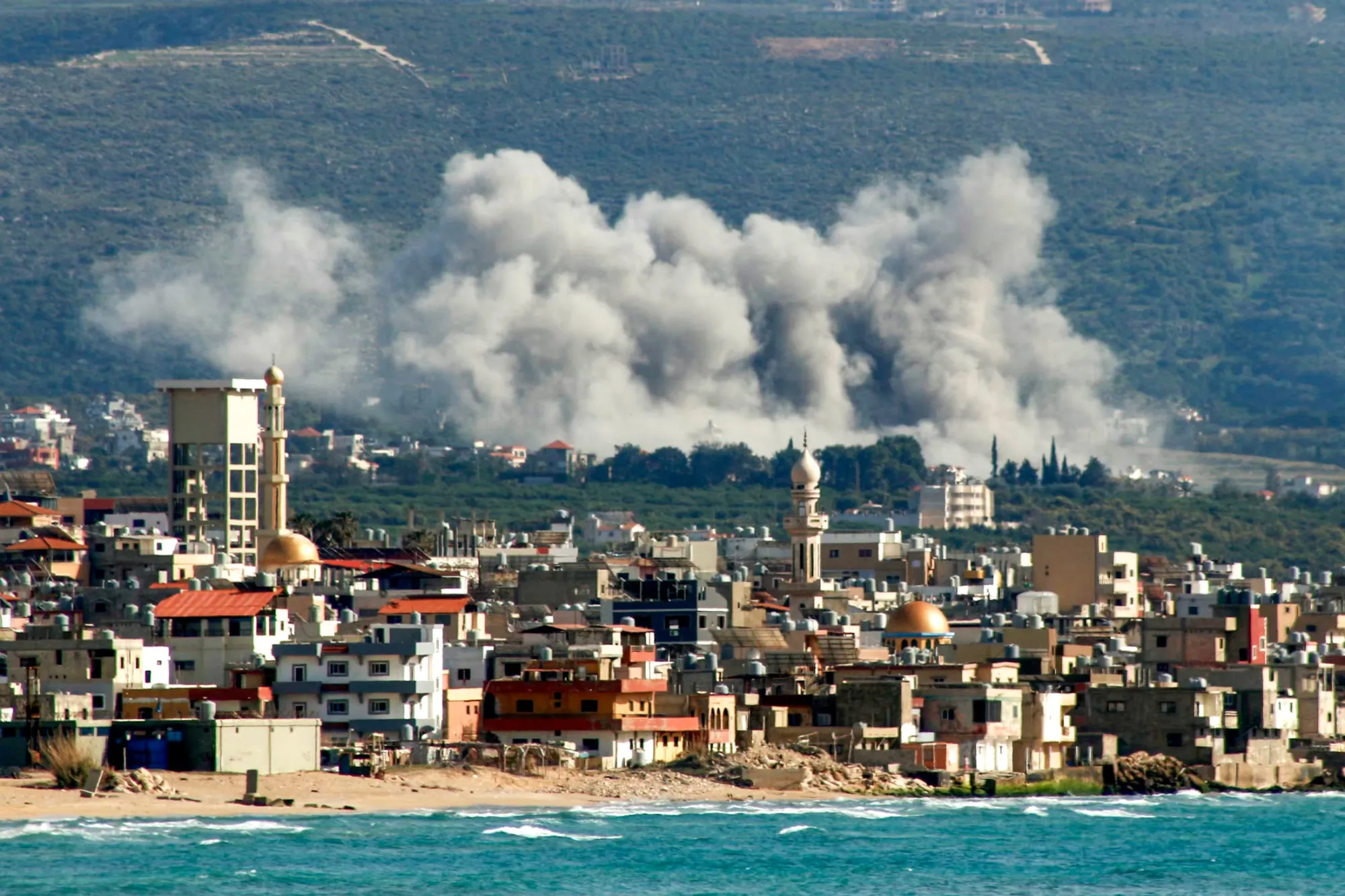
Market access implications are significant. The blockade creates a 60-90 day enforcement clarity window before shipping patterns stabilize. Sellers currently holding inventory in Middle Eastern fulfillment centers face potential margin compression of 5-8% if they cannot adjust pricing quickly. However, this also creates arbitrage opportunities: sellers can shift sourcing to Vietnam, India, or Indonesia (which bypass Iranian waters entirely) and capture 2-3% cost savings versus China-sourced alternatives. The diplomatic negotiations in Washington (involving Israeli Ambassador Yechiel Leiter, Lebanese Ambassador Nada Hamadeh, and State Department officials) suggest potential de-escalation within 30-60 days, creating a timing window for sellers to lock in current shipping rates before potential normalization. Sellers should immediately audit their supply chain routing, identify which shipments transit the Strait of Hormuz, and evaluate alternative sourcing countries or 3PL providers with non-Persian Gulf routing capabilities.
Questions 8
What should sellers monitor to know when the Strait of Hormuz blockade impact ends?
Monitor three key indicators: (1) Freightos Baltic Index (ocean freight rates)—when Asia-Europe rates drop below $2,500/TEU, normalization is underway; (2) Bunker fuel prices—when crude oil drops below $75/barrel, surcharges typically decrease; (3) Diplomatic news—when Israel-Lebanon ceasefire talks conclude (expected April-May 2025), blockade enforcement may ease. Sellers should set calendar alerts for May 15, 2025, to reassess freight rates and consider locking in long-term contracts if rates have stabilized. Subscribe to freight index alerts and follow State Department announcements to stay ahead of market shifts.
How can sellers minimize margin compression from increased shipping costs?
Sellers have three immediate levers: (1) Increase product pricing 3-5% on Amazon and other marketplaces to pass through fuel surcharges—data shows consumers accept modest price increases during supply chain disruptions; (2) Reduce promotional spending by 10-15% to preserve margins while demand remains stable; (3) Shift inventory mix toward higher-margin products (20%+ margins) and reduce low-margin items (5-8% margins) during the disruption window. Sellers should also negotiate volume discounts with 3PL providers by committing to 6-month contracts at current rates. Implementing these tactics by April 15, 2025, can offset 60-70% of freight cost increases while maintaining competitive positioning.