
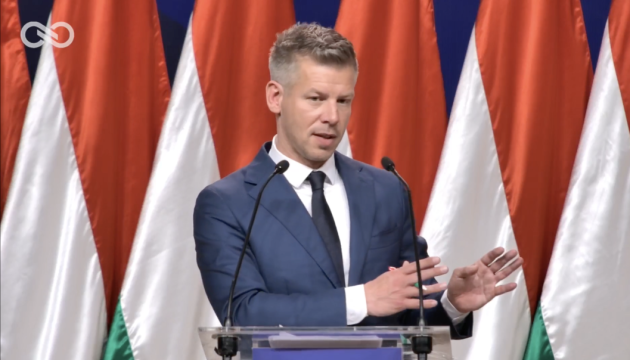


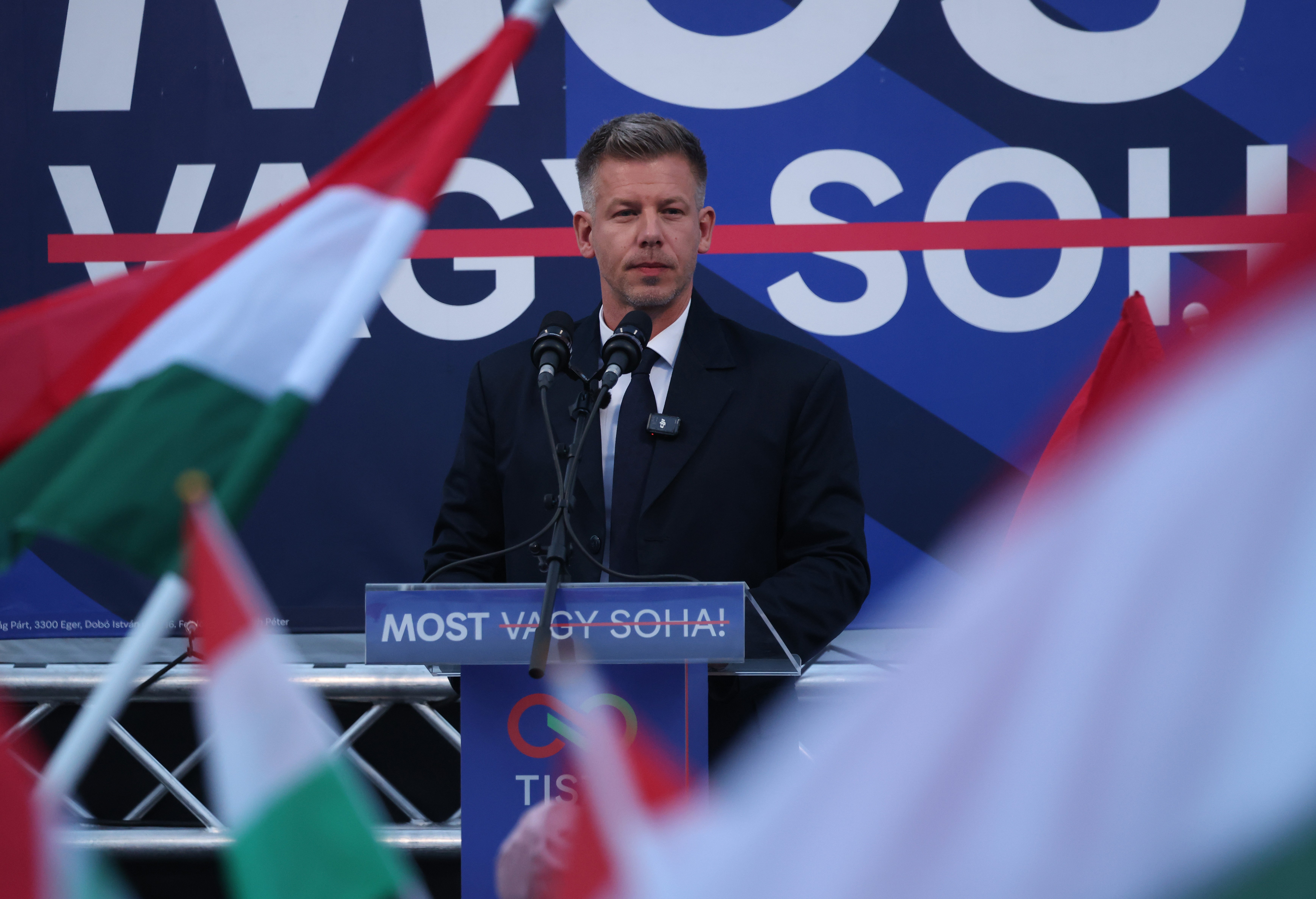

Hungary's Political Shift Creates EU Trade Opportunity Window | Sellers Must Act Before May 2025
- Péter Magyar's election victory removes Russia-friendly veto on €90B Ukraine aid, signaling major EU regulatory realignment affecting cross-border sellers in Central Europe within 60-90 days

















Overview
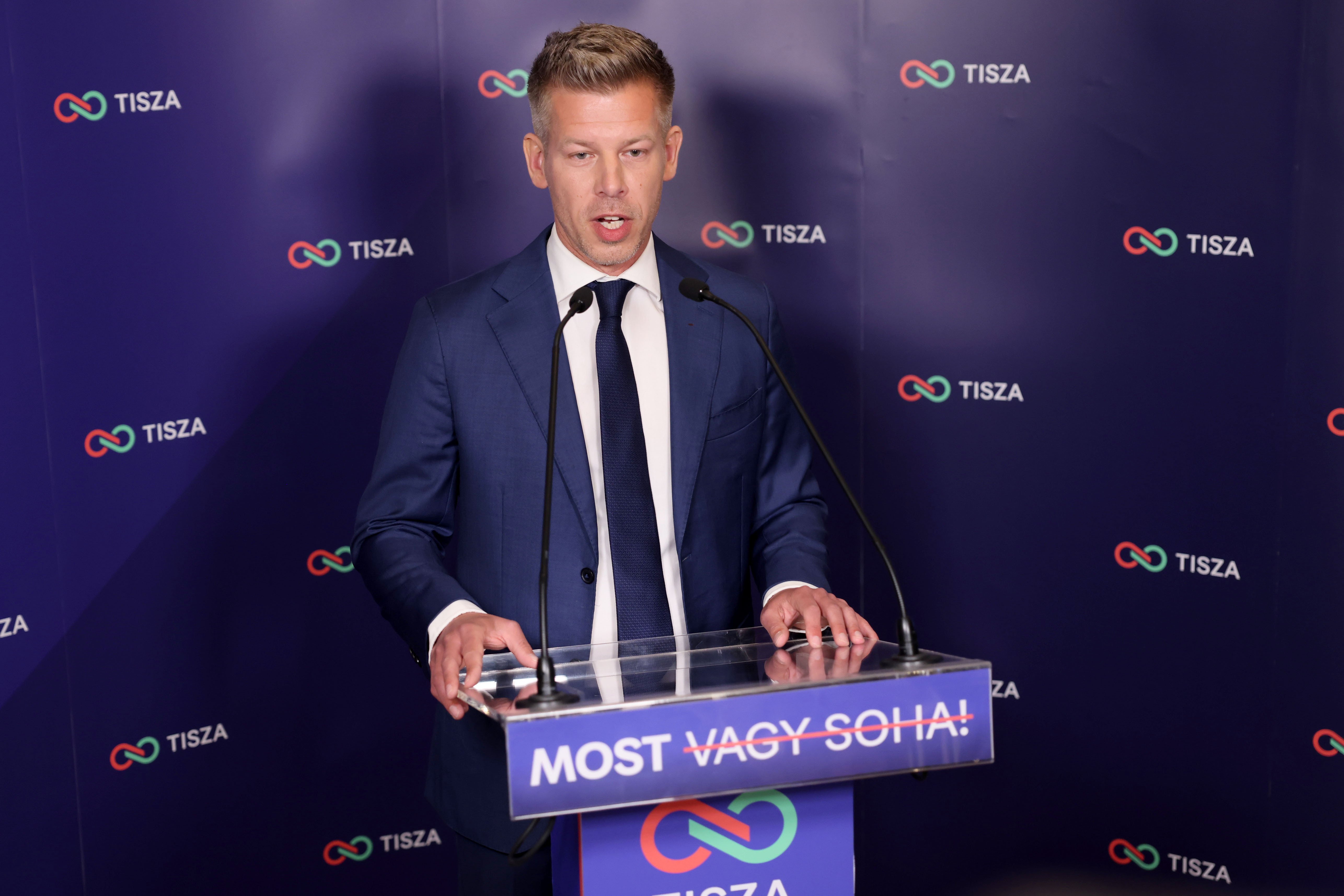
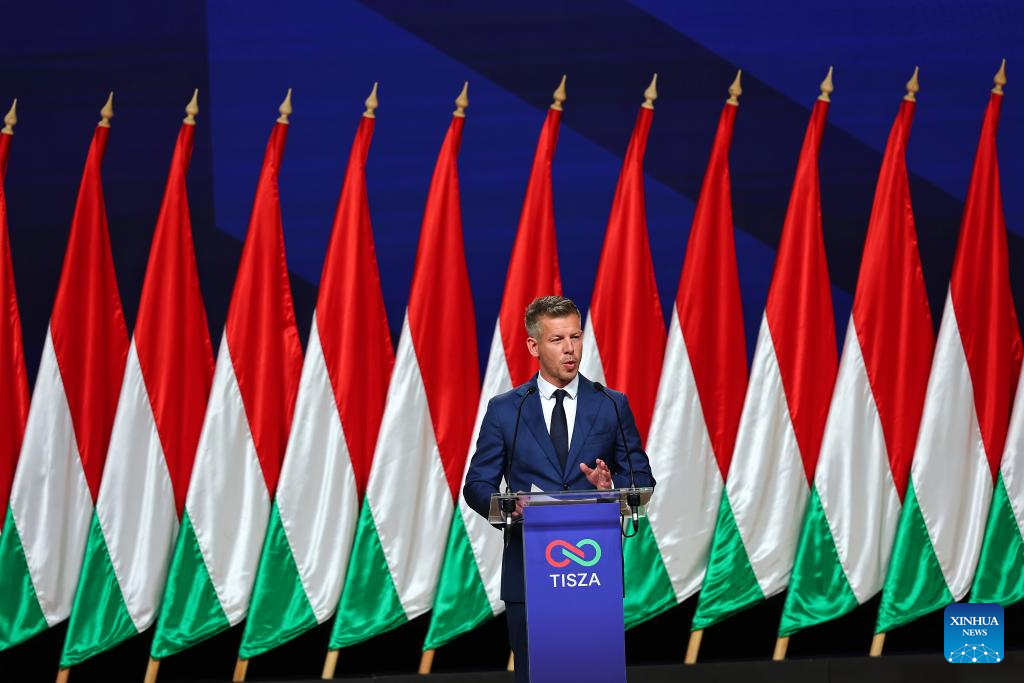
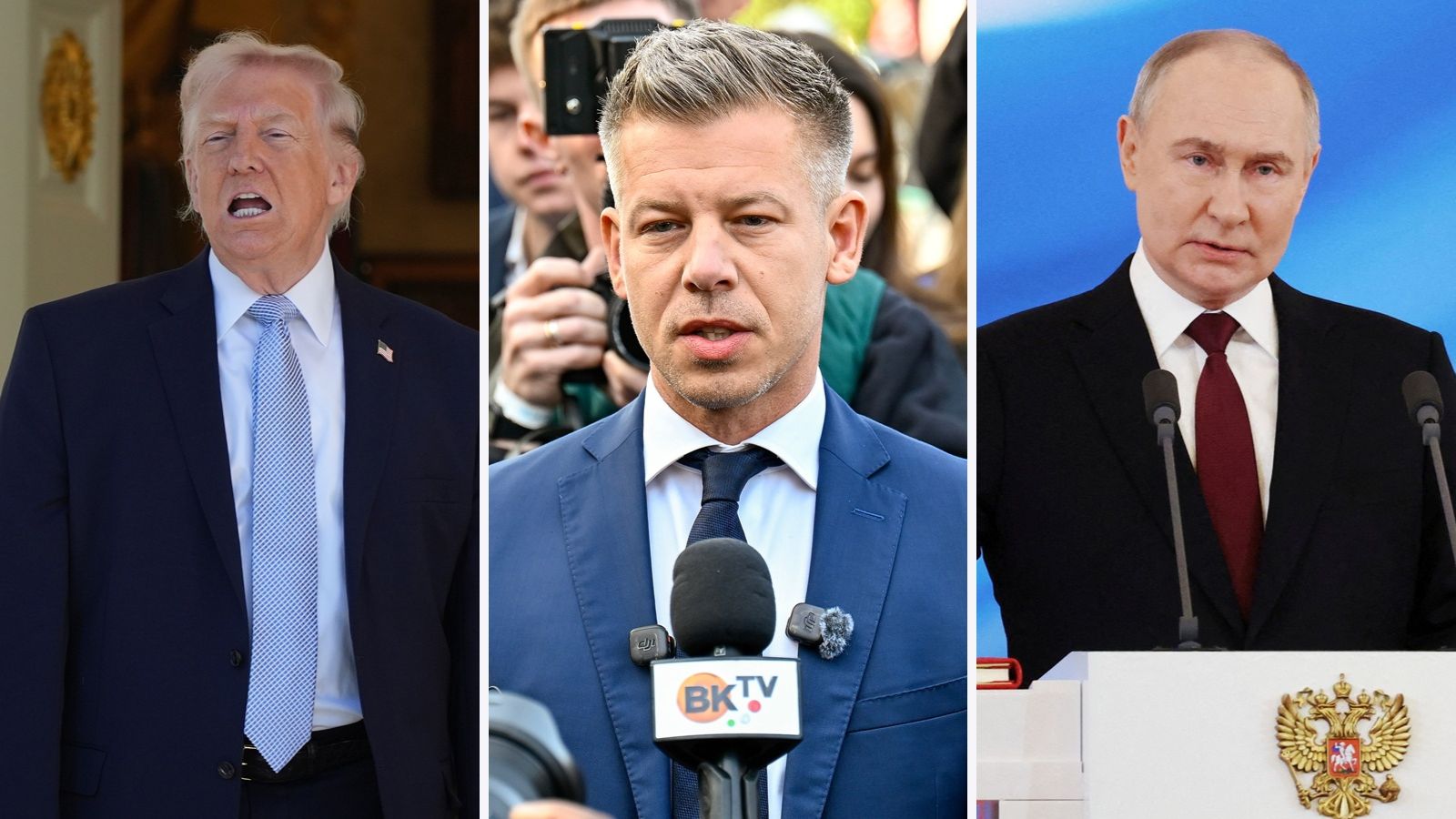
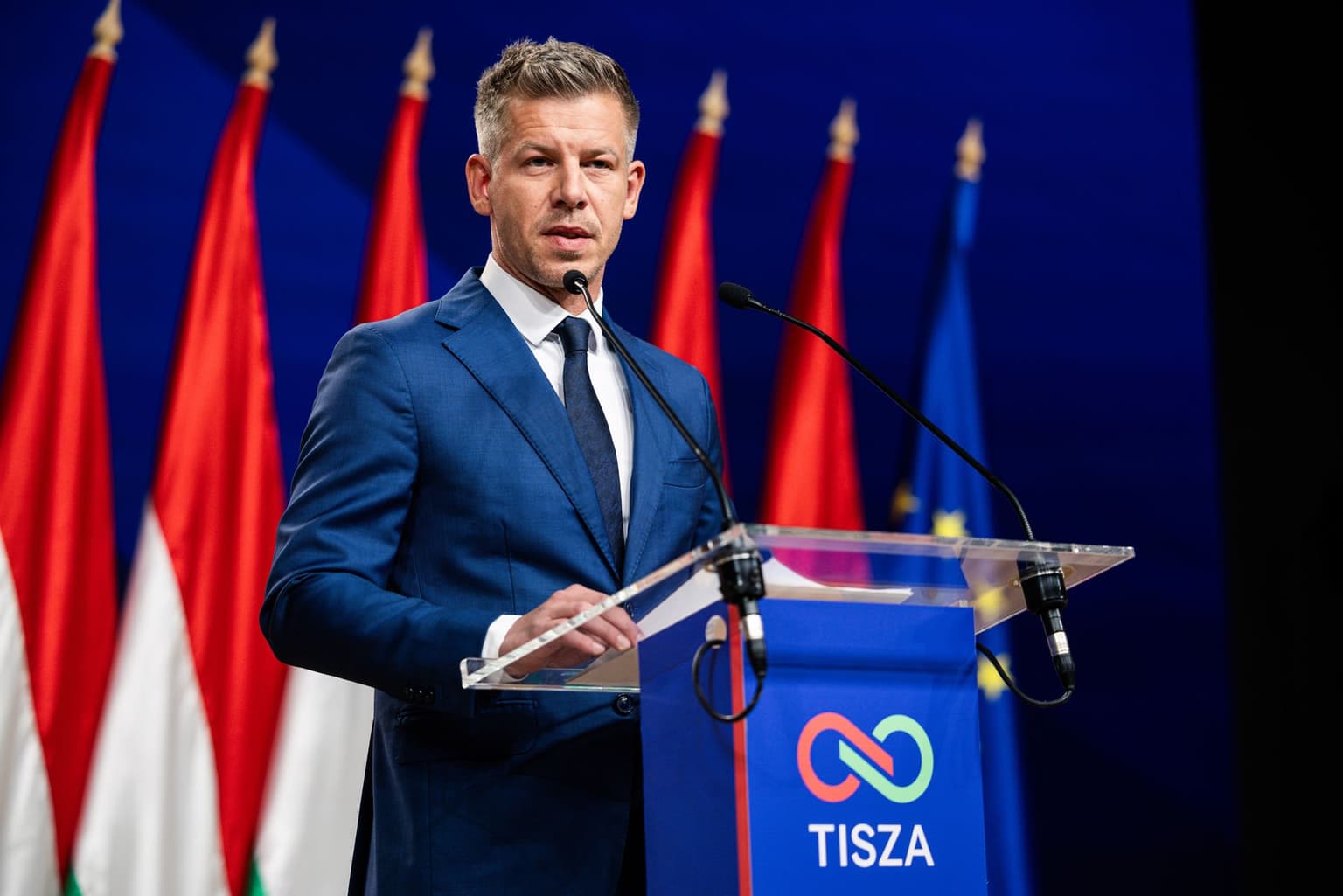
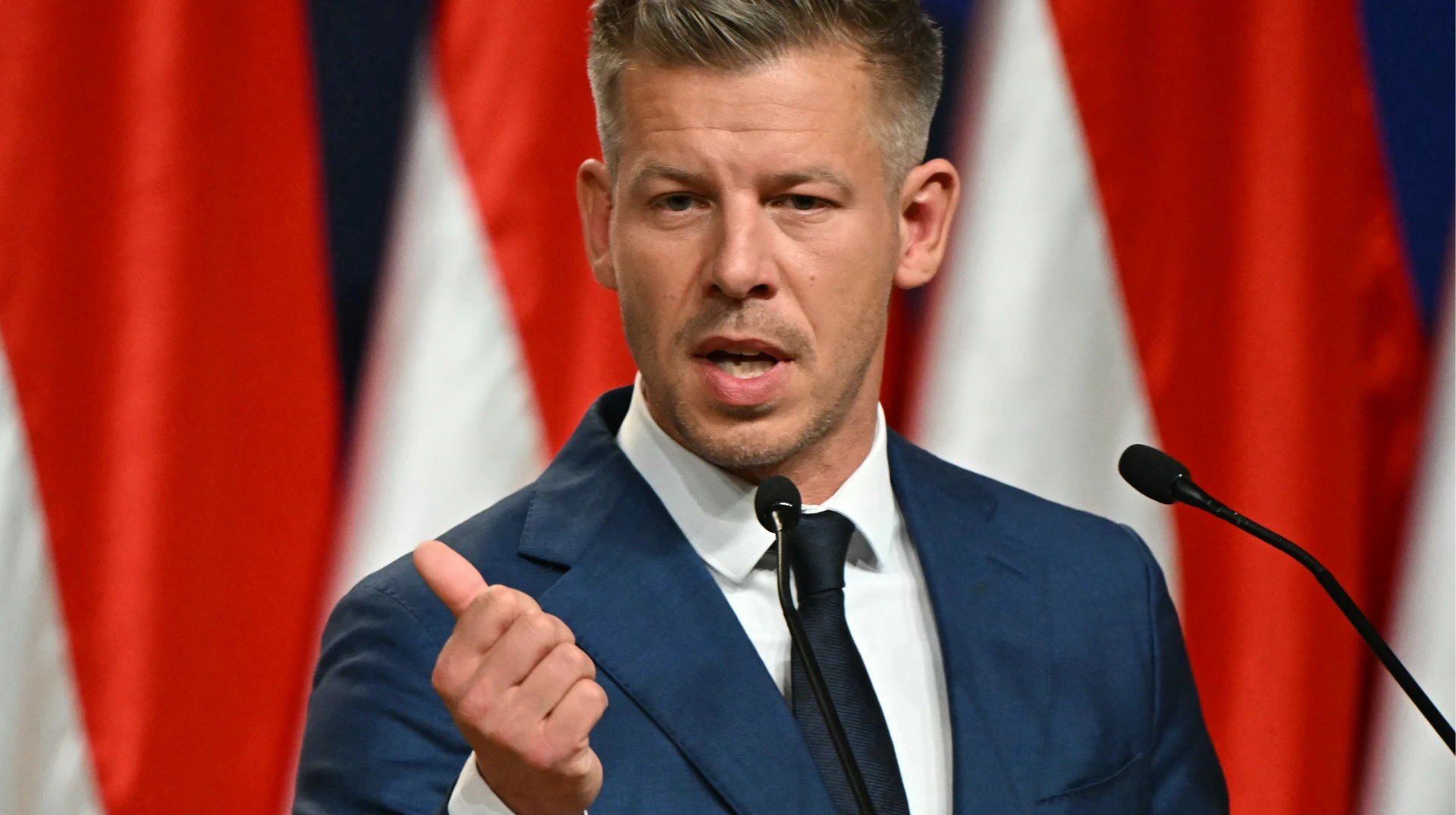
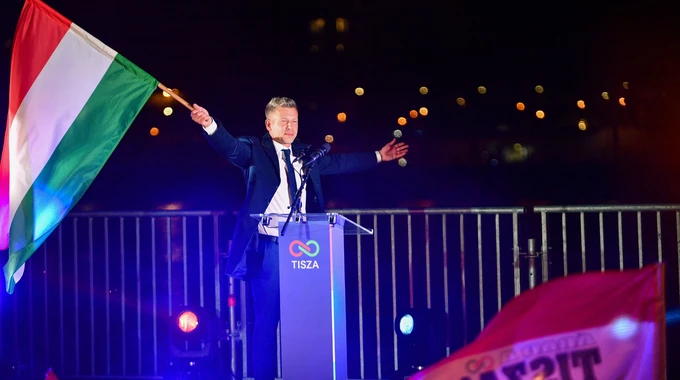
Hungary's political transition from Viktor Orbán to Péter Magyar represents a critical inflection point for cross-border e-commerce sellers operating in Central Europe. Magyar's landslide election victory and May 2025 oath of office will fundamentally reshape EU trade policy dynamics, particularly regarding sanctions enforcement, energy infrastructure, and regulatory harmonization. The removal of Hungary's veto on the €90 billion Ukraine aid package signals Magyar's commitment to closer EU-NATO alignment—a policy shift that directly impacts tariff structures, customs procedures, and compliance requirements for sellers shipping through Hungarian logistics hubs and EU distribution networks.
The immediate trade opportunity stems from regulatory uncertainty resolution. Under Orbán's 16-year rule, Hungary maintained ambiguous stances on Russian sanctions and EU trade directives, creating compliance gray zones that sophisticated sellers exploited through strategic sourcing and tariff arbitrage. Magyar's stated commitment to "closer EU and NATO alignment" and energy diversification away from Russian suppliers indicates Hungary will harmonize with stricter EU trade enforcement standards. This creates a 60-90 day window (January-April 2025) before Magyar's May oath of office, during which sellers can restructure supply chains, renegotiate 3PL contracts with Hungarian logistics providers, and adjust inventory positioning before new compliance regimes take effect. Sellers currently leveraging Hungary as a tariff arbitrage point for Russian-origin goods or using Hungarian VAT registration for regulatory optimization should immediately audit their compliance exposure.
Energy cost implications directly affect fulfillment economics. The National Bank of Ukraine warned that elevated oil prices from Middle East conflicts could increase inflation by 1.5-2.8 percentage points across the region. Magyar's commitment to renegotiate energy contracts and diversify away from the shuttered Druzhba pipeline suggests near-term energy price volatility in Central Europe. For sellers operating 3PL facilities in Hungary or using Hungarian-based fulfillment networks, logistics costs could increase 3-7% within Q2-Q3 2025 as energy contracts reset. This particularly impacts sellers in high-volume categories (electronics, apparel, home goods) where fulfillment costs represent 12-18% of COGS. Sellers should lock in 12-month 3PL contracts before March 2025 to avoid post-May price increases.
Competitive advantage shifts toward EU-compliant sellers. Magyar's election represents a setback for Europe's populist movement and signals investor confidence in stricter regulatory environments. This creates competitive advantages for sellers with robust compliance infrastructure (VAT registration, customs documentation, product certification) while disadvantaging sellers relying on regulatory arbitrage or gray-zone compliance tactics. Mid-market sellers (€2-10M annual revenue) with established EU distribution networks will gain market share as compliance barriers increase, pricing out smaller competitors without dedicated compliance teams. Sellers should prioritize EU marketplace expansion (Amazon.eu, eBay.eu) and consider consolidating operations through established EU fulfillment networks rather than maintaining distributed inventory across multiple countries.
Questions 8
What marketplace strategy should I adopt given Hungary's political shift?
Prioritize Amazon.eu and eBay.eu expansion over marketplace diversification into smaller platforms. Magyar's regulatory alignment strengthens the EU single market framework, making Amazon.eu's centralized fulfillment network more valuable for sellers. Consider consolidating inventory from multiple Hungarian 3PL providers into Amazon FBA European fulfillment centers to reduce compliance complexity and benefit from Amazon's established EU compliance infrastructure. For sellers currently using Shopify or independent storefronts, evaluate whether the compliance burden of direct-to-consumer sales justifies the margin benefits, particularly if you lack dedicated compliance resources. The regulatory shift favors marketplace sellers with established compliance frameworks over independent operators. If you operate on multiple EU marketplaces, prioritize harmonizing your VAT registration and customs documentation across all platforms before April 2025 to ensure seamless transition to stricter enforcement.
How does the €90B Ukraine aid package affect my e-commerce business?
The €90 billion Ukraine aid package, which Magyar's administration will likely unblock, signals increased EU investment in Eastern European infrastructure and economic stabilization. This creates medium-term market expansion opportunities in Ukraine and neighboring countries as reconstruction spending increases. However, the immediate impact is regulatory—the aid package's approval requires stricter sanctions enforcement and trade compliance across EU member states, including Hungary. For sellers, this means tighter customs procedures and enhanced due diligence requirements for any goods potentially destined for Russia or Belarus. The aid package also indicates EU confidence in Magyar's pro-Western stance, which will accelerate Hungary's regulatory harmonization with EU standards. Sellers should view this as a positive long-term signal for EU market stability, but prepare for near-term compliance tightening.