


East Asia Supply Chain Risk Alert | Geopolitical Tensions Threaten Shipping Routes & Sourcing Stability
- April 2026 missile tests signal escalating regional military tensions affecting cross-border logistics, shipping corridors, and sourcing strategies for 50K+ sellers dependent on East Asia supply chains


-5934f0ff026b3c972c48c53d4082eadb.jpg)















Overview
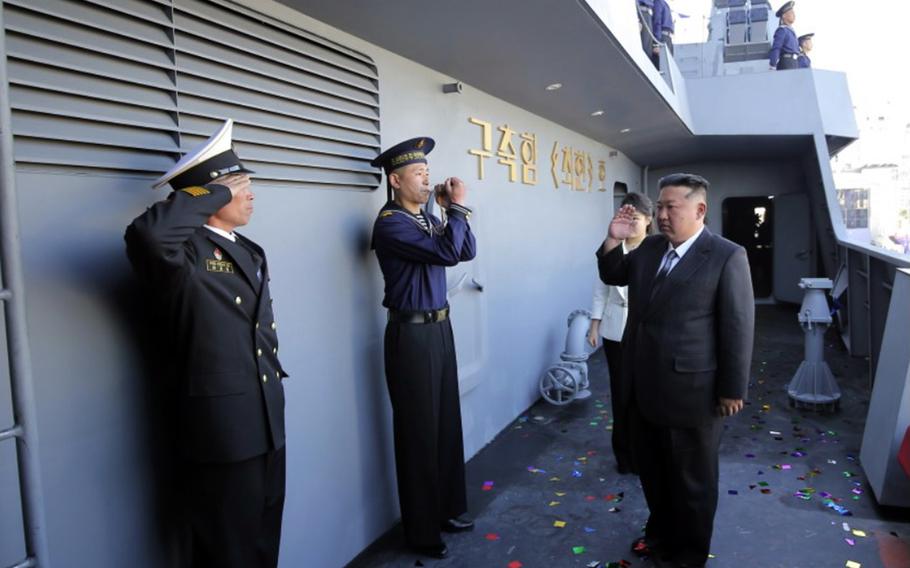
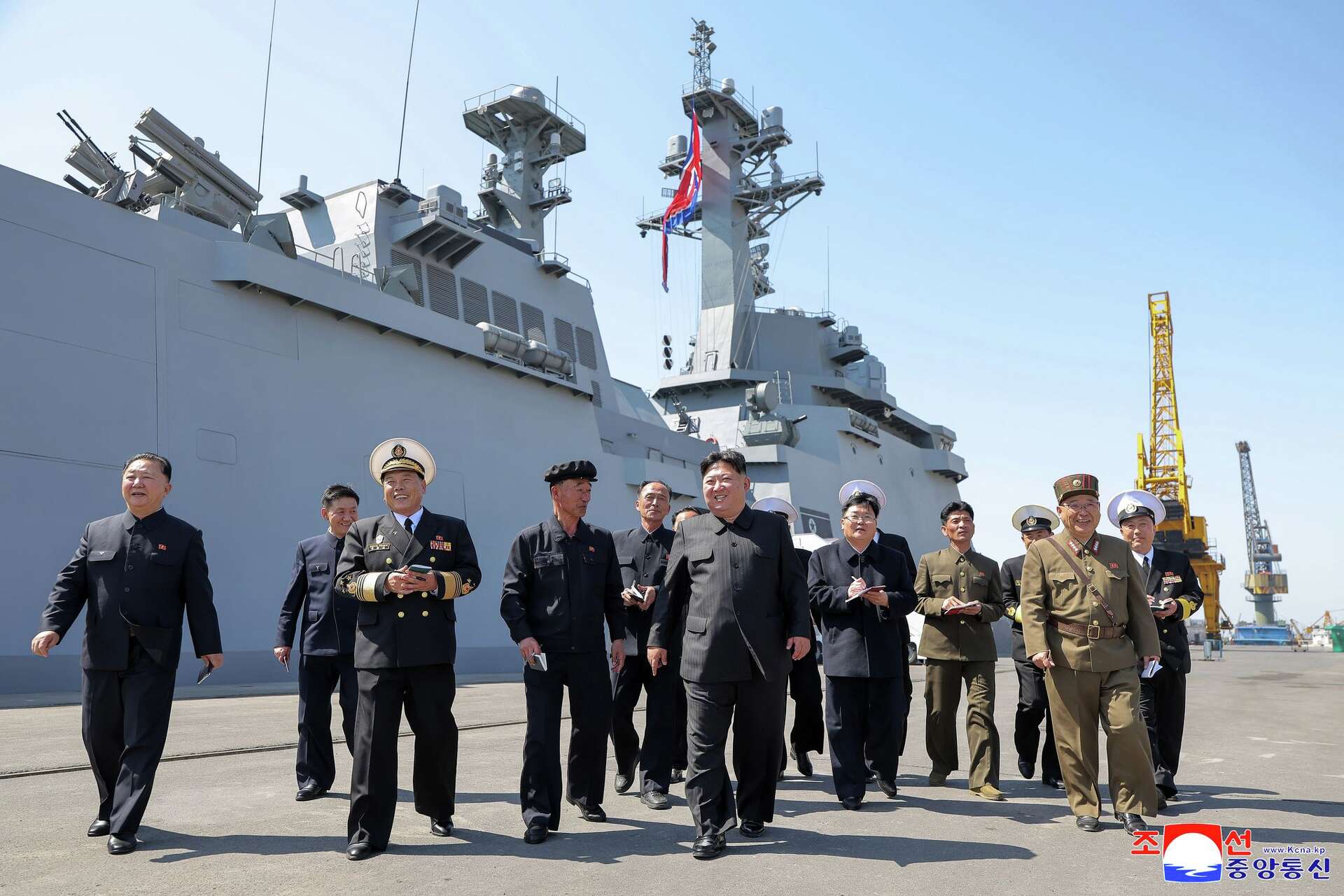
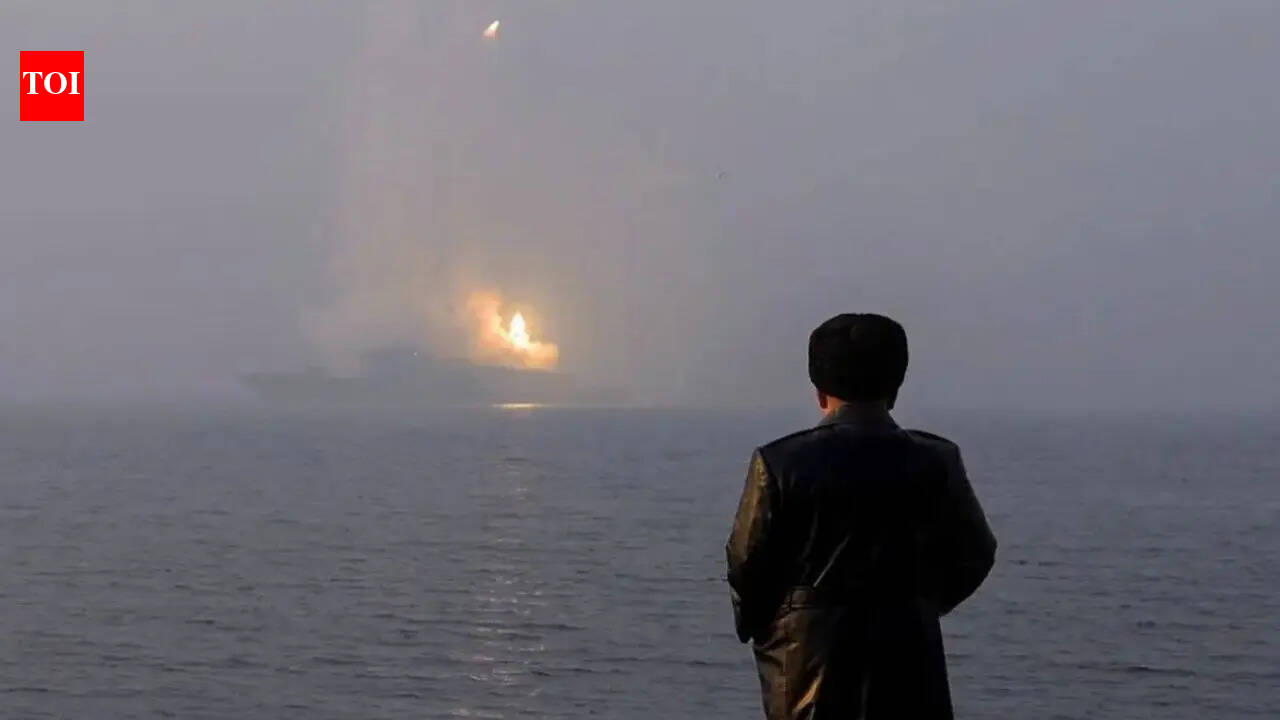
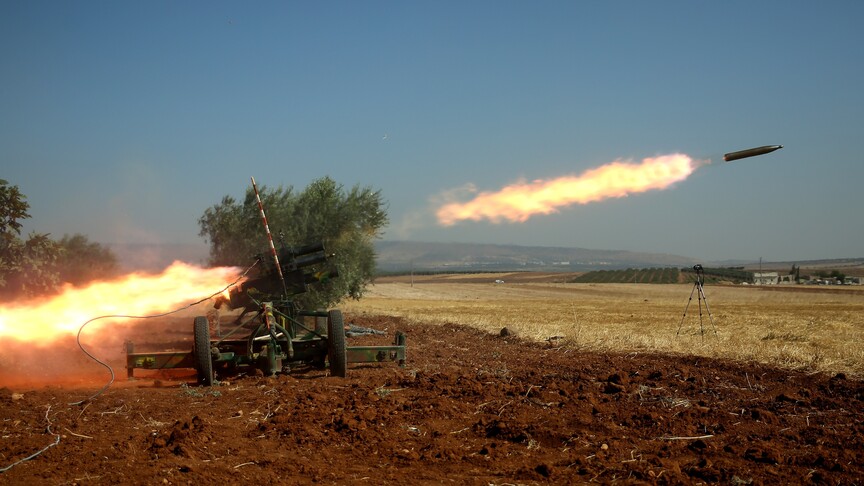
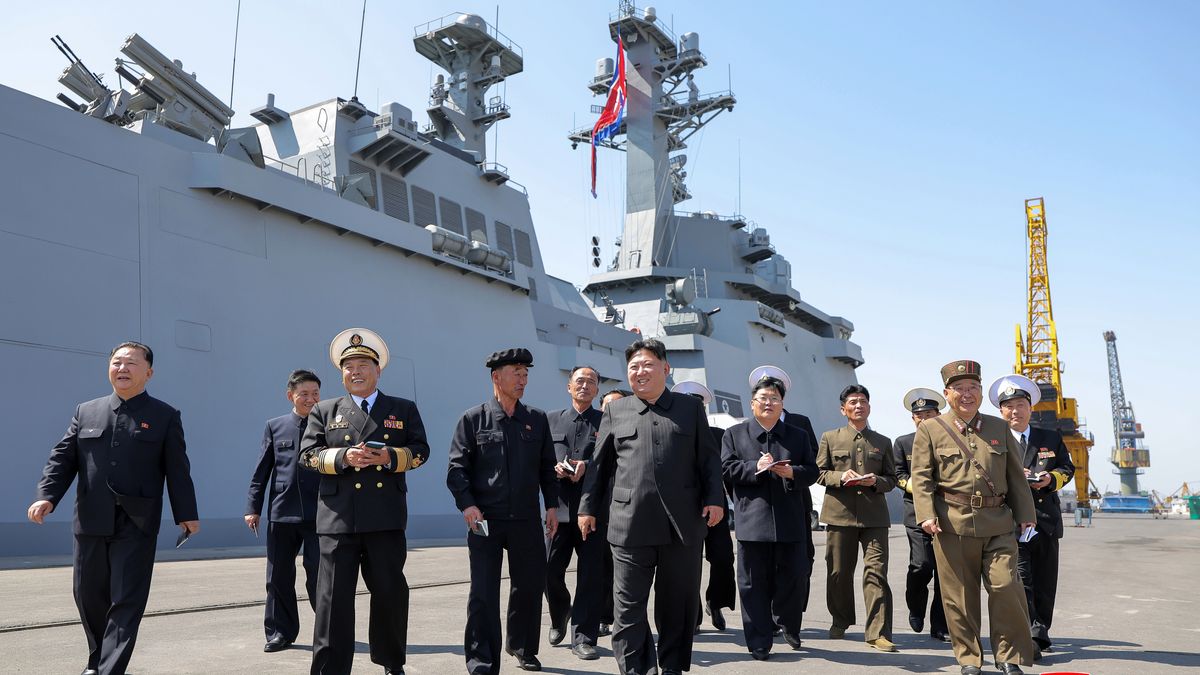
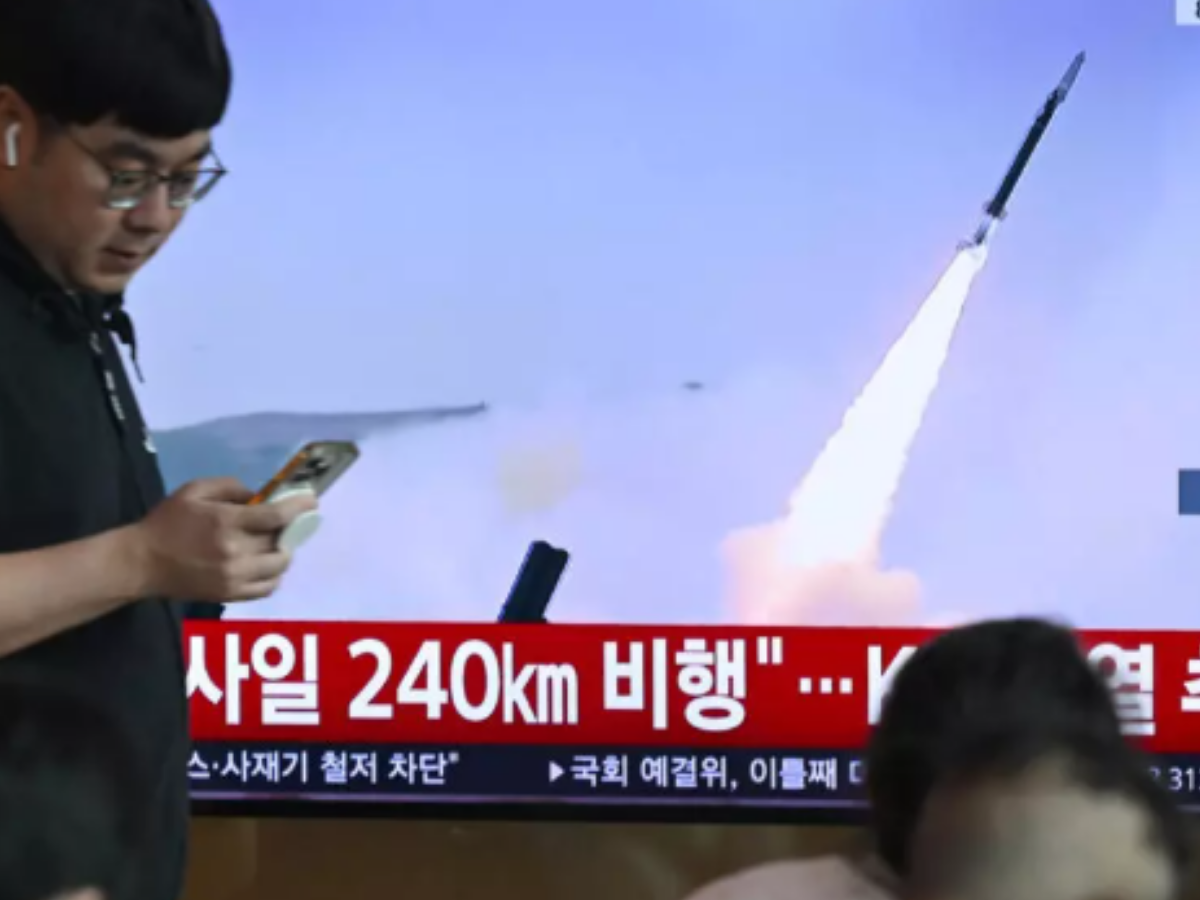
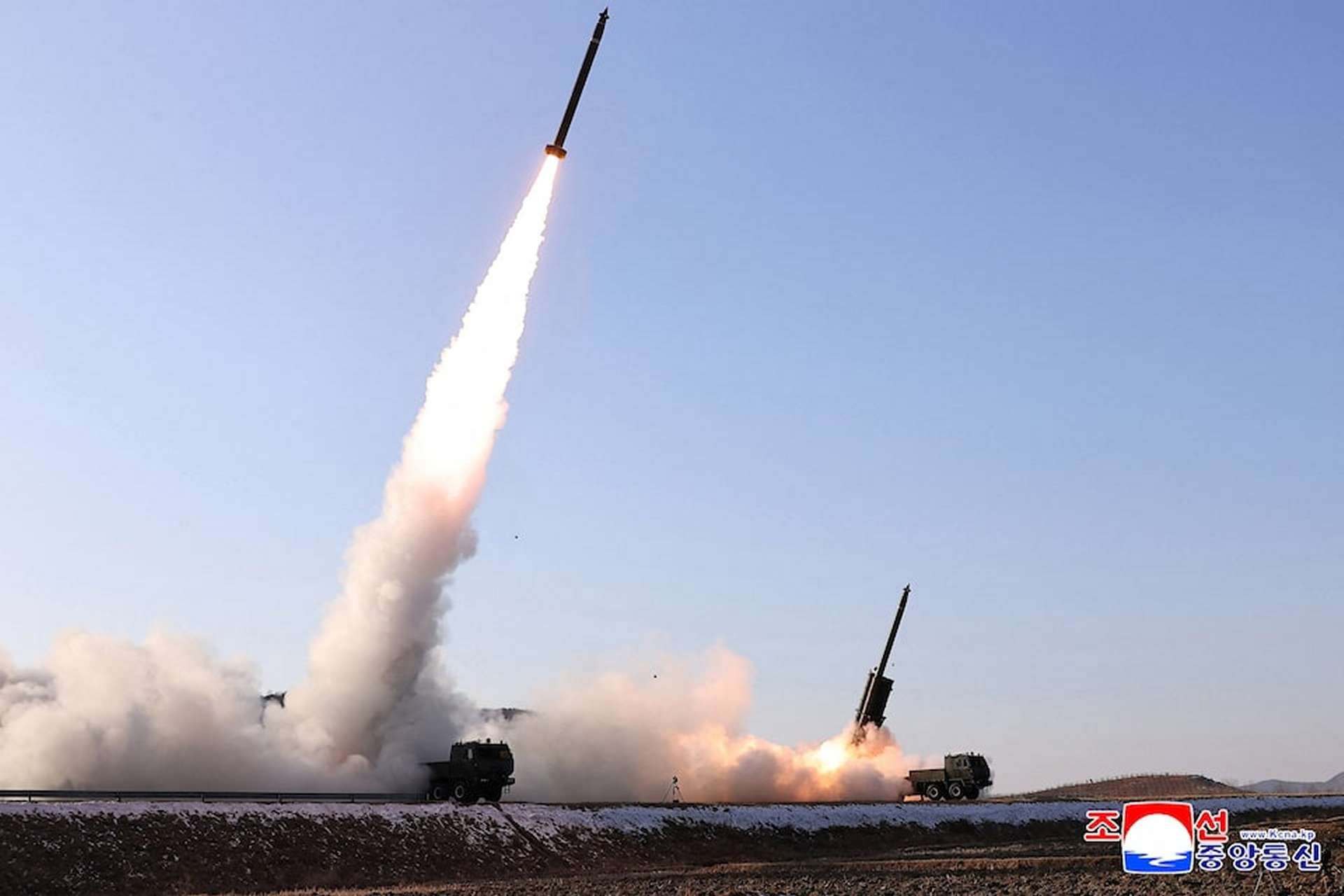
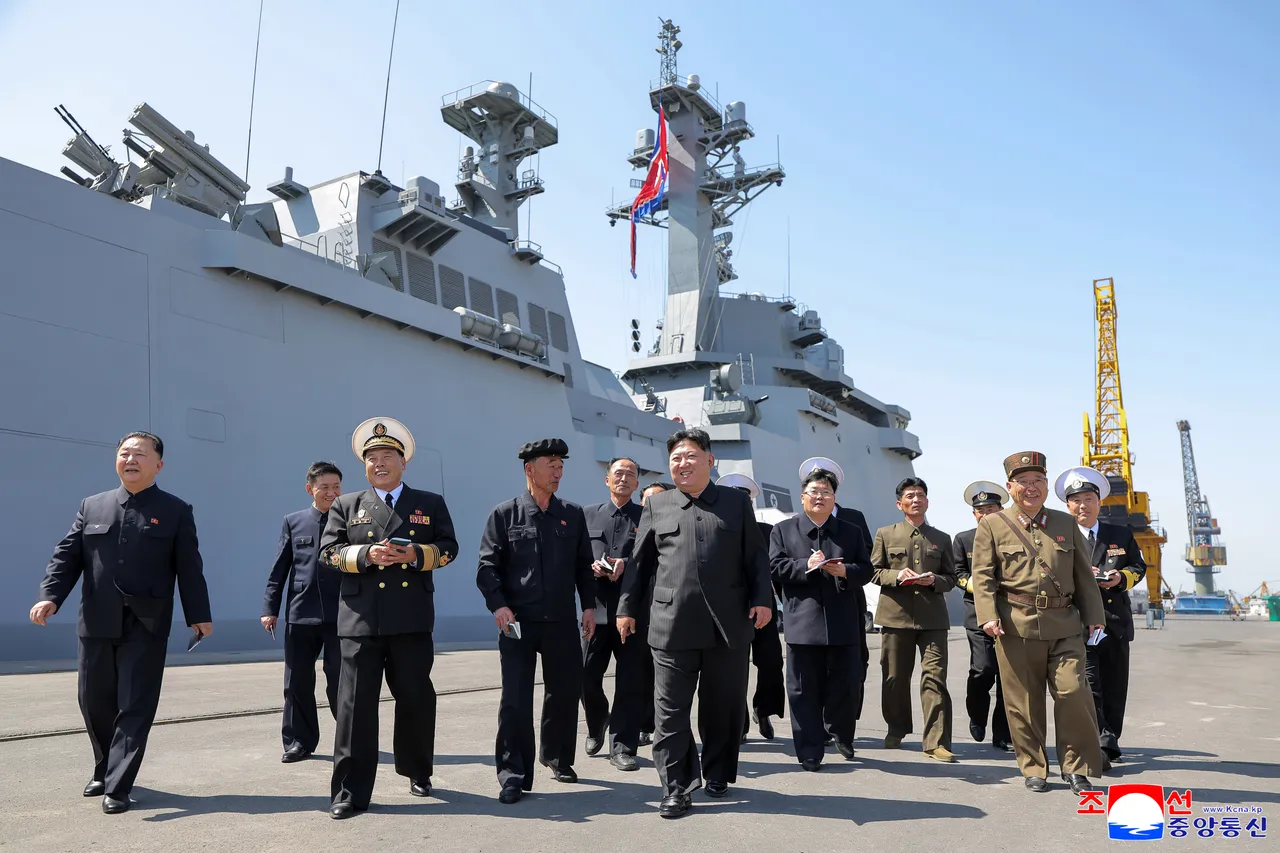
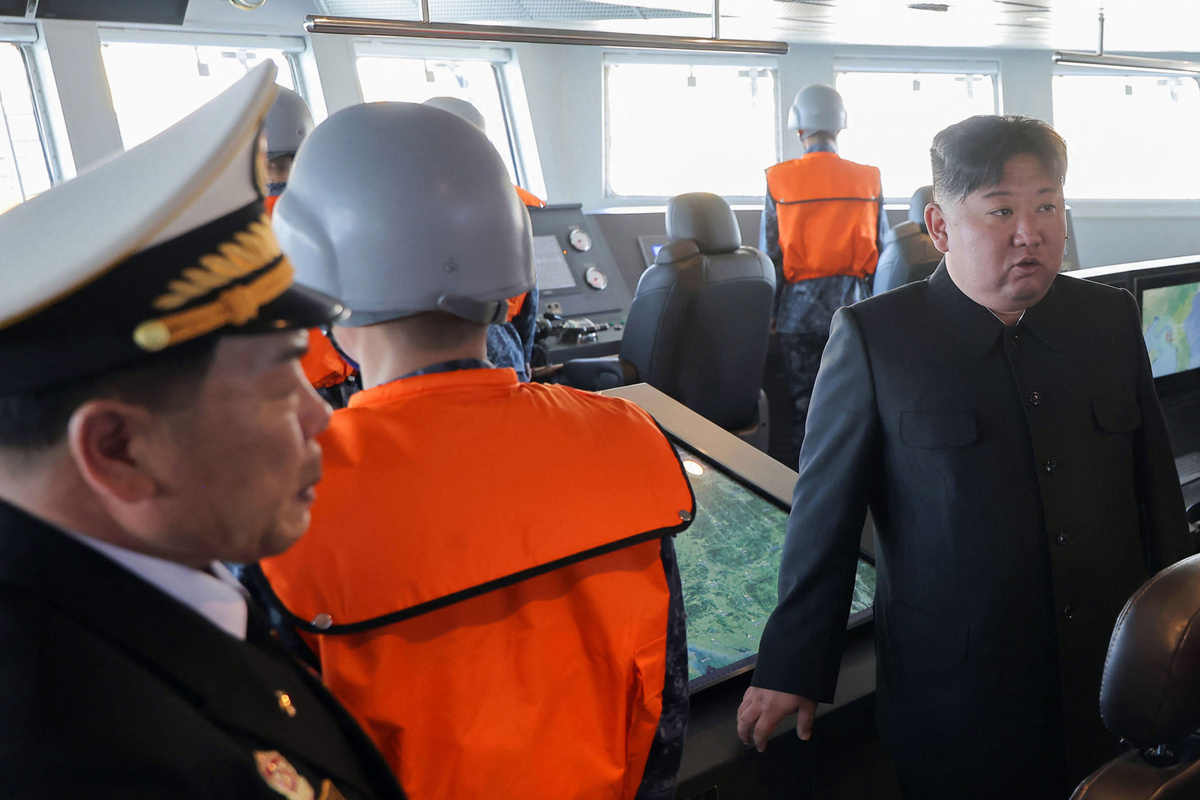
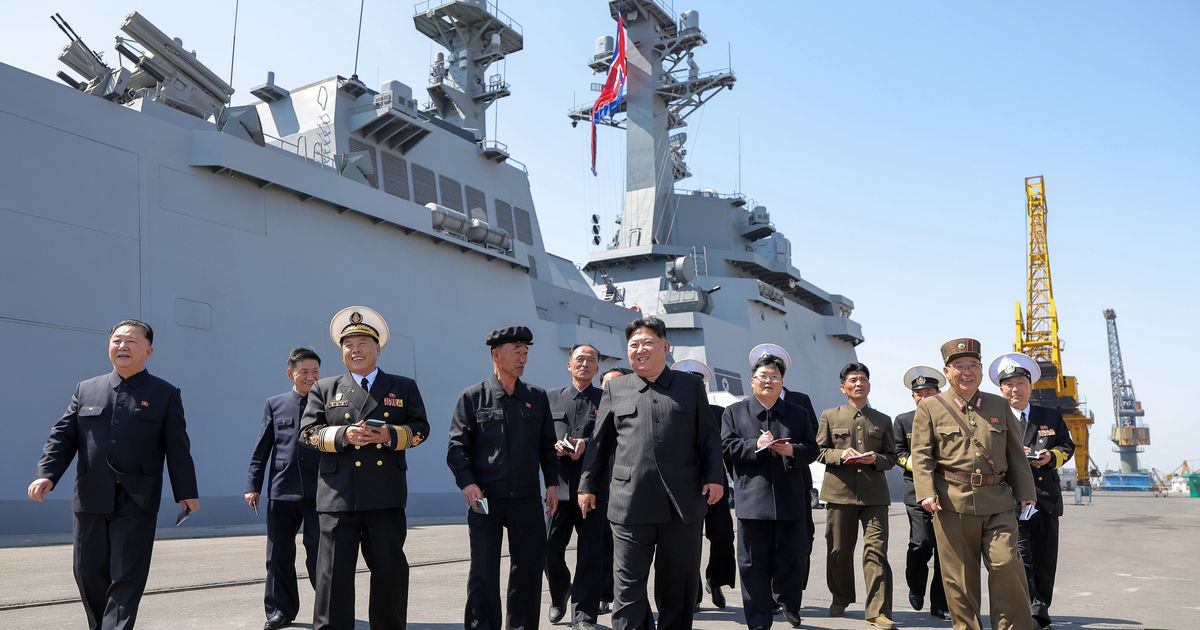
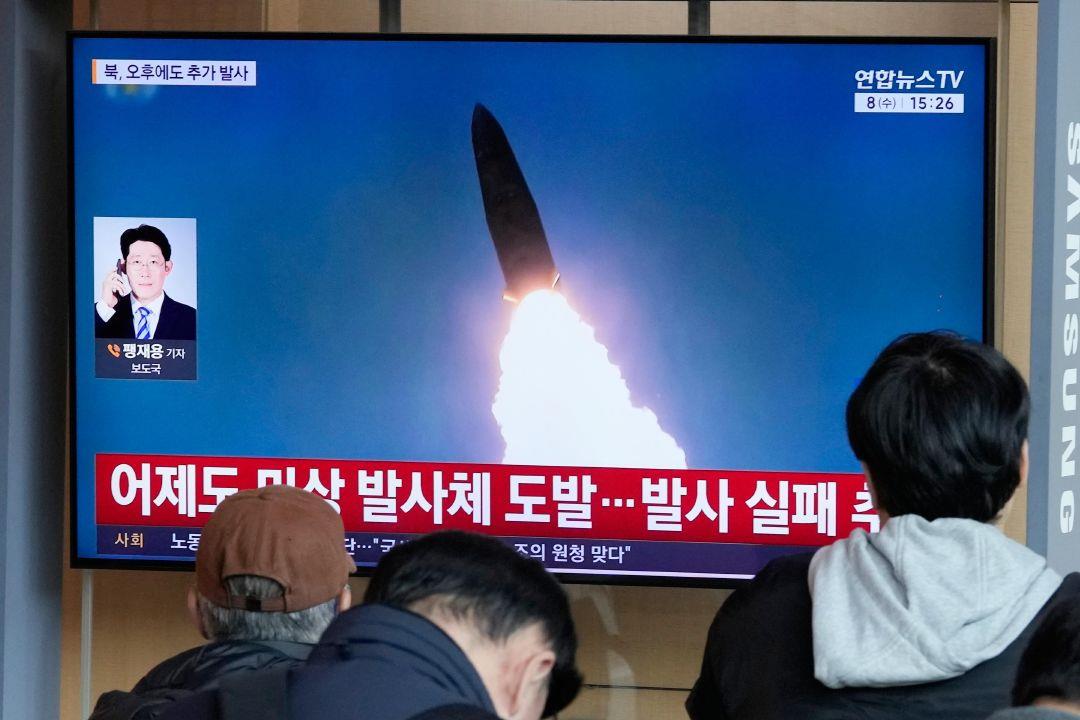
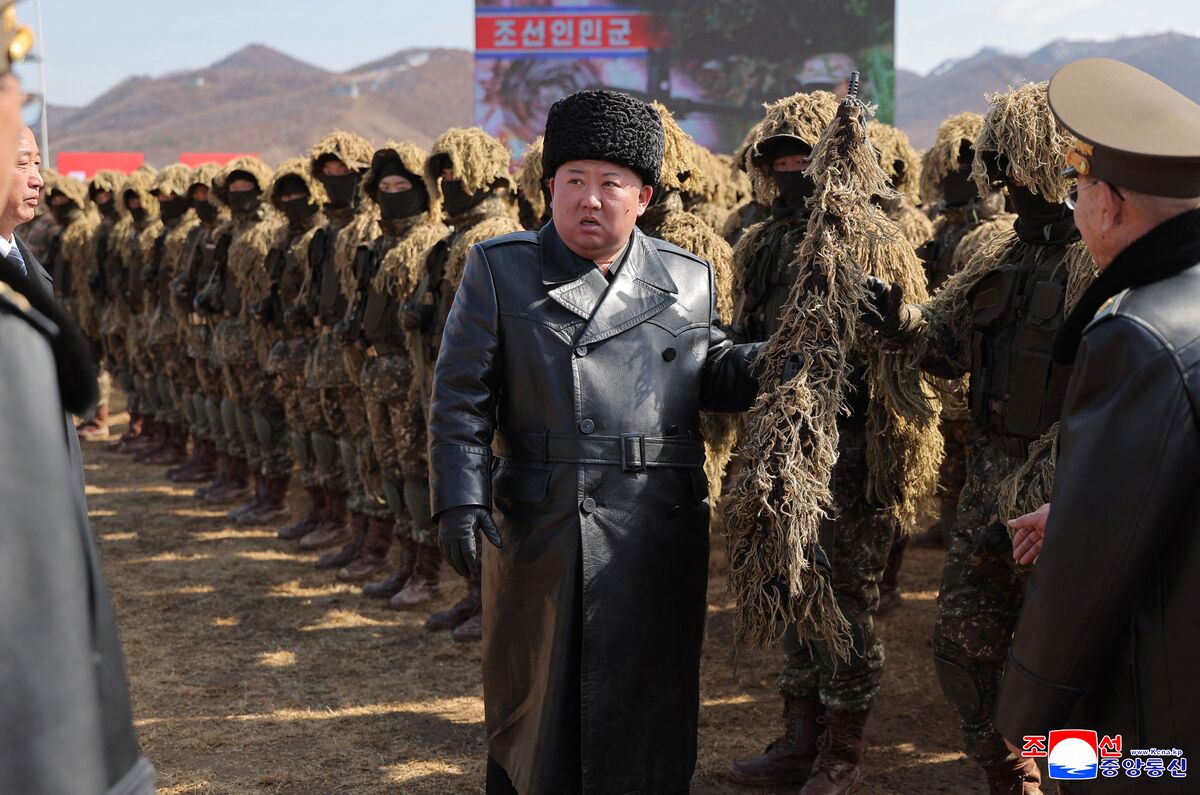
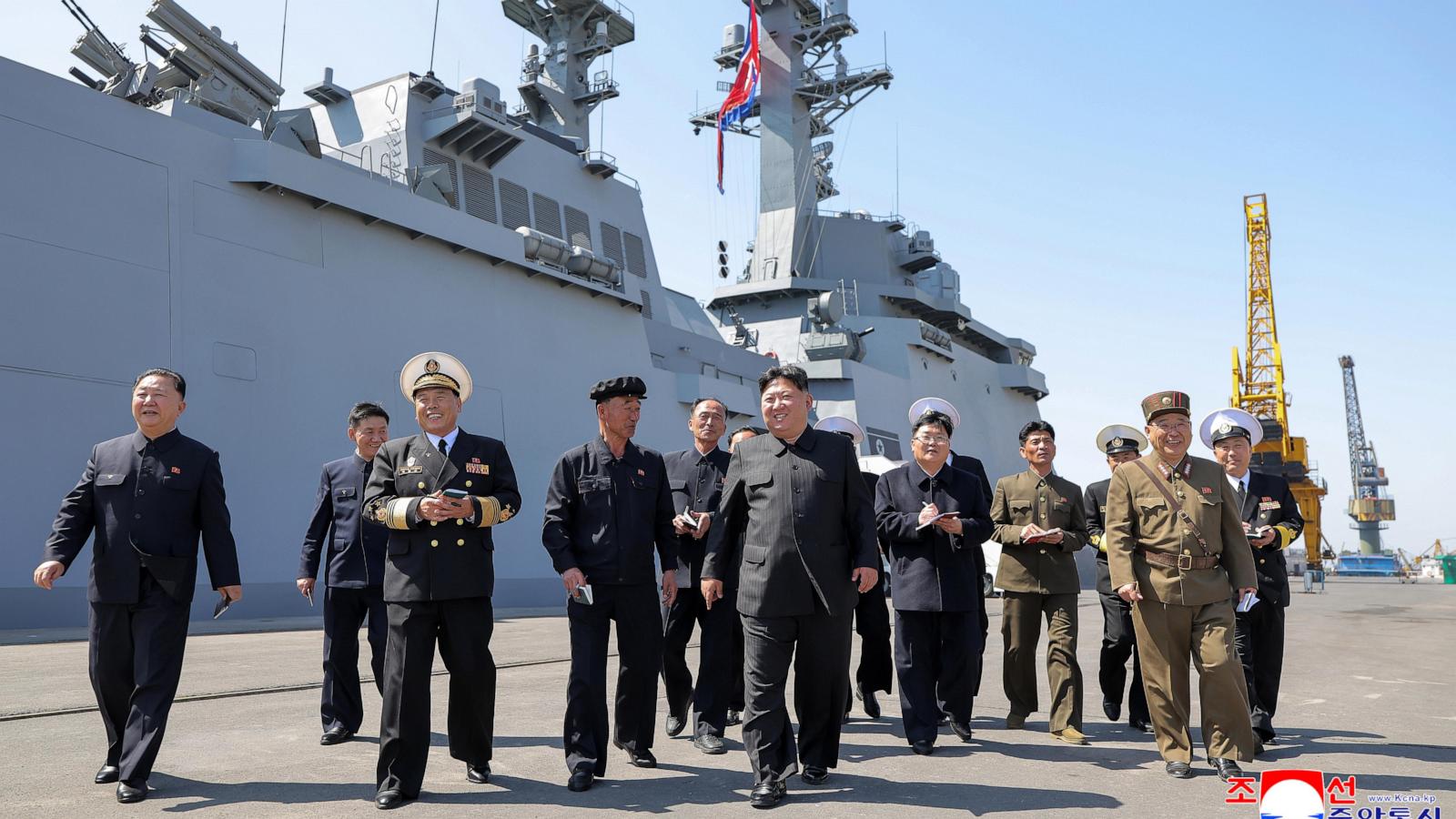
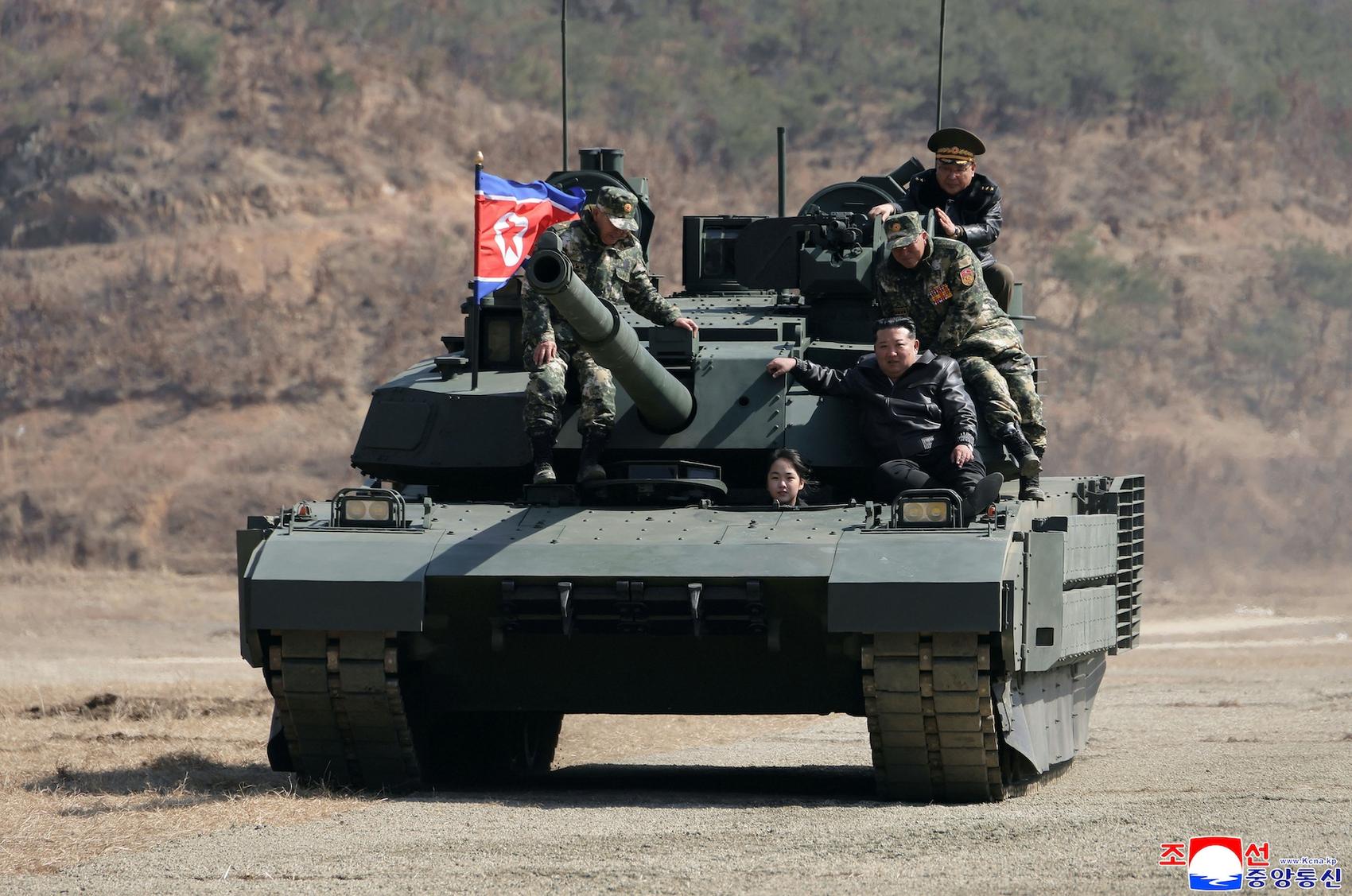
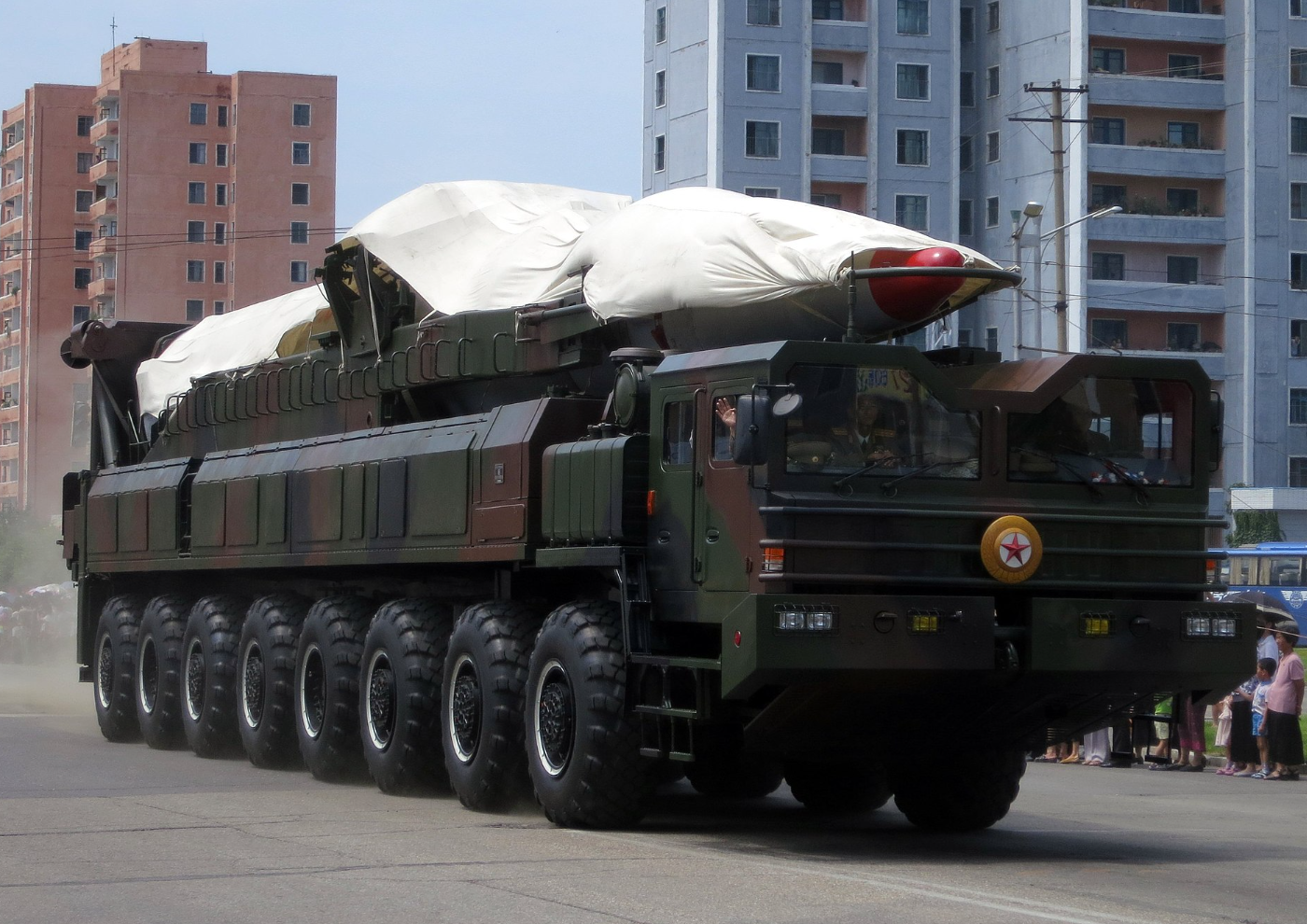
North Korea's accelerating military modernization, demonstrated through April 2026 naval destroyer missile tests overseen by Kim Jong Un, creates significant supply chain risk for cross-border e-commerce sellers dependent on East Asia logistics corridors. The tests—involving cruise missiles (7,869-7,920 second flight times) and anti-ship missiles (1,960-1,973 second flight times) from the Choe Hyon-class destroyer—represent the first official acknowledgment of a fourth destroyer under construction, signaling rapid militarization that directly impacts regional shipping stability. This escalation occurs amid broader geopolitical competition in the Asia-Pacific region, where military demonstrations coincide with Middle East conflicts that distract international attention from Korean peninsula tensions.
For cross-border sellers, this geopolitical development creates three critical supply chain vulnerabilities: First, shipping route disruption risk affects sellers sourcing from China, Vietnam, and South Korea—the primary manufacturing hubs for electronics (HS 8471-8517), textiles (HS 6204-6209), and consumer goods. Increased naval activity and potential maritime incidents could force shipping companies to reroute vessels around Korean waters, adding 3-7 days to transit times and 8-15% to freight costs. Second, sourcing country concentration risk intensifies for sellers relying on South Korean suppliers (semiconductors, automotive parts, cosmetics) or Chinese manufacturers shipping through Korean straits. The announcement of two additional destroyers commissioned annually through 2026 signals sustained military escalation, creating insurance premium increases and potential shipping delays. Third, geopolitical insurance costs are rising—maritime insurance premiums for vessels transiting Korean waters have historically increased 12-25% during periods of elevated tensions, directly impacting 3PL provider costs that sellers ultimately absorb.
Strategic implications for seller segments vary by sourcing geography: Sellers sourcing 40%+ of inventory from China/Vietnam face the highest exposure, as approximately 60% of China-to-US container traffic transits through Korean straits and surrounding waters. Small-to-medium sellers (annual revenue $500K-$5M) with limited supplier diversification face acute risk, as they lack negotiating power to absorb freight cost increases or secure alternative routing. Large enterprise sellers with established 3PL networks and multi-country sourcing can better absorb disruptions but face margin compression if they maintain current pricing. The timing is critical—with North Korea announcing plans to commission two destroyers annually starting June 2026, sellers have a 60-90 day window to evaluate supply chain resilience before potential escalation impacts Q3-Q4 2026 inventory planning.
Immediate risk mitigation requires proactive supply chain restructuring: Sellers should audit sourcing concentration by country and product category, identifying which SKUs depend on Korean strait transit routes. Consider diversifying sourcing to India, Indonesia, or Thailand for non-specialized categories where quality parity exists—these routes avoid Korean waters entirely. Negotiate long-term freight contracts with 3PL providers before insurance premiums spike further, locking in current rates for 6-12 month periods. Monitor shipping indices (Baltic Dry Index, Shanghai Containerized Freight Index) for early warning signals of route disruptions or cost spikes. For sellers with significant South Korean supplier relationships, develop contingency sourcing plans and communicate with suppliers about potential logistics delays to manage customer expectations proactively.
Questions 7
What monitoring systems should sellers implement to track geopolitical supply chain risk?
Implement three-tier monitoring: (1) Geopolitical indicators—track KCNA announcements, Korean Central News Agency military statements, and regional military exercises; (2) Shipping metrics—monitor Baltic Dry Index, Shanghai Containerized Freight Index, and Korean strait transit reports from shipping associations; (3) Insurance data—track maritime insurance premium indices and vessel routing reports from Lloyd's of London. Set up alerts for 15%+ daily changes in shipping indices or insurance premiums. Subscribe to trade publications (Journal of Commerce, American Shipper) for early warning signals. Establish quarterly supply chain risk reviews with 3PL providers and major suppliers. This proactive monitoring provides 2-4 week advance warning before costs spike, enabling faster response.
How does North Korea's military escalation impact South Korea-based suppliers?
South Korean suppliers of electronics, semiconductors, cosmetics, and automotive parts face operational uncertainty and potential logistics delays. Sellers sourcing from South Korea should communicate with suppliers about contingency planning and potential shipping delays. Expect 5-10 day delays during periods of elevated tensions as vessels reroute or insurance requirements change. Negotiate force majeure clauses in supplier contracts to protect against unexpected delays. Consider establishing secondary sourcing in Japan or Taiwan for critical components. South Korean suppliers may increase prices 3-8% to cover rising insurance and logistics costs, so budget accordingly in Q2 2026 before potential escalation impacts pricing.