



AI Graphics Revolution: How AMD's Redstone Technology is Redefining Gaming Performance
- Transformative AI-powered upscaling sets new benchmarks for graphics rendering across gaming platforms
























Overview
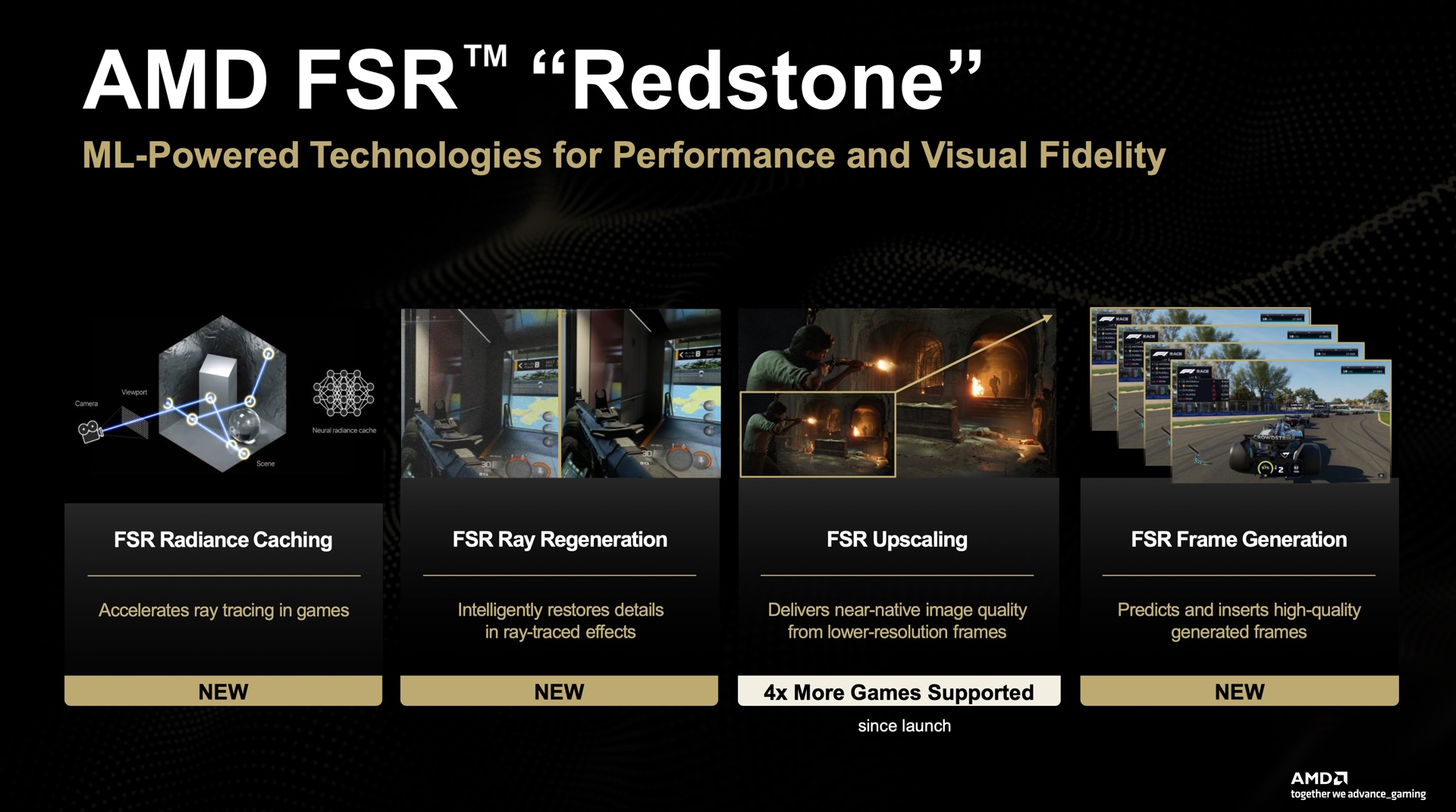
The gaming graphics landscape is undergoing a profound transformation driven by artificial intelligence, with AMD's Redstone technology emerging as a pivotal breakthrough in computational rendering. At its core, this innovation represents more than just a technical upgrade—it's a fundamental reimagining of how graphics are generated and optimized.
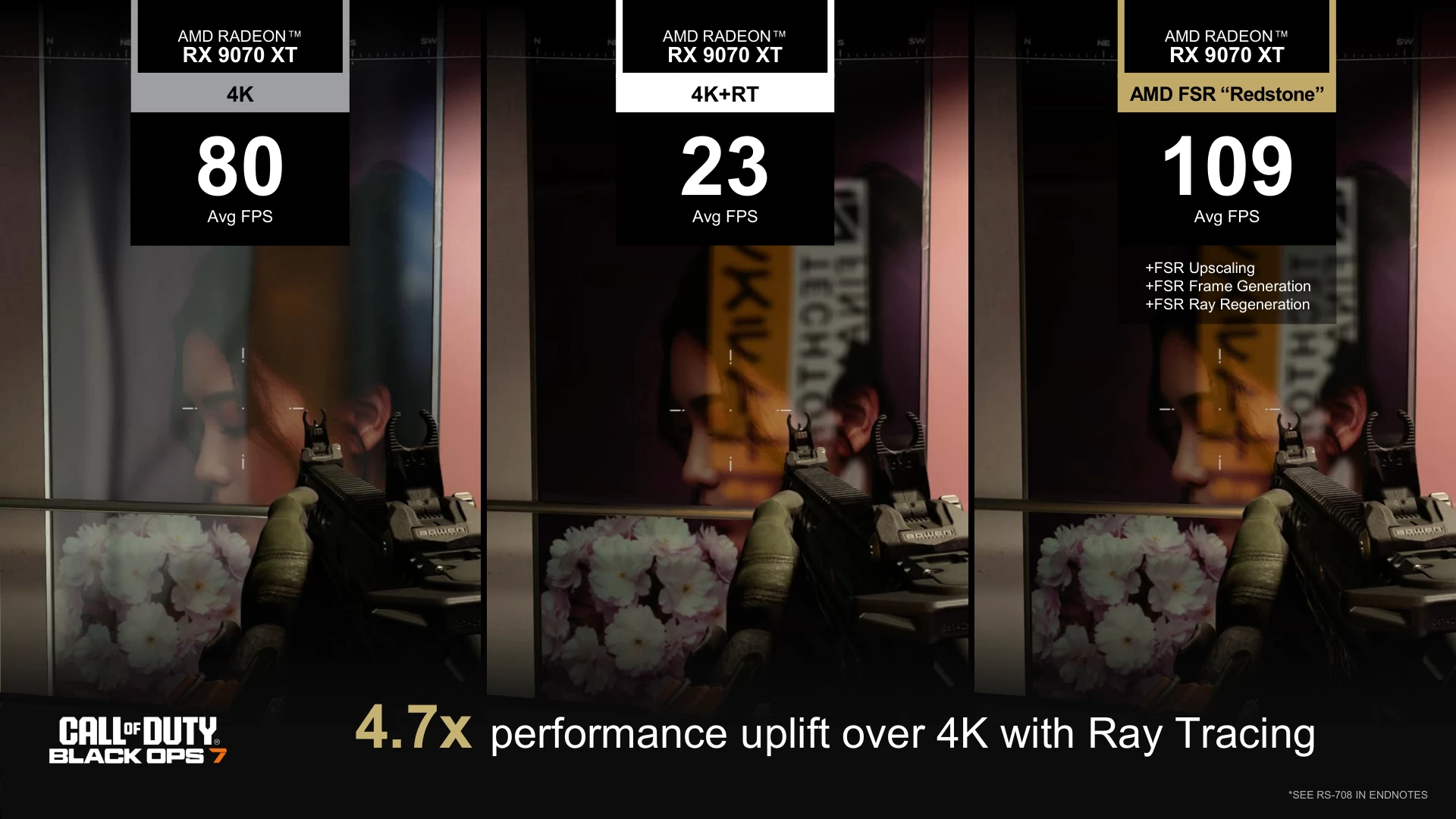
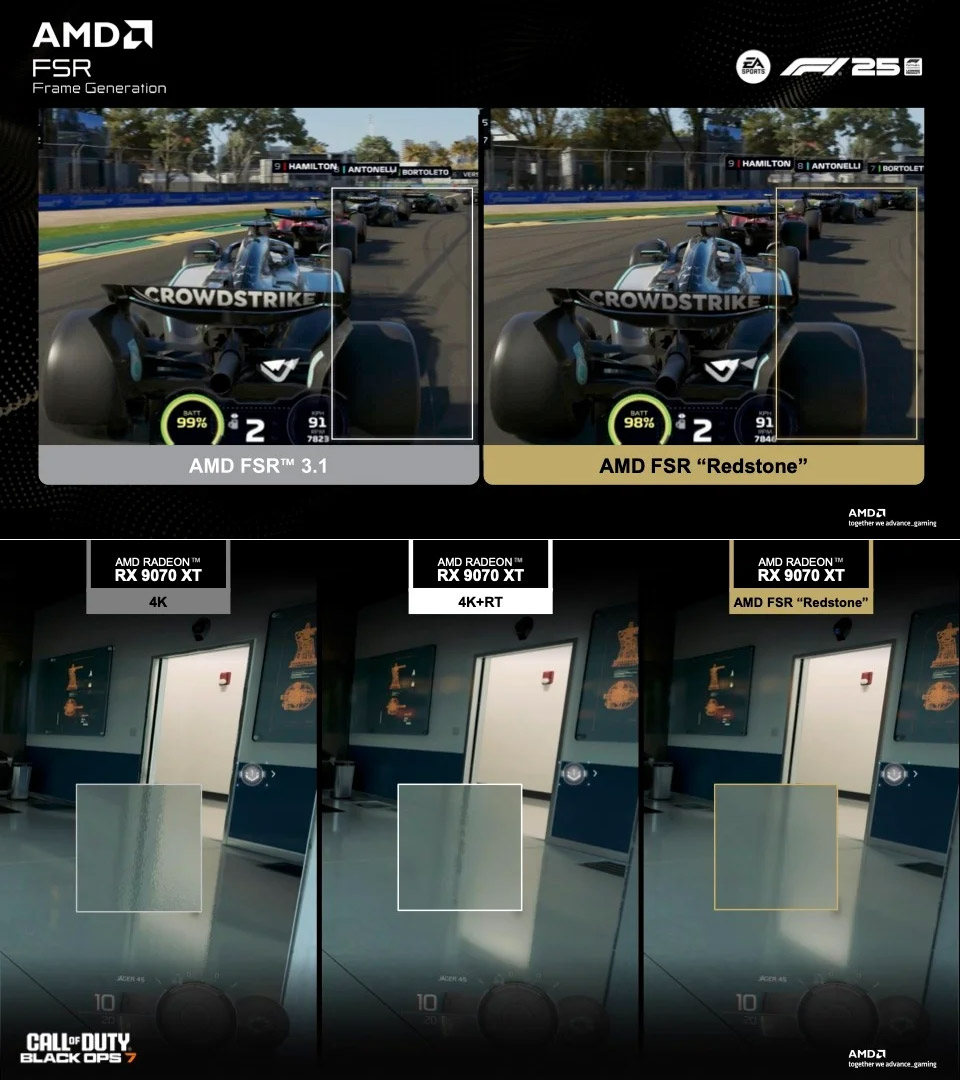
AMD's Redstone introduces a quantum leap in graphics processing, leveraging machine learning to dramatically enhance visual performance. The technology's most striking capability is its ability to generate intermediate frames, effectively increasing game frame rates from a modest 23 fps to an impressive 109 fps in titles like Call of Duty: Black Ops 7. This isn't merely an incremental improvement, but a revolutionary approach to graphics rendering that could reshape gaming experiences across multiple platforms.
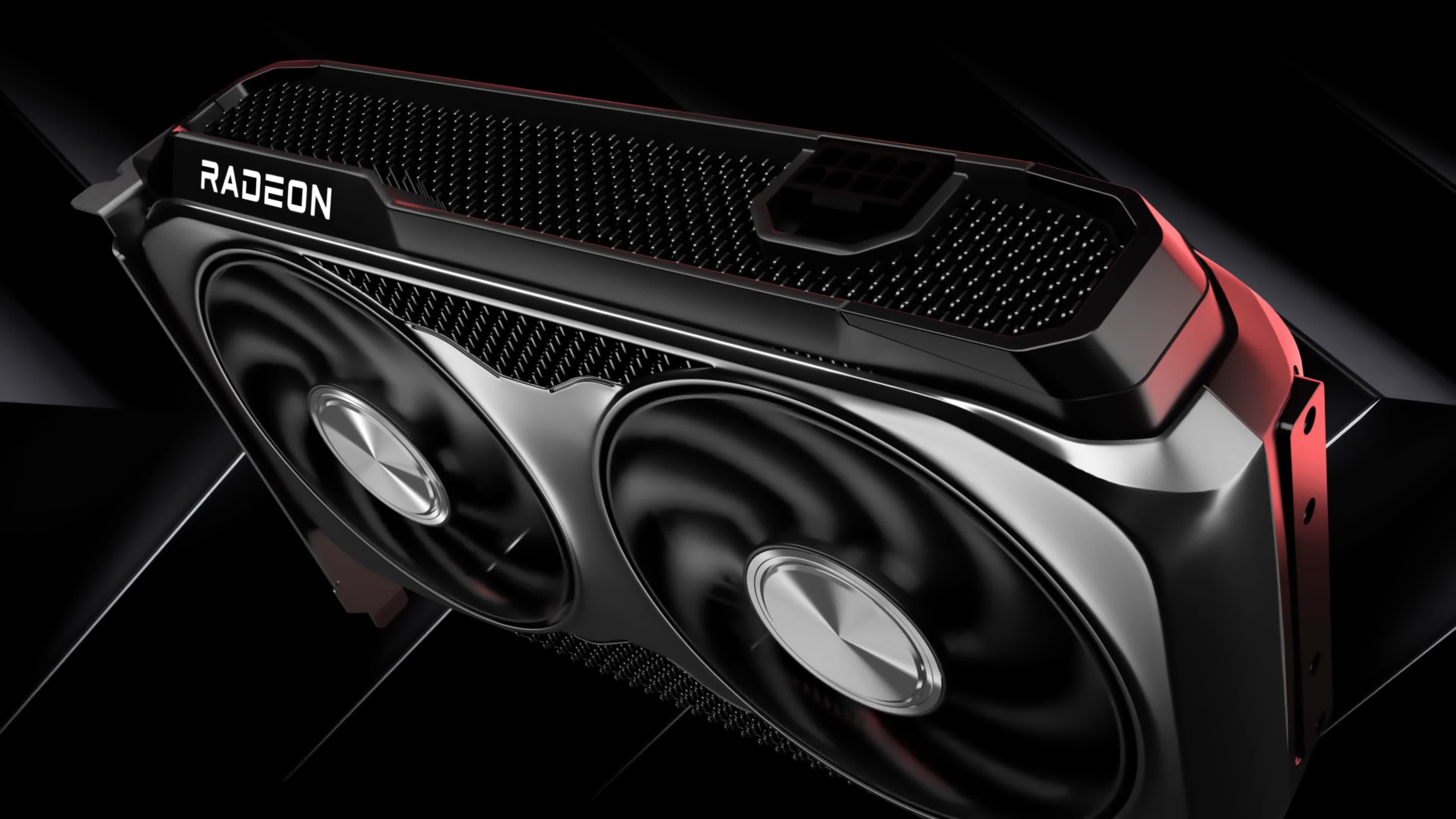
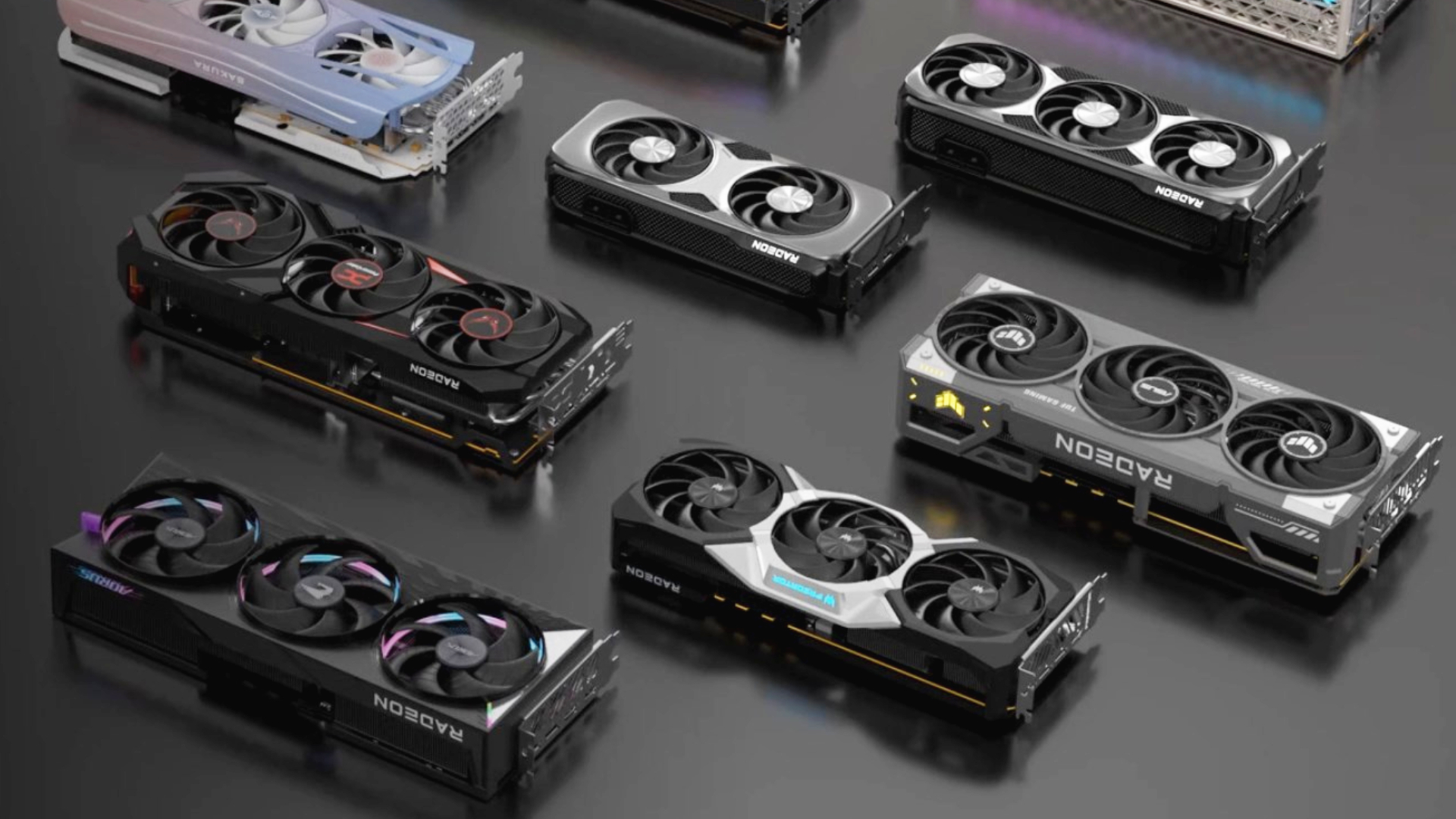
The strategic implications are profound. By introducing neural network-based frame generation and ray tracing optimization, AMD is directly challenging NVIDIA's long-standing dominance in high-performance graphics. The technology's exclusive integration with RDNA 4 GPUs, particularly the Radeon RX 9000 series, signals a calculated move to drive hardware upgrades and create a competitive moat through advanced AI capabilities.
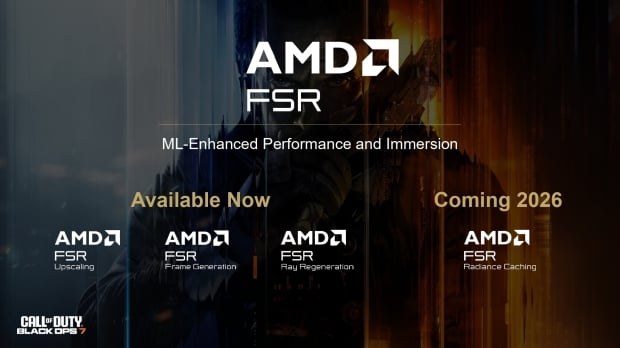
Particularly noteworthy is the technology's potential beyond gaming. The Radiance Caching and Ray Regeneration features demonstrate how AI can optimize complex computational tasks, potentially opening doors for cross-industry applications in visualization, simulation, and computational graphics. AMD's collaboration with PlayStation further suggests these technologies could become standard across gaming ecosystems.
The broader trend is clear: software-driven performance improvements powered by AI are rapidly becoming the primary mechanism for technological advancement. By using machine learning to predict and optimize rendering techniques, companies like AMD are not just improving graphics—they're fundamentally reimagining how computational resources are utilized.
For technology investors, game developers, and hardware manufacturers, this represents a critical inflection point. The future of graphics technology is no longer about raw computational power, but about intelligent, adaptive systems that can dynamically enhance visual experiences.
Questions 3
How does AMD's Redstone technology differ from previous graphics optimization methods?
Unlike traditional rendering techniques, Redstone uses AI-powered neural networks to generate intermediate frames and optimize ray tracing. This allows for significant performance improvements, potentially increasing frame rates by over 400% and creating smoother visual experiences through intelligent frame interpolation.
What are the key limitations of the new AMD graphics technology?
The technology is currently exclusive to AMD's latest RDNA 4 GPUs, specifically the Radeon RX 9000 series. While frame generation works across many games, advanced features like Ray Regeneration and Radiance Caching are limited to the newest hardware, potentially creating a barrier for users with older graphics cards.