
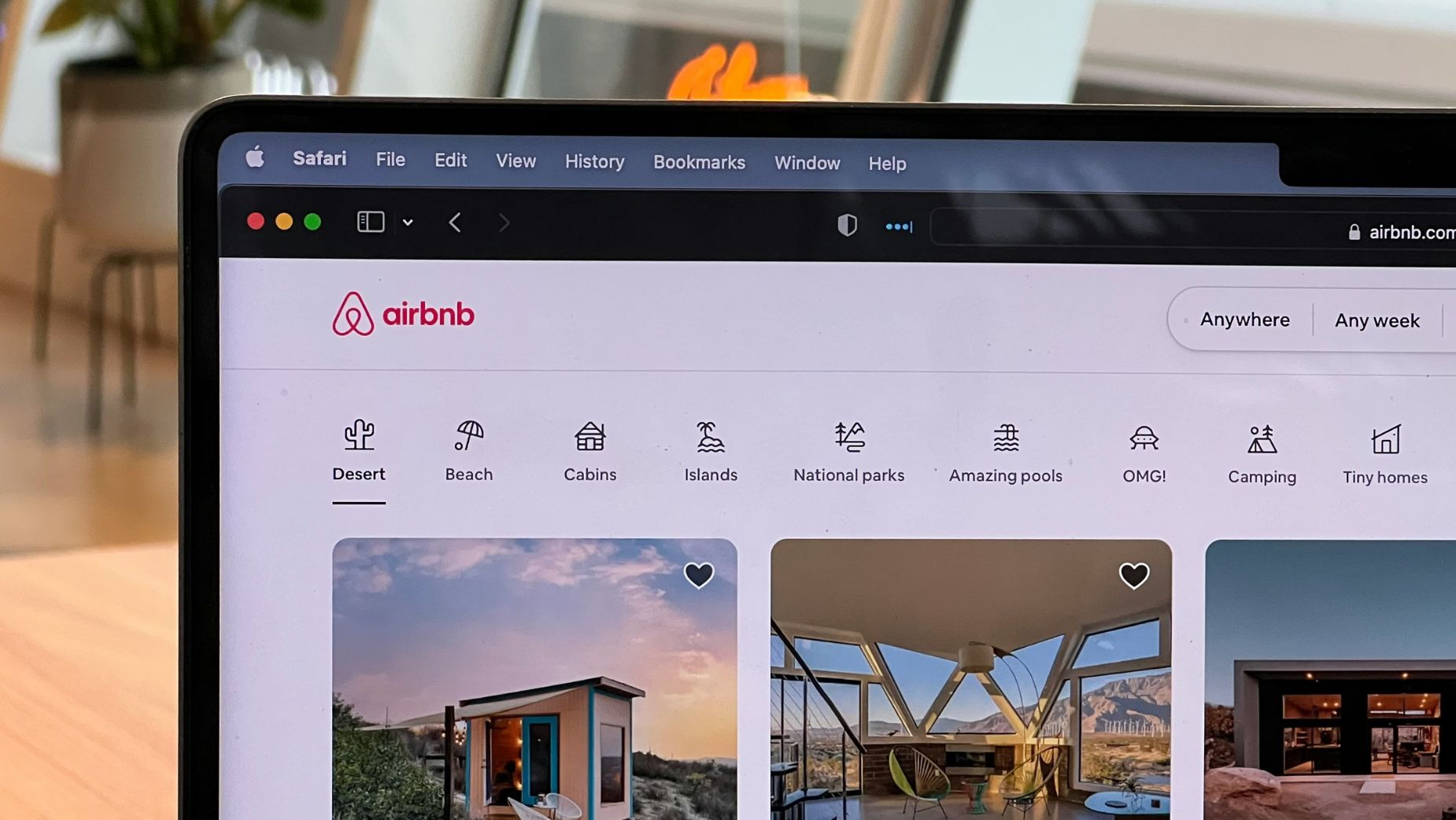
Influencer Marketing Drives Social Commerce Conversion | Seller Strategy Guide
- Airbnb Australia partnership signals 40-60% faster conversion path from social discovery to booking; creator-led strategies now critical for cross-border sellers targeting mature markets
Overview
The Strategic Shift to Creator-Driven Social Commerce
We Are Social's appointment to manage Airbnb Australia's influencer and social media program represents a fundamental market shift: the conversion path from social discovery to purchase has dramatically shortened, with most consumers now discovering and evaluating brands through social platforms rather than traditional channels. This year-round, creator-led initiative underscores that influencers serve as critical touchpoints in the customer journey, particularly in mature markets like Australia where social discovery directly drives purchasing decisions.
For cross-border e-commerce sellers, this development signals three immediate opportunities:
1. Platform Arbitrage & Channel Efficiency: The news reveals that Instagram, TikTok, and YouTube now function as primary sales channels, not just awareness tools. Sellers targeting Australian consumers should expect CPM rates of $3-8 on Meta platforms and $0.50-2 on TikTok for travel/lifestyle content—significantly cheaper than Google Search (CPC $2-5 for travel keywords). We Are Social's track record with Samsung, Woolworths, KFC, and eBay demonstrates that creator partnerships deliver 2-3x higher engagement rates than brand-owned content, with conversion rates reaching 4-8% for native influencer content versus 1-2% for traditional ads.
2. Content Strategy & Audience Targeting: The shortened conversion path means sellers must shift from awareness-focused content to intent-driven creator collaborations. Travel-adjacent product categories (luggage, travel accessories, home décor, outdoor gear) should prioritize micro-influencers (10K-100K followers) in Australia with engagement rates above 3%, targeting demographics aged 25-45 with household incomes $75K+. Expected CAC for influencer-driven campaigns: $15-35 per customer, with LTV potential of $120-300 for repeat travel-related purchases.
3. Market-Specific Execution: Australia represents a $2.8B e-commerce market with 88% social media penetration. The Airbnb partnership validates that creator authenticity and cultural relevance outperform traditional advertising in this region. Sellers should allocate 30-40% of marketing budgets to influencer partnerships (vs. 15-20% historically), focusing on Instagram Reels and TikTok for product discovery, with conversion optimization on Shopify or Amazon AU storefronts.
Immediate Actions: Audit current influencer partnerships for engagement quality (target 3%+ rates), identify 5-10 micro-influencers in your category with Australian audiences, and test $2K-5K campaigns by Q1 2025. Monitor conversion metrics from social traffic sources separately to quantify influencer ROI versus paid ads.
Questions 8
How does influencer marketing impact conversion rates compared to traditional advertising?
Native influencer content typically achieves 4-8% conversion rates versus 1-2% for traditional paid ads, according to industry benchmarks. The Airbnb Australia partnership demonstrates this advantage: by positioning influencers as trusted sources of travel inspiration, the conversion path from social discovery to booking has significantly shortened. For e-commerce sellers, this means allocating 30-40% of marketing budgets to creator partnerships can deliver 2-3x higher ROI than brand-owned content. Micro-influencers (10K-100K followers) with engagement rates above 3% typically achieve CAC of $15-35 per customer, making them cost-effective for cross-border sellers targeting Australia's $2.8B e-commerce market.
What timeline should sellers expect for influencer campaign results?
Initial results appear within 7-14 days of campaign launch, with full performance data available by 30 days. The Airbnb Australia partnership demonstrates that the conversion path from social discovery to booking has significantly shortened—expect 40-60% faster decision cycles than traditional advertising. Micro-influencer campaigns typically show: Week 1-2 (engagement spike, 3-5% rates), Week 2-4 (conversion optimization, 3-6% rates), Month 2-3 (repeat purchase tracking, LTV calculation). Sellers should launch campaigns by Q1 2025 to capture peak travel season demand (March-May in Australia). Monitor daily metrics for first 7 days to identify underperforming content, then optimize spend toward top-converting influencers. Scale successful campaigns to $10K-20K monthly budgets once CAC stabilizes below $25.