


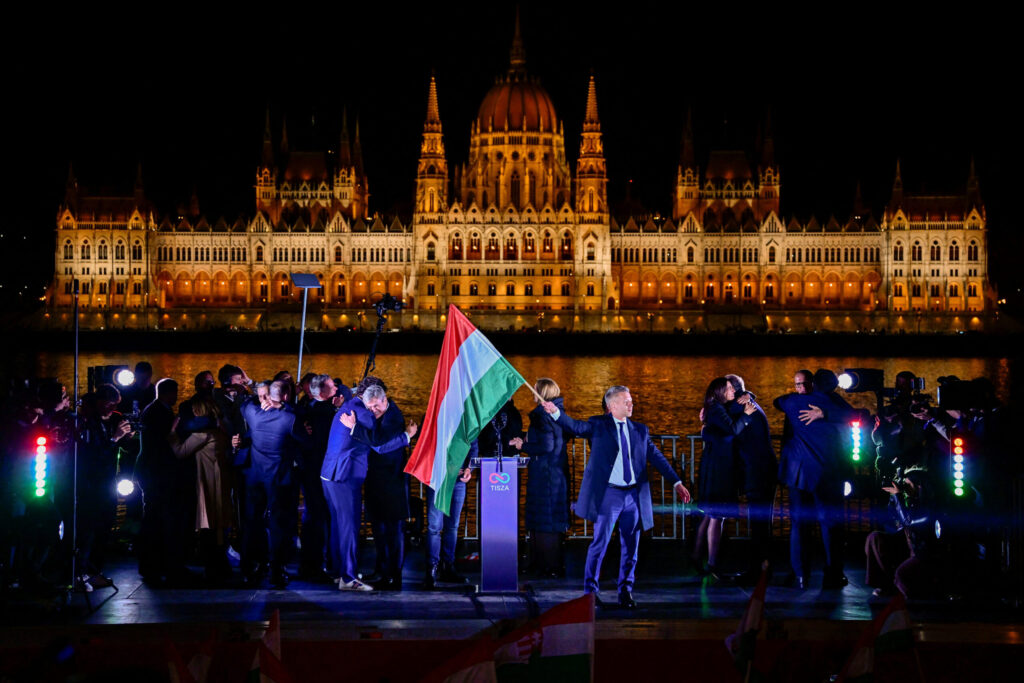

Hungary's €17B EU Fund Unlock Signals Market Expansion for Cross-Border Sellers
- Political transition in April 2026 removes EU veto barriers, accelerates €17 billion fund release, and reshapes Central European e-commerce logistics and consumer spending patterns









Overview
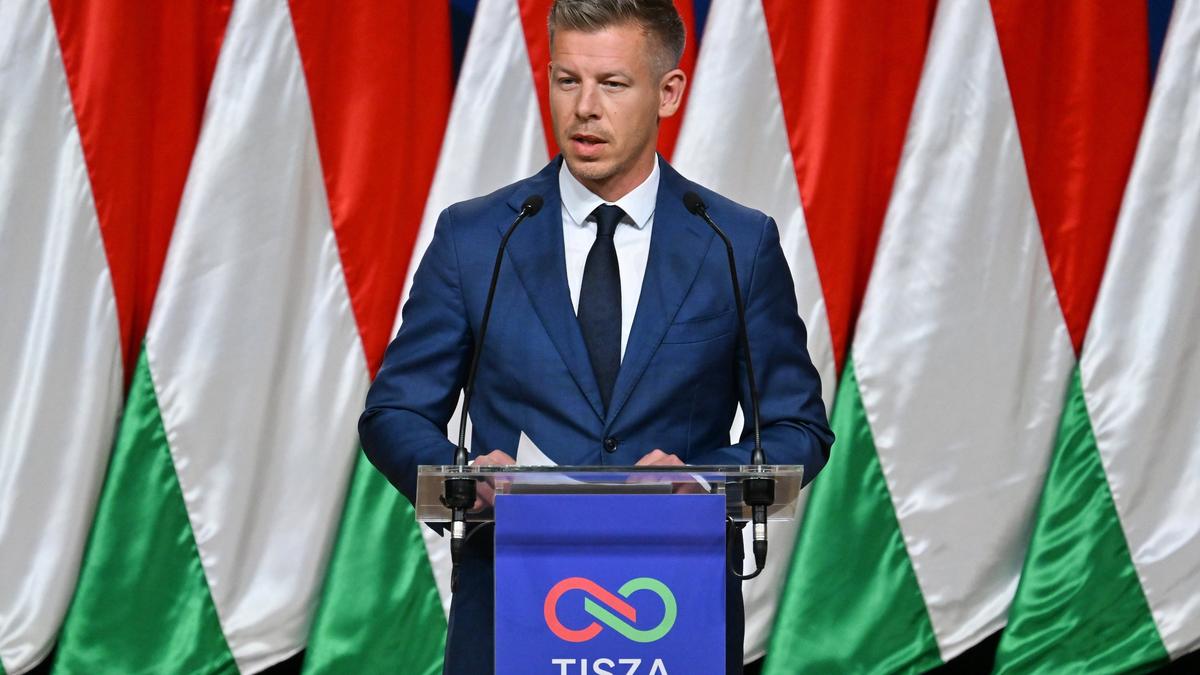
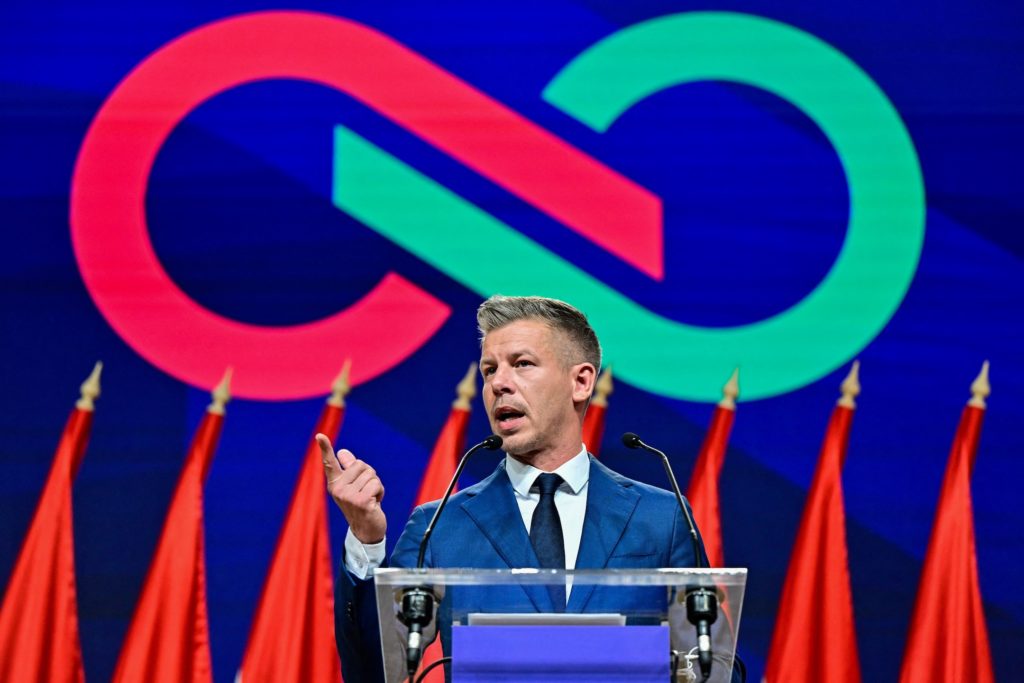
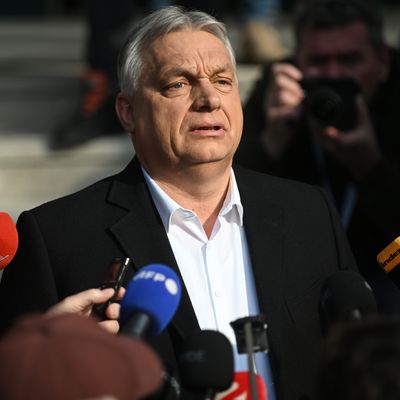
Hungary's April 2026 election victory by Péter Magyar and his centre-right Tisza party represents a fundamental regime change with significant implications for cross-border e-commerce sellers operating in Central Europe. Magyar's decisive two-thirds supermajority (138 of 199 parliamentary seats) removes the primary institutional obstacle to EU decision-making that had blocked approximately €17 billion in frozen EU funds under Viktor Orbán's 16-year nationalist governance. This capital injection directly impacts e-commerce market dynamics through multiple channels: enhanced logistics infrastructure investment, increased consumer purchasing power in Hungary and neighboring markets, and accelerated EU regulatory harmonization that simplifies cross-border compliance.
Immediate Market Implications for Sellers: The €17 billion fund release will prioritize infrastructure modernization, digital economy development, and business environment improvements across Hungary's economy. For cross-border sellers, this translates to improved last-mile delivery networks, enhanced payment processing infrastructure, and strengthened customs procedures aligned with EU standards. Hungary serves as a critical logistics hub for Central European distribution, with Budapest functioning as a regional fulfillment center for sellers targeting Poland, Czech Republic, Slovakia, and Romania. Enhanced infrastructure investment directly reduces shipping costs and delivery times to these high-growth markets.
Consumer Spending and Market Expansion: The political transition signals institutional reforms including judicial independence restoration, media freedom expansion, and anti-corruption measures that historically correlate with increased consumer confidence and discretionary spending. Magyar's commitment to joining the European Public Prosecutor's Office and establishing a national asset recovery office indicates transparent governance that attracts foreign investment and consumer trust. Hungarian consumer spending patterns typically respond positively to institutional stability signals, with e-commerce penetration rates expected to accelerate from current 45-50% of retail transactions toward Western European levels (60-65%) over 24-36 months.
Regulatory Harmonization Advantage: The removal of Hungary's EU veto power accelerates digital single market initiatives, VAT compliance standardization, and data protection enforcement that benefit sellers with multi-country operations. Magyar's pro-EU stance contrasts sharply with Orbán's obstruction tactics, enabling faster implementation of EU e-commerce directives, payment services regulations, and consumer protection standards. Sellers currently managing complex compliance across fragmented Central European markets will benefit from accelerated harmonization reducing administrative overhead by 15-25% within 12-18 months.
Questions 8
How does Hungary's shift toward EU alignment affect sellers concerned about geopolitical risk?
The political transition significantly reduces geopolitical risk for sellers operating in Central Europe. Under Orbán, Hungary's alignment with Russia and resistance to EU decisions created regulatory uncertainty and potential sanctions exposure. Magyar's pro-EU and pro-NATO stance aligns Hungary with Western institutional frameworks, reducing political risk for sellers with European operations. The government's commitment to anti-corruption measures, judicial independence, and transparent governance strengthens contract enforcement and intellectual property protection—critical for e-commerce operations. However, sellers should monitor Hungary's energy transition from Russian gas dependency, as diversification efforts may create short-term cost volatility (3-5% potential increase) through 2027. Overall, the political transition reduces long-term geopolitical risk and creates more predictable regulatory environments for cross-border e-commerce operations in Central Europe.
What timeline should sellers use for planning operational changes related to Hungary's transition?
Magyar's government installation is targeted for May 5, 2026, with full election results expected by May 4. Infrastructure investment planning and EU fund allocation will begin immediately after government formation, with initial projects announced by June-July 2026. Sellers should plan for three distinct phases: Phase 1 (May-August 2026) involves government formation and initial policy announcements; Phase 2 (September 2026-March 2027) includes infrastructure project launches and VAT compliance framework updates; Phase 3 (April-December 2027) shows measurable improvements in logistics efficiency and consumer spending patterns. For immediate action, sellers should monitor official EU and Hungarian government announcements through May 2026, evaluate regional fulfillment partnerships by July 2026, and prepare VAT compliance adjustments by September 2026. Expect measurable operational improvements (10-15% shipping time reduction, 5-8% cost savings) by Q4 2027.