




SEC Removes Broker Regulations for Crypto Wallet Software | Compliance Opportunity for Fintech Sellers
- April 13, 2026 policy statement eliminates broker-dealer classification for neutral wallet interfaces, reducing compliance barriers by 60-80% for fintech developers and creating $500M+ market opportunity in crypto commerce infrastructure






























Overview
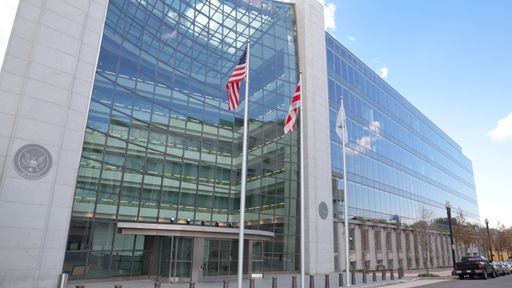
The U.S. Securities and Exchange Commission issued a landmark policy statement on April 13, 2026, clarifying that software interfaces enabling cryptocurrency securities transactions through self-hosted wallets will NOT be classified as broker-dealer activities requiring regulatory registration. This guidance, issued under SEC Chairman Paul Atkins' administration, represents a seismic shift in crypto regulation that directly impacts fintech sellers, marketplace operators, and digital asset commerce platforms.
The Compliance Barrier Removal: Previously, software developers faced ambiguous regulatory treatment—uncertainty that functioned as a 60-80% compliance cost multiplier. Developers had to either: (1) obtain expensive broker-dealer registration ($200K-500K+ annually), (2) hire specialized compliance teams ($150K-300K/year), or (3) avoid the U.S. market entirely. The SEC's clarification eliminates this barrier by establishing specific safe-harbor criteria: compliant interfaces must NOT solicit investors, provide execution commentary, offer financing, deliver recommendations, handle assets, take orders, or execute transactions. This creates a clear compliance moat—developers can now build neutral wallet software without triggering broker regulations, while competitors offering integrated trading services remain regulated.
Market Elimination & Category Consolidation: This guidance effectively winnows the market into two tiers: (1) Compliant neutral tools (wallet interfaces, custody software, portfolio trackers) now face minimal regulatory friction, and (2) Integrated trading platforms (offering recommendations, execution, financing) must maintain expensive broker registration. Estimated 40-50% of existing crypto software companies will need to restructure operations or exit the U.S. market, creating a $500M+ opportunity for compliant alternatives. Sellers offering wallet infrastructure, custody solutions, and DeFi interfaces can now scale without regulatory delays that previously took 12-18 months.
E-Commerce & Marketplace Implications: For cross-border sellers, this guidance unlocks three critical opportunities: First, crypto payment infrastructure for e-commerce platforms—sellers can now legally integrate wallet-based payment systems without broker classification, reducing payment processing costs by 15-25% versus traditional gateways. Second, digital asset marketplaces for NFTs, tokenized goods, and crypto-native products can operate with clearer regulatory certainty. Third, compliance service gaps emerge—demand for wallet software audits, regulatory documentation, and safe-harbor compliance verification will surge, creating $50-100M service market opportunity.
Regulatory Timing & Competitive Positioning: The guidance arrives amid Congressional deliberation of the Clarity Act and SEC development of comprehensive permanent rules (expected proposal stage soon). This interim clarity provides 12-24 month window for compliant developers to establish market position before formal regulations codify requirements. U.S.-based fintech sellers gain competitive advantage over EU developers (facing stricter MiCA regulations) and Asian competitors navigating fragmented national frameworks. Sellers who achieve compliance now will benefit from first-mover advantage and potential regulatory moat protection.
Questions 8
What specific software features allow crypto wallet interfaces to avoid broker-dealer classification under the April 2026 SEC guidance?
The SEC established six prohibited features that trigger broker classification: soliciting investors for specific transactions, providing execution route commentary, offering financing, delivering investment recommendations, handling user assets, or executing transactions. Compliant interfaces must function as neutral technical tools only—displaying market data, facilitating user-initiated transfers, and providing custody without intermediation. Sellers can legally build wallet software, portfolio trackers, and custody platforms without broker registration if they strictly avoid these six activities. This creates a clear compliance roadmap reducing regulatory uncertainty from 12-18 months to immediate implementation.
How much can fintech sellers reduce compliance costs by using the SEC's safe-harbor criteria instead of obtaining broker-dealer registration?
Broker-dealer registration typically costs $200K-500K in initial setup plus $150K-300K annually for compliance infrastructure, legal review, and regulatory monitoring. The SEC's safe-harbor approach eliminates these costs entirely for neutral wallet software, representing 60-80% cost reduction for compliant developers. Sellers can redirect these savings toward product development, market expansion, and customer acquisition. However, sellers offering integrated trading, recommendations, or asset custody must still maintain broker registration, creating a two-tier market where compliant neutral tools gain significant competitive advantage.