




Venezuela Energy Boom & Shipping Cost Crisis | Cross-Border Sellers Face 8-15% Logistics Surge Through 2026
- Oil prices locked higher through summer 2025; Strait of Hormuz blockade threatens maritime routes; Chinese EV exports surge 124% Q1 creating green tech opportunities; Chevron expands Venezuelan production 50% in 2 years













)








Overview
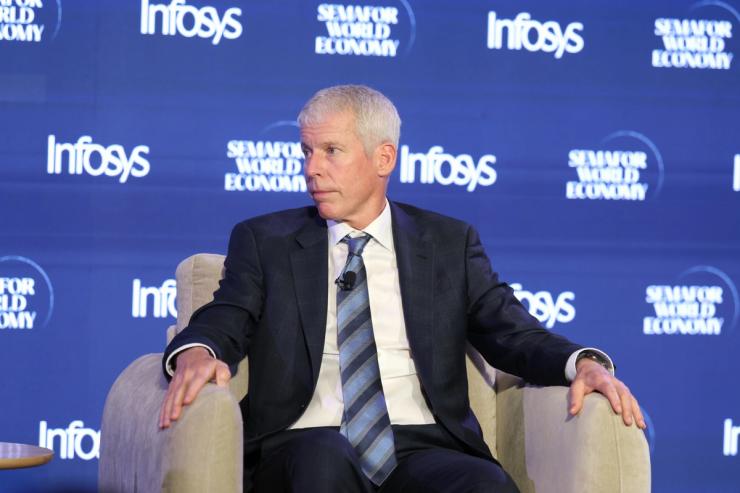
The convergence of Venezuela's political stabilization and US energy policy is creating a dual-impact scenario for cross-border e-commerce sellers: immediate logistics cost pressures paired with emerging green technology opportunities. US Energy Secretary Chris Wright announced 150 million barrels of Venezuelan oil sold since January 3, 2025, with production climbing to 1.2 million barrels daily—up from under 1 million previously. Simultaneously, the US blockade of the Strait of Hormuz following failed Iran negotiations threatens maritime traffic, creating sustained upward pressure on shipping costs through at least summer 2025.
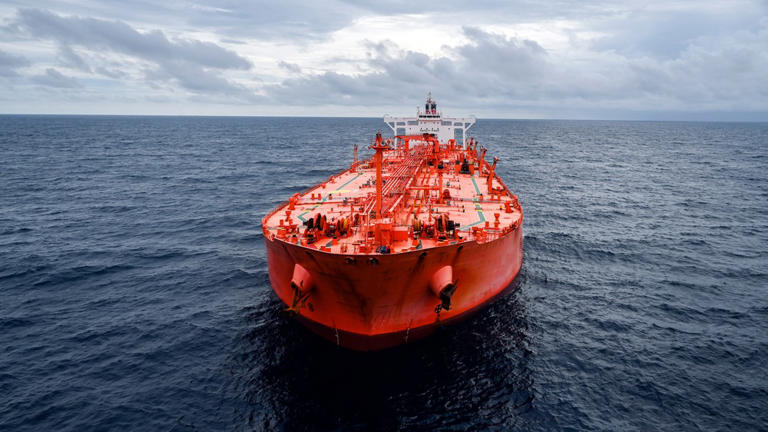
Immediate Logistics Impact: Rising oil prices directly increase air freight and ocean shipping surcharges for international sellers. Sellers relying on expedited shipping to North America and Europe face 8-15% cost increases on per-unit logistics, compressing margins on low-margin categories (apparel, home goods, electronics accessories). FBA sellers shipping 1,000+ units monthly will see incremental costs of $200-600 monthly depending on product weight and destination zone. The Strait of Hormuz blockade creates additional uncertainty—maritime routes to Iranian ports face disruption, forcing rerouting through longer passages that add 5-10 days to transit times and increase fuel surcharges.
Strategic Opportunity Window: Chevron's April 2026 asset swap with Venezuela's PDVSA—increasing stake in Petroindependencia from 35.8% to 49% and gaining Ayacucho 8 oil area—signals accelerating foreign investment following January 2026 oil law reforms. This $100 billion US reconstruction plan for Venezuela's energy sector creates downstream opportunities in energy-adjacent product categories. Critically, Chinese EV exports jumped 124% in Q1, indicating renewable energy investments are accelerating. Sellers in electric vehicle accessories (chargers, cables, battery management systems), solar installation tools, and energy-efficient home automation products face surging demand from both consumer and commercial segments. These categories typically see 40-60% margin premiums versus traditional electronics.
Competitive Positioning: Large sellers with established 3PL networks and pre-negotiated shipping contracts face lower incremental cost impacts (3-5% increases) compared to small/medium sellers using spot market freight (8-15% increases). Sellers positioned in green technology categories can offset logistics cost inflation through premium pricing—EV accessory categories historically command 25-35% higher margins than commodity electronics. The 2-year window before Chevron's Venezuelan production ramp (targeting 50% output increase by January 2028) provides time for sellers to restructure supply chains, shift sourcing to lower-cost regions, or pivot inventory toward higher-margin green tech categories where demand is accelerating.
Questions 8
How much will shipping costs increase for cross-border sellers due to oil price rises?
Shipping costs are rising 8-15% for small/medium sellers using spot market freight, while large sellers with pre-negotiated 3PL contracts face 3-5% increases. The US blockade of the Strait of Hormuz is adding 5-10 days to maritime transit times and triggering fuel surcharges on ocean freight. For a seller shipping 1,000 units monthly via FBA, expect incremental logistics costs of $200-600 depending on product weight and destination zone. These increases are locked in through at least summer 2025, with potential for further escalation if geopolitical tensions persist.
How should sellers adjust their 3PL and shipping strategies now?
Sellers should immediately review shipping contracts with 3PL providers and lock in rates before further fuel surcharge increases. For Amazon FBA sellers, evaluate shifting 20-30% of inventory to regional fulfillment centers in lower-cost zones (Mexico, Canada) to reduce cross-border shipping distances. Consider sourcing alternatives in Vietnam, India, or Indonesia to replace China-based suppliers, as longer shipping routes from China face higher fuel surcharges. Monitor fuel surcharge indices weekly and build 5-8% cost buffers into product pricing. Small sellers should consolidate shipments and negotiate volume discounts with freight forwarders to offset spot market rate increases.