




Strait of Hormuz Blockade Reshapes Global Shipping Costs | E-Commerce Logistics Crisis 2026
- 21% of global petroleum disrupted; energy costs rising 15-25% for cross-border sellers; Asia-dependent supply chains face 3-6 week delays and margin compression


















Overview
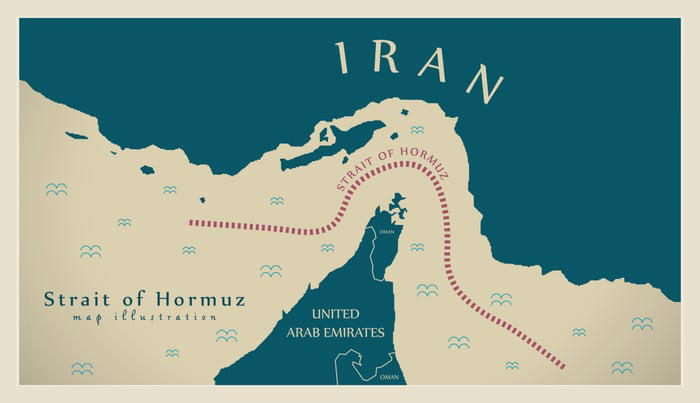
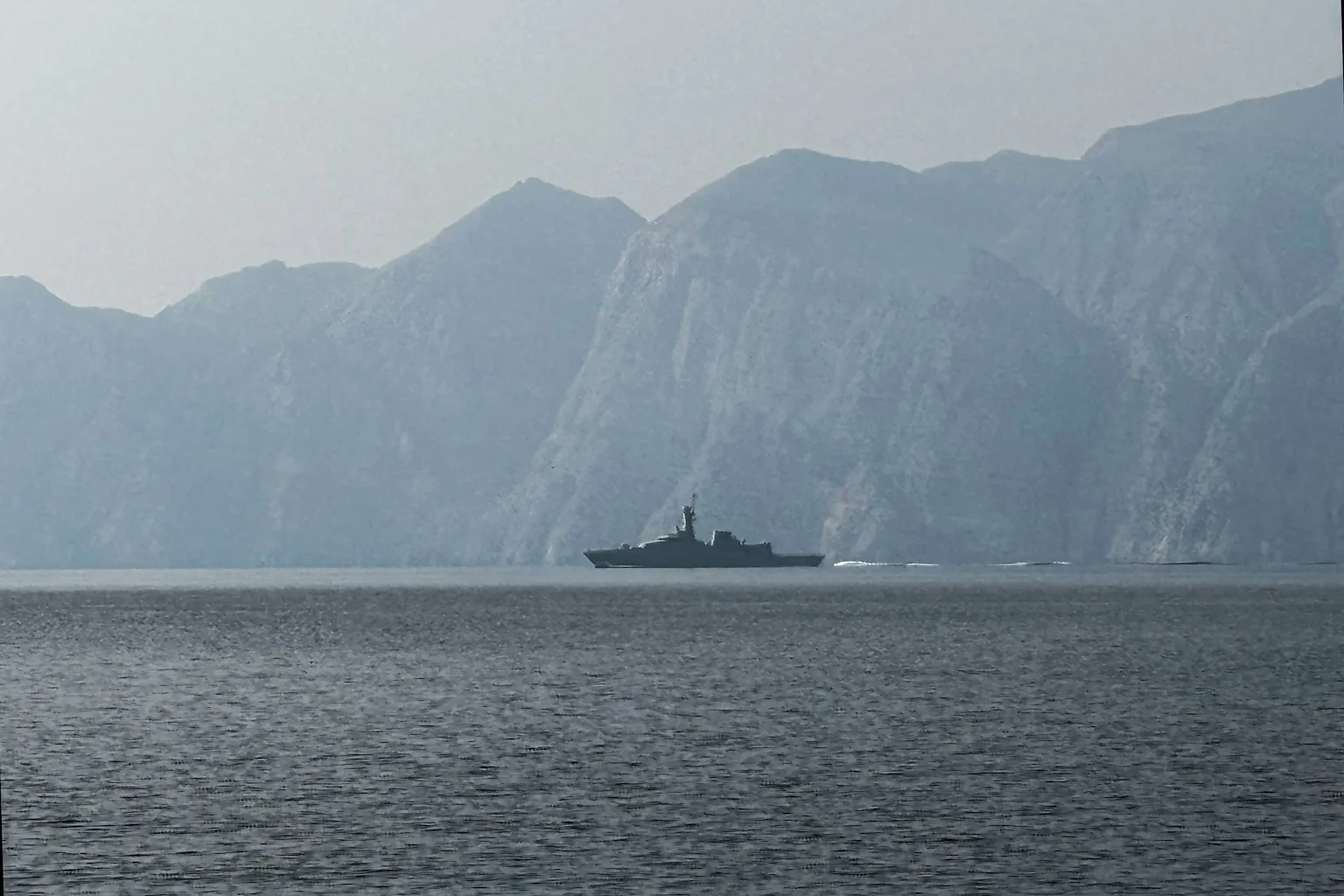
The US military blockade of Iranian ports initiated April 2026 represents a critical geopolitical disruption affecting cross-border e-commerce logistics and operational costs globally. The Strait of Hormuz, through which approximately 21% of global petroleum transits daily, has become a contested maritime chokepoint following failed US-Iran nuclear negotiations. Brent crude prices fluctuated between $97.40-$100+ per barrel as diplomatic signals alternated between peace talks and military escalation, creating supply chain uncertainty for e-commerce sellers dependent on Asian manufacturing and Middle Eastern shipping routes.
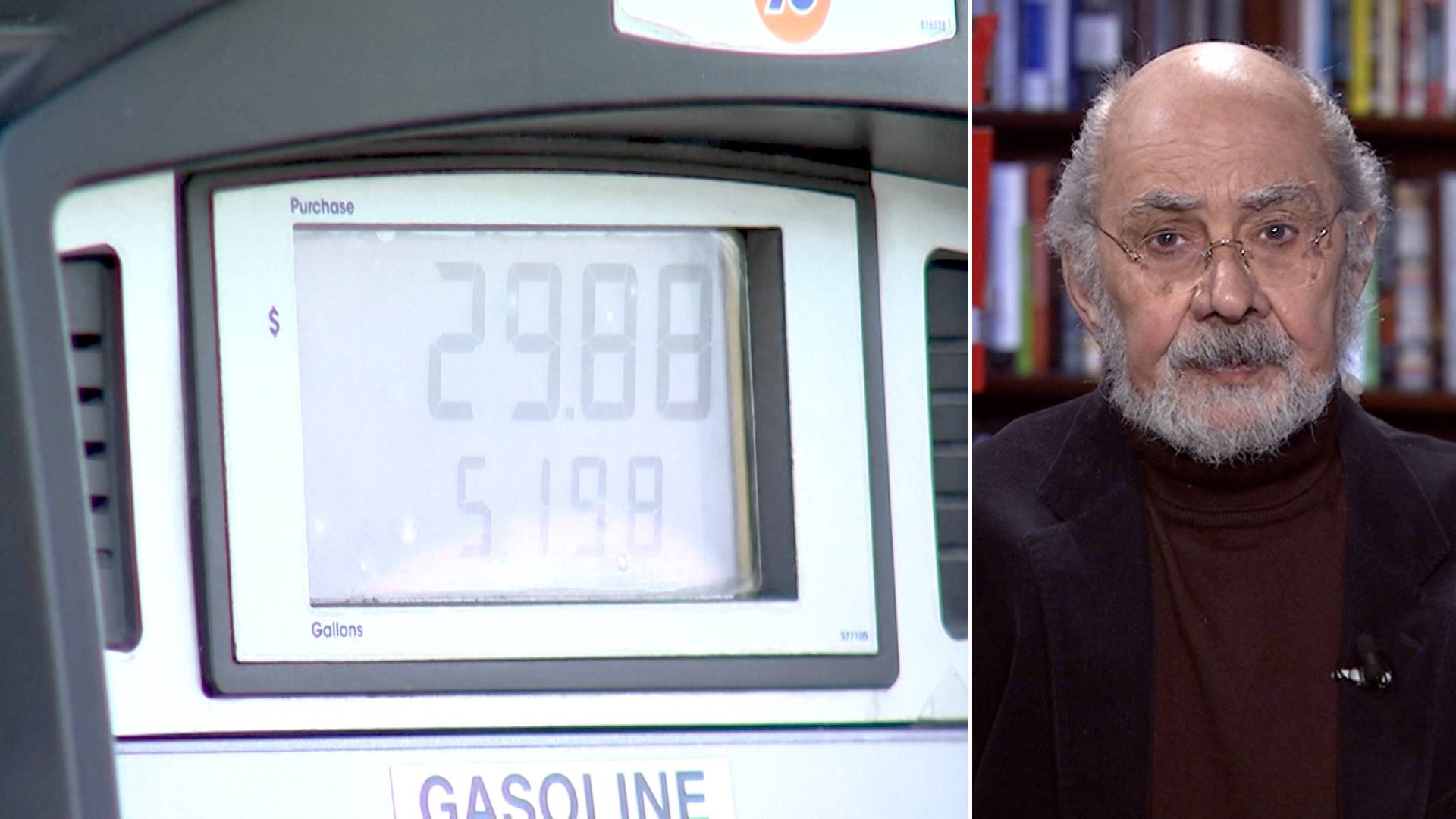
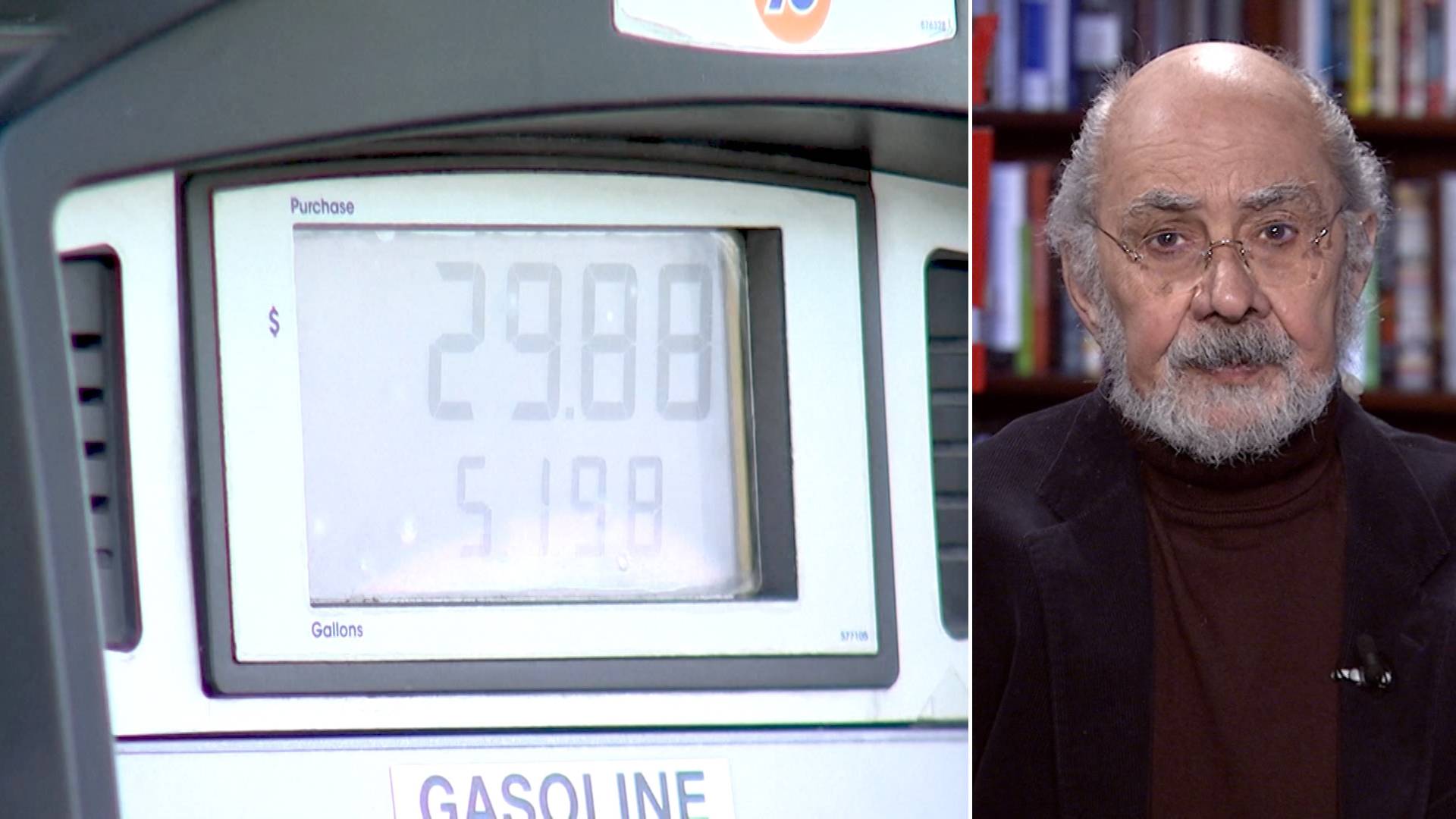
Energy Cost Impact on E-Commerce Operations: Industry analysts confirm that energy costs constitute 15-25% of logistics expenses for cross-border sellers. The blockade targeting approximately 1.7-2 million barrels of Iranian oil daily (previously flowing to China) has triggered immediate cost pressures across air and sea freight corridors. Sellers operating in energy-intensive sectors—electronics, heavy goods, perishables—face acute margin compression. For example, a seller shipping 1,000 units monthly from Vietnam to US markets could experience $2,000-4,000 monthly cost increases in logistics alone, directly impacting quarterly profitability and pricing strategies.
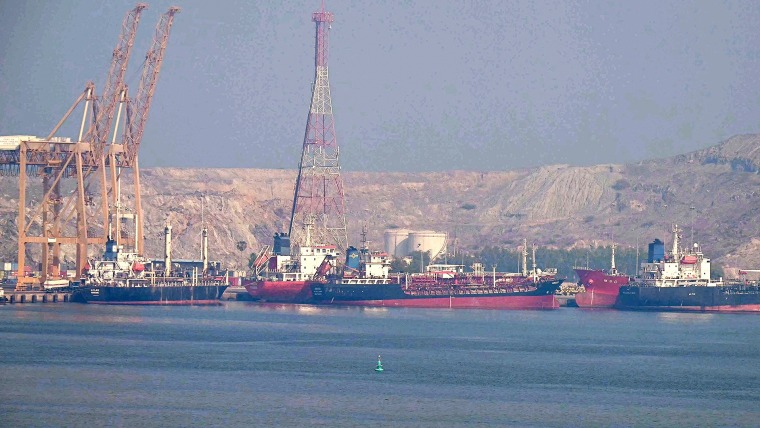
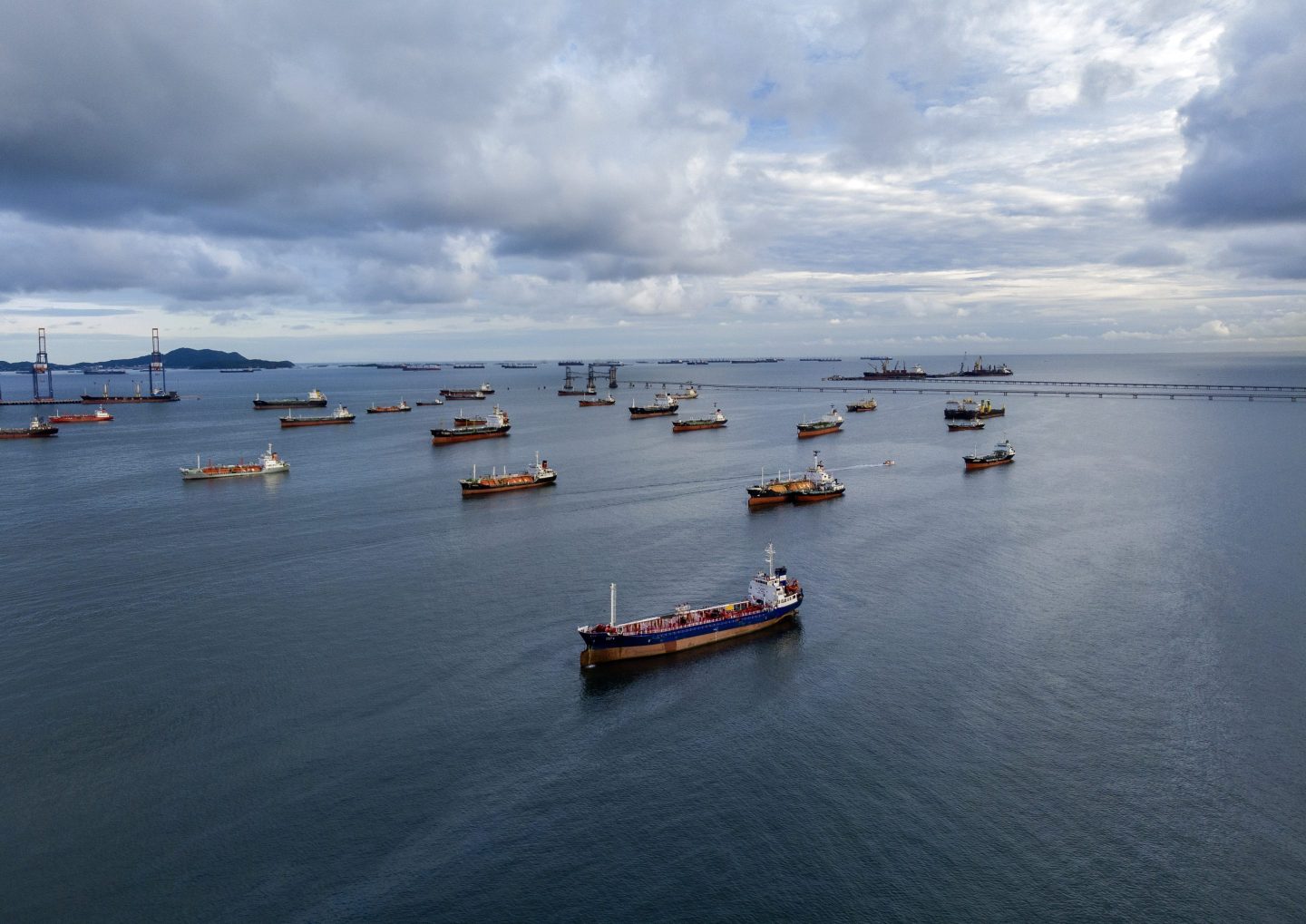
Bifurcated Market Dynamics: The blockade creates divergent competitive advantages. US-based sellers utilizing American energy infrastructure and domestic sourcing gain cost advantages, while Asia-Pacific sellers sourcing from or shipping to Asian markets face elevated energy costs and extended transit times (3-6 week delays reported). This geopolitical action fundamentally disrupts established trade routes, with over 70 supertankers redirected to load American crude exports, signaling a structural shift in global energy flows. The uncertainty regarding blockade duration and diplomatic resolution creates planning challenges for quarterly forecasting and margin calculations, requiring sellers to reassess 3PL partnerships and pricing strategies immediately.
Diplomatic Uncertainty and Timeline Risk: While US-Iran peace talks remain ongoing with potential second-round face-to-face negotiations, US Energy Secretary Chris Wright stated oil prices may peak within weeks until meaningful ship traffic restoration occurs. This creates a critical 4-12 week window of elevated costs before potential normalization. Sellers must monitor diplomatic developments closely, as any escalation could trigger further freight cost increases, longer inventory holding periods, and potential supply chain disruptions affecting inventory management and cash flow.
Questions 7
How much will the Strait of Hormuz blockade increase shipping costs for cross-border sellers?
Energy costs constitute 15-25% of logistics expenses for cross-border sellers, and the blockade targeting 1.7-2 million barrels of Iranian oil daily is creating immediate cost pressures. Sellers shipping from Asia face 3-6 week delays and potential cost increases of $2,000-4,000 monthly for standard 1,000-unit shipments. Brent crude prices fluctuated between $97.40-$100+ per barrel during the blockade period, with US Energy Secretary Chris Wright indicating prices may peak within weeks before normalization. Sellers in energy-intensive sectors (electronics, heavy goods, perishables) experience the most acute margin compression. Immediate action: Review current 3PL contracts for fuel surcharge clauses and negotiate volume commitments before costs escalate further.
How should sellers adjust pricing strategies during the blockade period?
Sellers must immediately reassess pricing strategies to account for 15-25% energy cost increases in logistics. For products with 30-40% gross margins, a $2,000-4,000 monthly cost increase on 1,000-unit shipments compresses margins by 5-8 percentage points. Recommended approach: Implement dynamic pricing reflecting fuel surcharges (2-5% increases), renegotiate supplier contracts to shift costs upstream, and consider temporary price increases on energy-intensive categories (electronics, heavy goods, perishables). Sellers with Amazon FBA should review fulfillment fees and consider shifting 20-30% inventory to regional 3PL providers in lower-cost zones. Action: Update product pricing within 7 days, communicate shipping delays (3-6 weeks) to customers, and lock in 3PL rates for Q2-Q3 2026 before further escalation.