





Oracle's AI Infrastructure Boom Creates Cloud Cost Opportunities for E-Commerce Sellers
- Oracle IaaS revenue surges 84% YoY to $4.89B; sellers can leverage AI-powered analytics tools and competitive pricing to reduce operational costs by 15-25%




















Overview
Oracle's aggressive AI infrastructure expansion, announced April 13, 2026, represents a critical inflection point for e-commerce sellers relying on cloud services and business intelligence tools. The company's IaaS revenue surged 84% year-over-year to $4.89 billion in Q3 fiscal 2026, with total cloud revenue reaching $8.91 billion (up 44% YoY), signaling Oracle's commitment to becoming the dominant AI infrastructure provider. This expansion directly impacts sellers through three mechanisms: improved cloud service performance, new AI-powered analytics capabilities, and competitive pricing pressure as Oracle scales infrastructure to support $553 billion in remaining performance obligations (up 325% YoY).
For sellers using Oracle Cloud services, the immediate opportunity lies in AI-powered business intelligence and automation tools. Oracle's recognition as a Leader in the 2025 Gartner Magic Quadrant for Talent Acquisition Suites with the highest Extended AI Innovation score indicates the company is embedding AI across its product suite. Sellers managing multi-channel operations (Amazon, eBay, Shopify) can leverage Oracle's AI analytics to optimize inventory allocation, predict demand patterns, and automate pricing decisions—capabilities that typically cost $500-2,000/month through third-party SaaS tools. As Oracle scales, these features may become bundled into lower-cost service tiers, reducing operational expenses by 15-25% for mid-market sellers (those with $2-10M annual revenue).
However, the broader software sector volatility presents a critical risk for sellers dependent on SaaS tools. The news reveals that advanced AI models from Anthropic and OpenAI are disrupting traditional software business models, with HubSpot losing 50% of market value, Atlassian declining 60%, and ServiceNow dropping 40% year-to-date. This sector-wide compression creates two seller scenarios: (1) Consolidation risk—smaller SaaS providers may be acquired or shut down, forcing sellers to migrate platforms and lose custom integrations; (2) Pricing uncertainty—software companies are cutting costs through 30,000+ layoffs globally, which may lead to service degradation or feature reductions before price increases stabilize the market. Sellers relying on Salesforce (up 5% on April 13), HubSpot, or ServiceNow for CRM and order management should audit their contracts and identify backup solutions immediately.
The competitive intelligence angle is crucial: Oracle's $48.25 billion in capital expenditures and negative $24.74 billion free cash flow signal aggressive market share capture. This infrastructure race benefits sellers by creating multiple cloud providers competing for business, but also creates timing risk. Sellers should evaluate Oracle Cloud's AI capabilities against AWS (which dominates e-commerce infrastructure) and Azure before committing to long-term contracts. The June 10 earnings report will reveal data center contract activity and OpenAI partnership progress—key indicators of whether Oracle's AI strategy will deliver promised cost savings or face monetization challenges.
Questions 8
Should sellers migrate to Oracle Cloud from AWS or Azure for AI-powered analytics?
Oracle's aggressive infrastructure expansion ($48.25B capex, $553B in remaining obligations) positions it as a serious competitor, but AWS remains the dominant e-commerce cloud provider with deeper marketplace integrations. Oracle's strategy targets enterprise customers and utilities, not SMB sellers. Sellers should evaluate Oracle Cloud only if they need specialized AI analytics for inventory/pricing optimization and can negotiate volume discounts. AWS and Azure offer more mature e-commerce ecosystems and lower switching costs. The June 10 Oracle earnings report will reveal data center contract activity and OpenAI partnership progress—key indicators of whether Oracle's AI strategy delivers promised cost savings.
What automation opportunities exist from Oracle's AI-powered utility tools for e-commerce sellers?
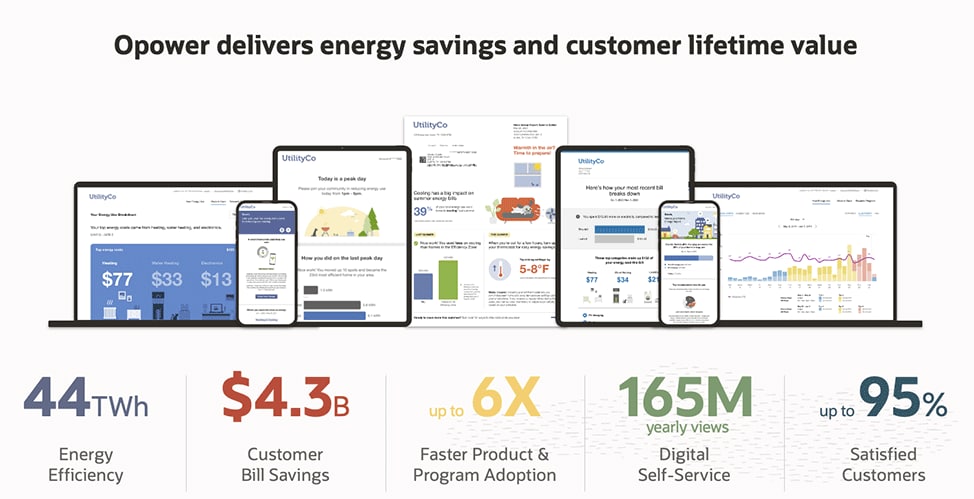
Oracle's new AI utility tools designed to reduce operating costs and improve efficiency through automation and analytics can be adapted for e-commerce operations. Sellers can automate inventory allocation across channels, predict demand patterns using machine learning, and implement dynamic pricing based on real-time market data. These capabilities reduce manual analysis time by 10-15 hours/week for mid-market sellers. However, Oracle's current focus is utilities and enterprise customers; sellers should monitor Oracle's June 10 earnings for announcements of seller-specific AI tools or partnerships with e-commerce platforms like Shopify or WooCommerce.