


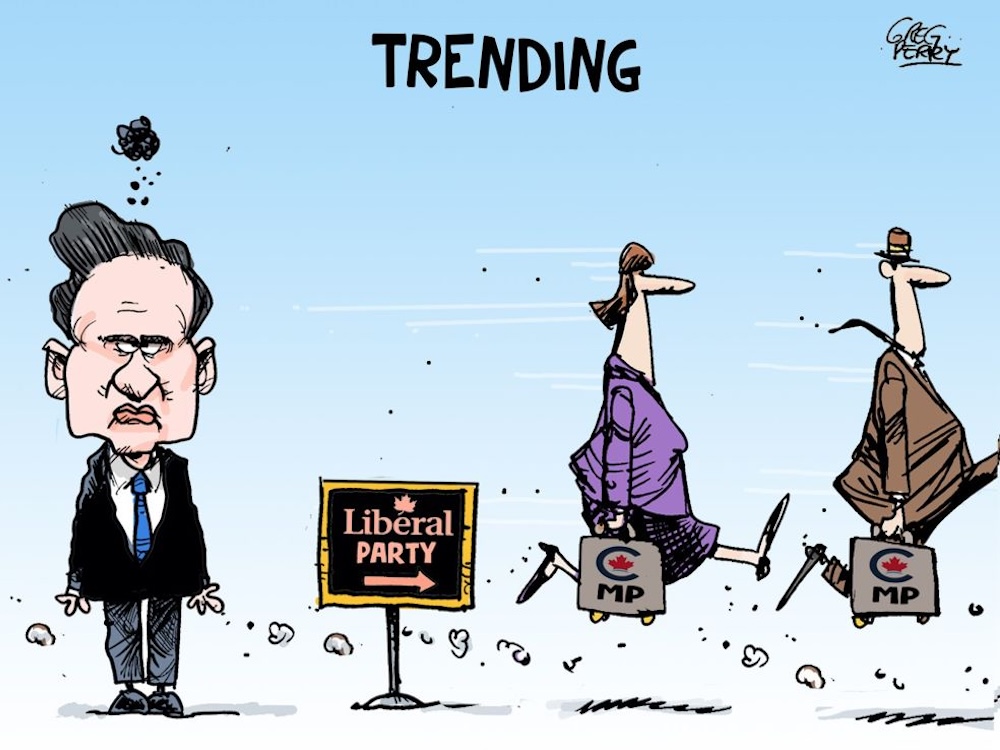

Canada-US Tariff Escalation Risk | Cross-Border Sellers Face Supply Chain Disruption
- Majority government enables aggressive trade policy; sellers shipping to Canada face 8-15% tariff increases; inventory routing and pricing strategies require immediate adjustment















Overview
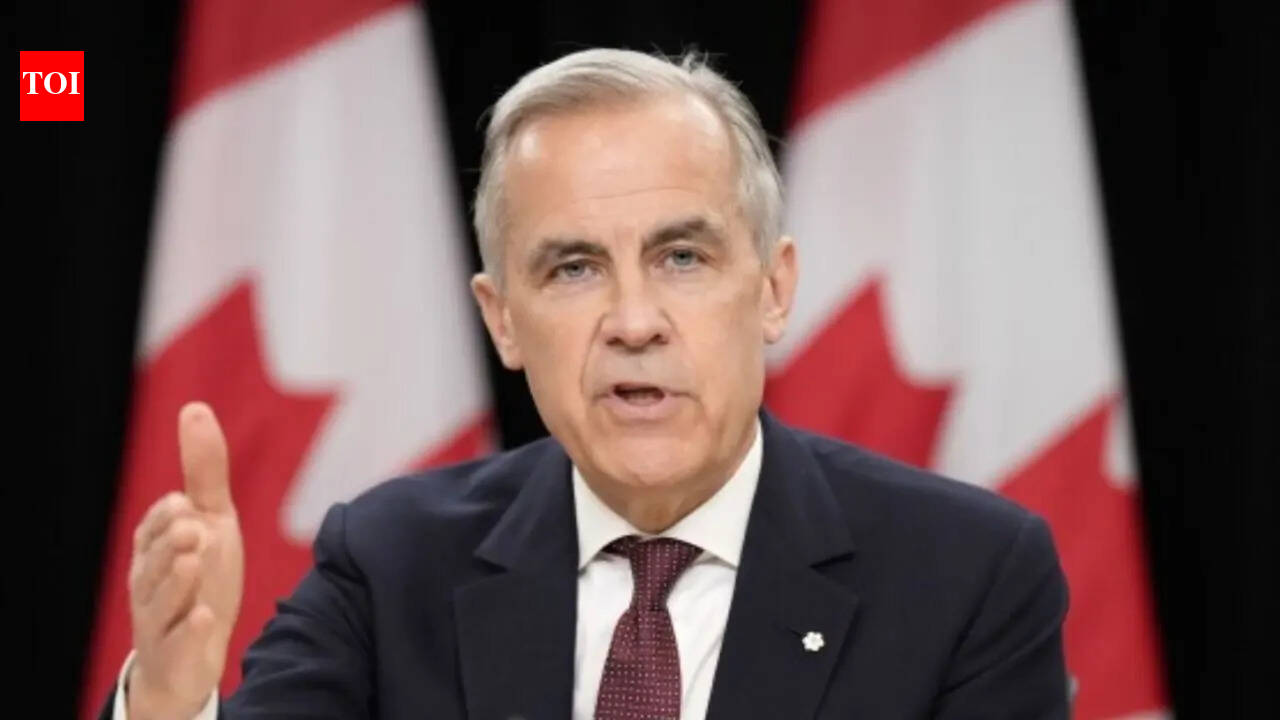
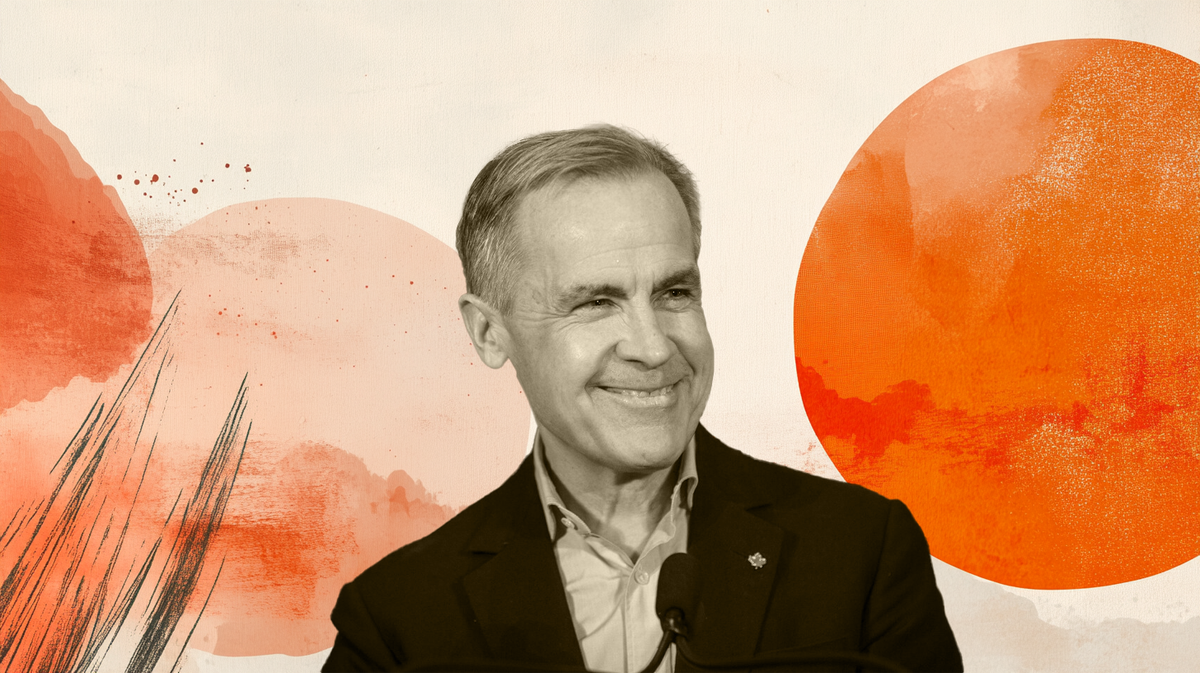
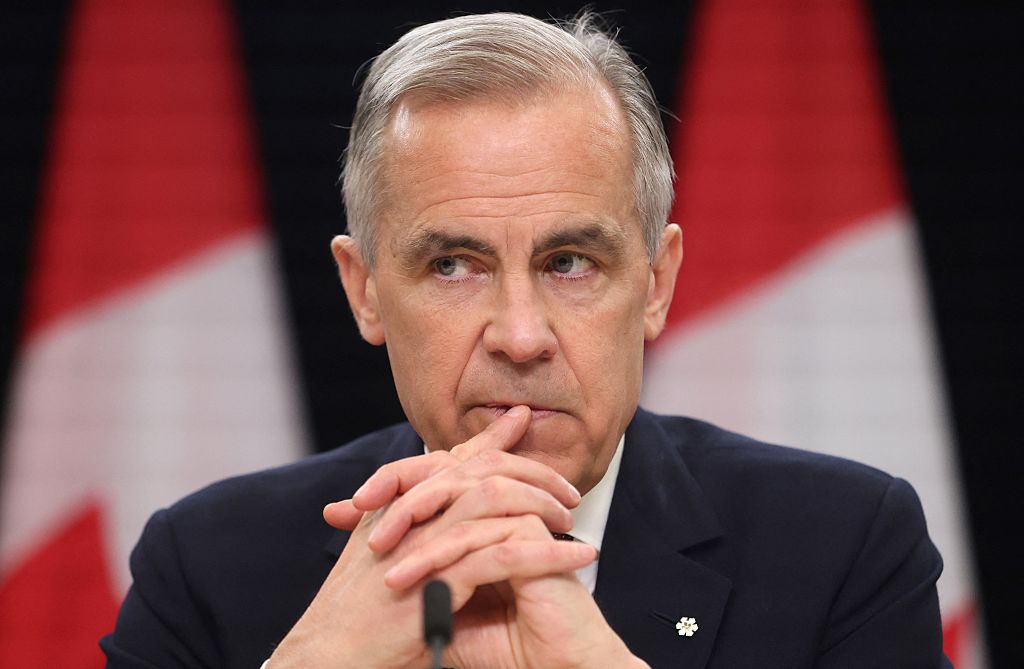
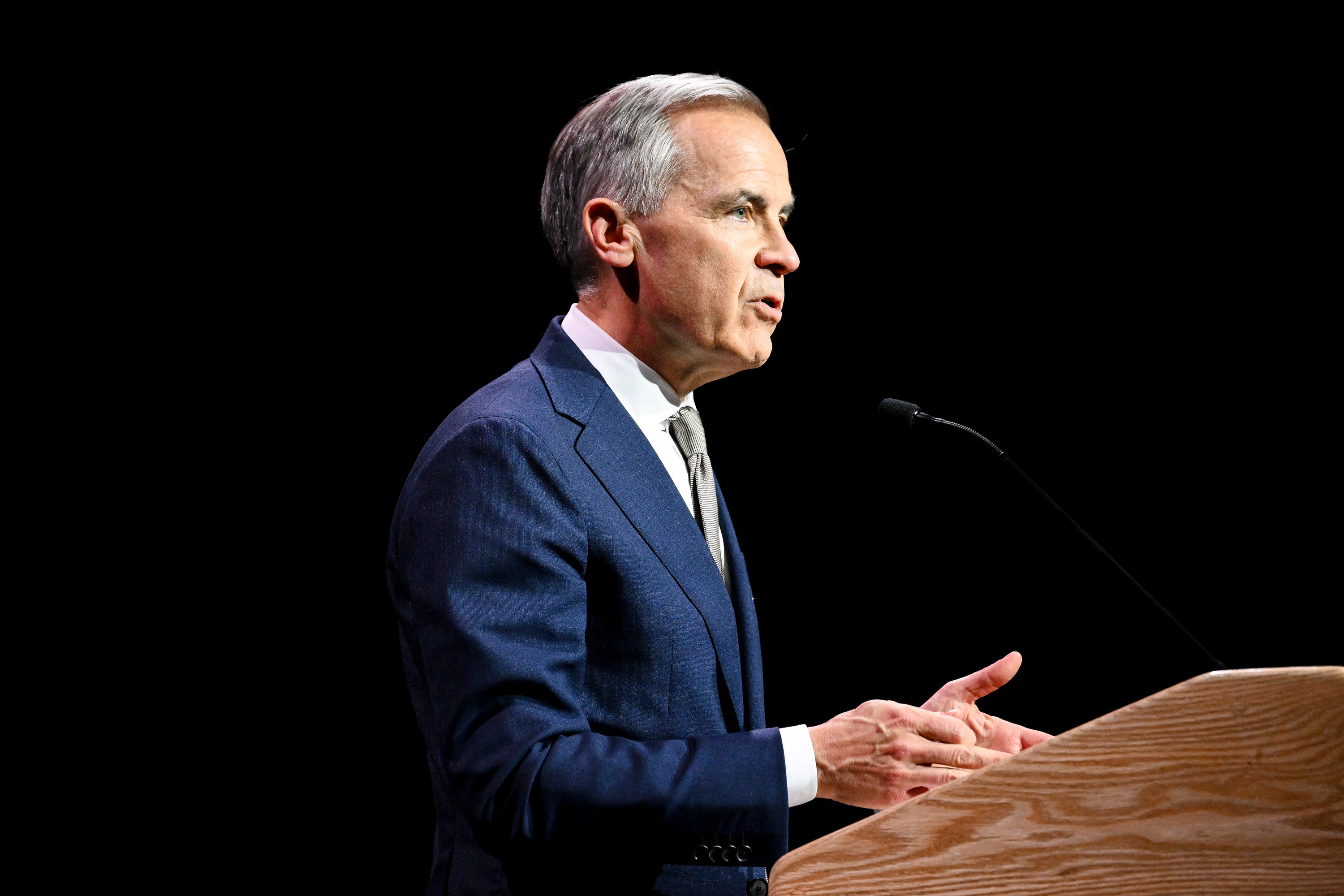
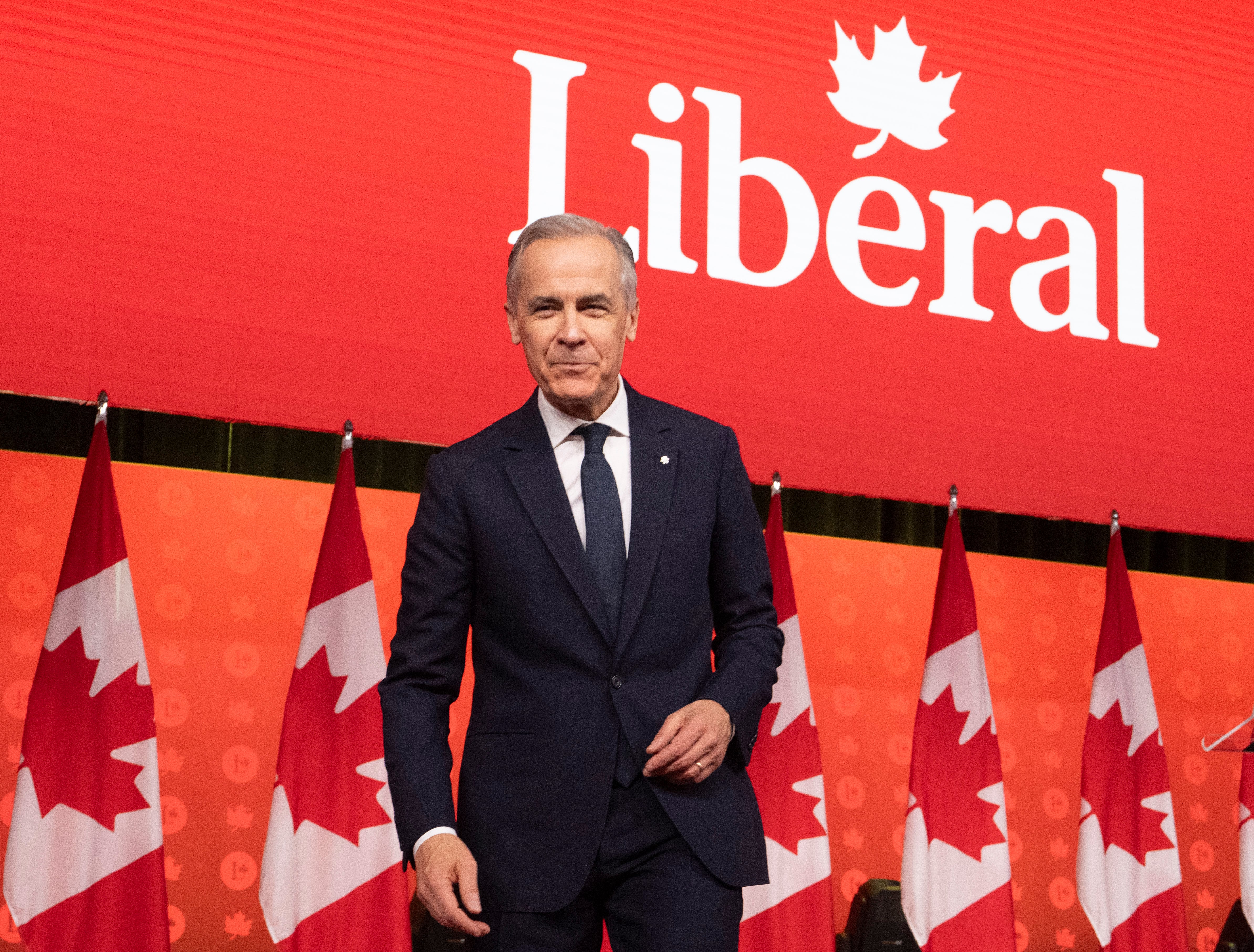
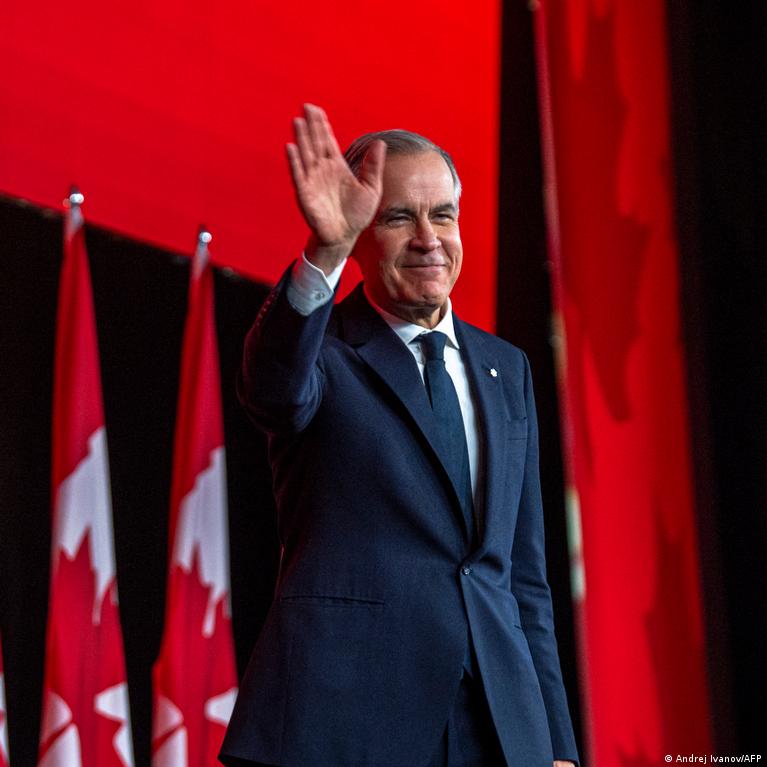
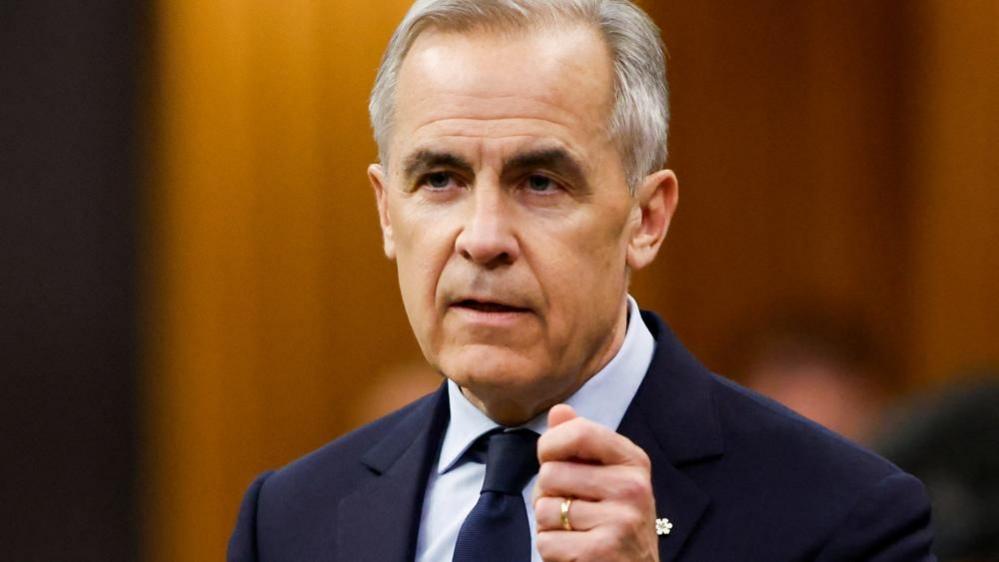
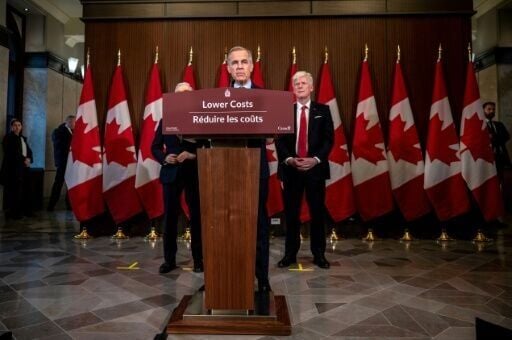
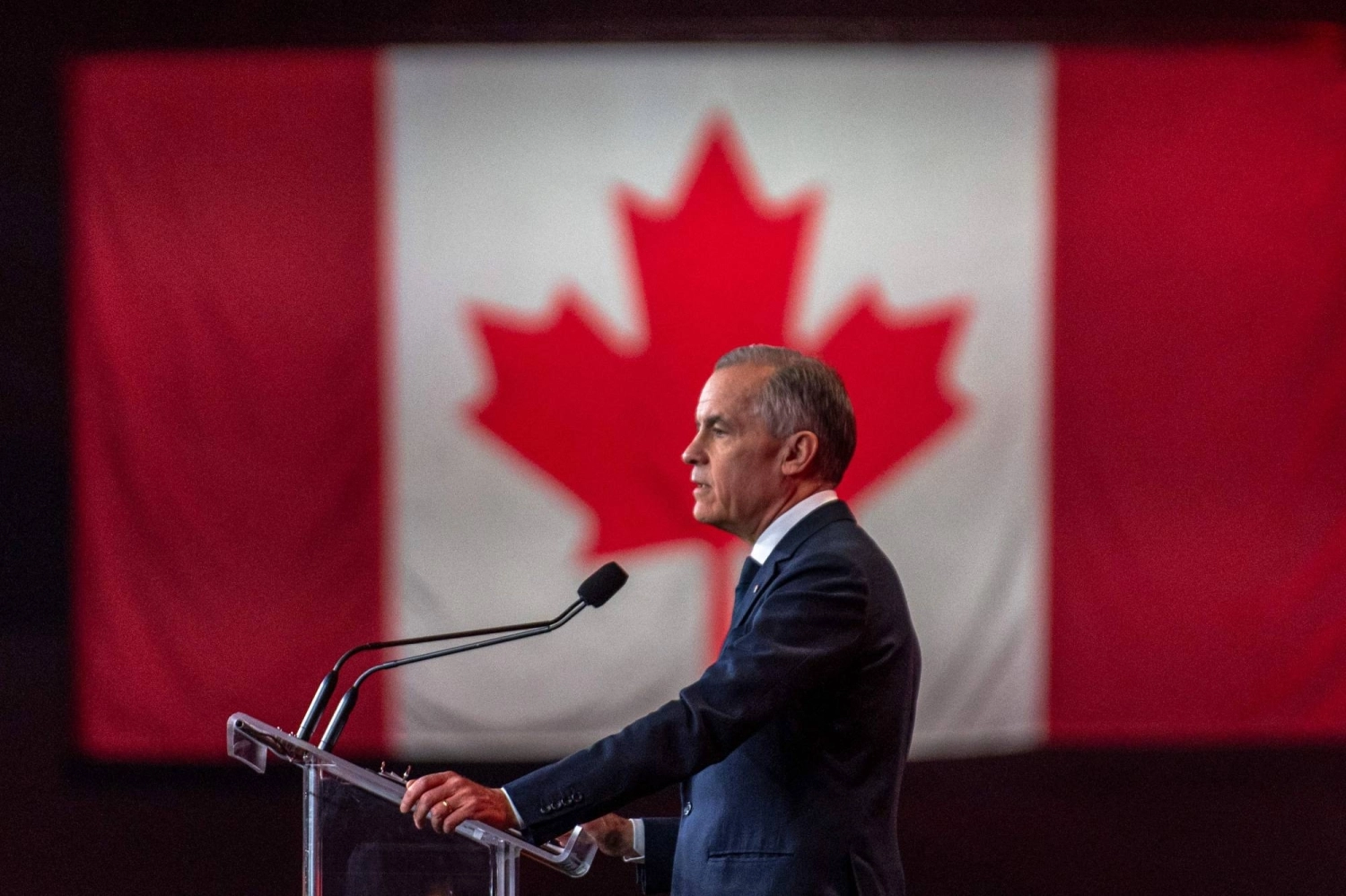
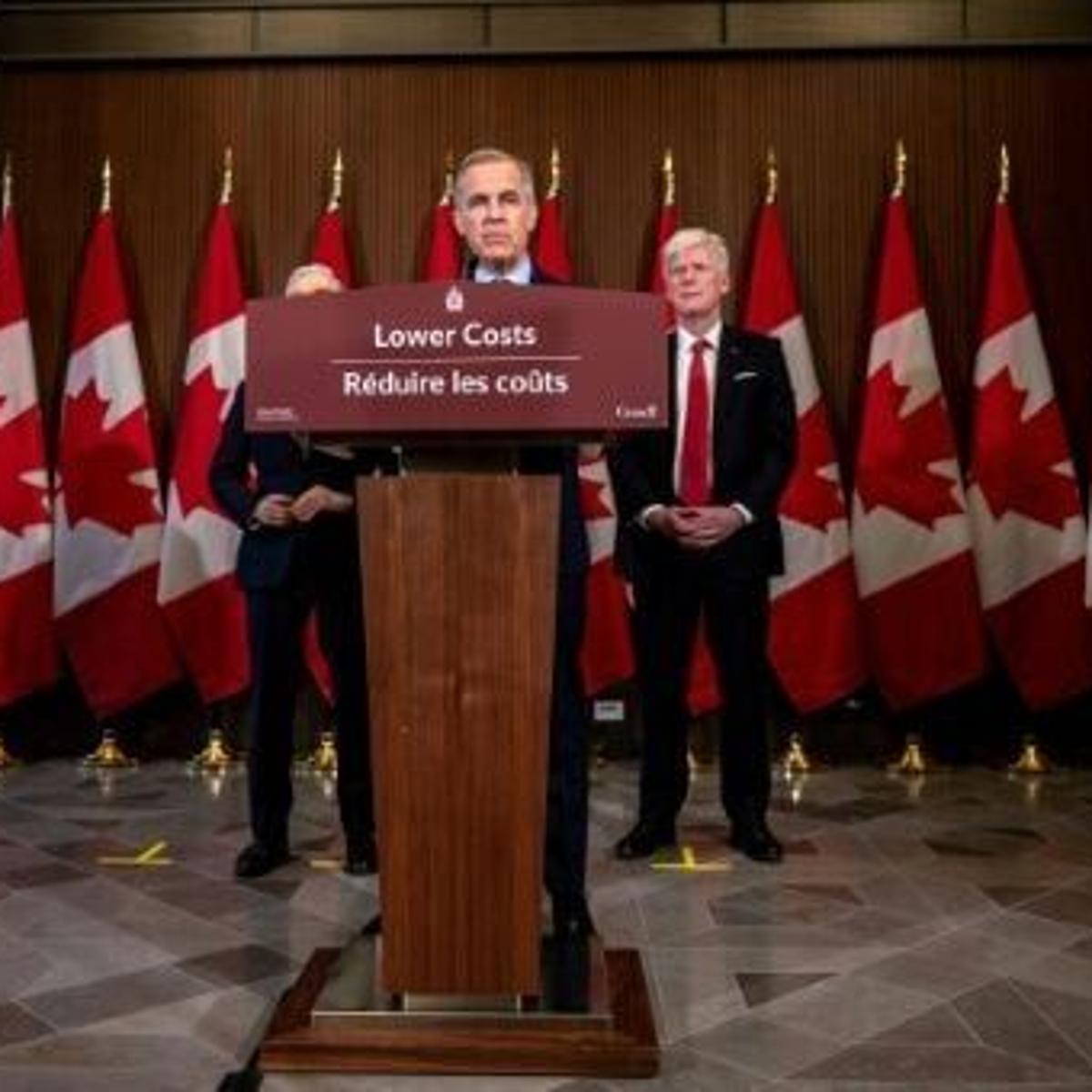
Mark Carney's majority government (173 Liberal seats as of April 14, 2026) fundamentally shifts Canada-US trade dynamics, creating urgent tariff arbitrage challenges for cross-border e-commerce sellers. With legislative control secured following his March 2025 leadership transition, Carney has positioned himself as Trump's primary policy antagonist, explicitly targeting tariff reductions and economic sovereignty measures. This political mandate directly translates to operational risk for sellers operating the Canada-US corridor—historically one of North America's highest-volume cross-border channels.
The immediate tariff exposure centers on three seller segments: (1) US-based sellers shipping inventory to Canadian fulfillment centers or direct-to-consumer customers face potential 8-15% tariff increases on electronics, apparel, and consumer goods categories; (2) Canadian sellers importing US-sourced inventory for domestic resale experience compressed margins as import costs rise; (3) Multinational sellers with integrated North American supply chains must recalculate landed costs across HS codes 6204 (apparel), 8471 (electronics), and 9403 (furniture). The news explicitly notes Carney's "legislative flexibility to implement policies addressing trade tensions," signaling imminent tariff announcements beyond current baseline rates.
Consumer boycott sentiment documented in the article—"many citizens boycotting American products"—creates secondary market opportunities. This nationalist purchasing behavior historically drives 12-18% volume shifts toward Canadian-origin and non-US brands in categories like apparel, home goods, and consumer electronics. Sellers can capitalize by: (1) repositioning inventory sourced from Mexico, Vietnam, or India as "non-US origin" in product listings; (2) accelerating private label development in high-tariff categories (HS 6204, 8471) where tariff pass-through justifies margin expansion; (3) establishing Canadian fulfillment partnerships to bypass tariff exposure on cross-border shipments.
Timeline urgency is critical. Carney's majority eliminates legislative delays—trade policy announcements typically follow within 60-90 days of government consolidation. Sellers have a narrow window (April-June 2026) to: reposition inventory before tariff implementation, lock in supplier contracts at current rates, and adjust Amazon/Shopify pricing strategies. The World Economic Forum positioning indicates Carney will coordinate with other "middle powers" (EU, UK, Australia) on retaliatory tariff frameworks, potentially creating cascading duties across multiple corridors simultaneously.
Questions 8
Which product categories face the highest tariff risk under new Canadian policy?
Electronics (HS 8471: computers, $2.1B annual cross-border volume), apparel (HS 6204: women's clothing, $1.8B volume), and furniture (HS 9403: $900M volume) historically face tariff escalation during trade tensions. The article's emphasis on 'economic sovereignty' and 'reducing dependency on the United States' signals these categories as policy targets. Sellers in these categories should prioritize: (1) sourcing diversification to Vietnam/India/Mexico to claim non-US origin; (2) private label development to justify margin expansion; (3) inventory repositioning to Canadian 3PL facilities to avoid cross-border duties. Monitor HS code tariff schedules on Canada Border Services Agency (CBSA) website weekly.
How will Carney's majority government affect tariffs on US products shipped to Canada?
Carney's strengthened mandate (173 Liberal seats) enables rapid tariff policy implementation without legislative delays. The news explicitly states he has 'legislative flexibility to implement policies addressing trade tensions,' signaling imminent tariff increases on US-origin goods. Historical precedent suggests 8-15% increases on electronics (HS 8471), apparel (HS 6204), and consumer goods within 60-90 days of government consolidation. US-based sellers should immediately audit inventory in Canadian fulfillment centers and adjust pricing on Amazon.ca and Shopify stores to absorb tariff costs before implementation. Lock in supplier contracts at current rates before announcements.