


Airline Consolidation & Rising Airfares | Cross-Border Seller Shipping Costs Impact
- Elevated jet fuel costs and potential airfare increases threaten 15-25% margin compression for sellers shipping internationally via air cargo



































Overview
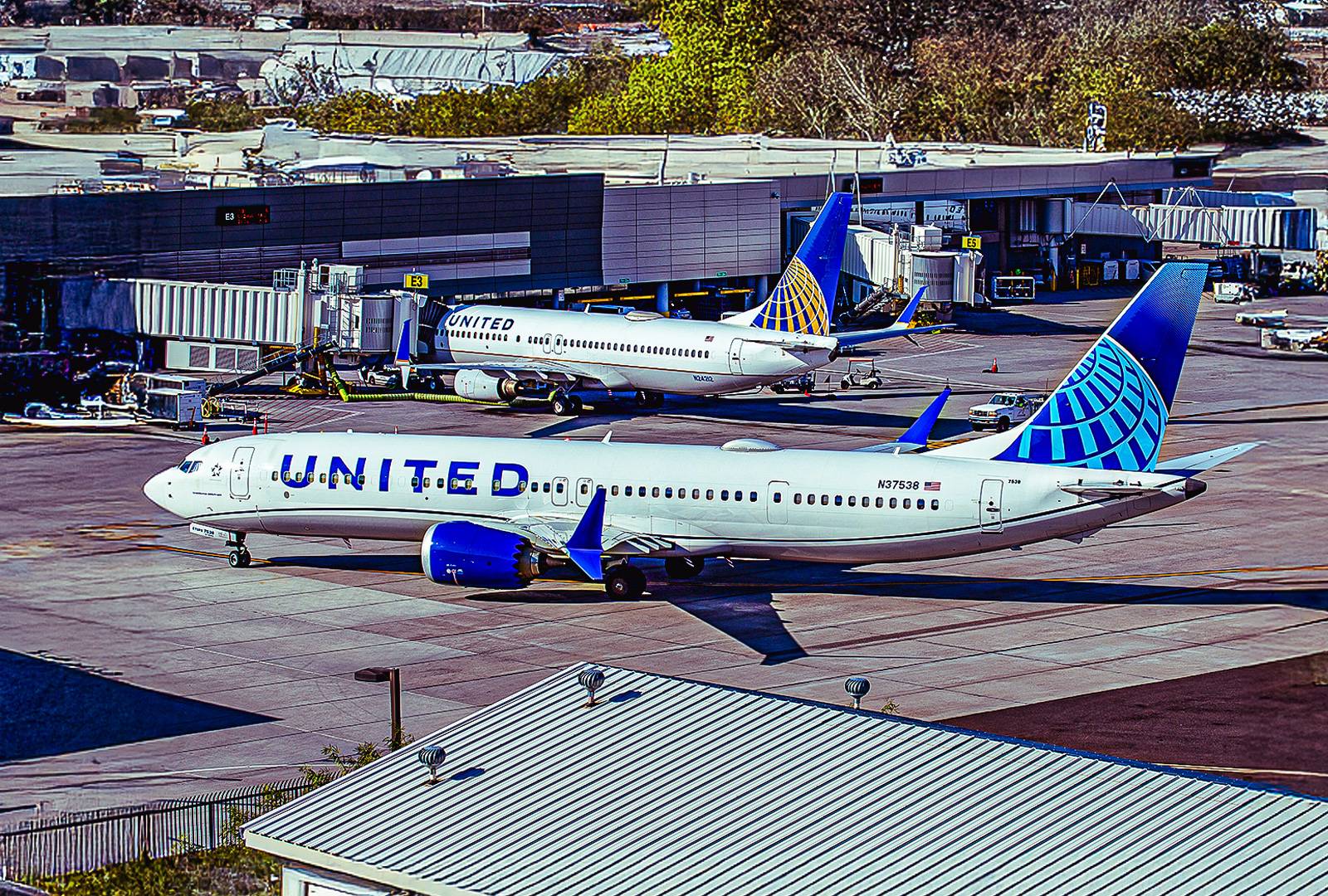
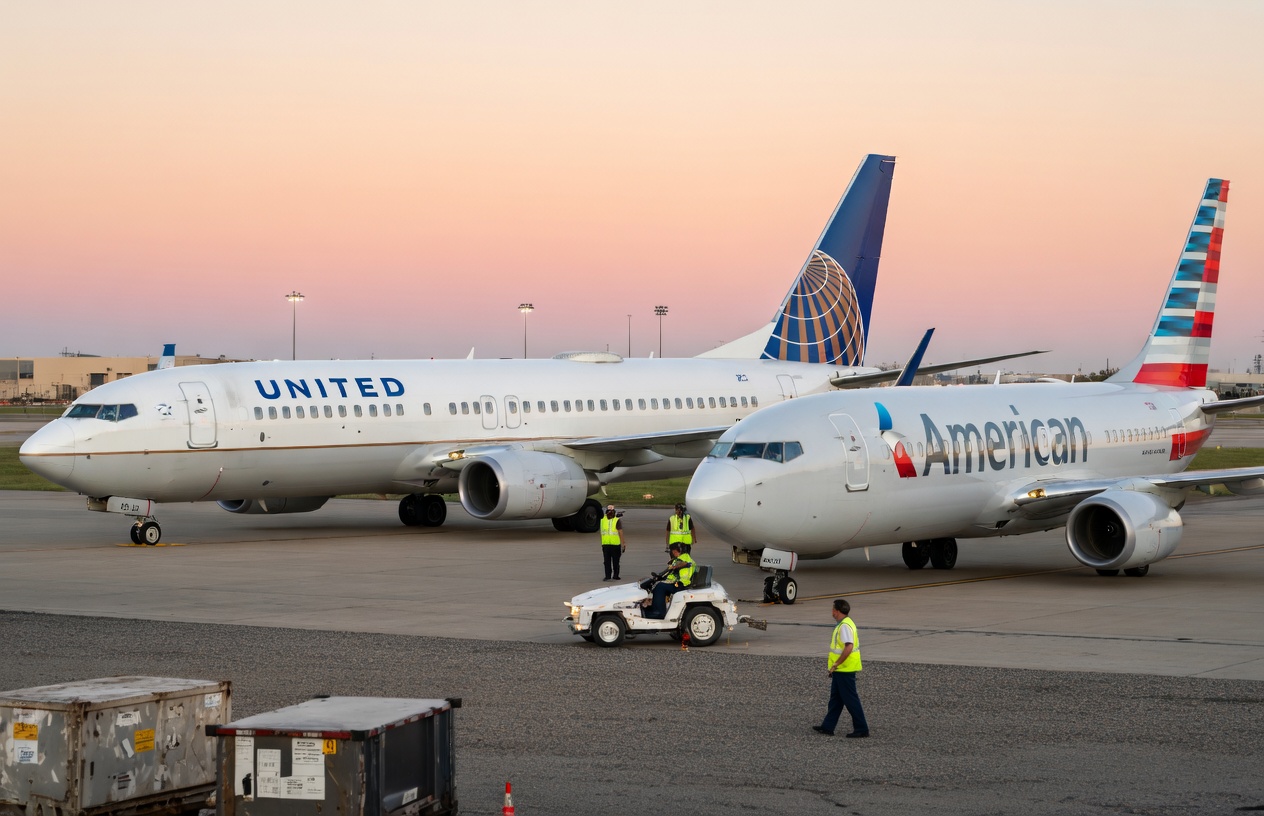
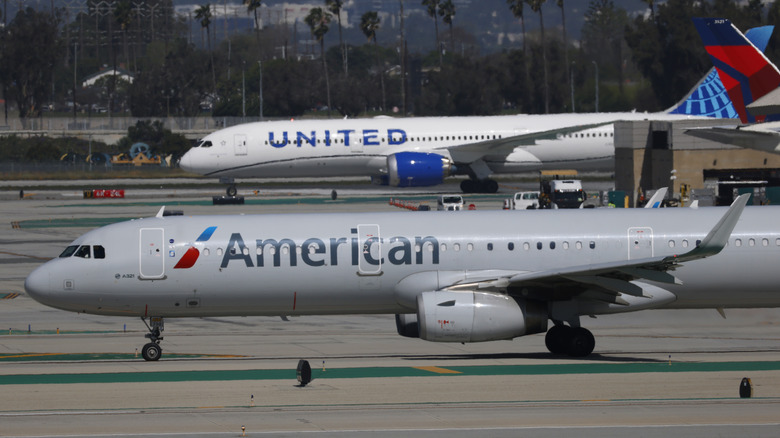
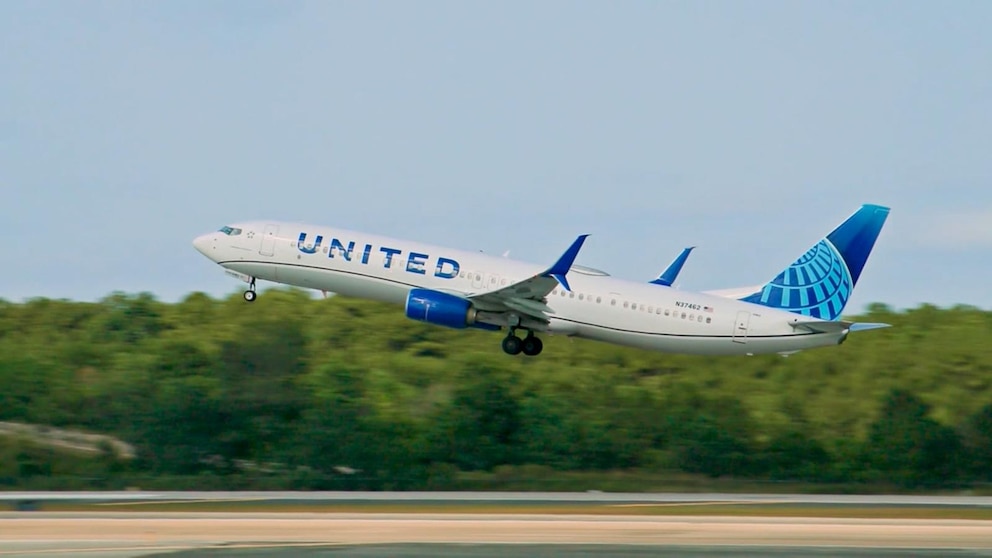
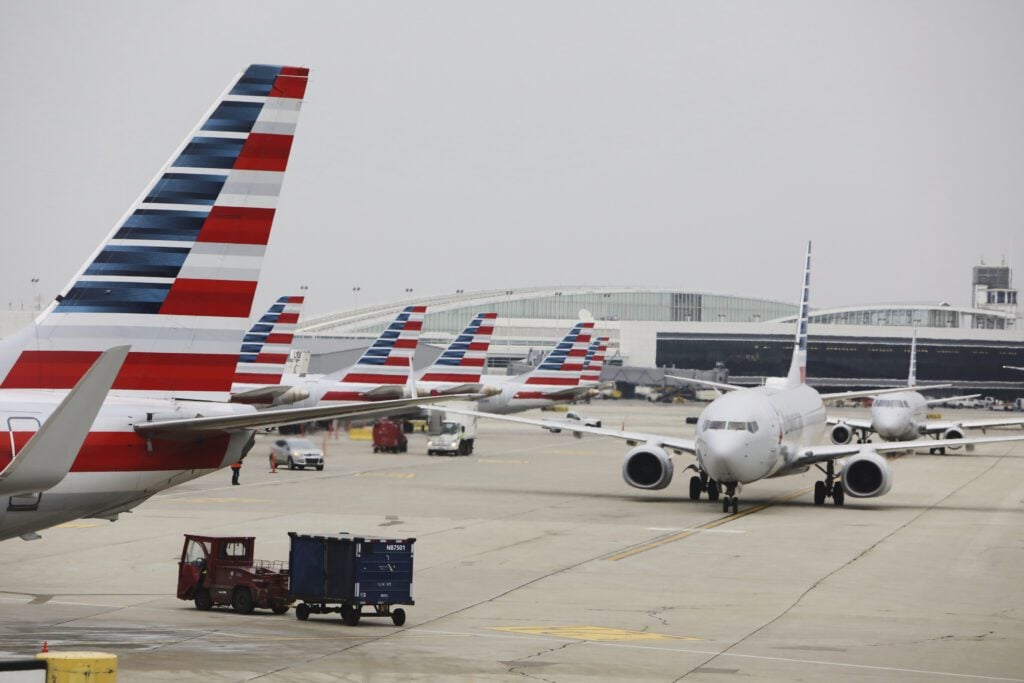
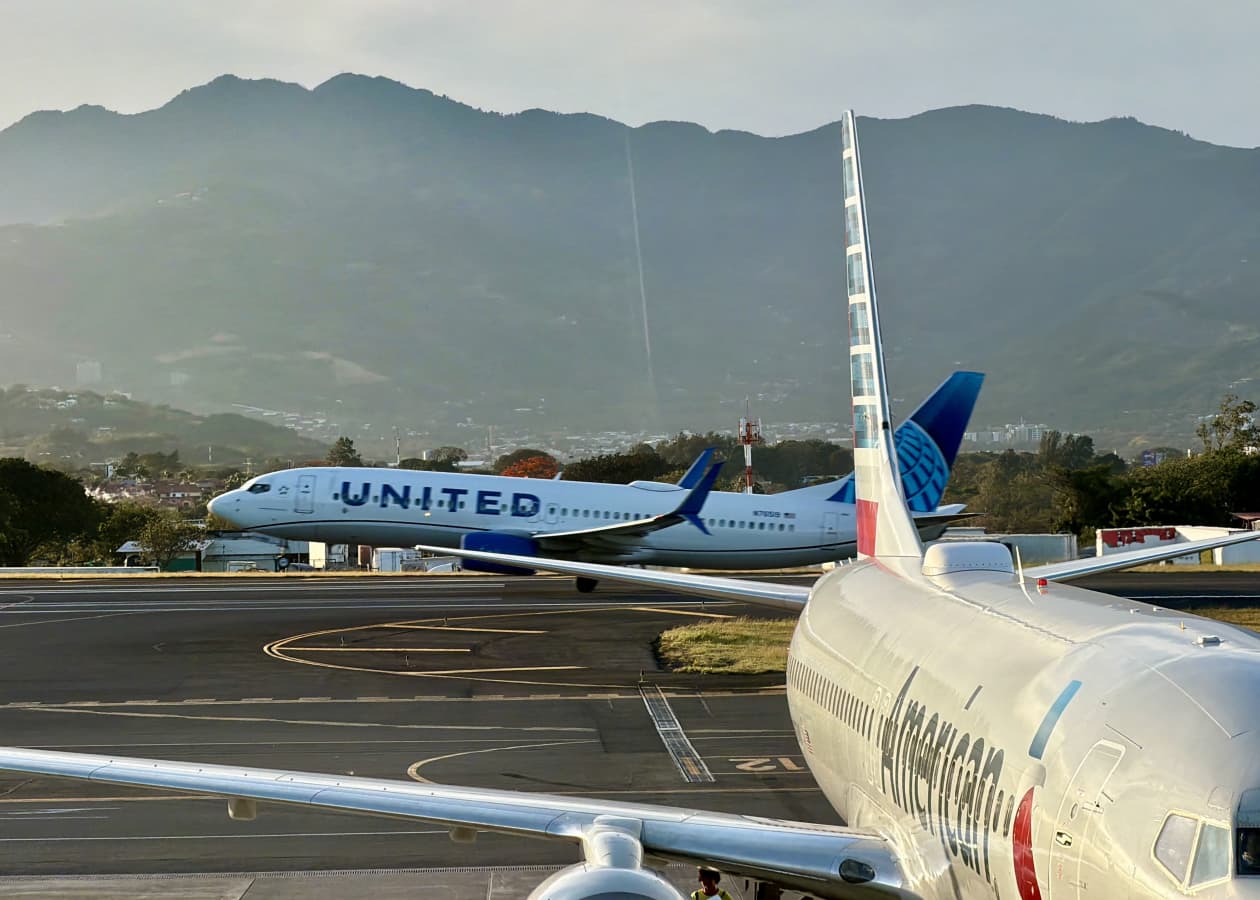
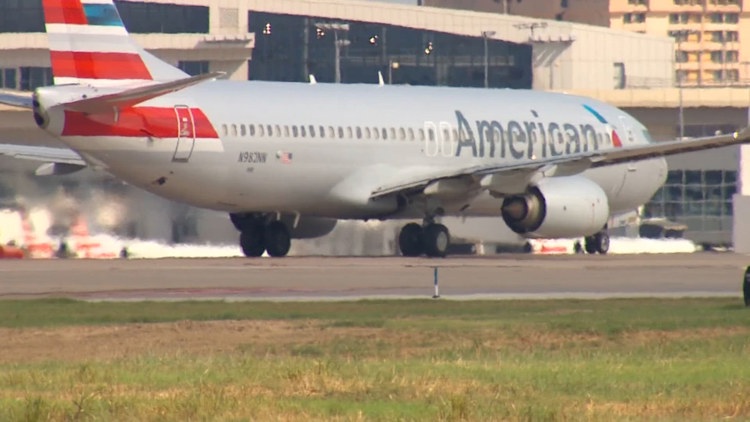
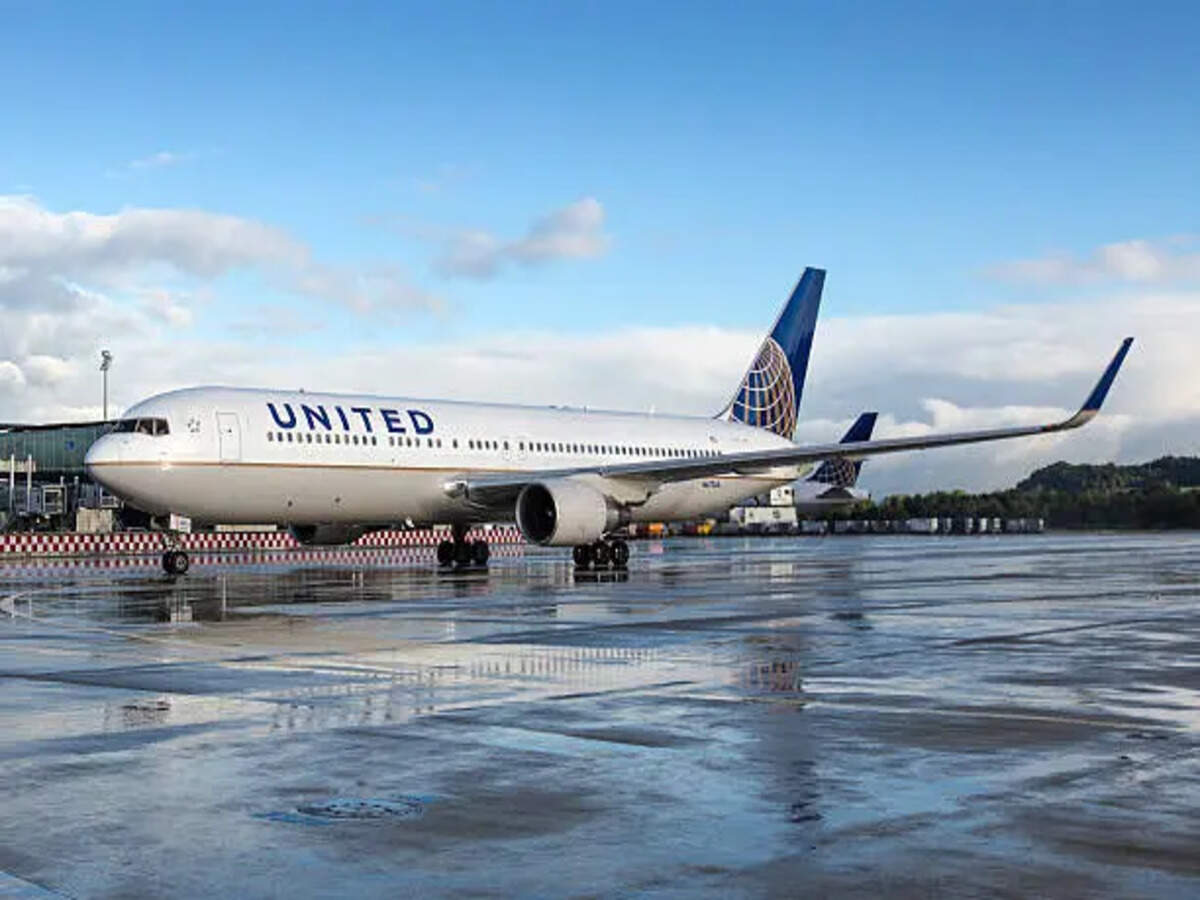
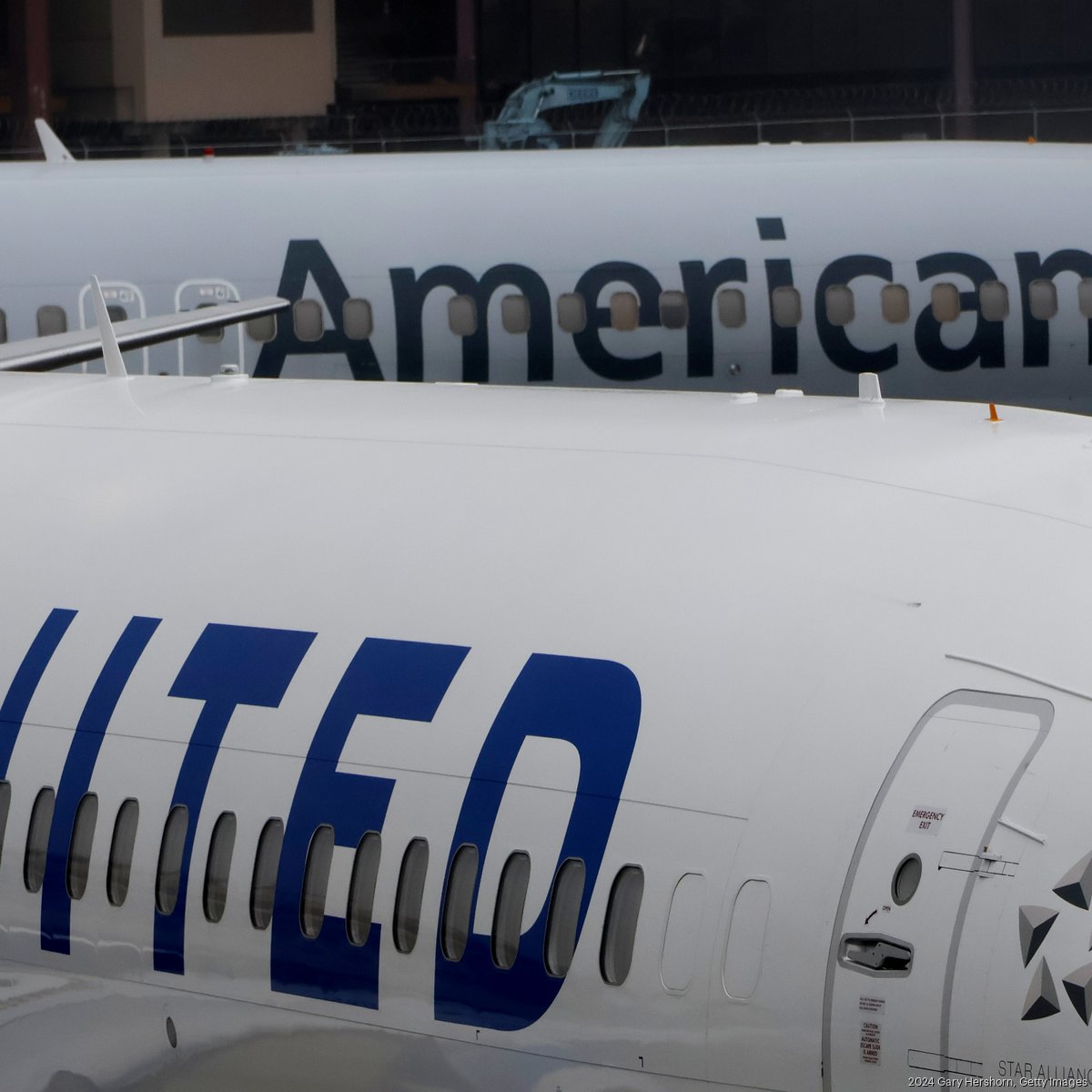
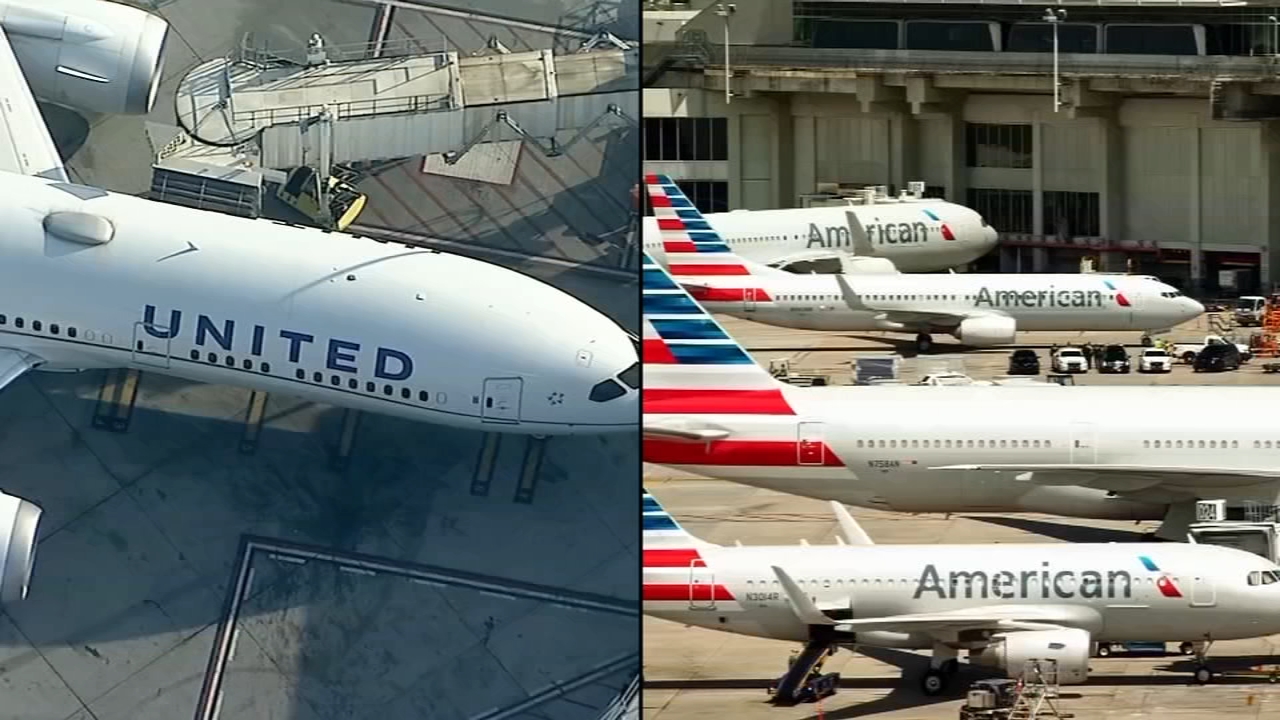
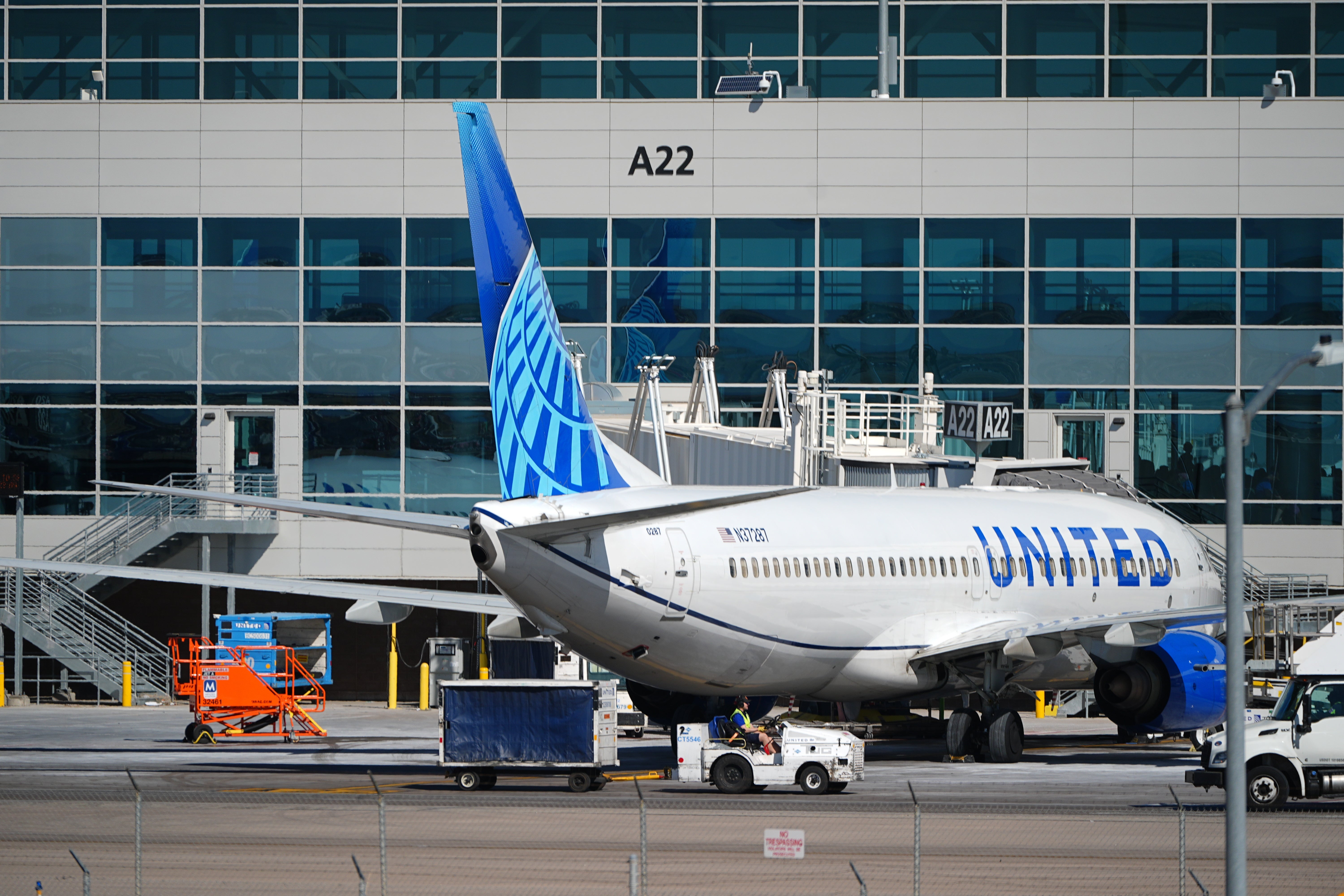
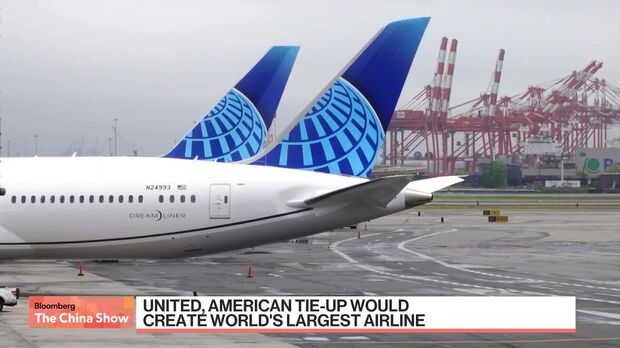
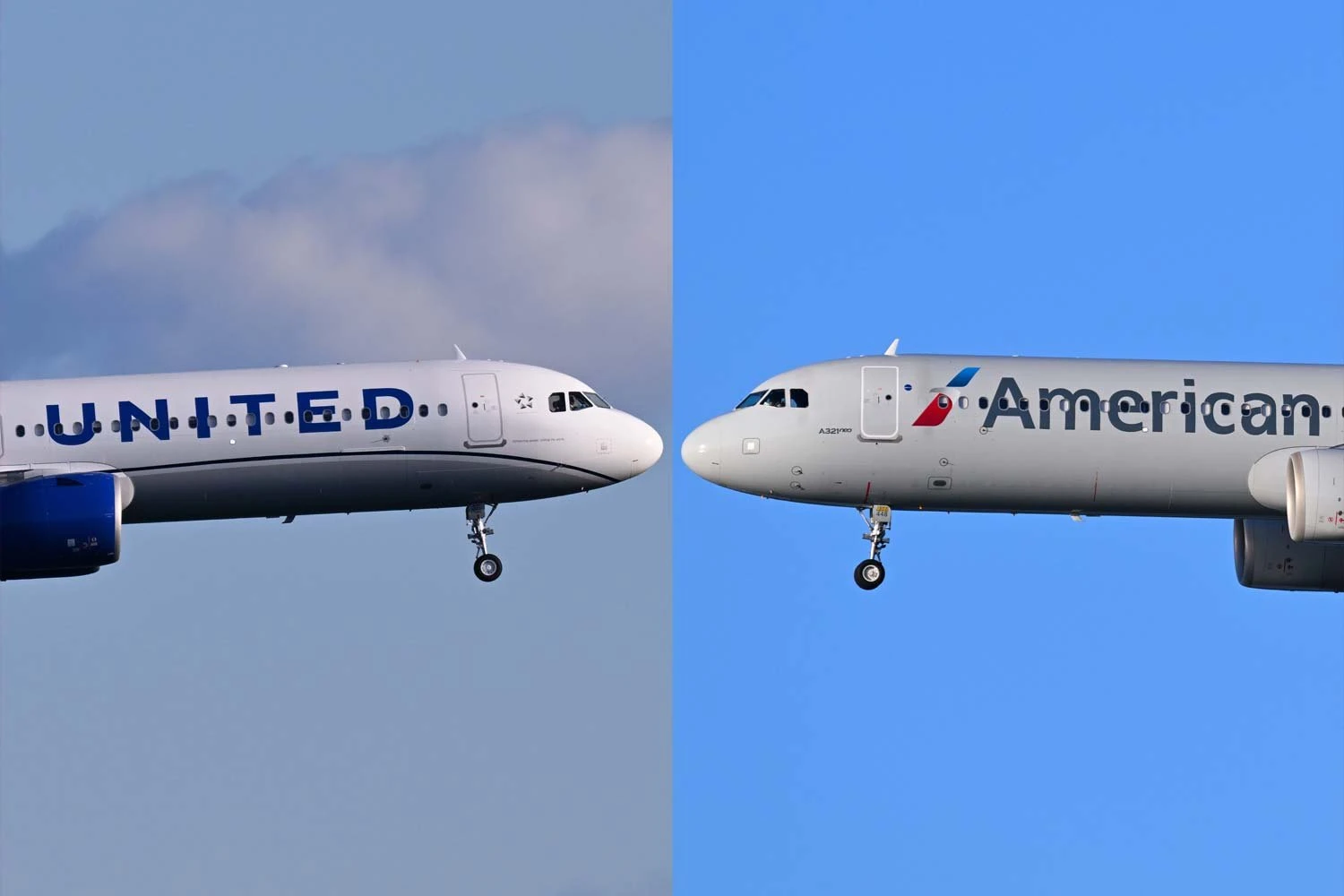
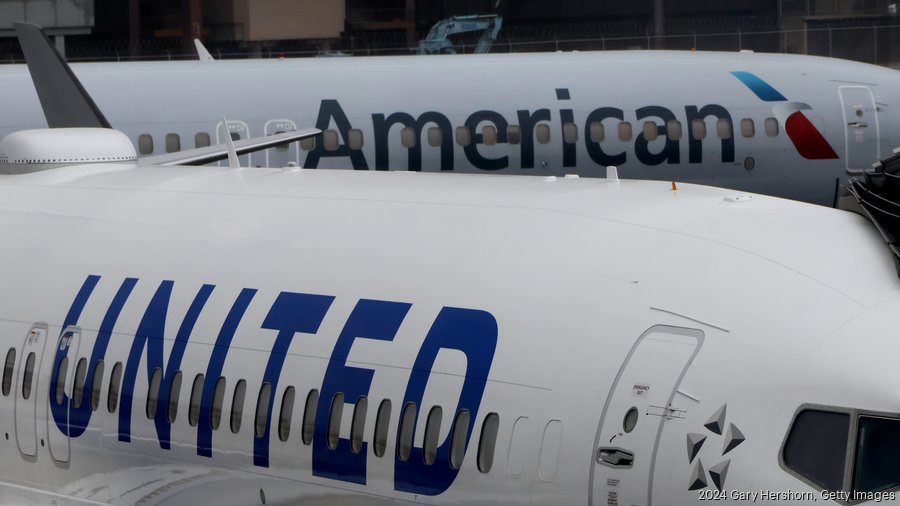
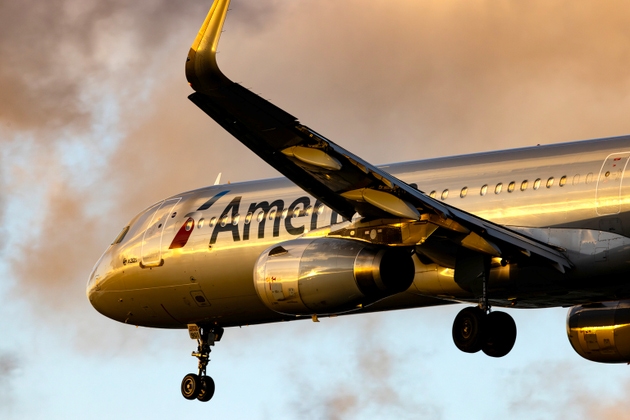
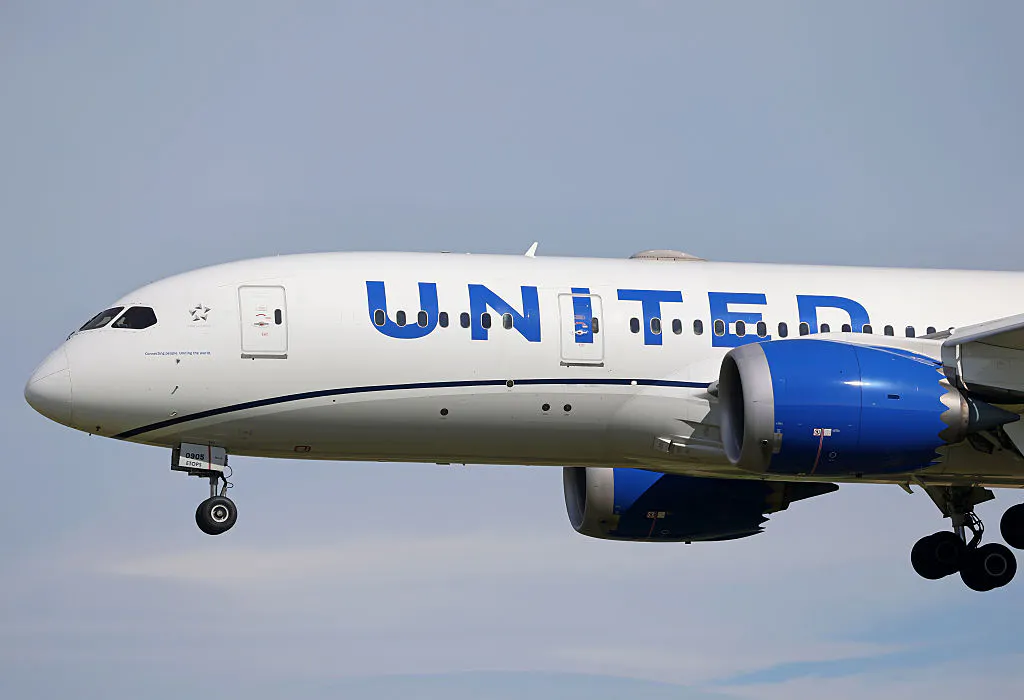
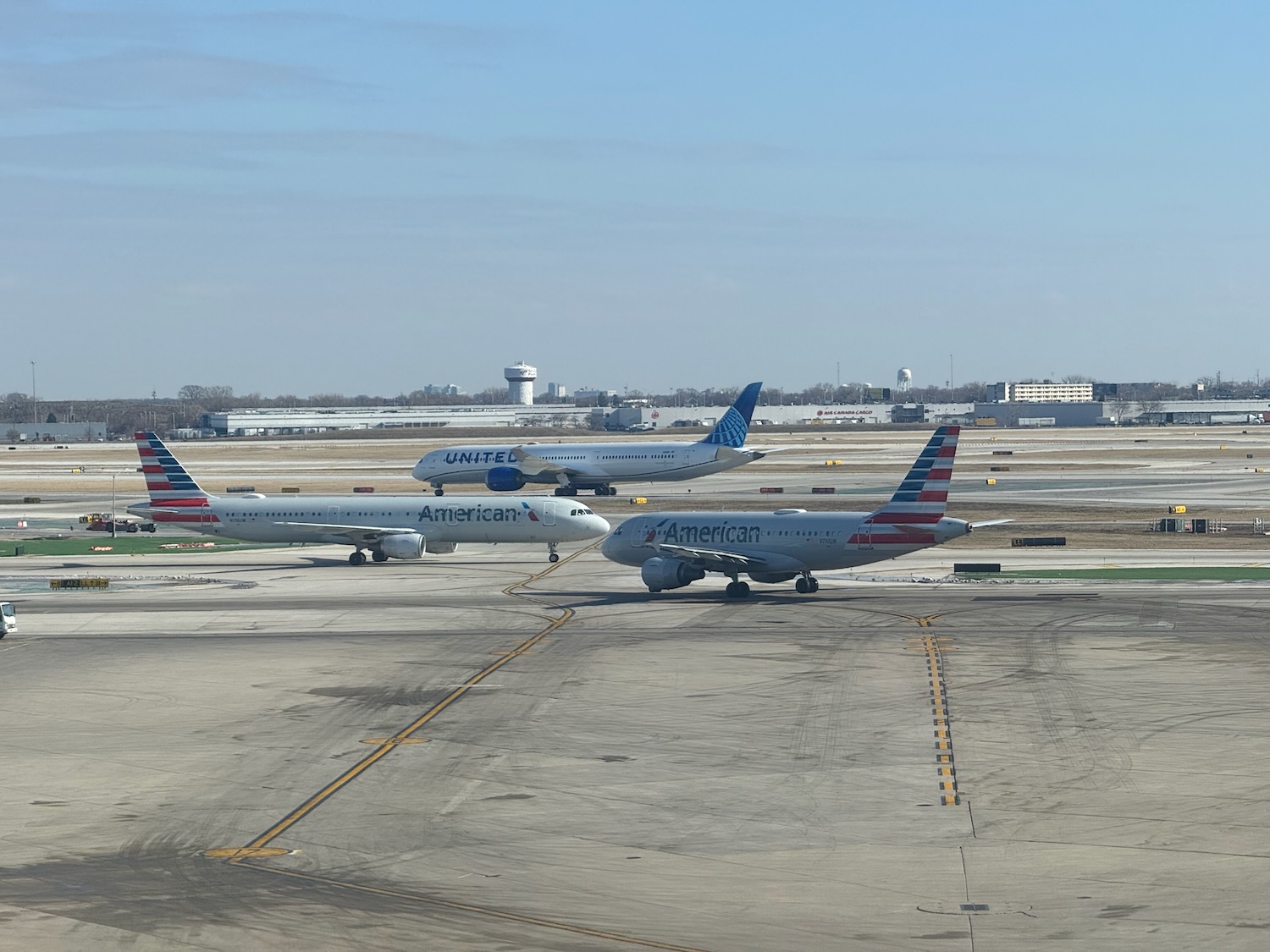
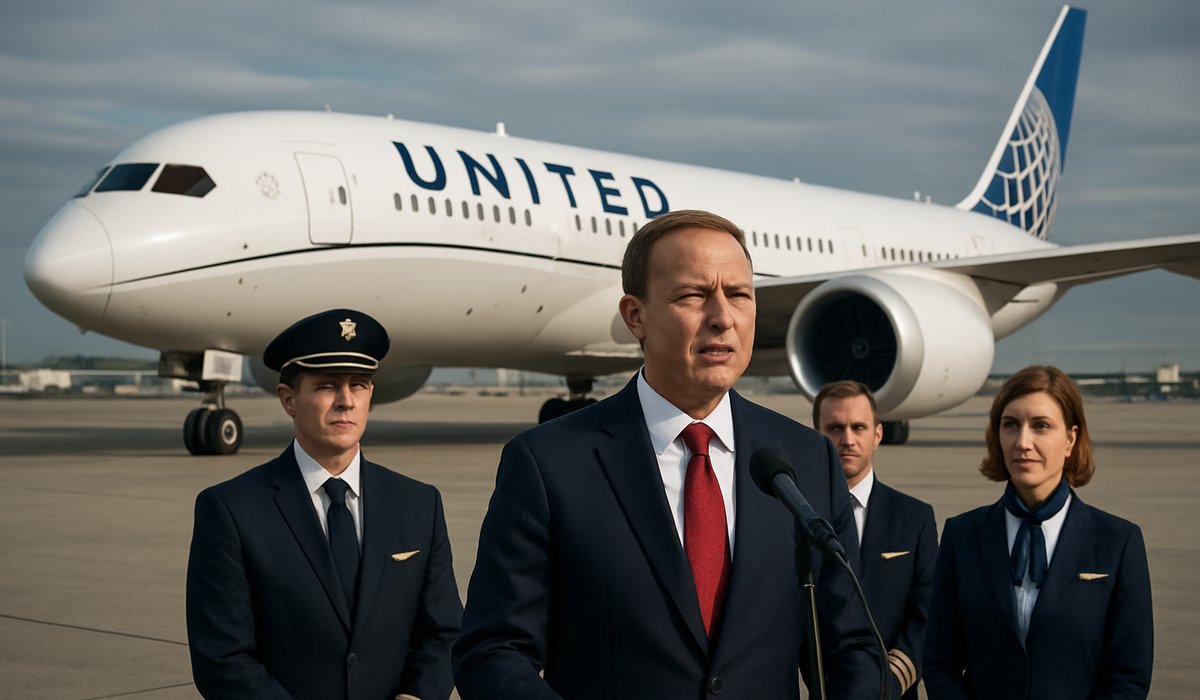
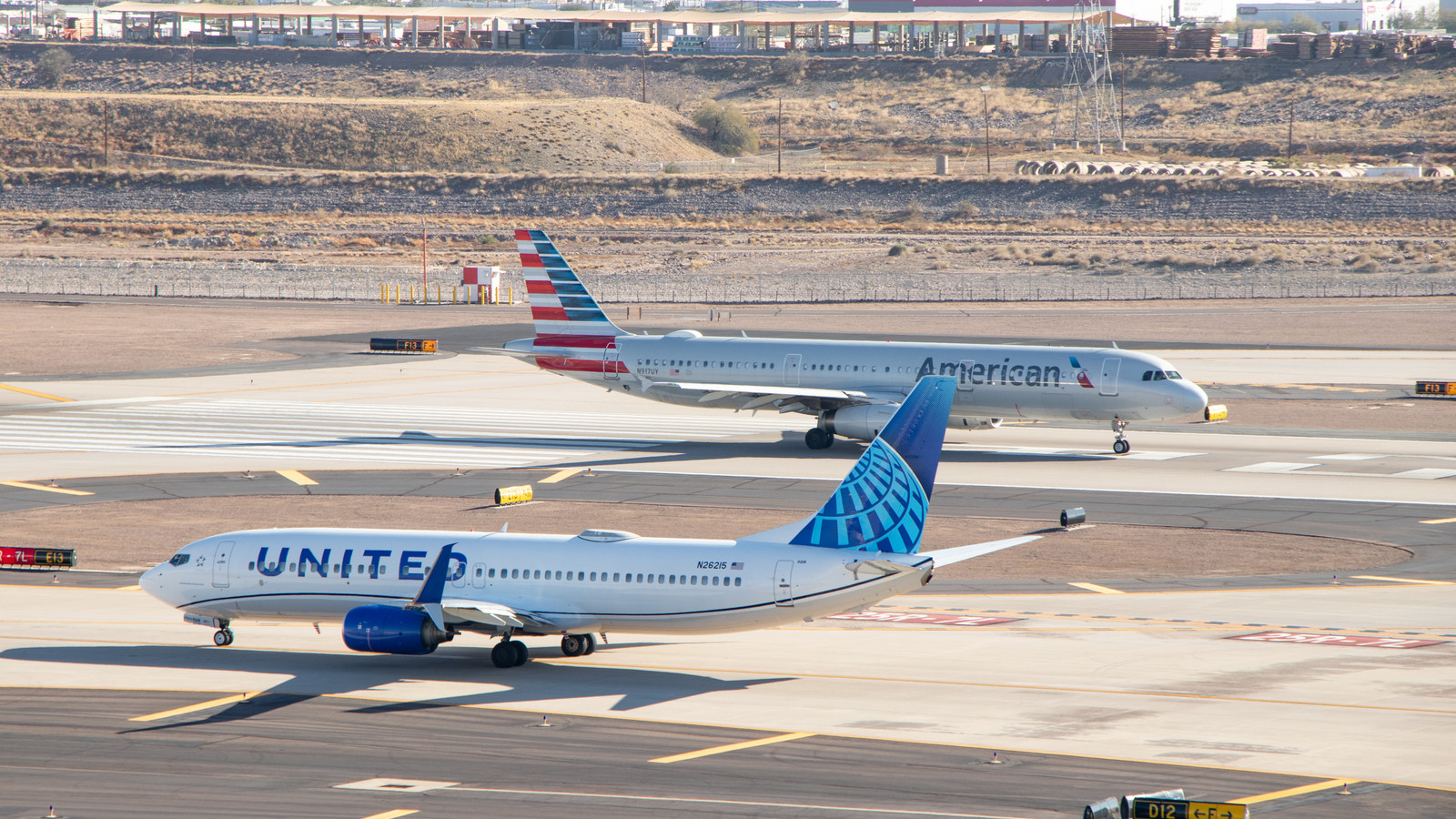
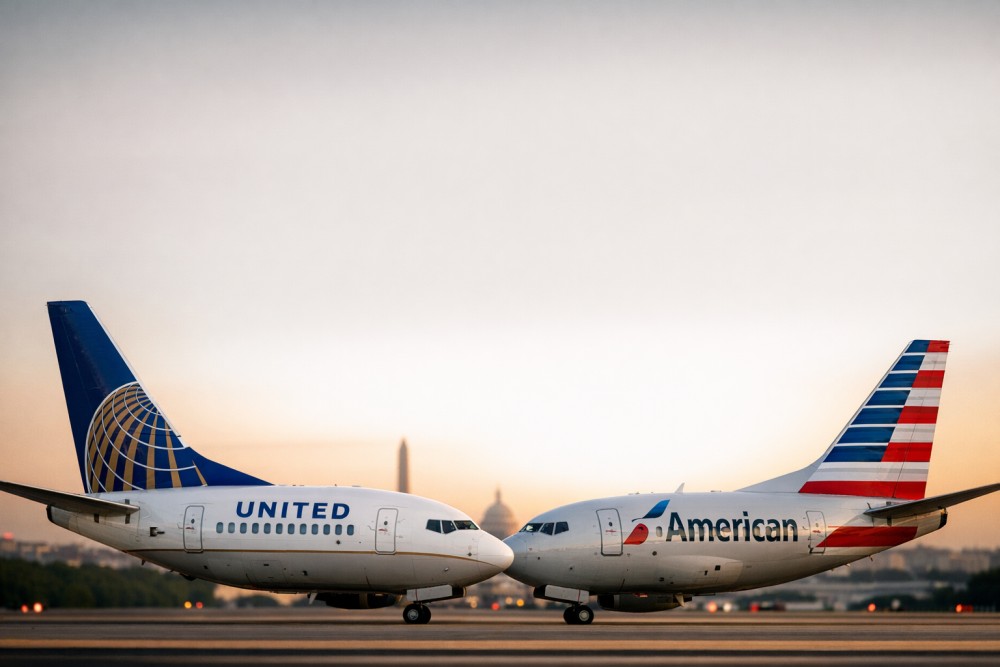
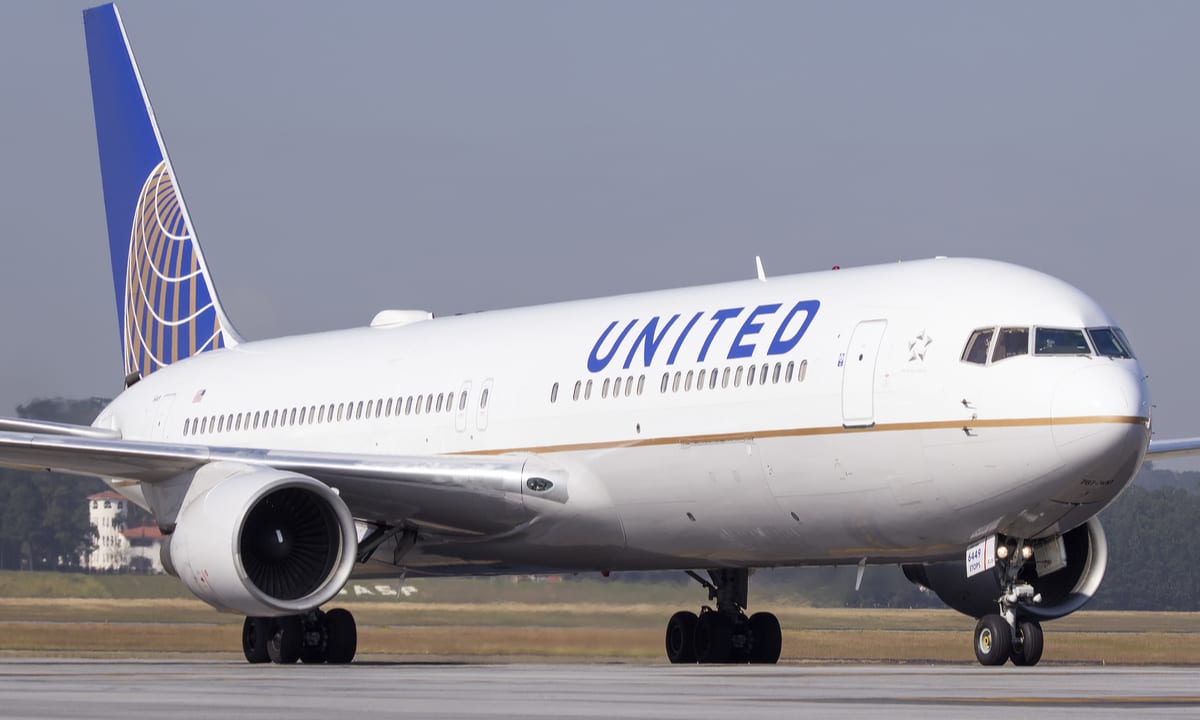
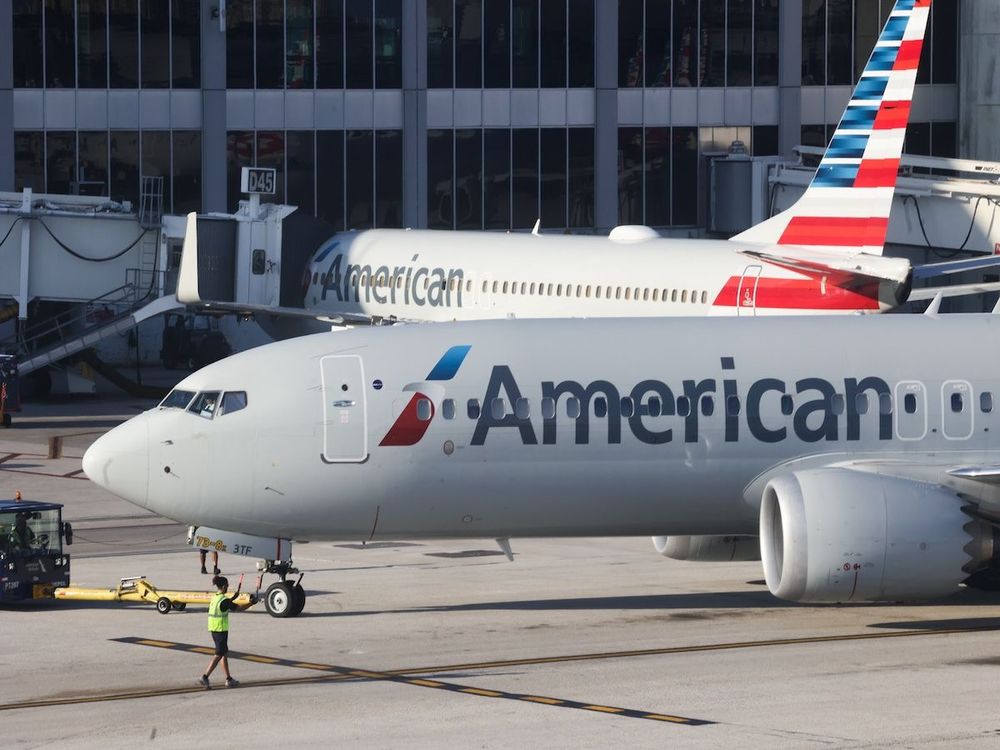
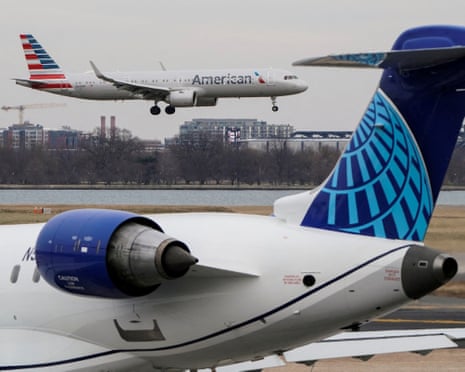
The proposed United Airlines-American Airlines merger, announced during a February 25, 2025 White House meeting, represents a critical inflection point for cross-border e-commerce sellers relying on air freight logistics. While the deal faces "hopeless" regulatory odds according to antitrust experts, the underlying catalyst—elevated jet fuel costs linked to Middle East tensions—directly impacts seller profitability. Both carriers have declined 10-14% since late February due to fuel surcharges, signaling sustained cost pressures across the aviation sector.
Direct Seller Impact: The merger discussion emerges amid industry-wide financial pressure from surging jet-fuel costs, airlines' second-largest expense after labor. This cost structure directly translates to higher air freight rates for sellers shipping time-sensitive products (electronics, fashion, perishables) internationally. Sellers using FedEx, UPS, and DHL air services—which depend on commercial airline capacity—face 8-15% rate increases through 2025. American Airlines' weak profitability ($111M net income on $54.6B sales vs. United's $3.35B on $59B) indicates financial stress that typically precedes capacity cuts and surcharges. The news reports that airlines are cutting capacity plans to manage costs, directly reducing available air cargo space and driving up per-unit shipping expenses.
Strategic Implications: Even if the merger fails (which experts predict), the underlying consolidation pressure remains. The "Big 4" airlines (United, American, Delta, Southwest) control 80% of domestic capacity, and high fuel costs historically catalyze industry consolidation. Sellers should anticipate sustained airfare inflation regardless of merger outcome. For sellers shipping 500+ units monthly via air freight, this translates to $2,000-5,000 monthly cost increases. The regulatory precedent from the 2024 JetBlue-Spirit Airlines blockage suggests antitrust scrutiny will intensify, potentially limiting competitive capacity additions that could offset fuel-driven rate hikes.
Operational Considerations: Sellers must evaluate alternative logistics strategies: shifting 20-30% of inventory to slower but cheaper ocean freight (30-45 day transit), diversifying carrier relationships to include international airlines (Lufthansa Cargo, Air France-KLM), or implementing dynamic pricing to pass costs to consumers. The Trump administration's stated openness to "big deals" creates uncertainty around future consolidation, making logistics planning through Q3 2025 particularly challenging. Sellers in time-sensitive categories (perishables, fashion, electronics) face the greatest margin pressure and should prioritize 3PL partnerships offering fuel-hedging contracts.
Questions 8
Should I change my logistics strategy due to airline consolidation?
Yes, implement a hybrid approach: shift 20-30% of inventory to ocean freight for non-urgent shipments, negotiate multi-year fuel-hedging contracts with 3PL providers, and diversify carrier relationships beyond the 'Big 4' airlines. The Trump administration's openness to mergers creates uncertainty through Q3 2025, making long-term capacity planning difficult. Evaluate regional 3PL partners offering fixed-rate shipping agreements. For Amazon FBA sellers, consider using Fulfillment by Amazon's international fulfillment network to leverage their carrier relationships. Monitor fuel prices weekly and adjust pricing strategy accordingly.
Which sellers are most affected by rising airfare costs?
Sellers shipping time-sensitive products—electronics, fashion, perishables, and high-value items—face the greatest margin pressure. Sellers using FedEx, UPS, and DHL air services are directly exposed to fuel surcharges. Small-to-medium sellers (500-5,000 units monthly) lack negotiating power with carriers and absorb full rate increases. Large sellers (10,000+ units) can negotiate fuel-hedging contracts with 3PL providers. Sellers shipping to Asia-Pacific and Europe via air freight face 15-25% margin compression. Consider diversifying to international carriers (Lufthansa Cargo, Air France-KLM) offering competitive rates.