

Fed Rate Hold & Iran Conflict Impact | Cross-Border Seller Logistics Costs Rise 8-12% in 2026
- Crude oil surges 30%+ and gasoline exceeds $4/gallon, directly increasing FBA shipping costs and working capital pressures for 50K+ international sellers




Overview
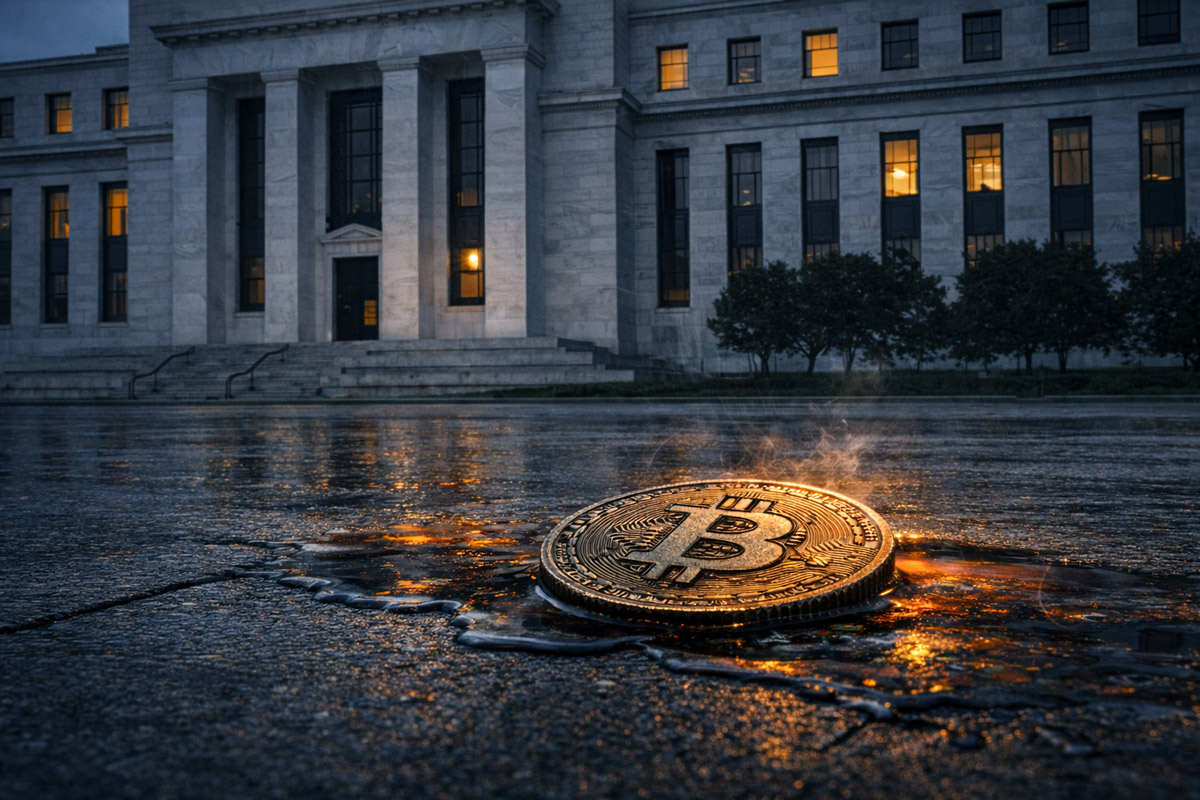
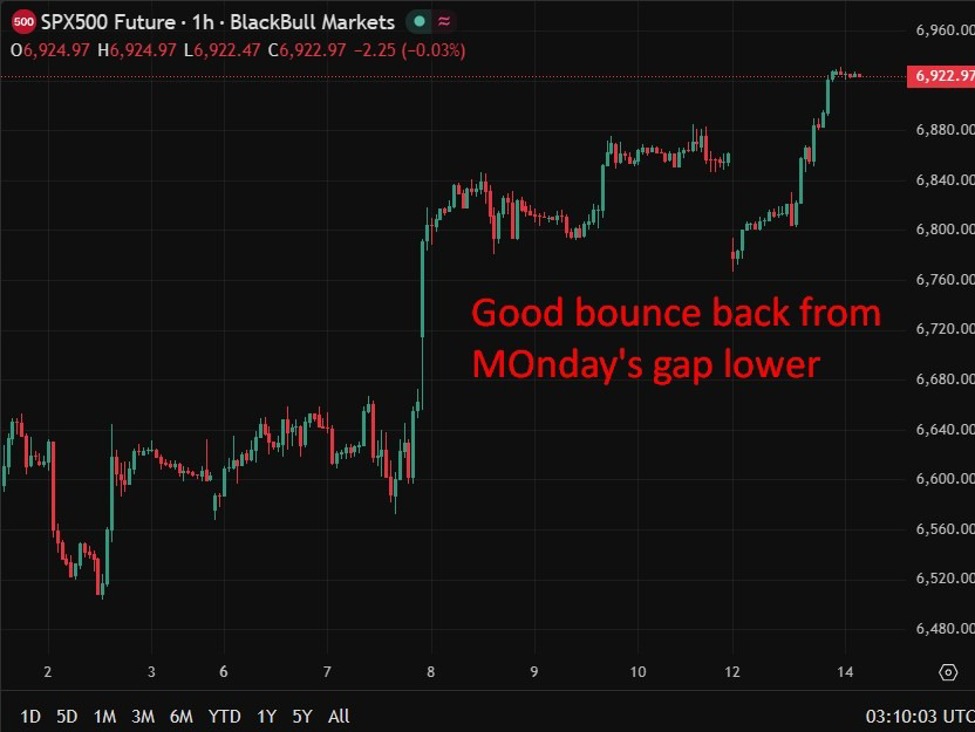
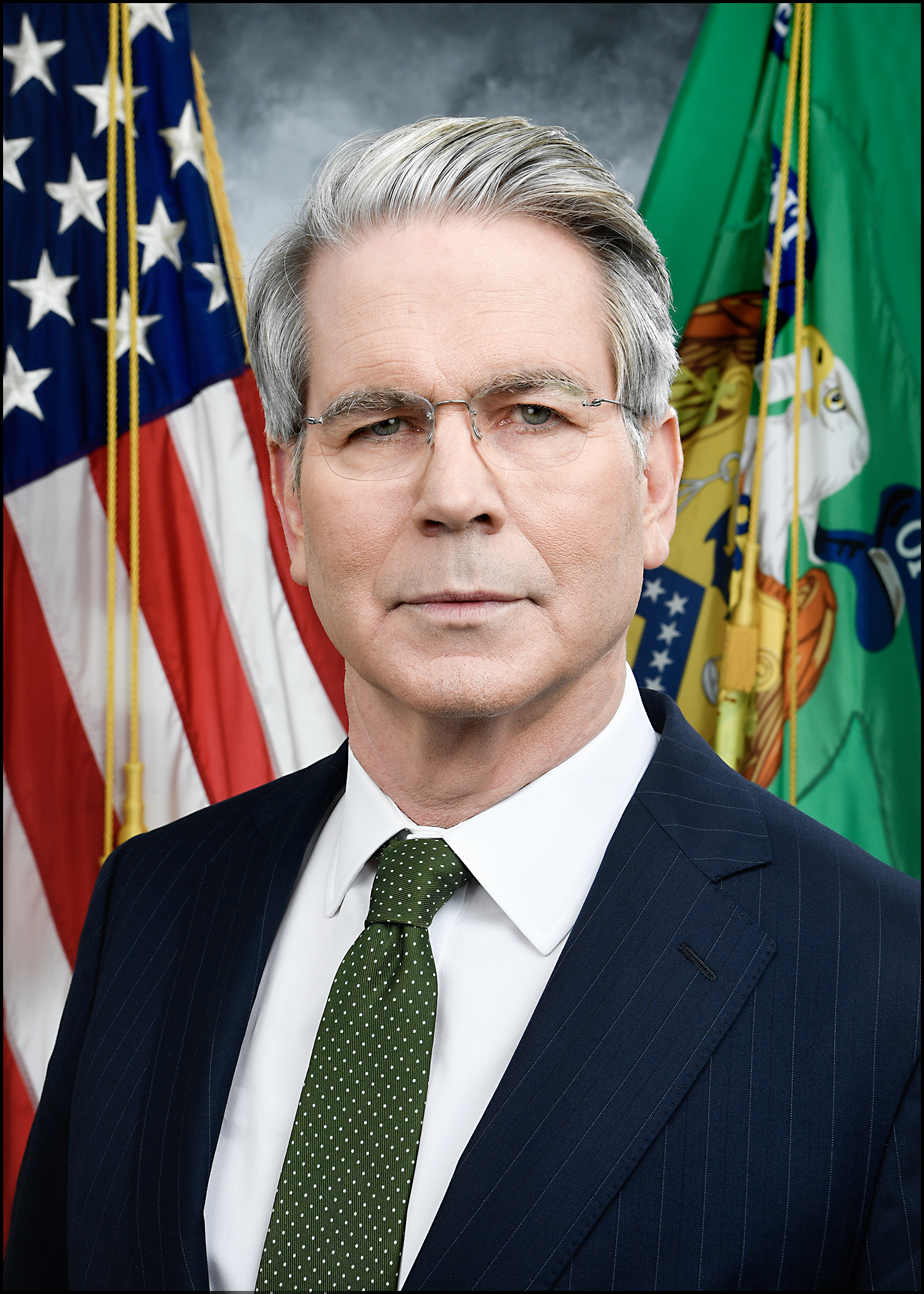
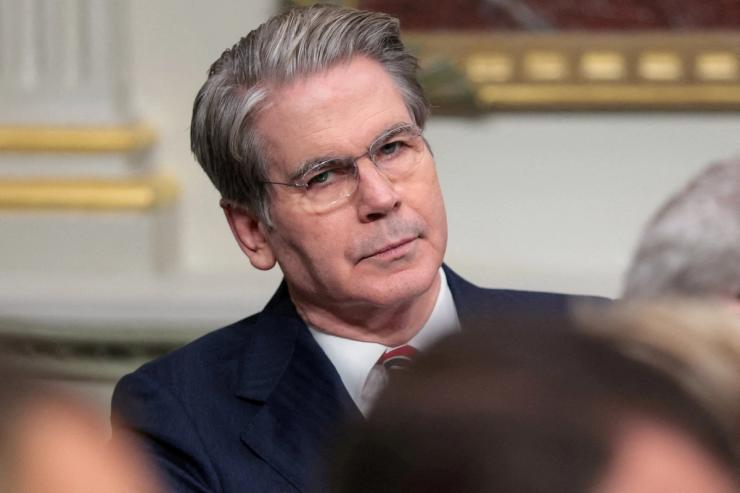
Treasury Secretary Scott Bessent's April 14, 2026 statement that the Federal Reserve should maintain a "wait and see" approach on interest rate cuts creates a critical operational environment for cross-border e-commerce sellers. The Iran conflict has triggered a 30%+ surge in crude oil prices and pushed national average gasoline prices above $4 per gallon for the first time in three years—directly impacting the logistics infrastructure that powers Amazon FBA, eBay, Shopify, and international fulfillment networks. U.S. consumer prices rose at the fastest pace in nearly four years during March 2026, with energy cost spikes driving the inflation surge. Bessent's confidence that these price increases remain "transitory" and won't embed in inflation expectations provides limited comfort for sellers facing immediate cost pressures.
The operational impact on cross-border sellers is substantial and immediate. Rising fuel costs directly increase FBA fulfillment fees, 3PL provider charges, and last-mile delivery expenses. Sellers shipping inventory from Asia to US warehouses face elevated freight costs on ocean and air cargo routes. Amazon's FBA fee structure, while not explicitly changed, becomes more expensive to operate under as carrier costs rise. The Fed's cautious rate-hold stance means working capital financing remains expensive—sellers cannot expect relief from lower borrowing costs in the near term. This creates a margin compression scenario: sellers must either absorb 8-12% logistics cost increases or pass them to consumers, risking competitiveness on Amazon Buy Box pricing and eBay auction dynamics. Currency volatility from geopolitical uncertainty adds complexity to international transactions, particularly for sellers sourcing from China, Vietnam, and India while selling to US and EU markets.
Bessent's comments on China's unreliability as a rare-earth supplier signal broader supply chain reshuffling opportunities. He noted three instances in five years where China proved undependable—COVID-19 disruptions, rare earth supply cuts, and recent energy product issues. This validates the strategic shift toward Vietnam, India, and Southeast Asian sourcing that many sellers have already begun. Electronics sellers (HS codes 8471-8517 covering computers, semiconductors, telecommunications equipment) should accelerate diversification away from China-dependent supply chains. The projected 4%+ GDP growth for 2026 suggests consumer demand remains resilient despite energy cost headwinds, creating a window for sellers to optimize pricing strategies before potential demand softening. European and Asian countries implementing demand-side subsidies while the US does not creates a competitive disadvantage for US-based sellers in those markets—sellers should monitor subsidy programs in UK, Germany, and Japan that may affect local competitor pricing.
Questions 8
Will the Federal Reserve's rate-hold decision affect my working capital financing costs?
Yes, the Fed's 'wait and see' approach means interest rates will remain elevated through at least Q2 2026. Bessent stated rate cuts will eventually occur but emphasized waiting for economic clarity. This means working capital loans, inventory financing, and seller credit lines will maintain current rates—typically 8-12% APR for e-commerce sellers. If you were planning to refinance inventory loans or expand using credit, expect to pay current rates for 6+ months. Consider accelerating inventory purchases now if you have access to favorable terms, as rates may not decline until late 2026. Monitor Federal Reserve announcements monthly for any policy shifts.
Should I shift sourcing away from China given Bessent's comments on rare-earth supply unreliability?
Yes, Treasury Secretary Bessent specifically cited three instances in five years where China proved undependable as a rare-earth supplier—COVID-19, supply cuts, and recent energy issues. Electronics sellers (semiconductors, computer components, telecommunications equipment) should accelerate Vietnam and India sourcing diversification. Vietnam offers 15-20% lower labor costs than China with improving logistics infrastructure. However, transition timelines are 60-90 days for new supplier qualification. Start evaluating alternative suppliers immediately if you're heavily China-dependent, particularly for HS codes 8471-8517 (electronics/semiconductors). The geopolitical uncertainty window may close quickly as other sellers recognize the same opportunity.