

Microsoft Surface Price Surge $500+ | AI-Driven Memory Crisis Reshapes Electronics E-Commerce Margins
- Surface Pro cumulative $500 increase (2024-2026); midrange devices now $1,000+; AI data center demand drives RAM shortage; cross-border sellers face 8-15% margin compression; refurbished market opportunity emerges









Overview
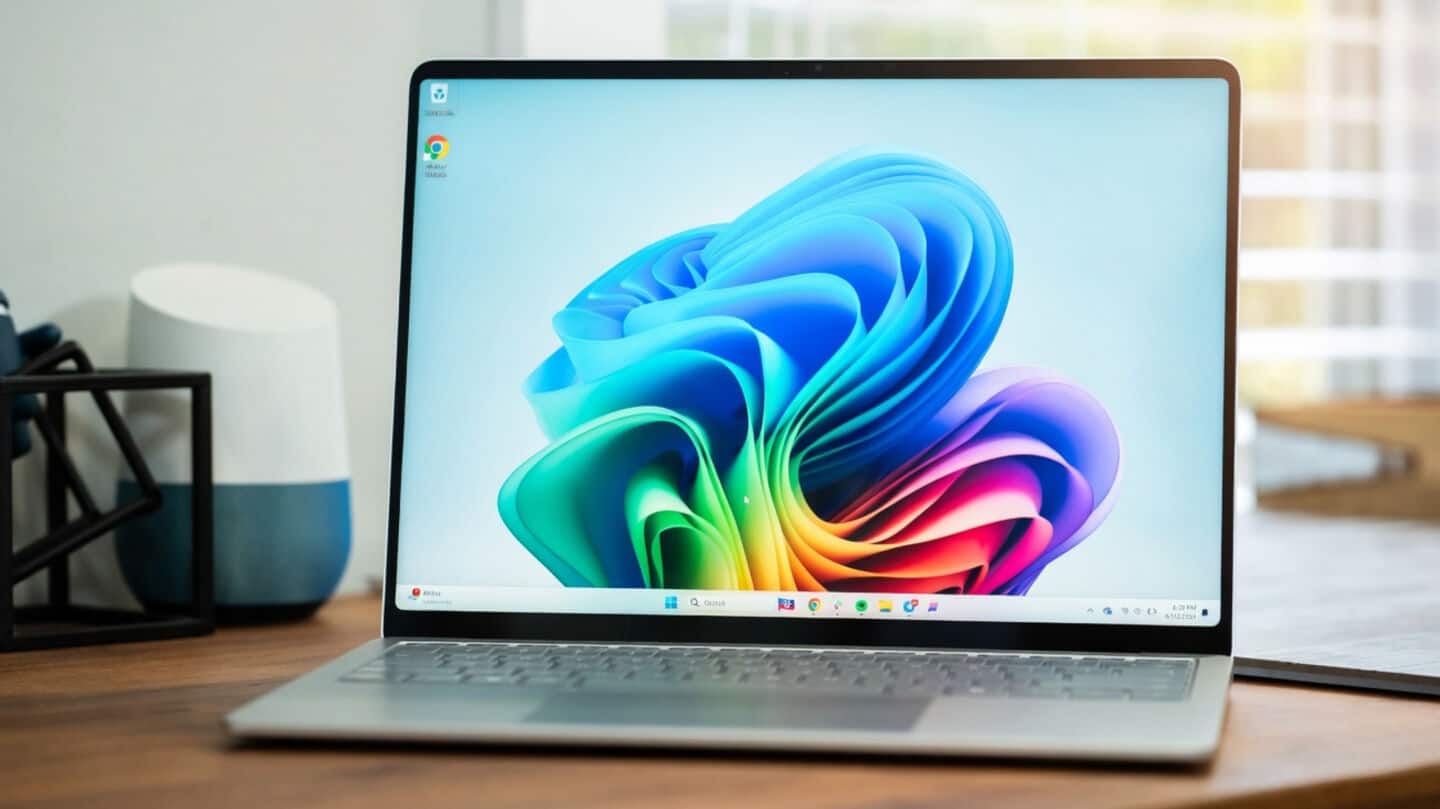
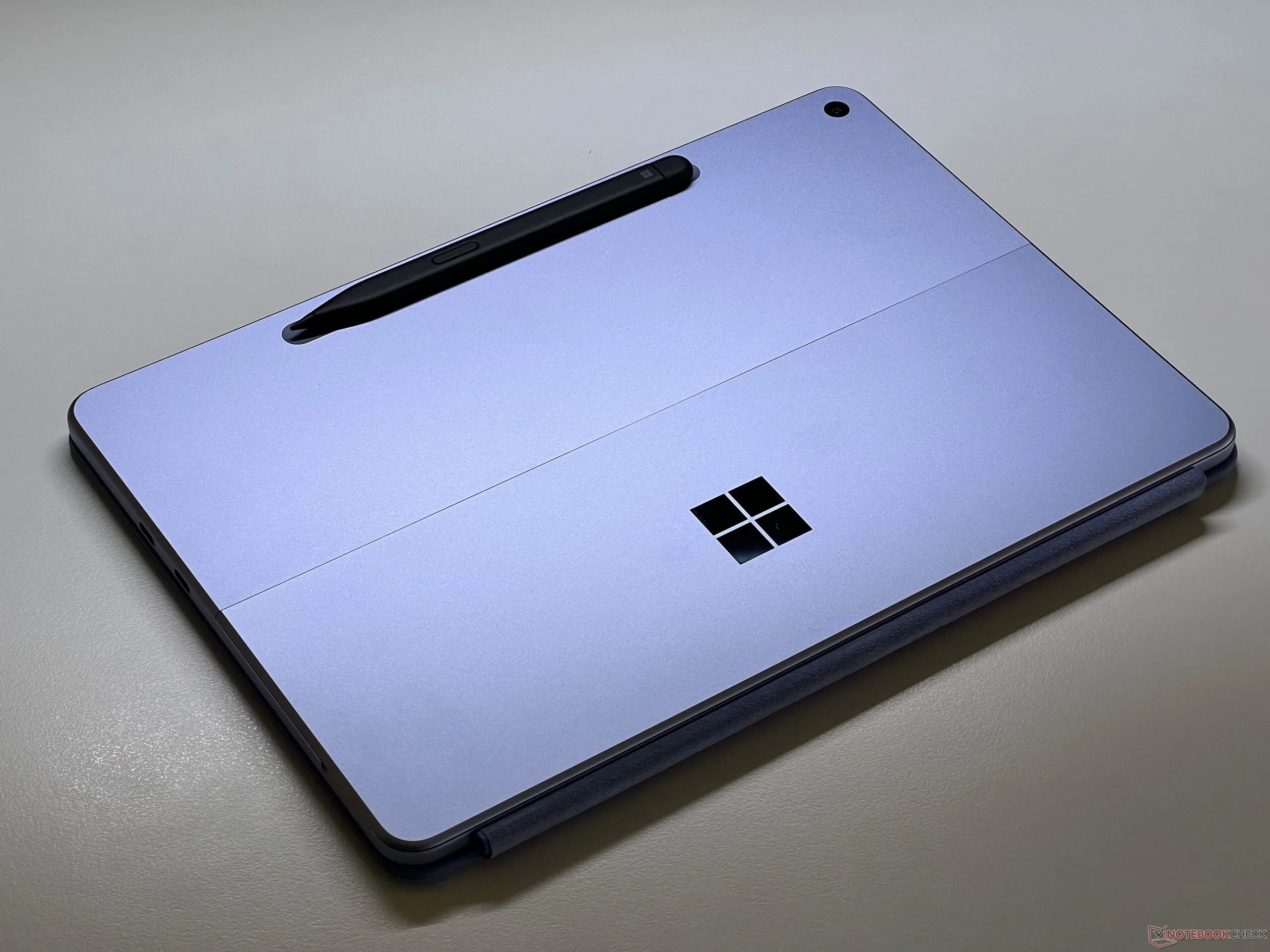
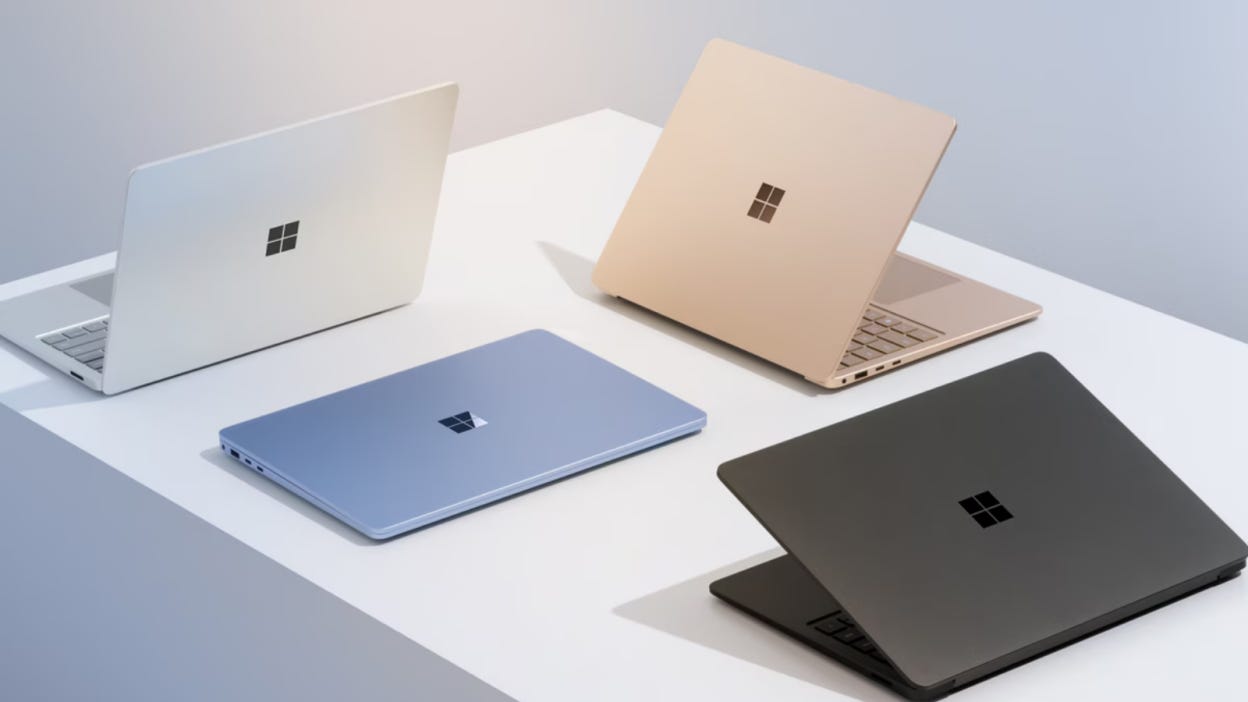
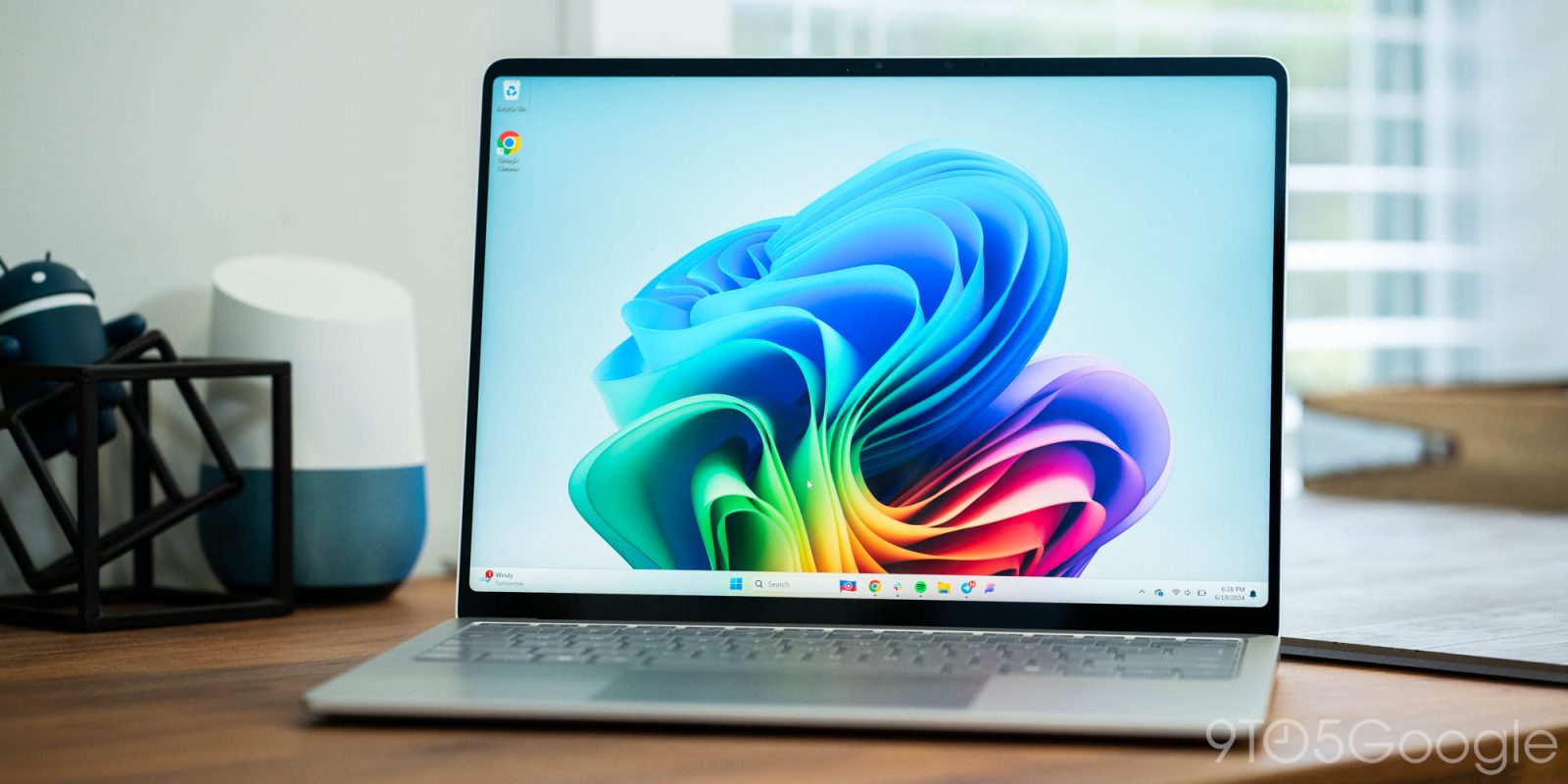
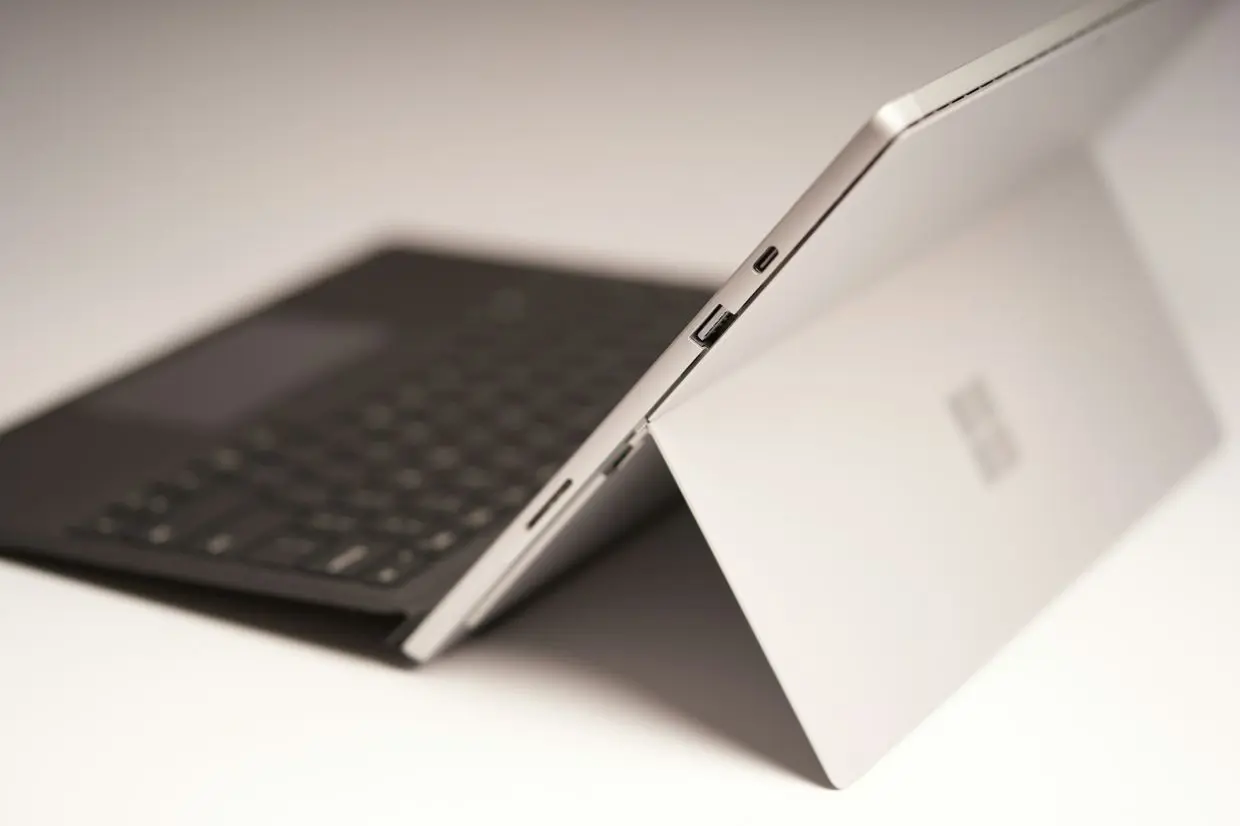
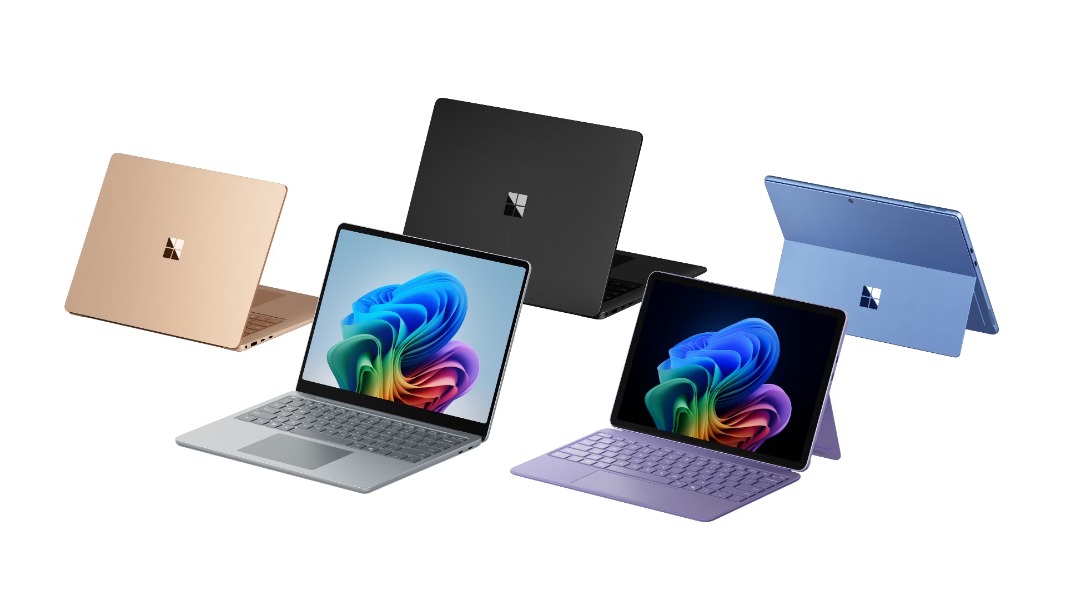
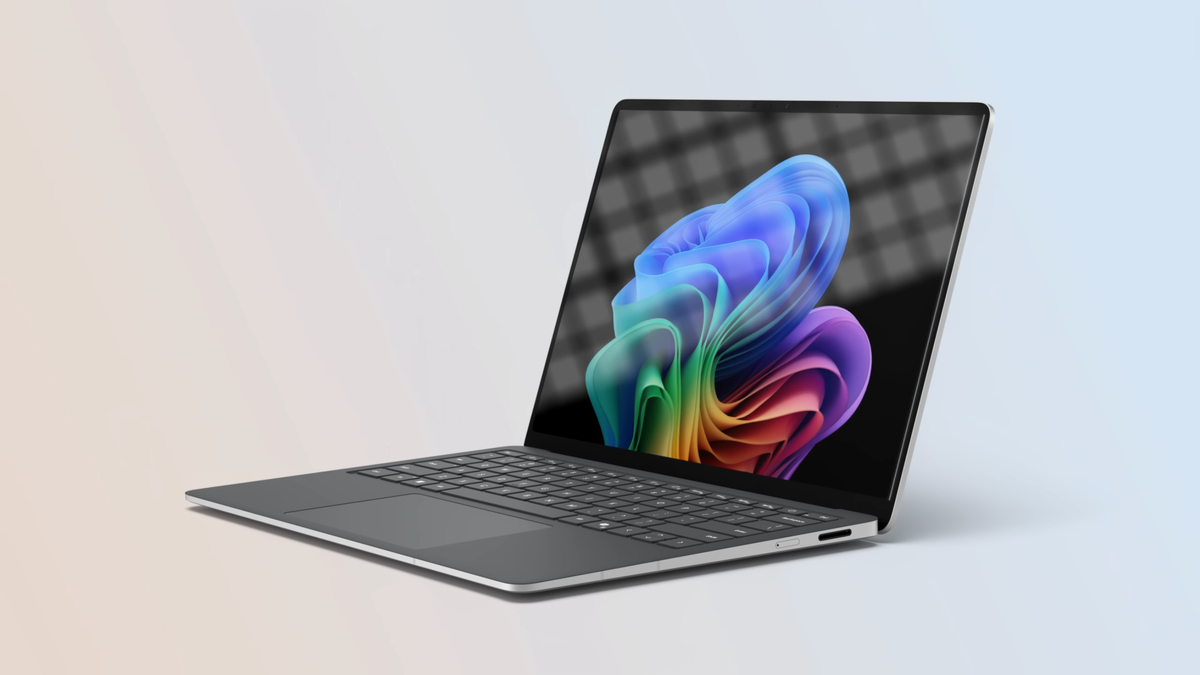
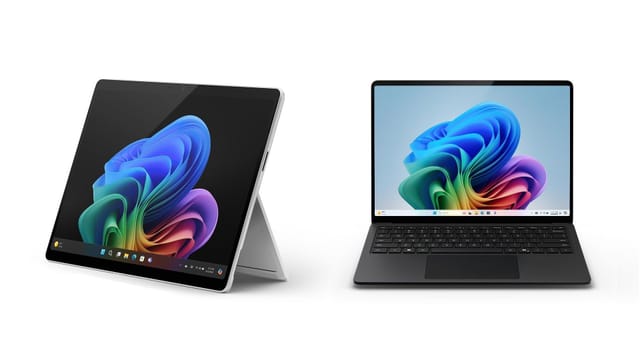
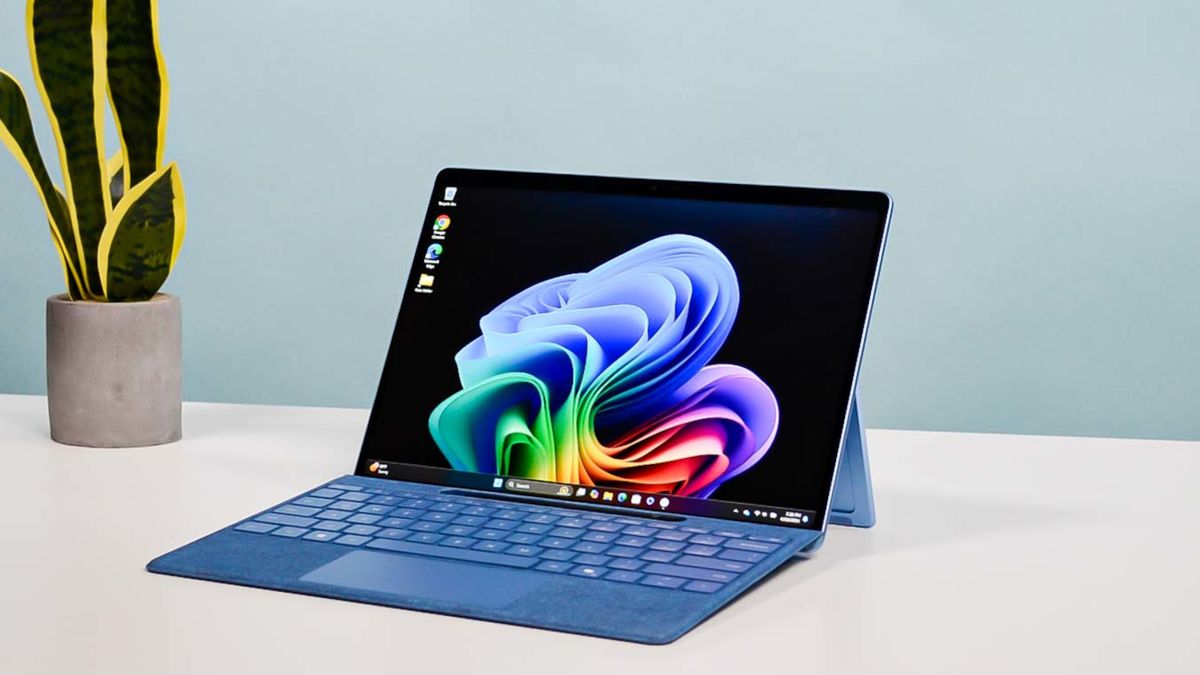
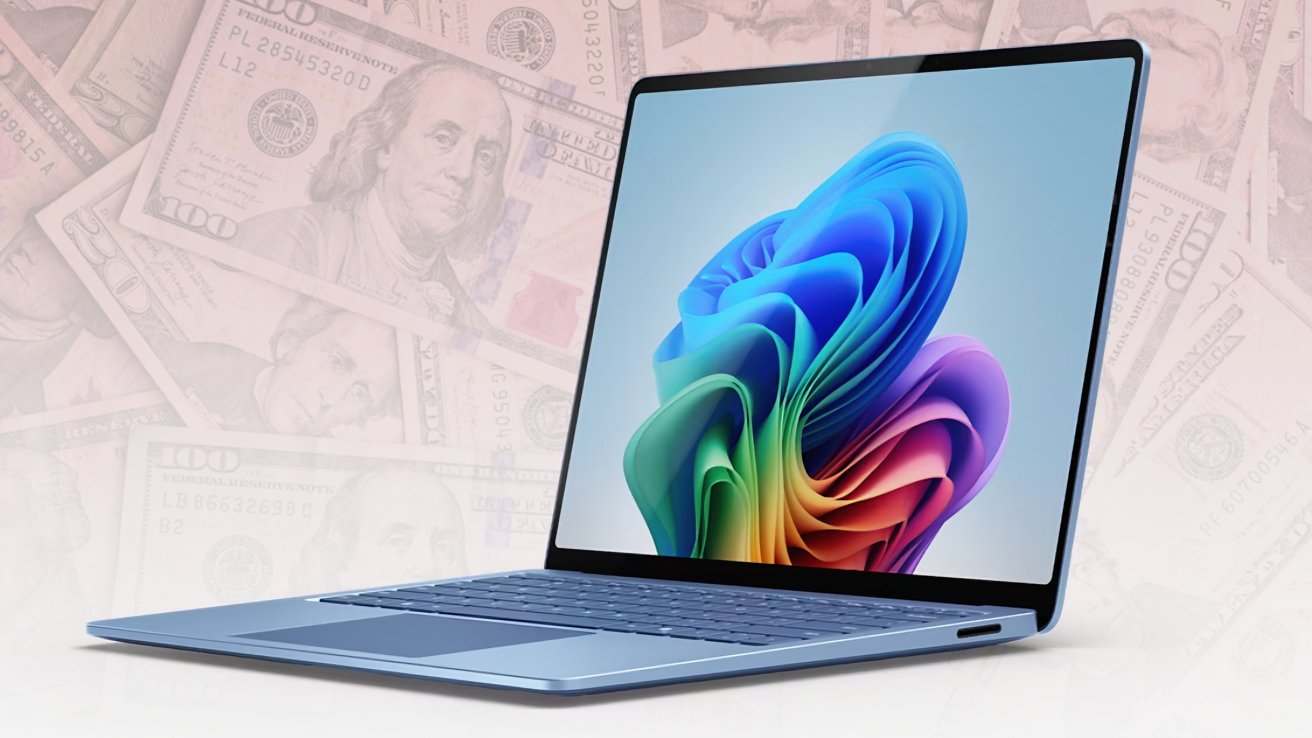
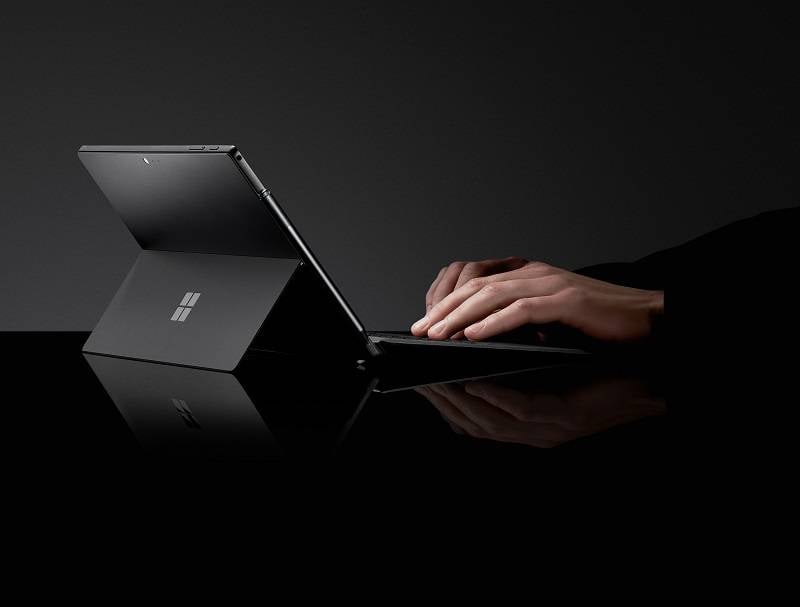
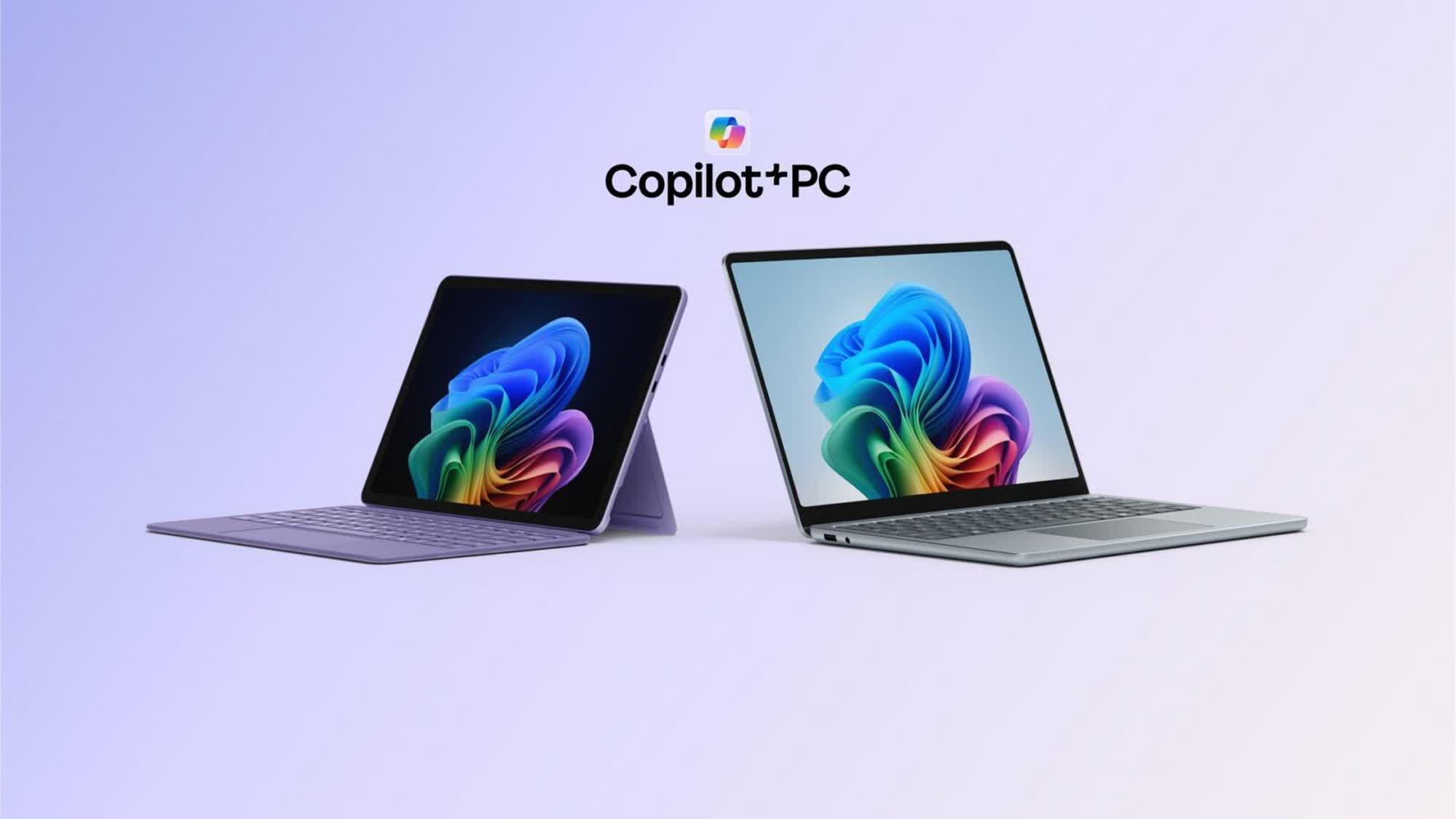
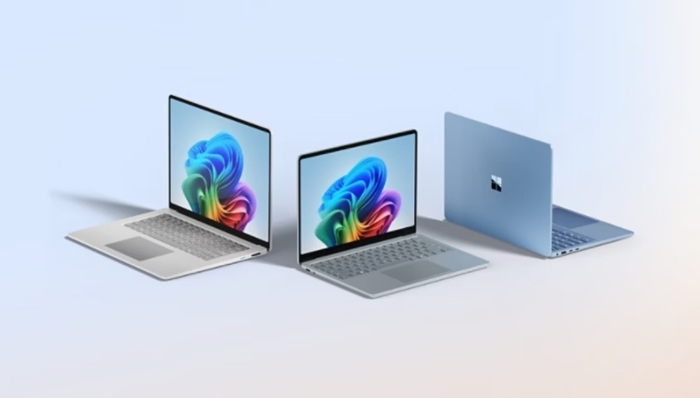
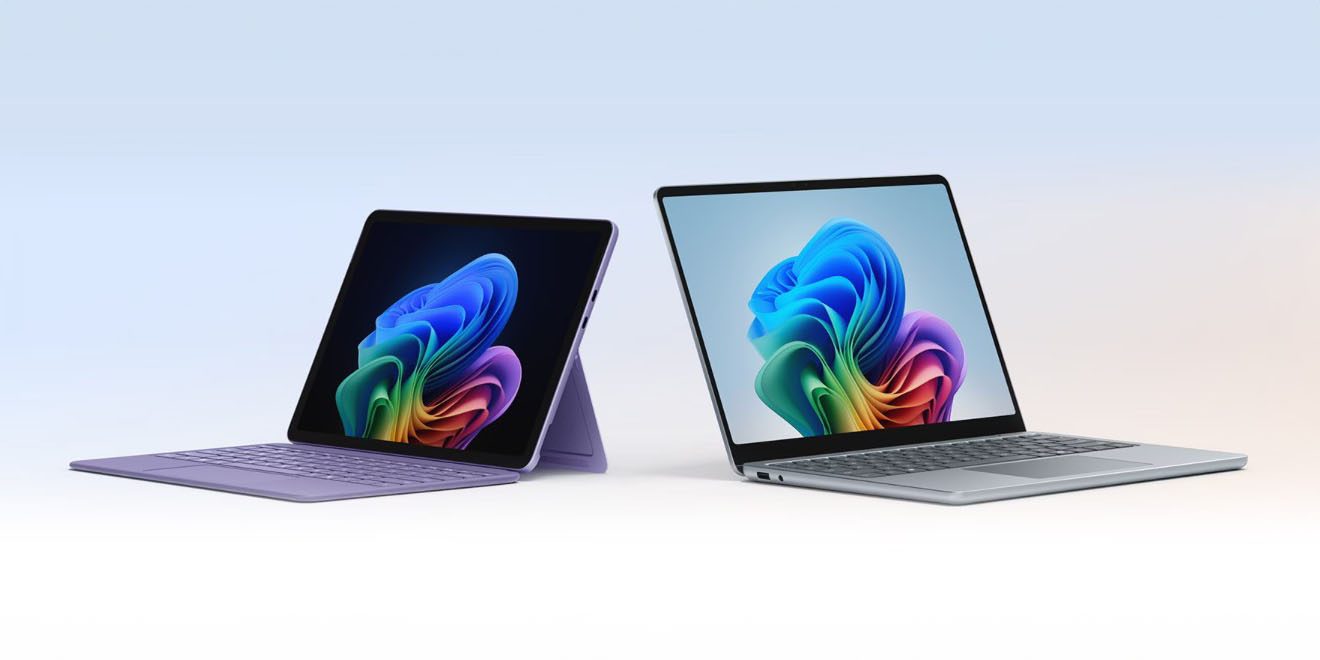
Microsoft's Surface PC lineup has experienced unprecedented price escalation, with flagship devices increasing $500 cumulatively over two years and all models now starting above $1,000—a critical threshold shift for cross-border e-commerce sellers. The 13-inch Surface Pro exemplifies this trend: $999 (2024) → $1,199 (2025) → $1,499 (2026). The highest-end Surface Laptop 15 now retails at $3,649. These increases stem from acute global RAM memory shortages driven by AI data center hardware demands, compounded by 2025 tariff-related cost pressures. Microsoft's immediate implementation across all current Surface models signals expectations that supply constraints will persist through 2025, fundamentally reshaping acquisition costs for electronics sellers.
For cross-border e-commerce sellers, this creates a three-tier impact requiring immediate AI-powered response. First, acquisition cost compression: sellers importing Surface devices face 8-15% margin reduction unless retail prices adjust proportionally. A seller previously purchasing Surface Pro at $800 wholesale now faces $1,100+ costs, reducing profit per unit from $200 to $100 on fixed $1,000 retail pricing. Second, demand elasticity shifts: price-sensitive markets (Southeast Asia, Latin America, Eastern Europe) show reduced conversion rates as entry-level devices exceed psychological price thresholds. Third, competitive landscape fragmentation: industry-wide pricing adjustments (Sony PS5 price increases, Apple MacBook premium positioning, Steam Deck constraints, Nintendo Switch 2 uncertainty at $450) create opportunities in secondary markets and refurbished segments where consumers seek value alternatives.
The broader semiconductor supply chain crisis extends beyond Surface devices to impact multiple electronics categories. Memory chip shortages affect gaming consoles, laptops, tablets, and enterprise hardware simultaneously. Sellers must recognize this as a structural supply-side shock, not temporary disruption. The AI data center boom has created sustained demand for high-bandwidth memory (HBM) chips, diverting production capacity from consumer electronics. Combined with 2025 tariff increases, this creates a "cost scissors" effect where wholesale prices rise while retail demand softens. Sellers should monitor component cost trends across categories and adjust procurement strategies accordingly. The competitive advantage now flows to sellers who can: (1) accurately predict demand elasticity at new price points using AI demand forecasting, (2) dynamically adjust pricing in real-time based on competitor moves and inventory levels, (3) identify and capitalize on refurbished/secondary market opportunities where margin recovery is possible, and (4) shift inventory allocation toward lower-cost alternatives (budget MacBook Neo, Nintendo Switch 2 positioning) that capture price-sensitive segments.
Questions 8
What is the specific margin impact for cross-border sellers importing Surface devices?
Cross-border sellers face 8-15% margin compression on Surface devices. For example, a seller previously purchasing Surface Pro at $800 wholesale now faces $1,100+ acquisition costs. If retail pricing remains fixed at $1,000, profit per unit drops from $200 to $100—a 50% margin reduction. This impact varies by market: developed markets (US, EU) can absorb price increases through retail adjustments, while price-sensitive regions (Southeast Asia, Latin America, Eastern Europe) experience demand elasticity where higher entry prices reduce conversion rates. Sellers must reassess inventory levels, pricing strategies, and product positioning immediately to avoid inventory devaluation and margin compression.
How much have Microsoft Surface prices increased and what's driving the cost escalation?
Microsoft Surface prices have surged dramatically: the 13-inch Surface Pro increased $500 cumulatively from $999 (2024) to $1,499 (2026), while the Surface Laptop 15 now costs $3,649. Price hikes range from $100-$500 per device across the entire lineup. The primary driver is the global RAM memory shortage caused by AI data center hardware demands consuming high-bandwidth memory (HBM) chips that would normally supply consumer electronics. Secondary factors include 2025 tariff-related increases and elevated semiconductor production costs. Microsoft's immediate implementation across all current models signals these constraints will persist through 2025, making this a structural supply-side shock rather than temporary disruption.