


Nintendo's Nostalgic Gaming Renaissance Transforms Digital Subscription Strategy
- Classic Game Revival Signals Strategic Shift in Gaming Monetization





.png?width=570&quality=85&format=jpg&dpr=3&auto=webp)
Overview
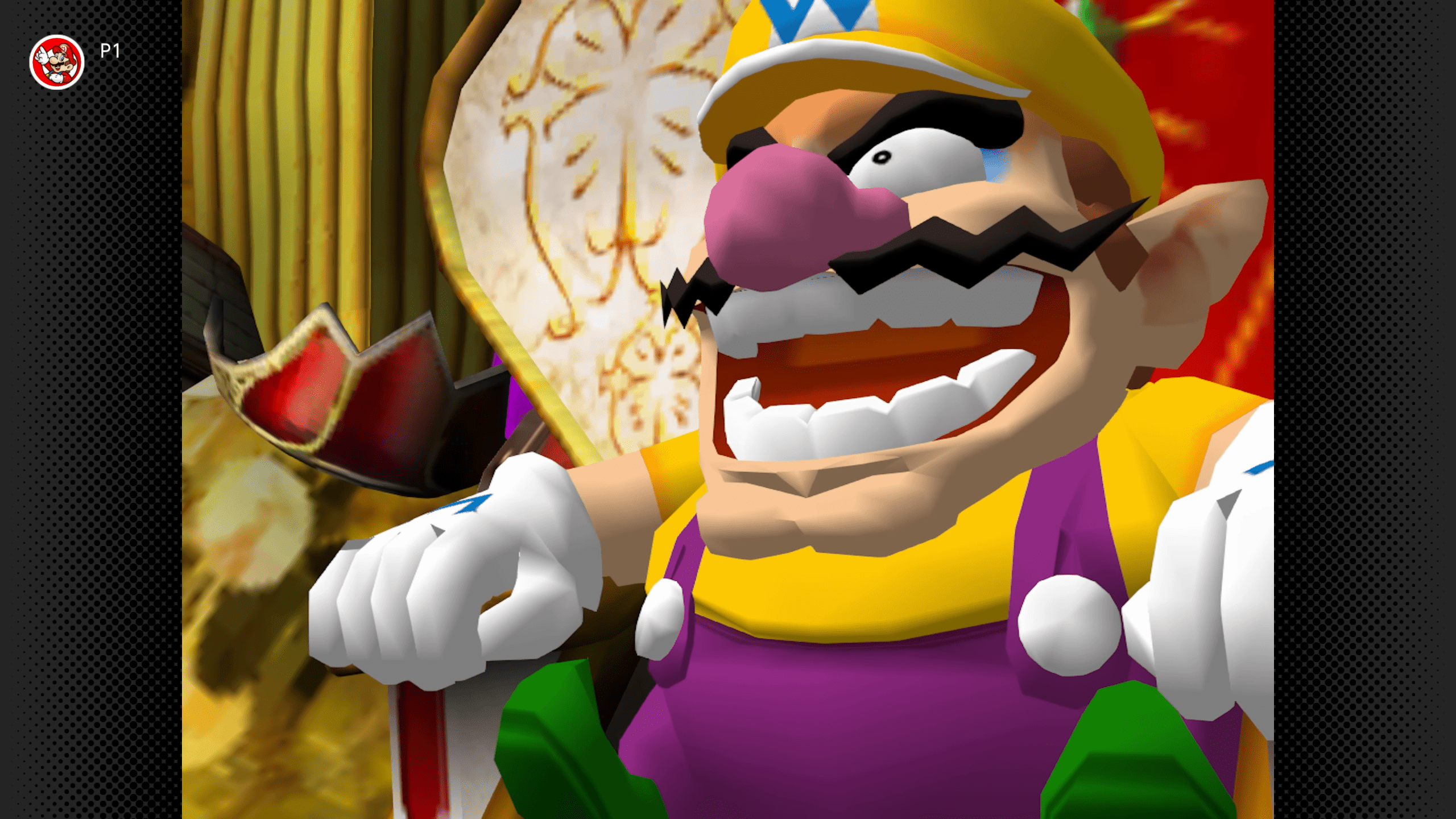
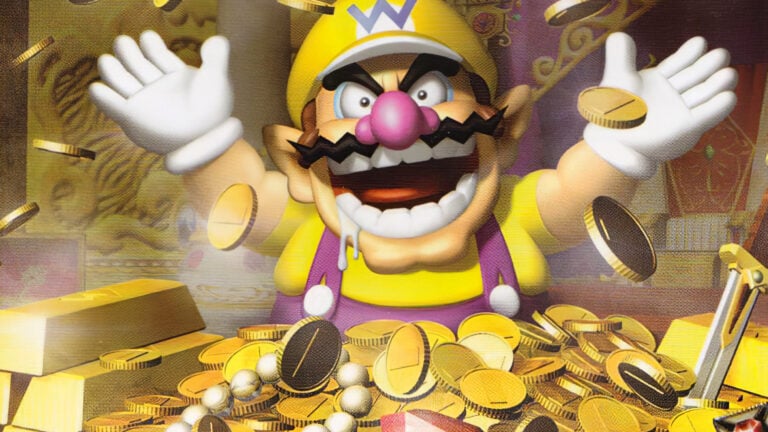
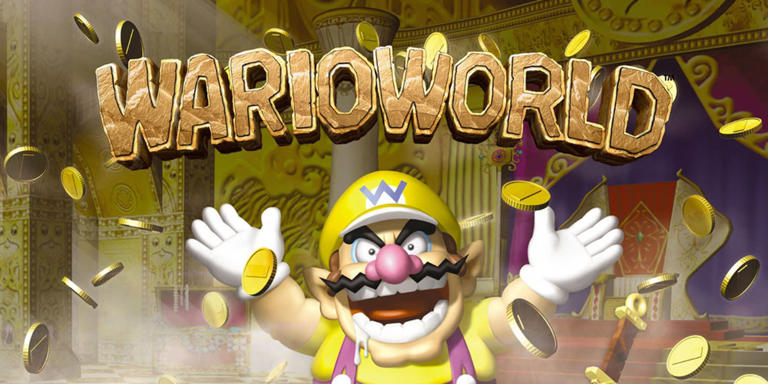
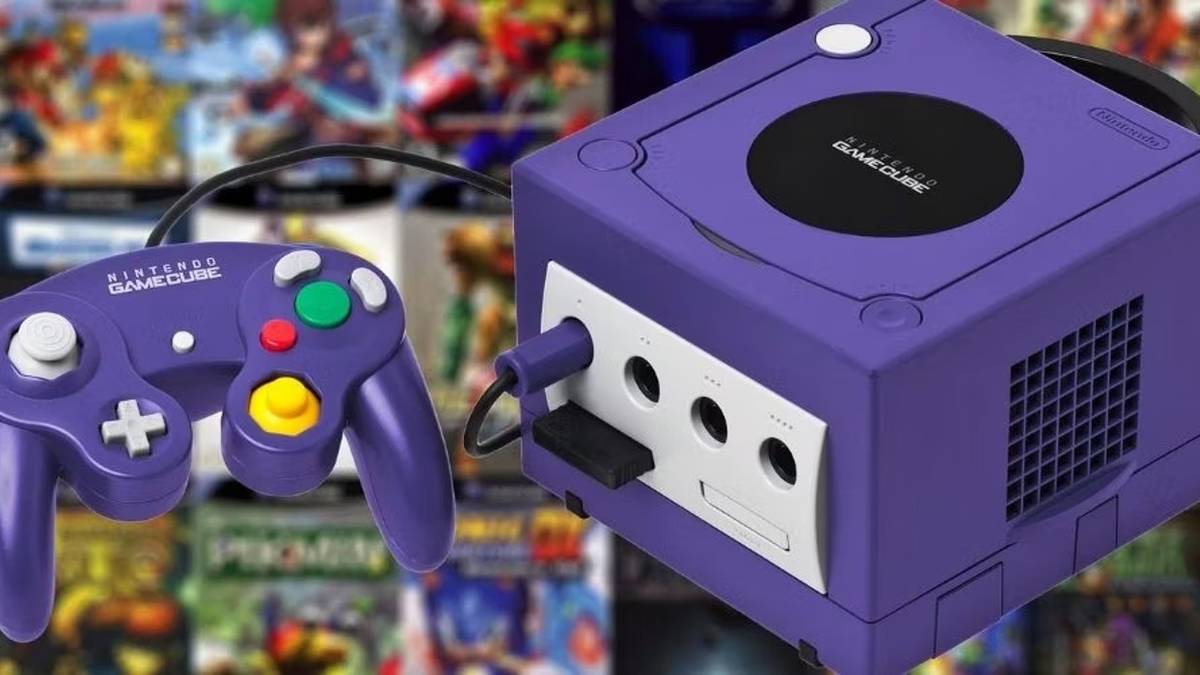
Nintendo is pioneering a sophisticated digital preservation and monetization strategy by strategically reintroducing classic GameCube titles through its Switch Online service. The addition of Wario World, a 2003 3D platformer, represents more than a simple game release—it's a calculated move to transform nostalgic gaming experiences into a sustainable revenue stream.
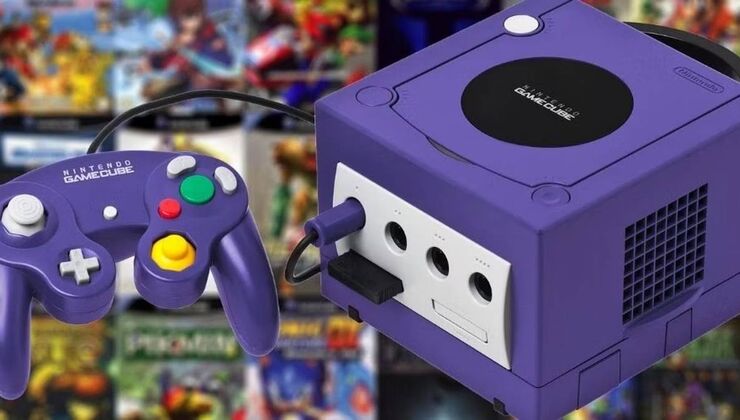
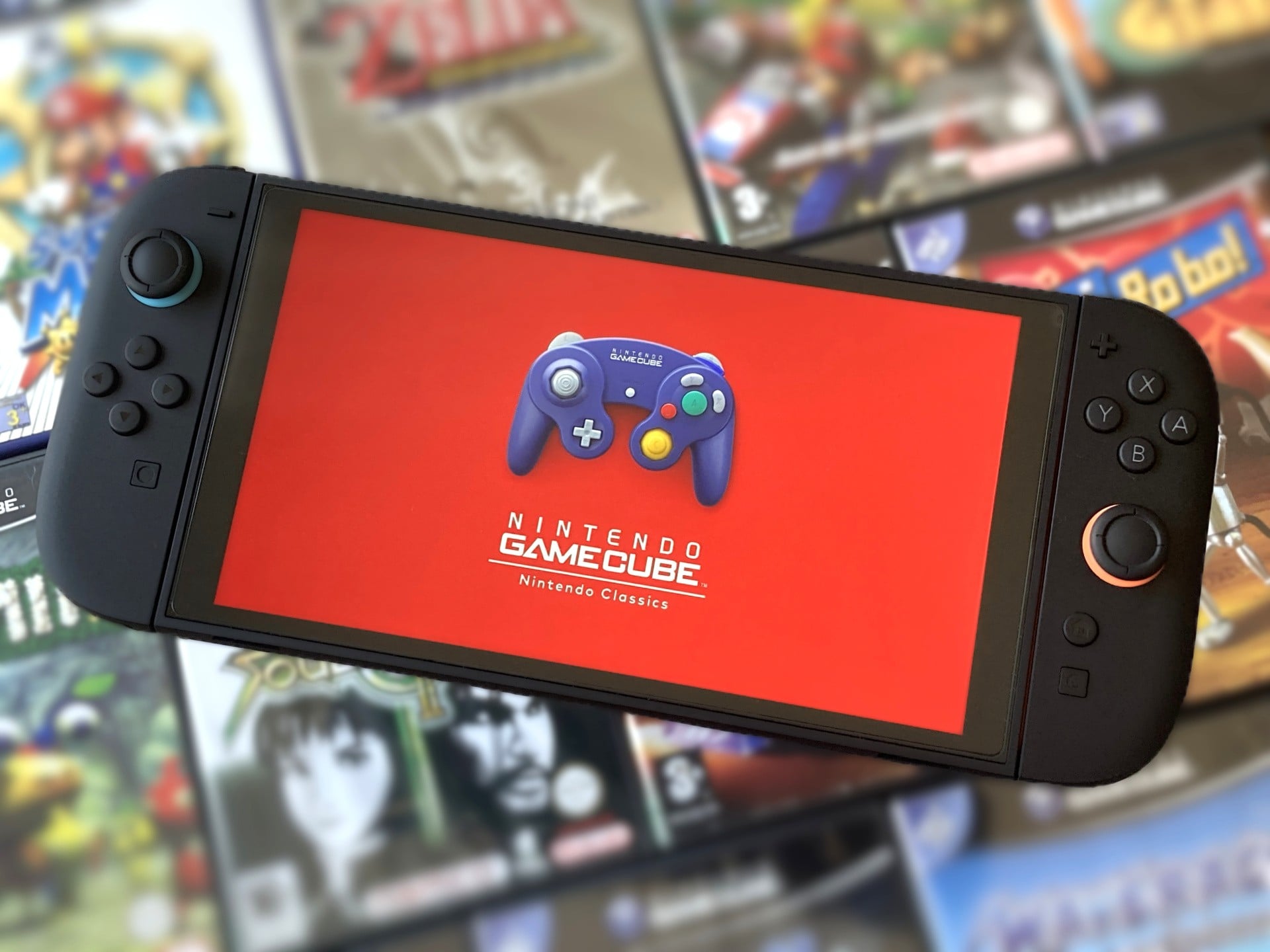
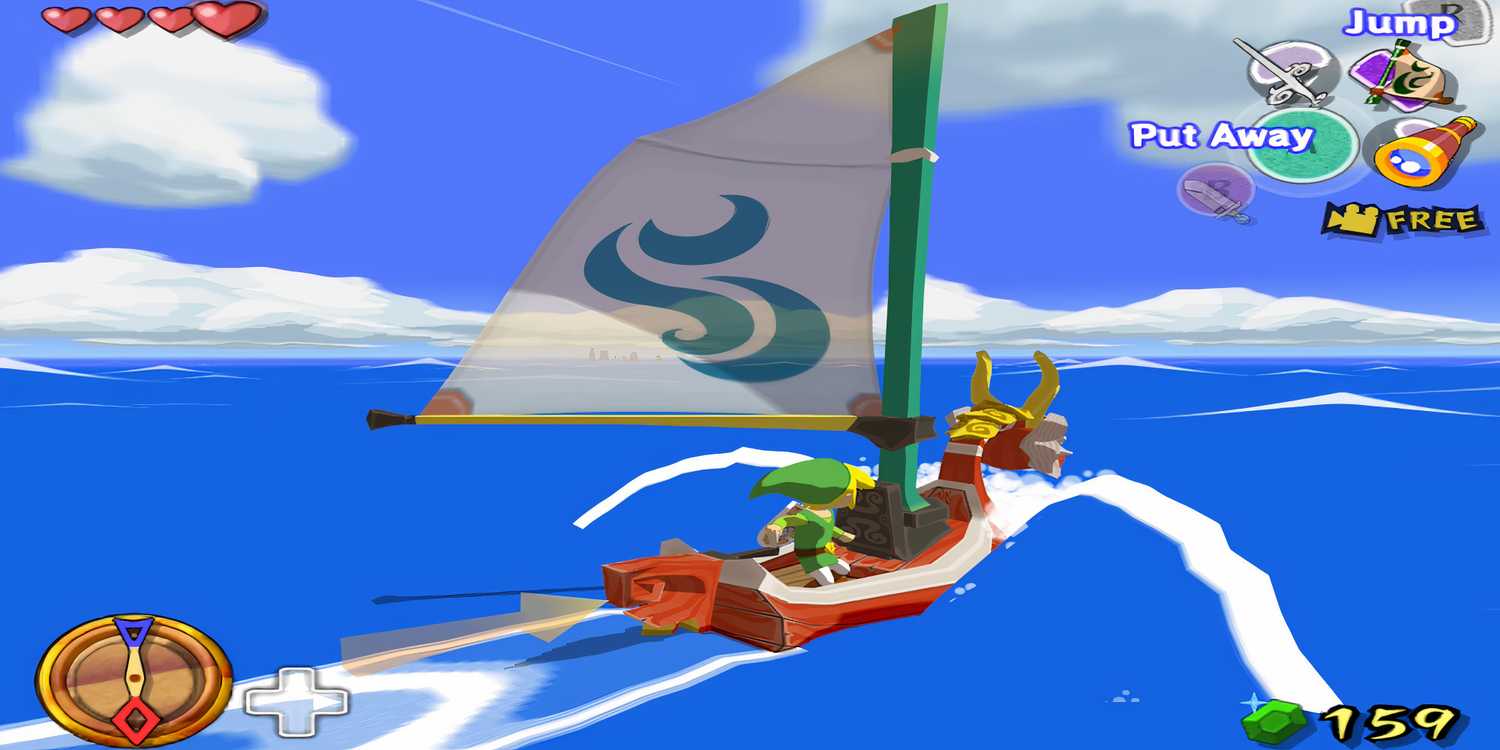
The GameCube Classics initiative reveals a nuanced approach to digital content strategy. By carefully curating a library of beloved titles like Wario World, Luigi's Mansion, and The Legend of Zelda: The Wind Waker, Nintendo is creating a compelling value proposition for its $39.99 annual Expansion Pack subscription. This isn't just about reselling old games; it's about crafting a comprehensive digital museum of gaming history that appeals to both veteran players and a new generation of gamers.
The strategic implications are profound. Nintendo is effectively turning its extensive back catalog into a recurring revenue model, mitigating the traditional challenges of game monetization. The seven GameCube titles currently available, with confirmed future additions like Super Mario Sunshine and Fire Emblem: Path of Radiance, suggest a methodical, long-term content rollout strategy. By leveraging nostalgia and providing access to hard-to-find classic games, Nintendo creates a unique value proposition that goes beyond traditional game sales.
Moreover, the partnership with Treasure, the game's original developer, highlights a collaborative approach to digital game preservation. With six of Treasure's games now available across Nintendo's platforms, this strategy supports game developers while creating a rich, diverse gaming ecosystem that bridges generational gaming experiences.
The Wario World release symbolizes a broader trend of digital content transformation—where historical gaming artifacts become valuable, monetizable assets through strategic digital distribution. Nintendo is not just selling games; they're selling memories, experiences, and a connection to gaming's rich history.
Questions 3
Why is Nintendo re-releasing classic GameCube games?
Nintendo is creating a new revenue stream by monetizing its extensive game library through the Switch Online Expansion Pack. By offering nostalgic titles like Wario World, they're providing value to subscribers while generating recurring income from classic games that have enduring appeal.
What makes the Nintendo Switch Online Expansion Pack attractive to gamers?
The Expansion Pack offers access to rare, classic games like Wario World that are difficult to play on modern systems. At $39.99 annually, it provides a cost-effective way to experience nostalgic titles across multiple gaming platforms, including Nintendo 64, GameCube, and Sega Mega Drive games.