


Mexico's Tariff Tsunami Reshapes Asian Trade Dynamics
- Protectionist Policy Triggers Massive Realignment in Cross-Border Manufacturing Strategies
)







)






















Overview
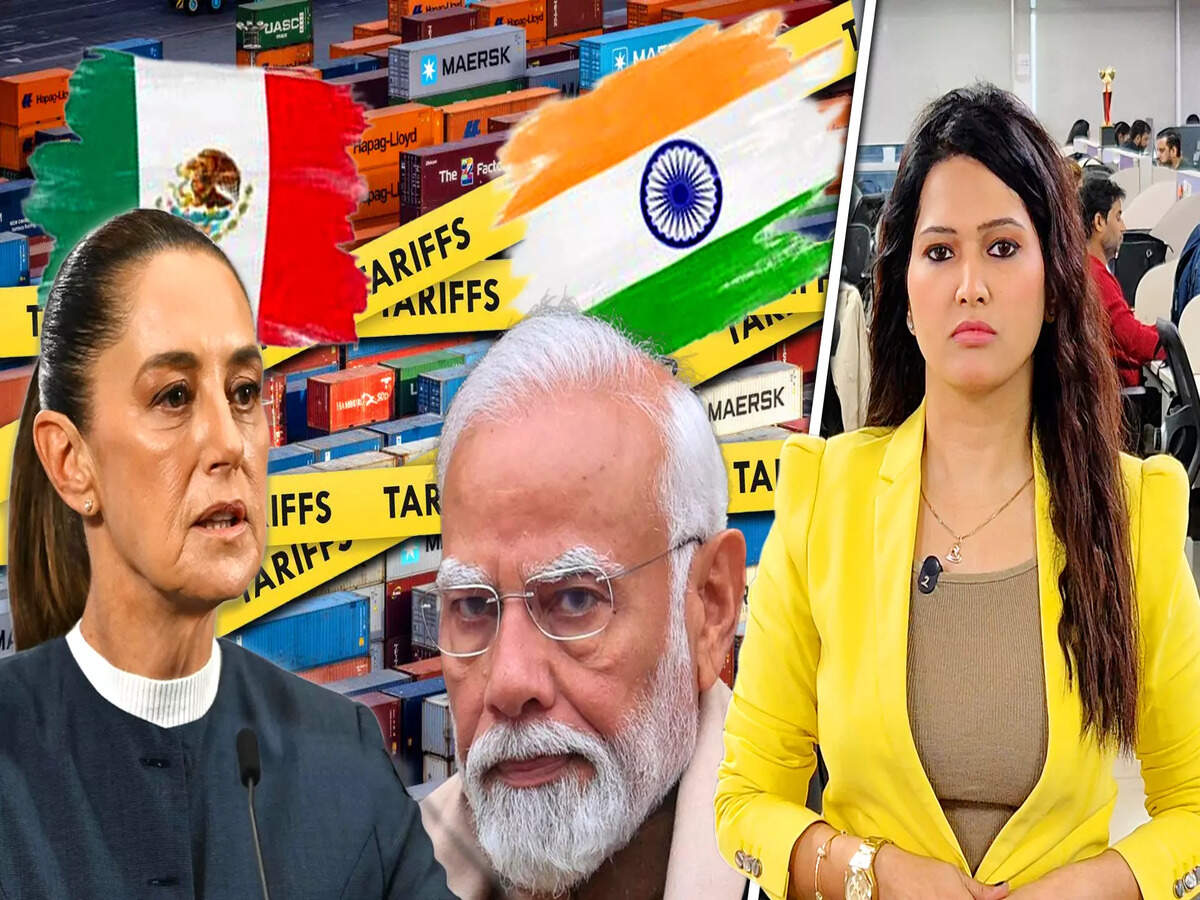
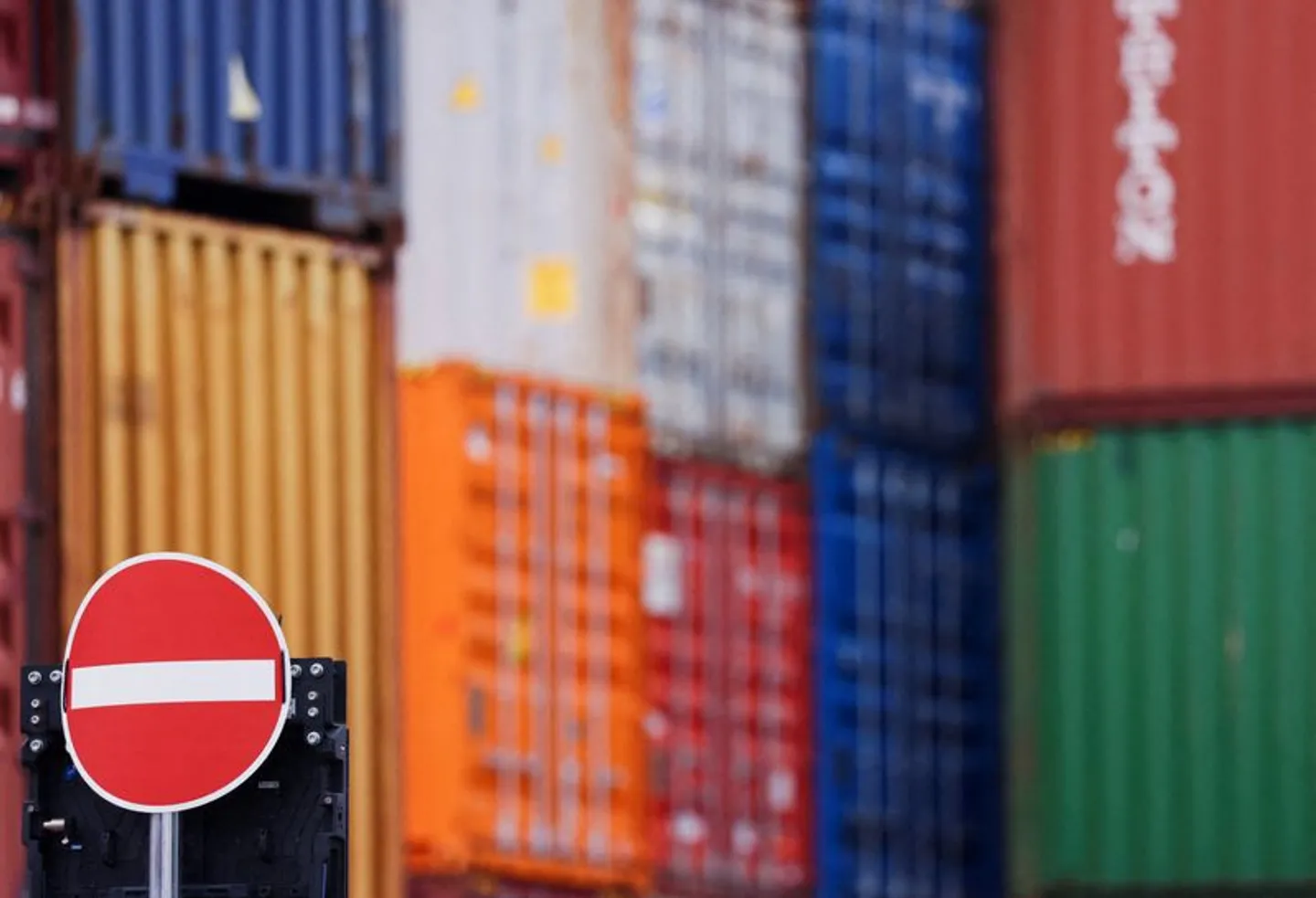
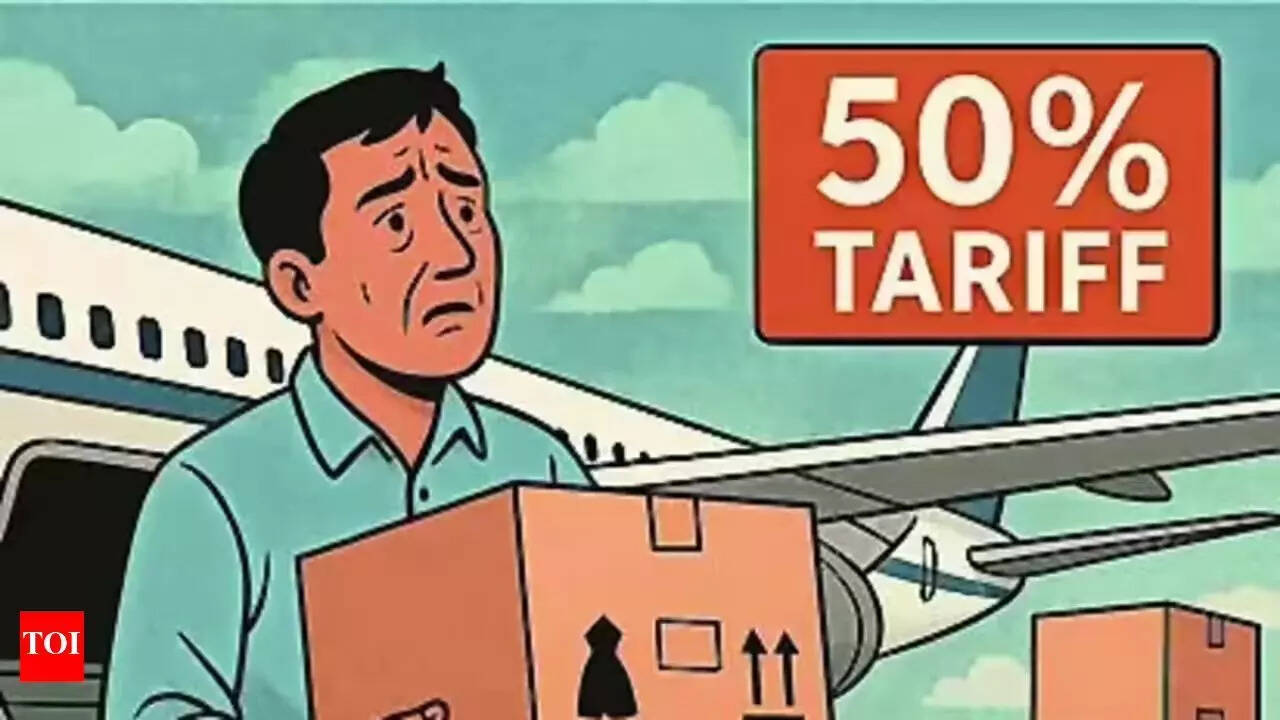
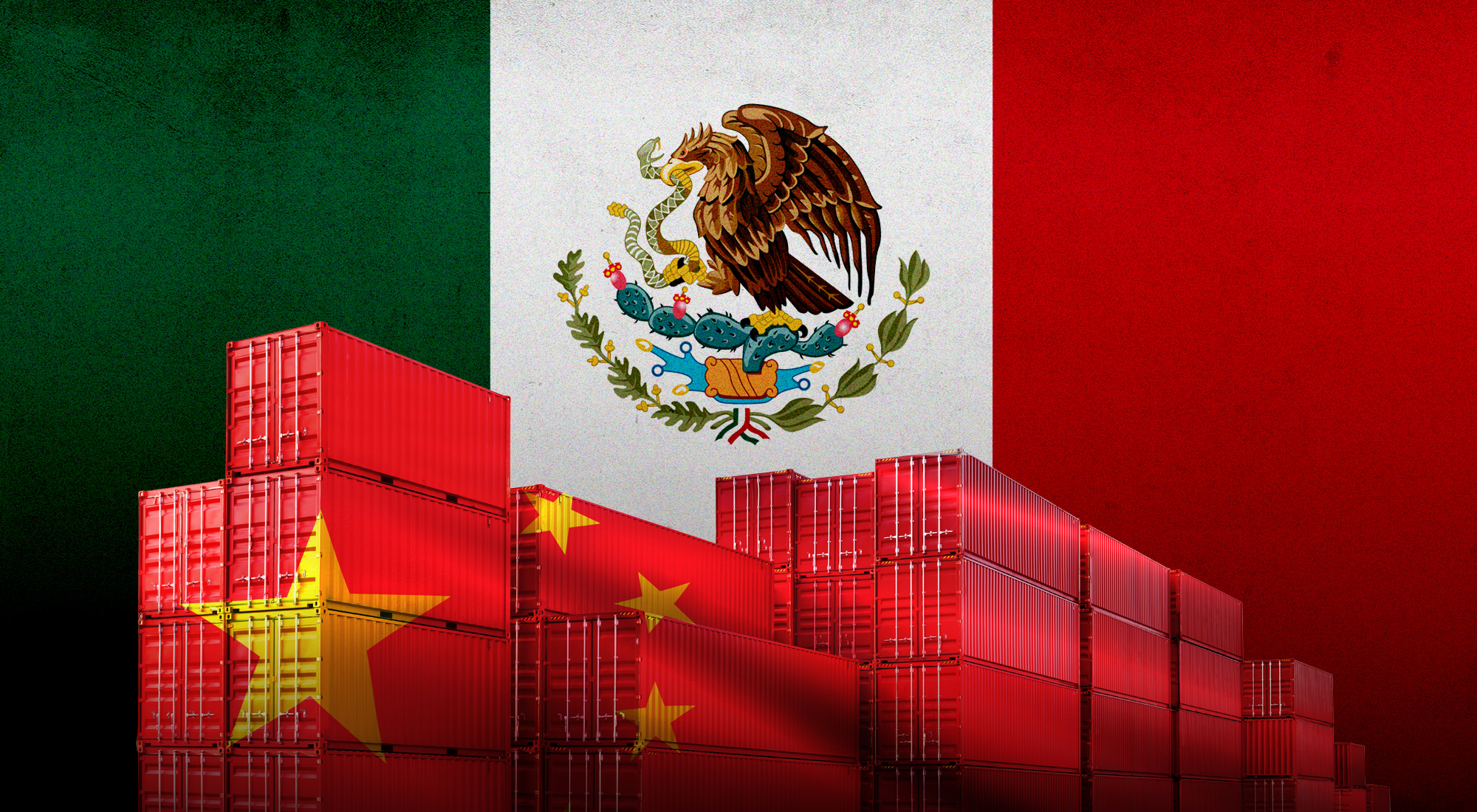
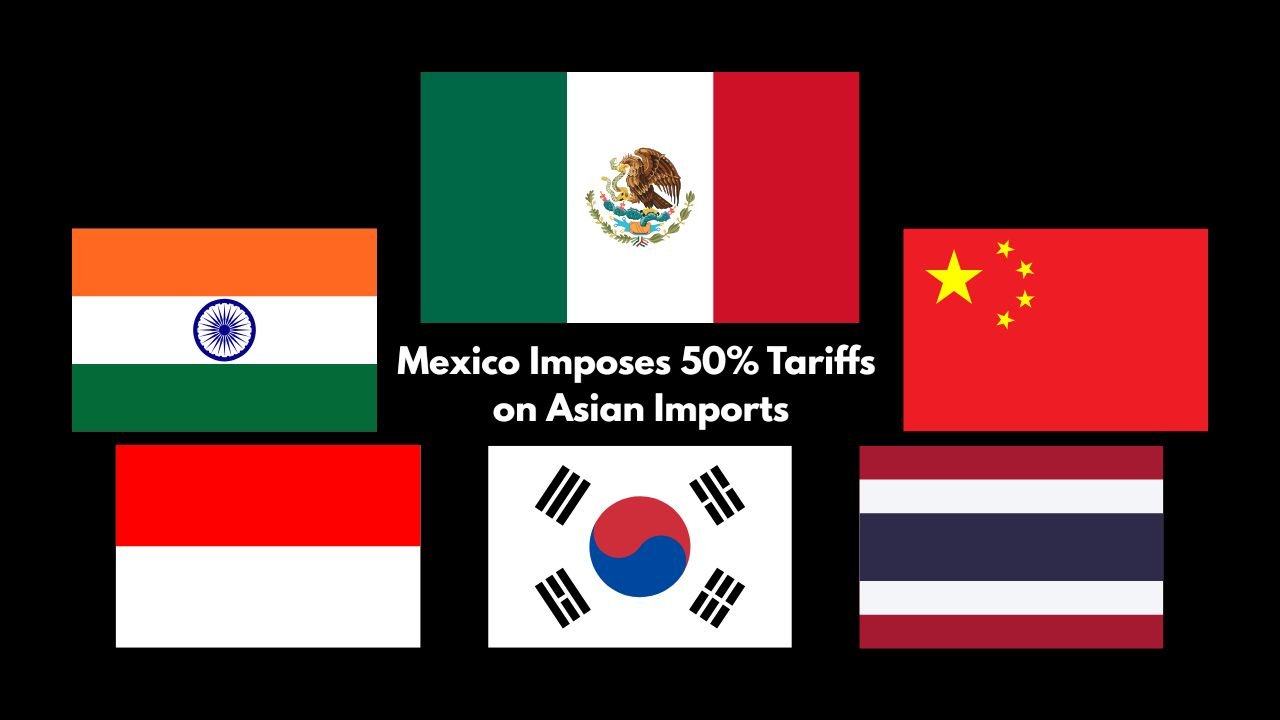
Mexico's unprecedented tariff strategy represents a seismic shift in international trade dynamics, signaling a calculated move to restructure regional manufacturing ecosystems. By imposing tariffs up to 50% on Asian imports, Mexico is executing a multi-dimensional economic chess game that extends far beyond simple protectionism.
The strategic complexity lies in Mexico's targeted approach. With a $130 billion trade relationship with China and significant automotive imports from India, these tariffs are precisely calibrated to achieve multiple objectives. First, they create a protective shield for domestic manufacturers, particularly in high-value sectors like automotive, electronics, and textiles. Second, the policy aligns closely with United States-Mexico-Canada trade review expectations, potentially positioning Mexico as a more attractive regional manufacturing hub.
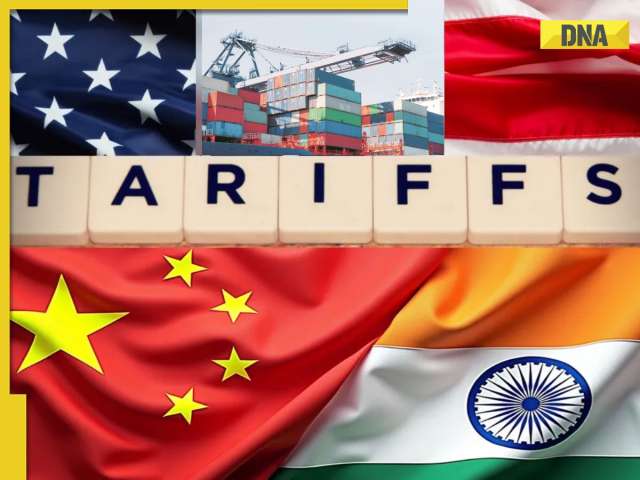
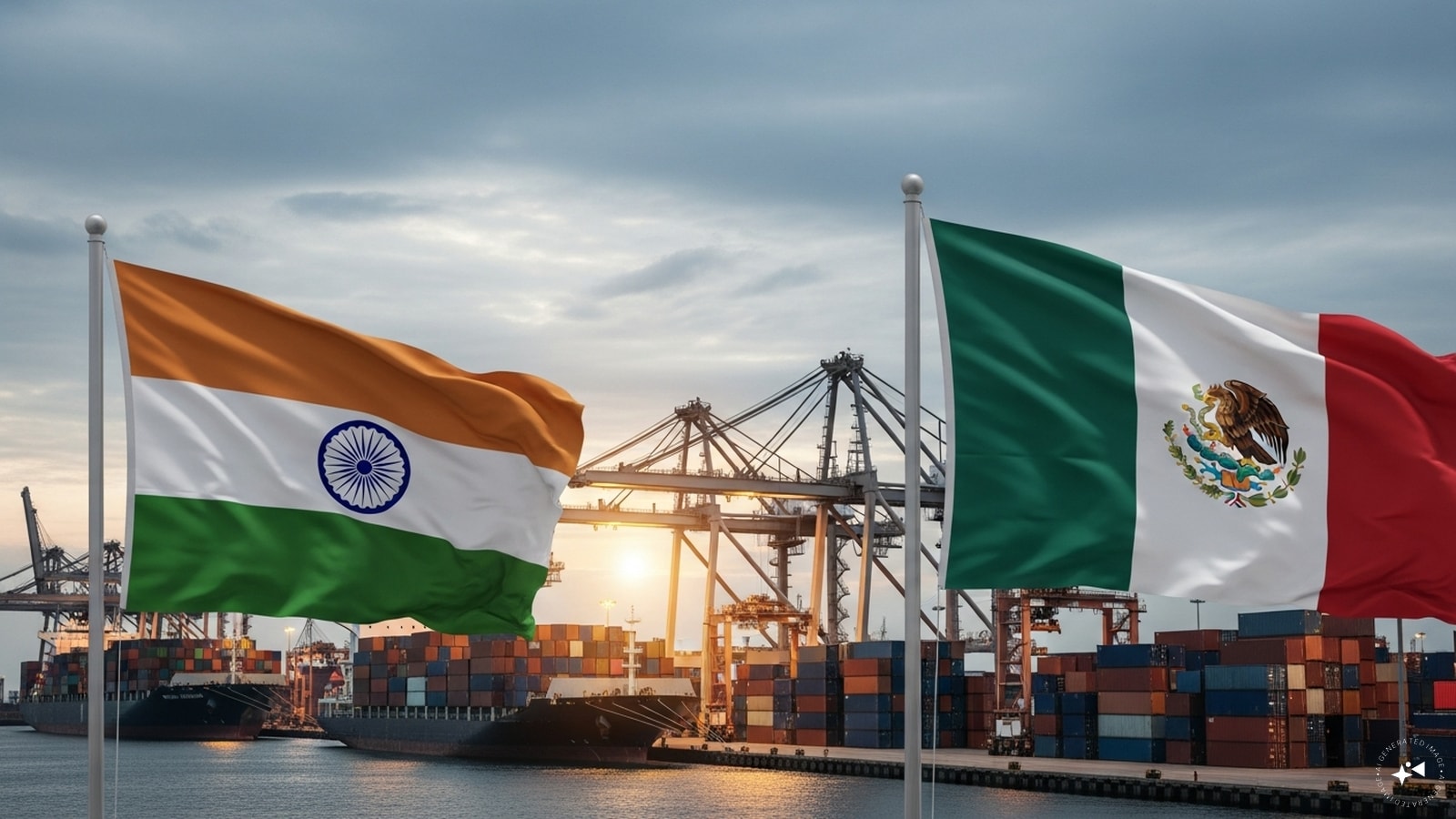
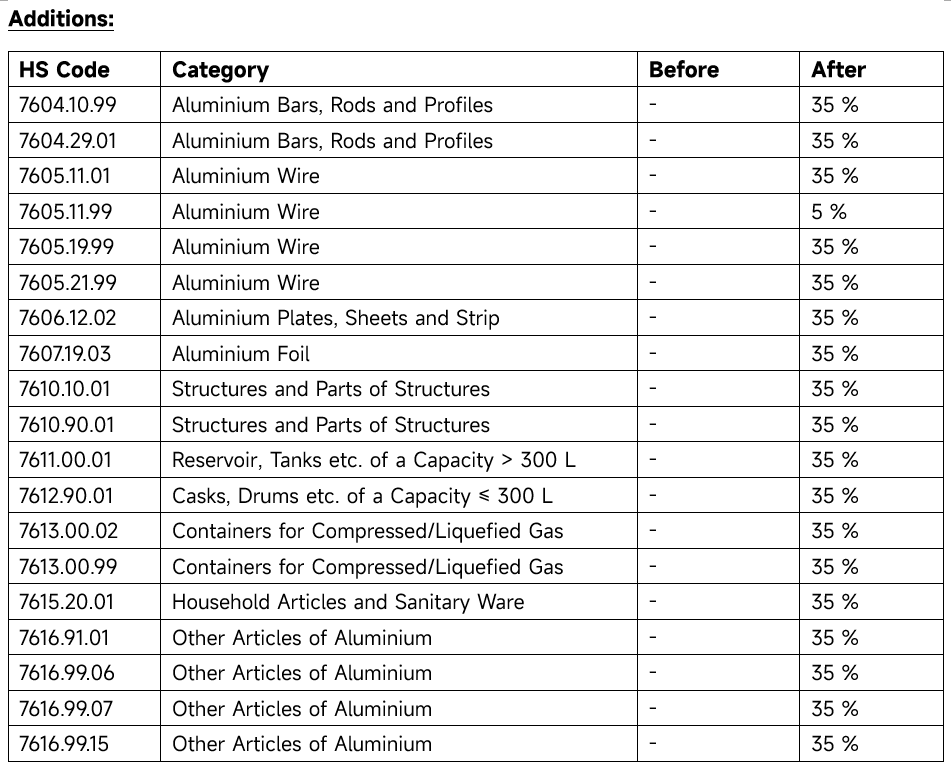
For Asian exporters, the implications are profound. Indian automotive manufacturers face potential disruption of $1 billion in export shipments, with duties rising from 20% to 50%. Similarly, Chinese manufacturers confronting a substantial barrier to market entry will need to rapidly reevaluate their global sourcing and export strategies. The tariffs target over 1,400 product categories, from auto parts to household appliances, creating a comprehensive restructuring of cross-border trade dynamics.
The timing and breadth of these tariffs suggest a coordinated geopolitical strategy. Mexico isn't just protecting domestic industries; it's strategically repositioning itself in the global manufacturing landscape. By creating significant cost barriers for Asian imports, the country is effectively incentivizing manufacturers to consider Mexico as an alternative production base or market entry point.
Critically, this move reflects a broader global trend of strategic trade policy as an economic weapon. Countries are increasingly using tariffs not just as revenue generators, but as sophisticated tools for industrial policy, geopolitical positioning, and economic restructuring. For international businesses, this signals an era of unprecedented complexity in cross-border trade strategies.
Questions 3
What strategic motivations might Mexico have beyond protecting domestic industries?
Mexico appears to be positioning itself strategically within North American trade dynamics, potentially appeasing the United States while creating opportunities for domestic manufacturing development. The tariffs could also be a calculated move to attract manufacturers seeking alternatives to Chinese production bases.
Which industries are most affected by Mexico's new tariff policy?
The automotive sector is most dramatically impacted, with Indian car exporters facing potential disruption of $1 billion in shipments. Additionally, sectors like electronics, textiles, household appliances, and auto parts will see substantial challenges in maintaining current export volumes.