


Bolivia's Corruption Crackdown Signals Seismic Shift in Political Accountability
- Landmark arrest exposes systemic governance risks for emerging market investors







)








Overview
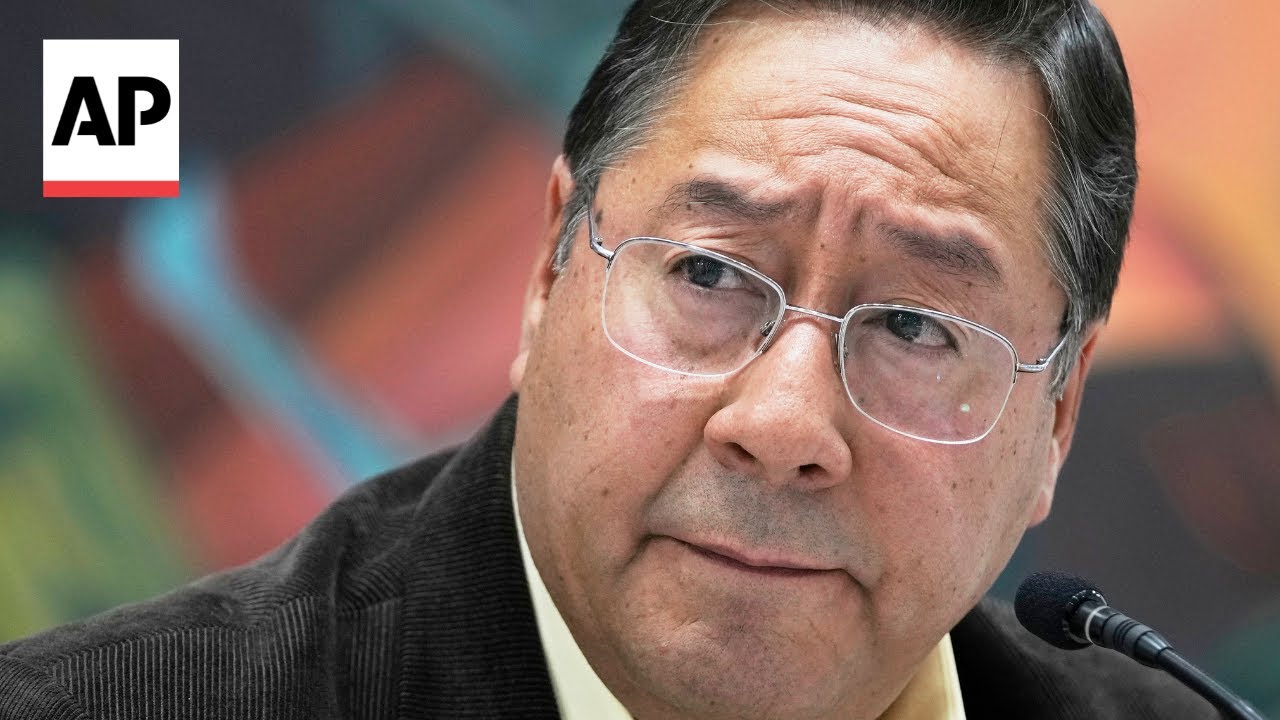
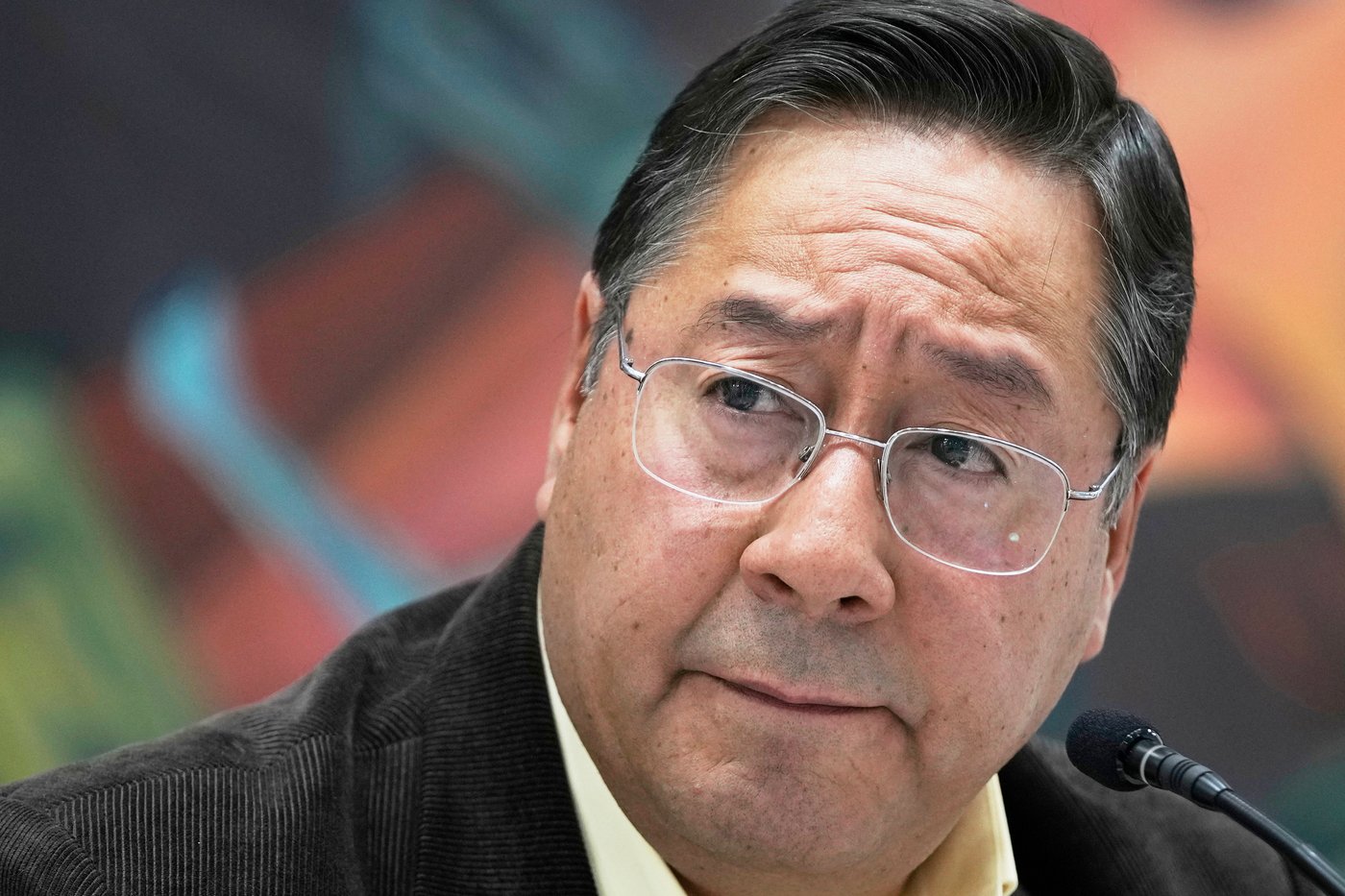
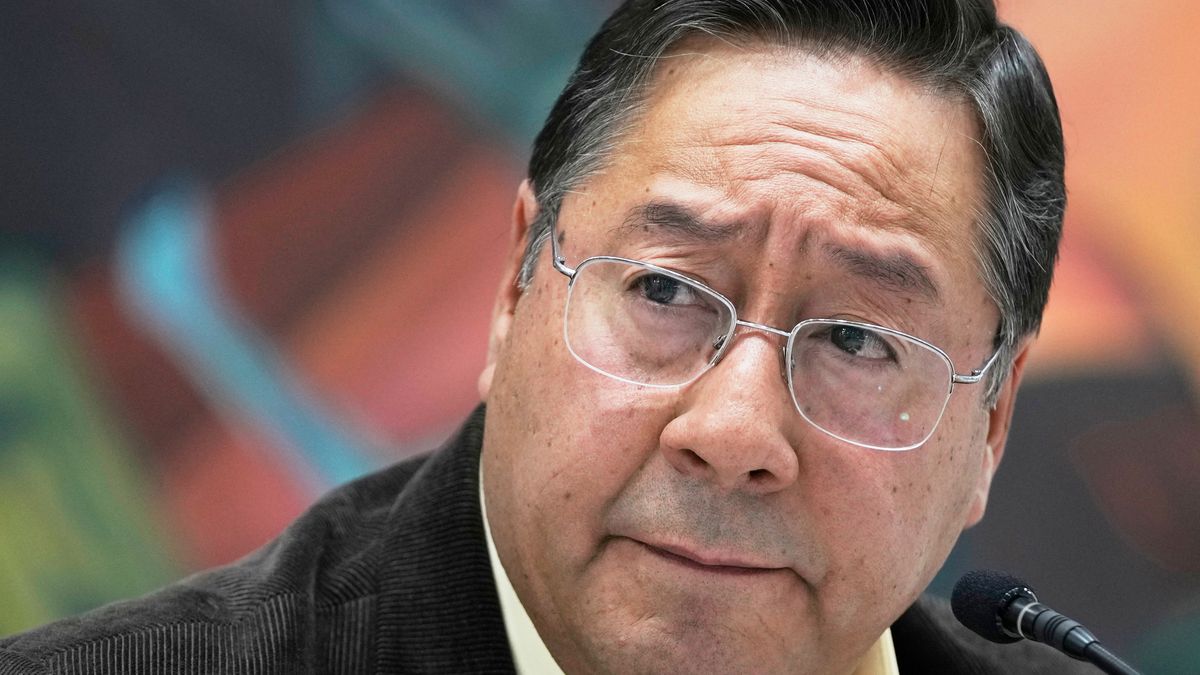
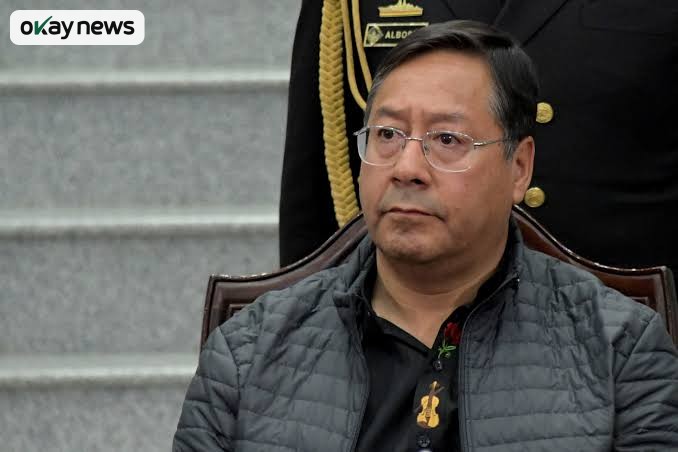
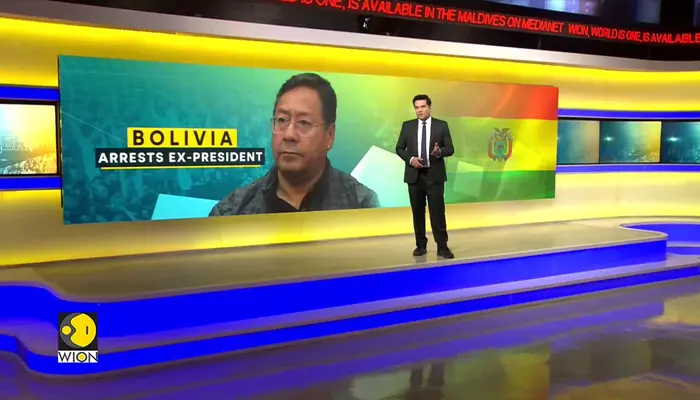
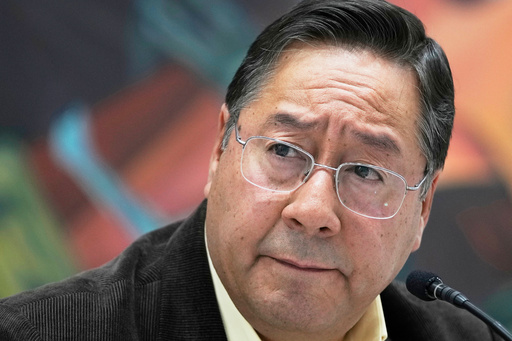
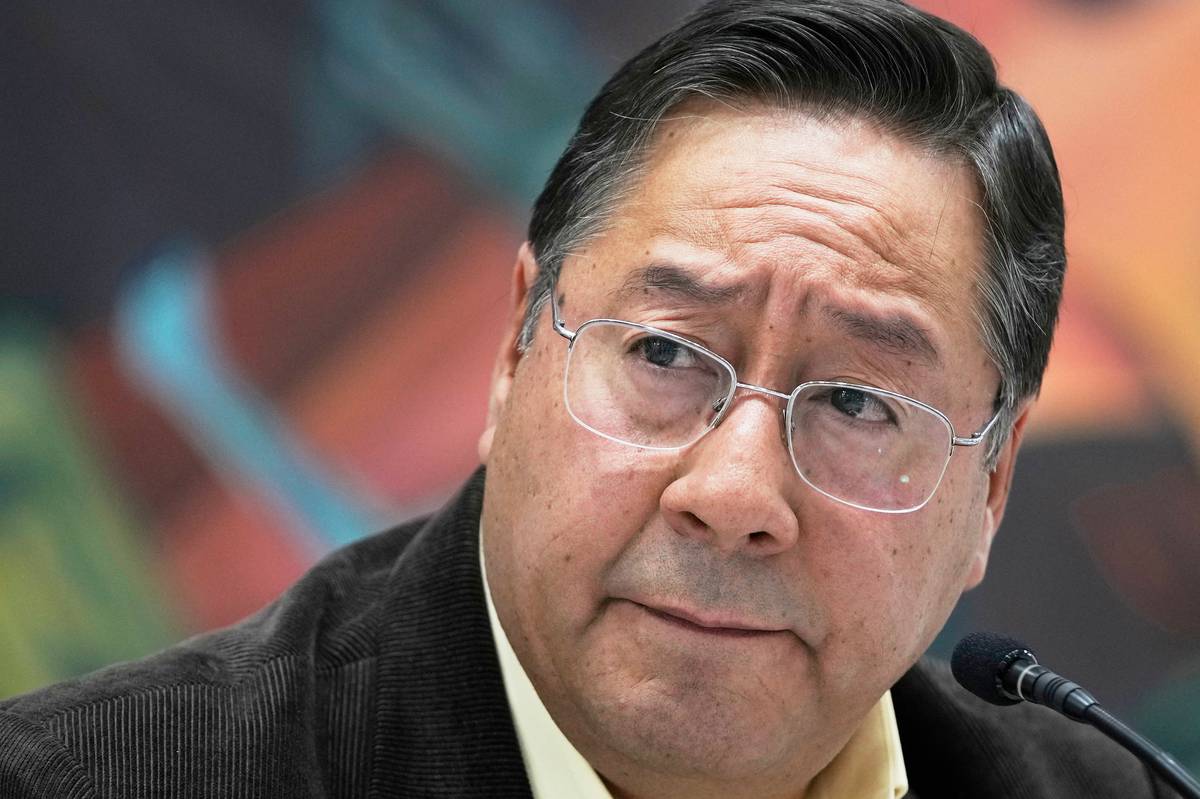
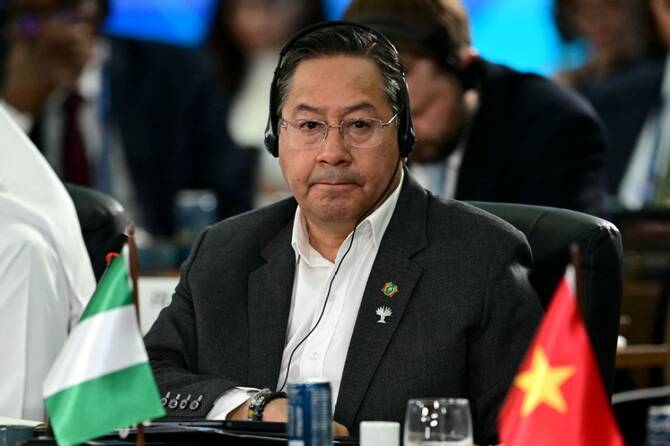
The arrest of former Bolivian President Luis Arce represents a pivotal moment in political accountability that extends far beyond a single corruption investigation. This dramatic development signals a fundamental restructuring of Bolivia's political landscape, with profound implications for emerging market governance and international investment strategies.
At the core of this seismic shift is a $700 million corruption probe targeting the Indigenous and peasant farmer development fund, which Arce allegedly manipulated during his tenure as economy minister. The investigation reveals a systemic pattern of financial misconduct that challenges the long-standing narrative of Bolivia's socialist political movement. The arrest, conducted by a special anti-corruption police force, marks the end of nearly two decades of leftist political dominance under the Evo Morales era.
The strategic significance lies not just in Arce's individual case, but in the broader political transition signaled by the recent election of conservative President Rodrigo Paz. This represents a critical inflection point for Bolivia's institutional integrity. The new administration's aggressive stance—with President Paz claiming to have uncovered a "cesspool of corruption"—suggests a fundamental reset of governmental accountability mechanisms.
For international investors and businesses, this development serves as a critical warning. The investigation highlights the systemic risks inherent in emerging markets, particularly those with complex political ecosystems. It underscores the absolute necessity of comprehensive due diligence, especially when engaging with government-connected entities or navigating politically sensitive investment landscapes.
The polarized public response—with Arce's allies denouncing the arrest as political persecution while government officials frame it as a commitment to fighting high-level corruption—further illustrates the complex political dynamics at play. This is not merely a legal proceeding, but a profound statement about institutional transformation and the potential for meaningful governance reform.
Investors and strategic planners must recognize this as more than an isolated incident. It represents a potential watershed moment in Bolivia's political and economic trajectory, signaling increased transparency, accountability, and a willingness to confront deeply entrenched systemic corruption.
Questions 3
What specific risks should businesses consider when operating in Bolivia?
Businesses must conduct comprehensive background checks, maintain transparent financial practices, and develop robust compliance mechanisms. The investigation highlights the potential for sudden political shifts and increased scrutiny of government-connected financial transactions.
How does this corruption investigation impact Bolivia's political landscape?
The investigation marks the end of nearly two decades of socialist political dominance, representing a fundamental restructuring of Bolivia's governance model. It suggests a new era of institutional accountability and potential systemic reforms that could reshape the country's political and economic dynamics.