




Trump's Diplomatic Gambit Reshapes Ukraine Peace Negotiations
- A High-Stakes Diplomatic Pivot Challenges Existing Geopolitical Frameworks









Overview
The emerging diplomatic landscape surrounding the Ukraine conflict reveals a profound strategic recalibration driven by Donald Trump's unconventional negotiation approach. At the core of this geopolitical transformation is a bold peace proposal that fundamentally challenges existing Western diplomatic consensus, potentially restructuring regional security dynamics.
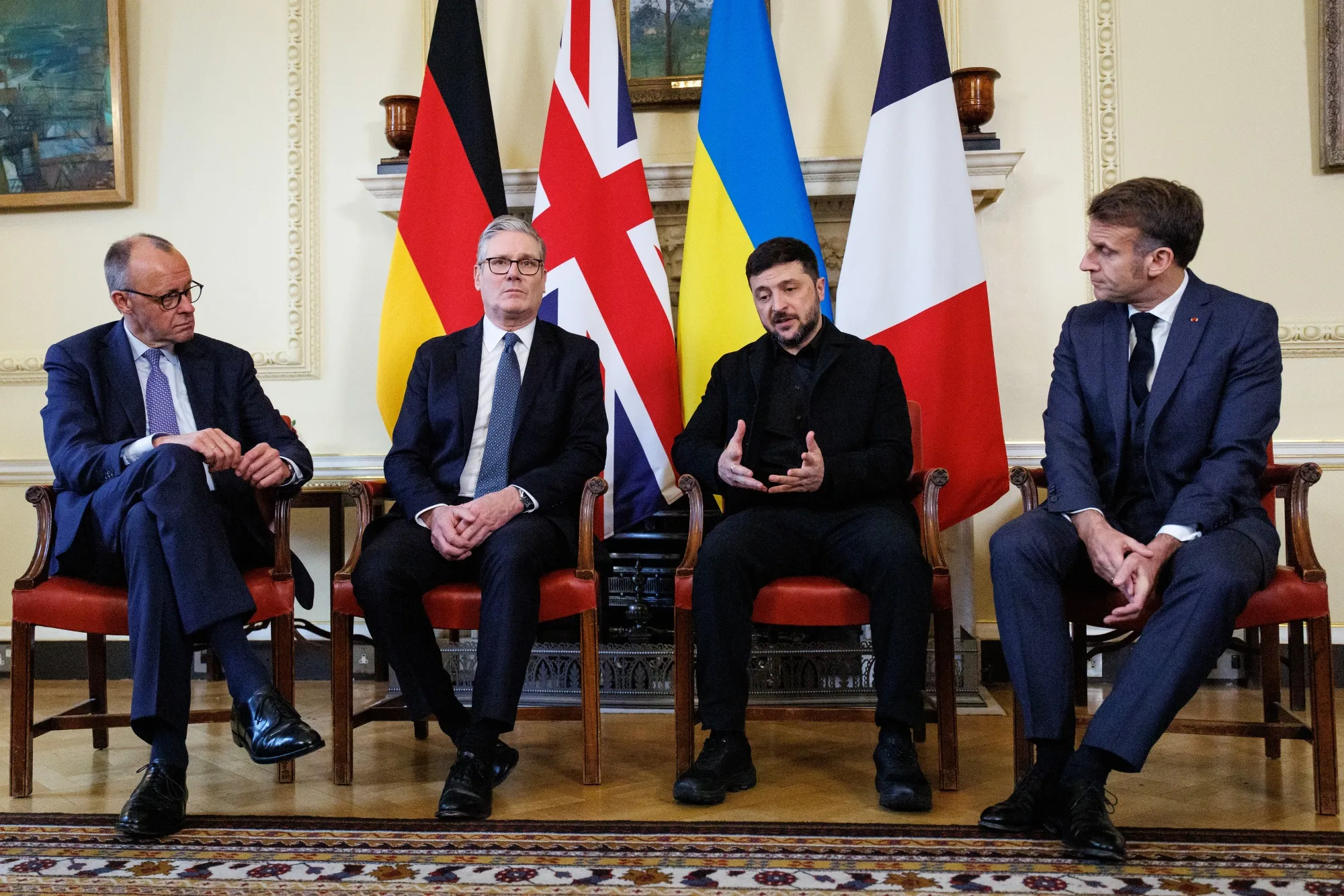
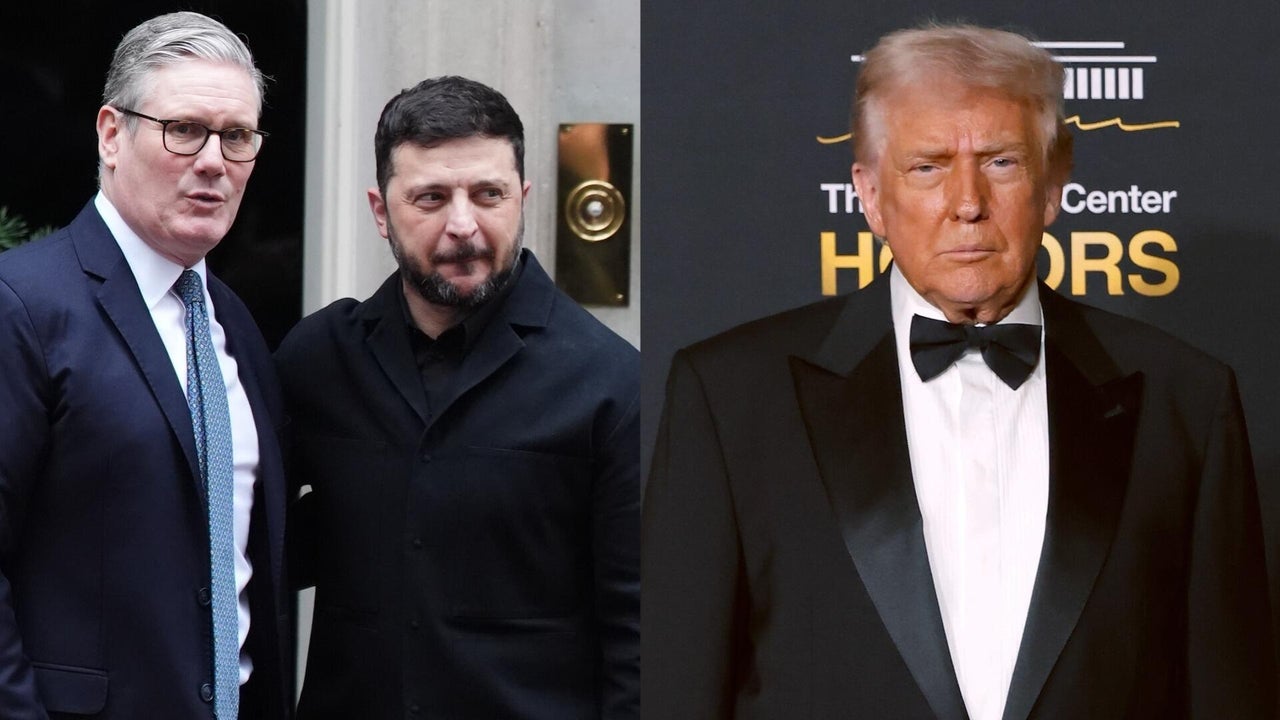
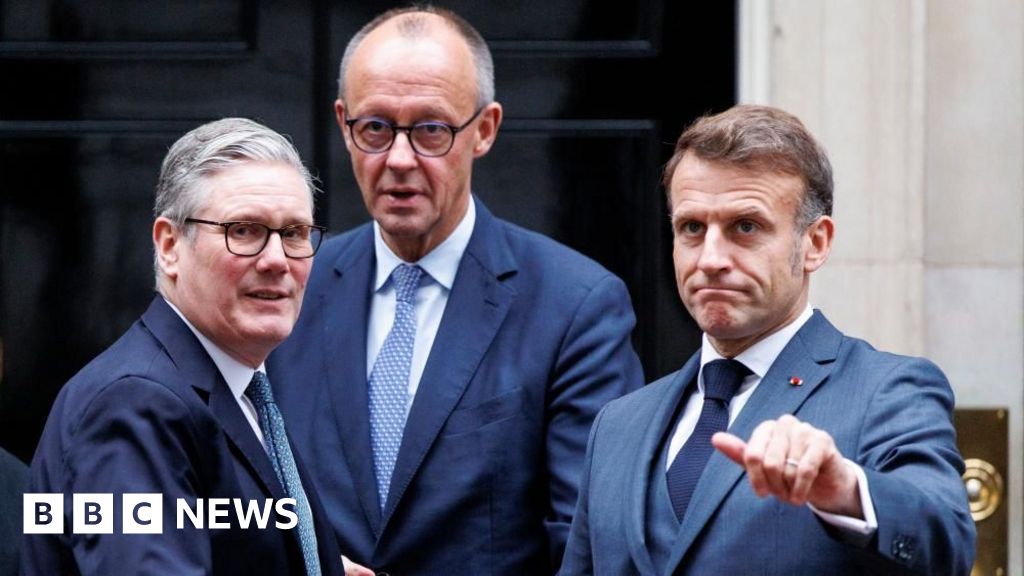
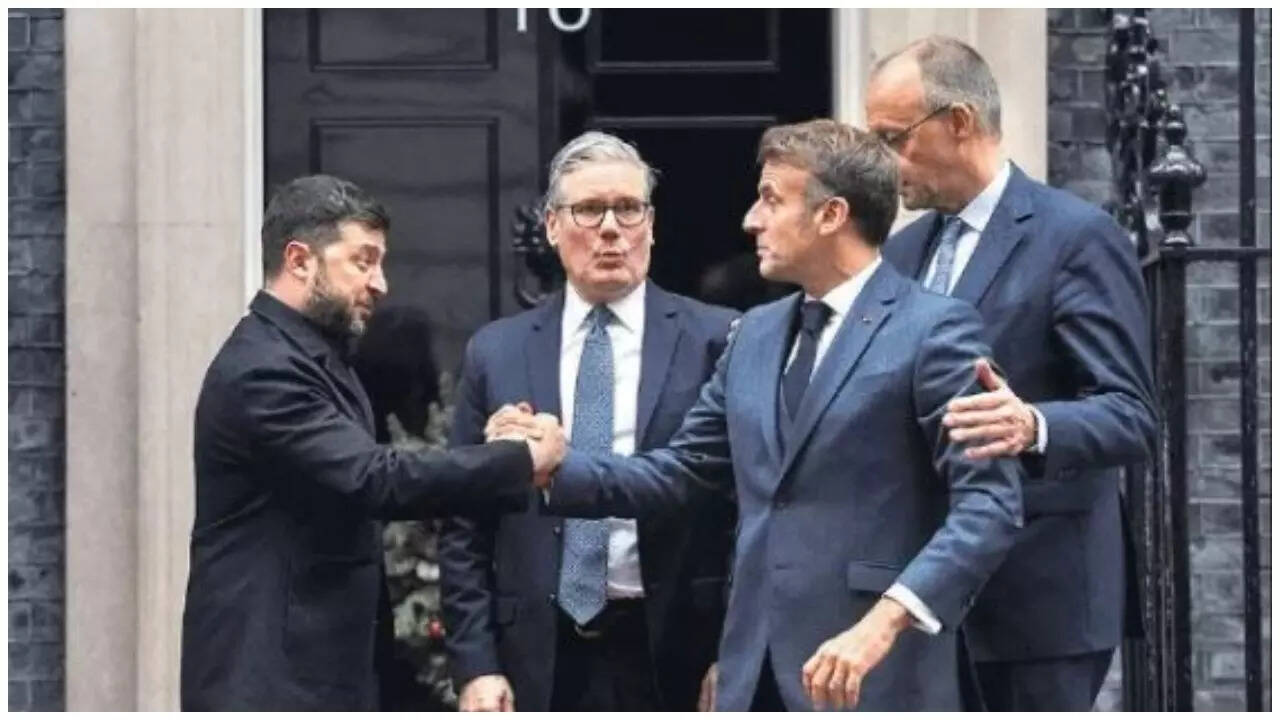
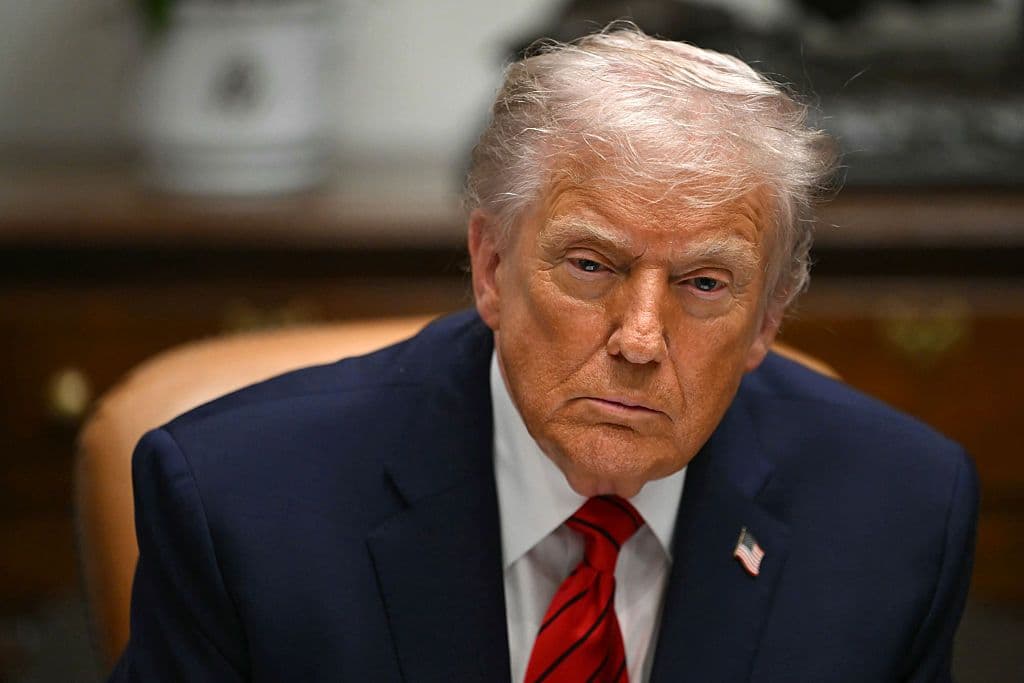
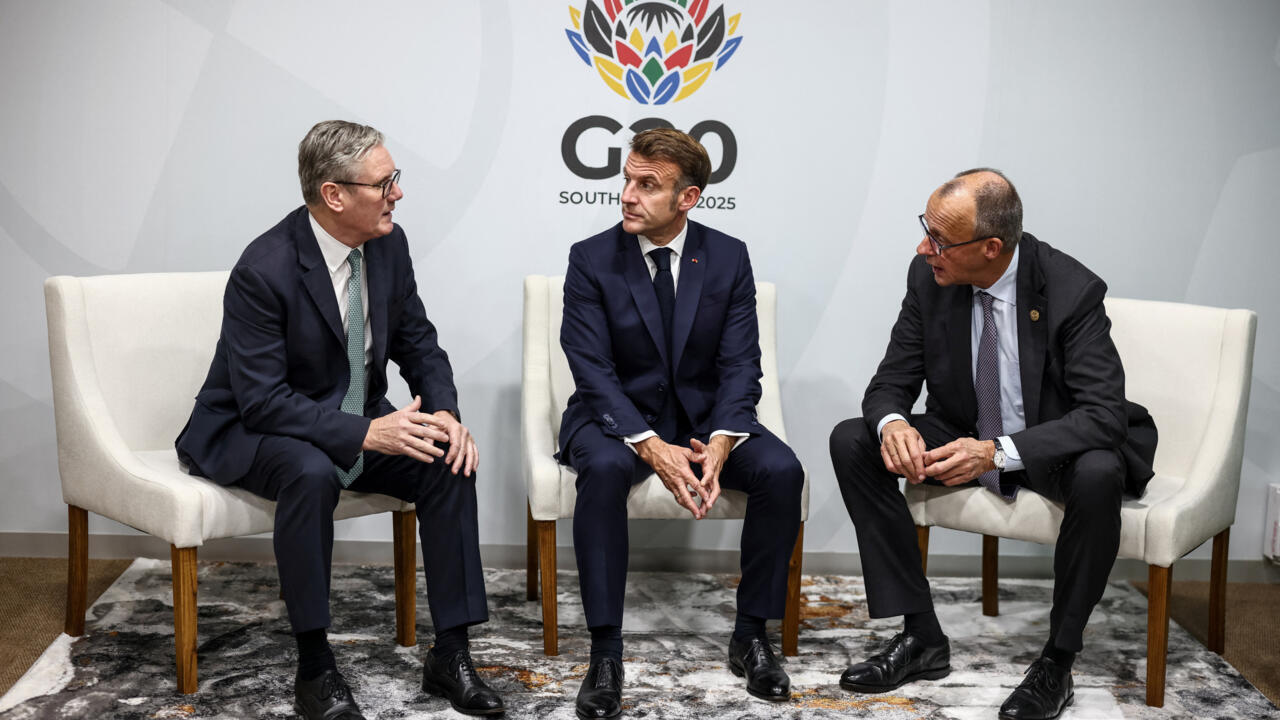
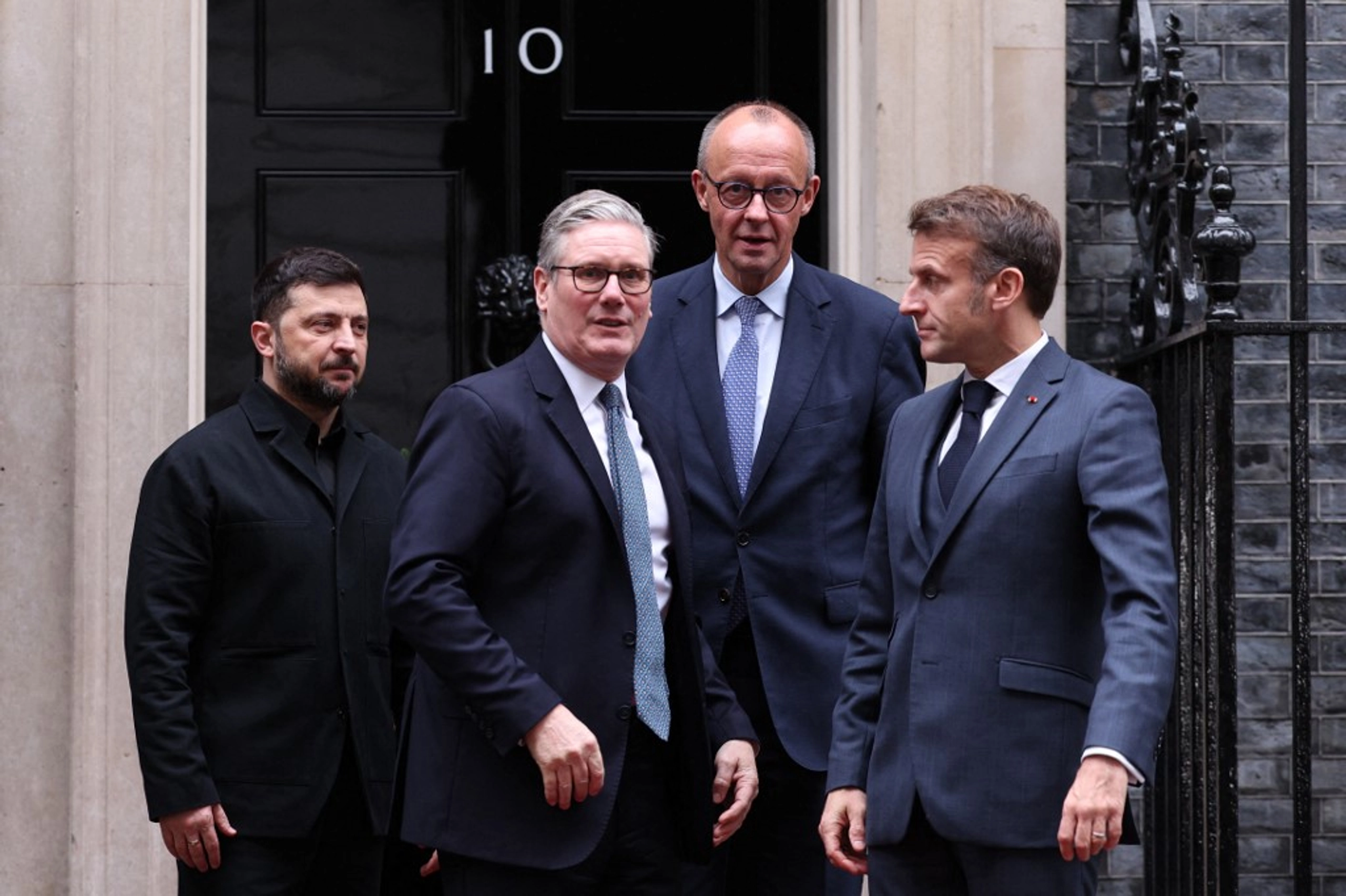
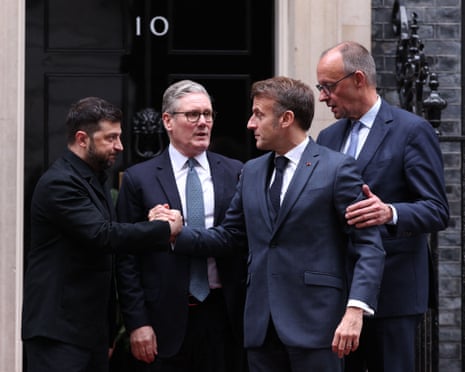
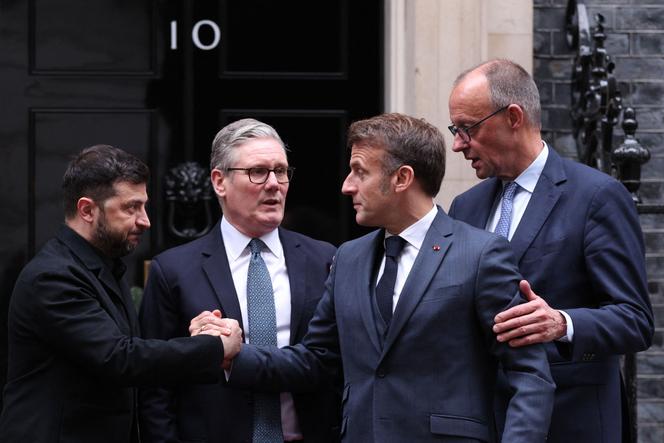
Trump's diplomatic strategy represents a significant departure from traditional approaches, characterized by direct pressure on multiple fronts. By engaging simultaneously with European leaders like Macron and Merz and challenging Ukrainian President Zelenskyy's governance, he is creating a multi-dimensional negotiation environment that disrupts established diplomatic protocols. The proposed peace plan, which includes controversial terms like Ukraine potentially surrendering the entire Donbas region, signals a willingness to pursue unconventional solutions.
The geopolitical implications are profound. Russian officials have notably praised Trump's approach, with Foreign Minister Sergei Lavrov suggesting Trump uniquely understands the conflict's underlying dynamics. This indicates a potential strategic realignment where traditional Western unity is being tested. The upcoming coalition meeting involving approximately 30 countries represents a critical inflection point, with Trump positioning himself as a potential dealmaker willing to challenge existing narratives.
Critically, the negotiations occur against a backdrop of internal Ukrainian challenges, including recent corruption scandals and Trump's explicit pressure for democratic reforms. This multifaceted approach suggests a negotiation strategy that extends beyond traditional diplomatic channels, leveraging political pressure, personal relationships, and a willingness to propose radical solutions.
The emerging diplomatic framework suggests a potential paradigm shift: from a confrontational stance to a more transactional approach to international conflict resolution. For global stakeholders, this represents both an opportunity and a significant uncertainty in managing complex geopolitical tensions.
Questions 3
What makes Trump's Ukraine peace negotiation approach unique?
Trump's approach differs by directly challenging existing diplomatic norms, pressuring both Ukrainian leadership and European allies. He's proposing a controversial peace plan that would require Ukraine to cede the Donbas region, and simultaneously questioning Zelenskyy's governance while engaging with multiple international leaders.
What are the potential risks of this negotiation approach?
The primary risks include potential erosion of Ukrainian territorial integrity, weakening of Western alliance cohesion, and creating a precedent where territorial concessions are seen as a viable conflict resolution strategy. There's also a risk of emboldening Russia's geopolitical ambitions.