


Trump's European Gambit: Reshaping Transatlantic Relations Through Ideological Confrontation
- Geopolitical realignment threatens traditional US-European strategic partnerships

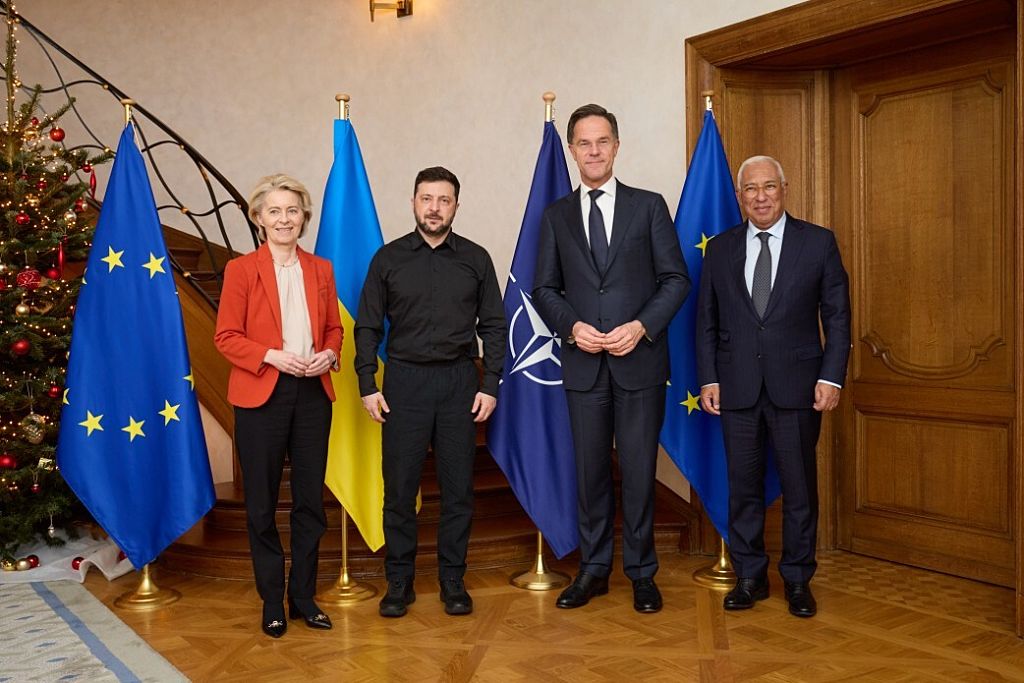
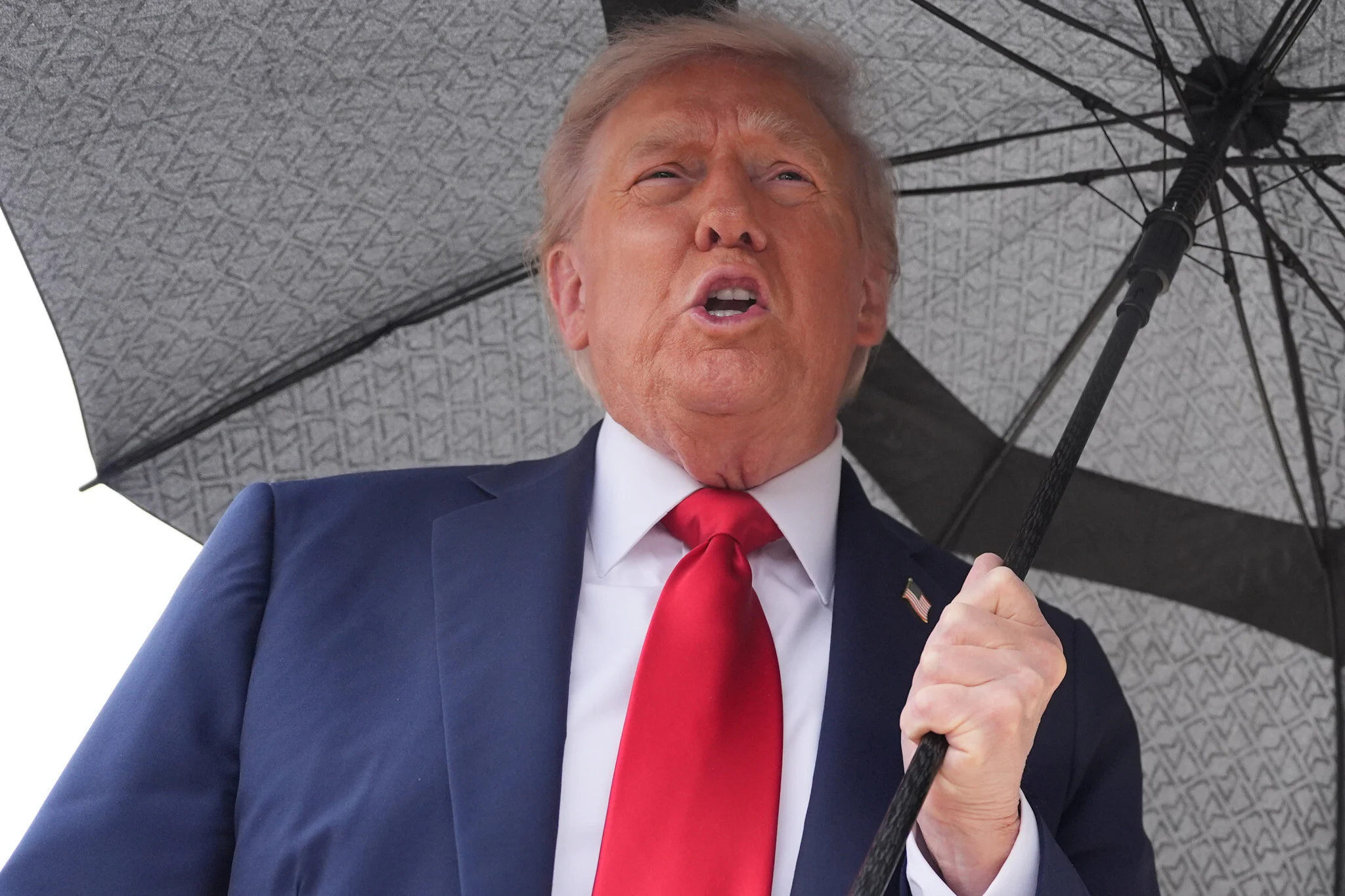
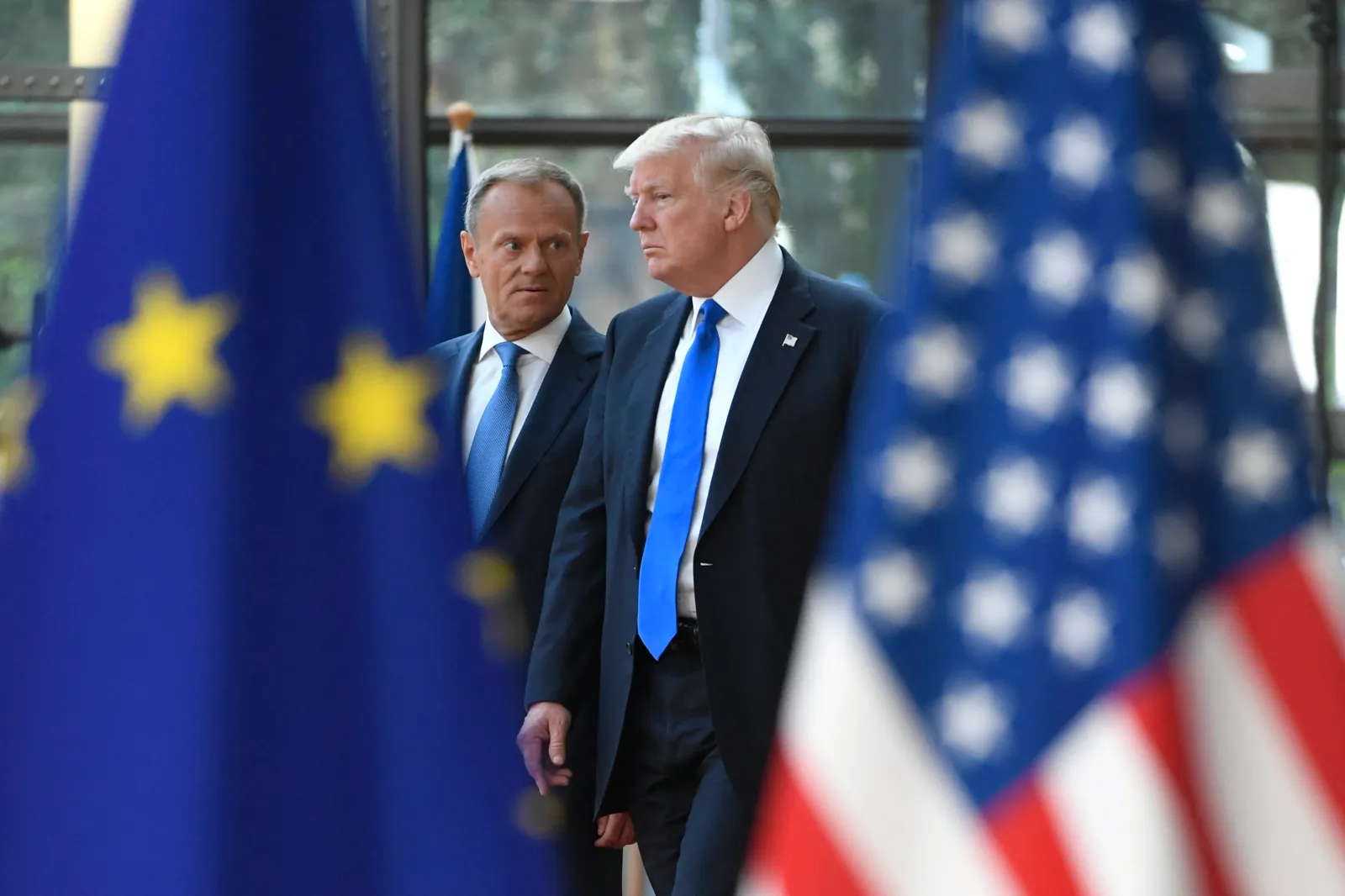
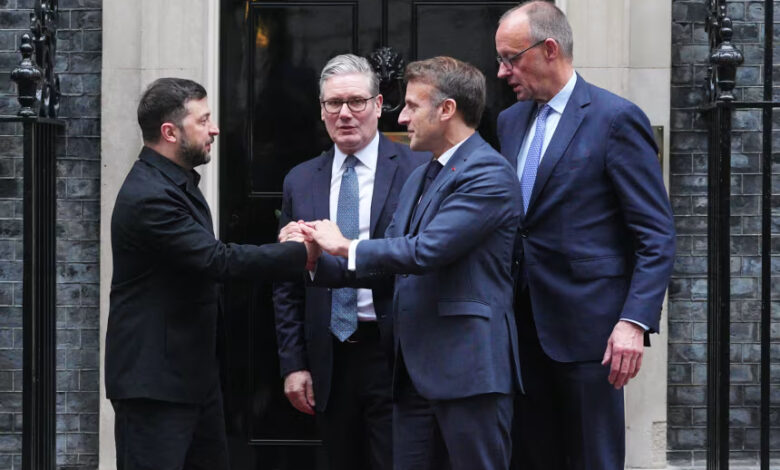

Overview
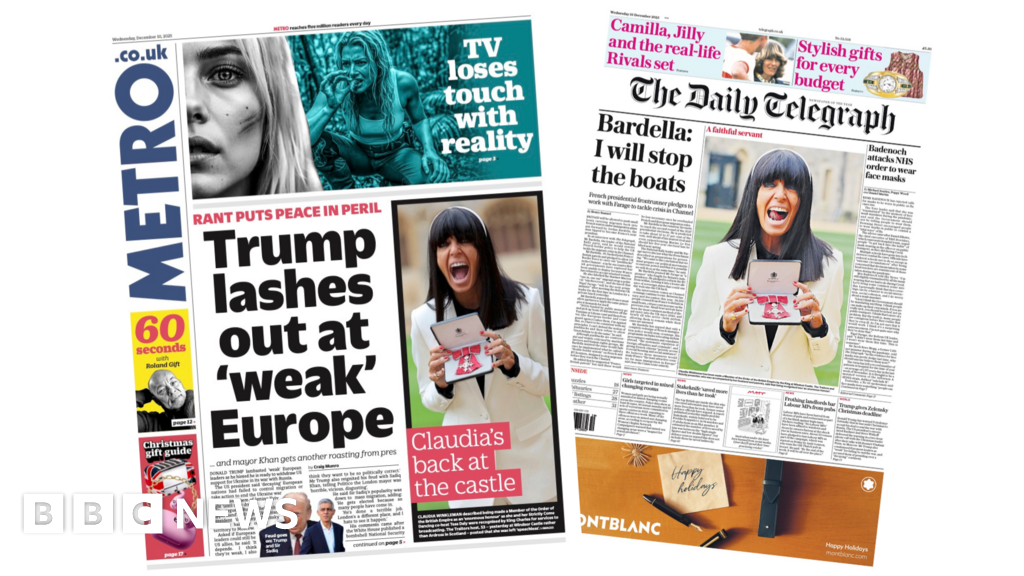
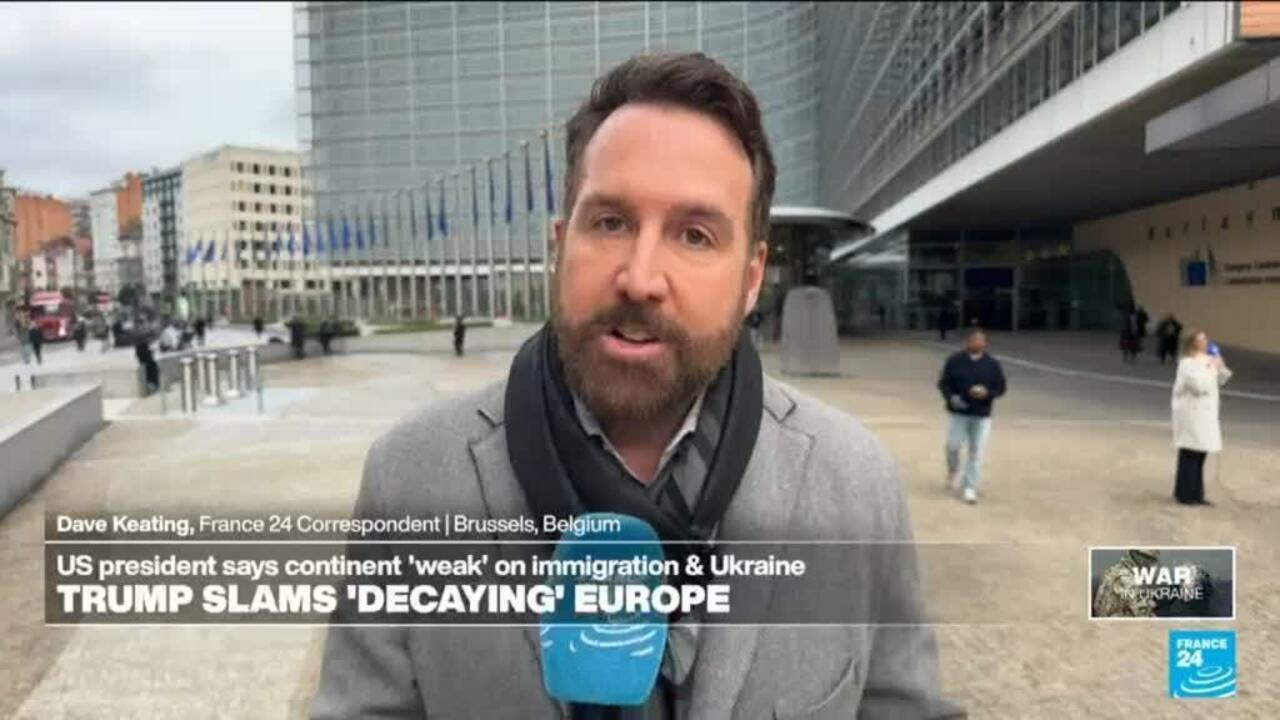
The emerging geopolitical landscape reveals a profound transformation in transatlantic relations, driven by President Trump's strategic recalibration of America's engagement with Europe. At the core of this shift lies a multifaceted critique that transcends traditional diplomatic discourse, positioning Europe not merely as a geopolitical entity but as a symbolic battleground in a broader ideological conflict.
The Trump administration's 2025 National Security Strategy presents a scathing assessment of the European Union, portraying it as a weakening political experiment increasingly vulnerable to internal contradictions. By distinguishing between Europe's geographical identity and its political institutions, the strategy suggests a fundamental erosion of European governance capabilities. Key criticisms center on demographic challenges, migration complexities, and the EU's incremental power consolidation during recent crises like the COVID-19 pandemic and Ukraine conflict.
This ideological offensive extends beyond pure geopolitical strategy, embedding a deeper cultural critique. Trump's perspective, articulated through advisors like JD Vance, frames Europe as a repository of "liberal pieties" antithetical to nationalist worldviews. The narrative strategically transforms diplomatic disagreement into a civilizational confrontation, where European institutions represent systemic weakness rather than collaborative potential.
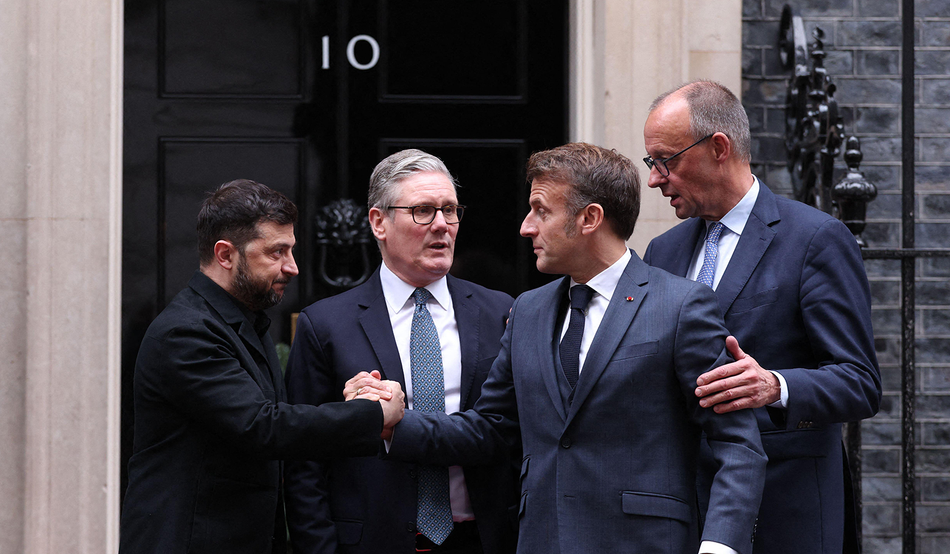
The geopolitical implications are profound. Russia has astutely recognized this strategic opening, launching a diplomatic charm offensive to potentially realign U.S. interests. The proposed Ukraine peace negotiations symbolize this emerging dynamic, where territorial concessions and reduced NATO involvement could fundamentally restructure regional power dynamics. European leaders find themselves in a precarious position, desperately attempting to maintain U.S. support while navigating an increasingly unpredictable diplomatic landscape.
For international businesses and policymakers, this represents more than a diplomatic shift—it signals a potential reconfiguration of global strategic alignments. The traditional assumptions of Western unity are being systematically dismantled, replaced by a more transactional, ideologically driven approach to international relations.
Questions 3
How might Russia benefit from this diplomatic reconfiguration?
Russia sees an opportunity to exploit the growing tensions between the US and European allies, potentially negotiating more favorable terms in conflicts like Ukraine by positioning itself as a more pragmatic diplomatic partner compared to traditional Western institutions.
What are the potential economic implications of this geopolitical shift?
The realignment could create significant uncertainty for cross-border businesses, potentially disrupting established trade relationships, regulatory frameworks, and investment patterns. Companies will need to navigate more complex, ideology-driven diplomatic landscapes.