



Oracle's AI Gamble: The High-Stakes Battle Between Long-Term Vision and Investor Patience
- Tech Giants Navigate Massive AI Infrastructure Investments Amid Market Skepticism























Overview
In the high-stakes arena of artificial intelligence infrastructure, Oracle Corporation is revealing the complex calculus of technological transformation. The company's recent financial performance exposes a critical inflection point where massive AI computing investments are testing investor tolerance for delayed returns.
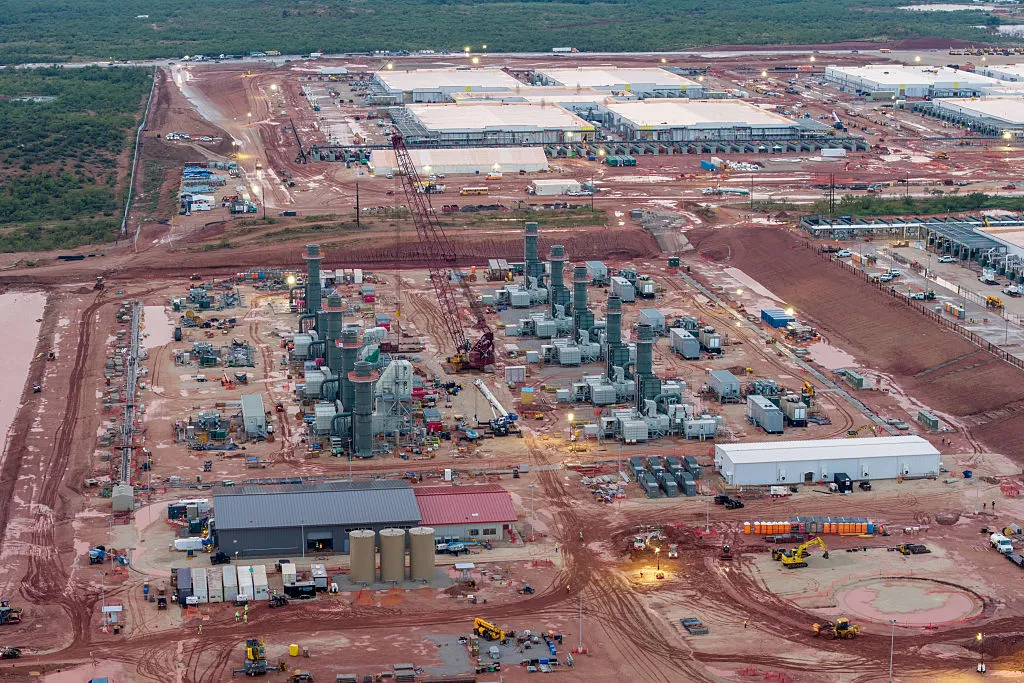
Strategic Long-Term Positioning emerges as the core narrative. Oracle, under Larry Ellison's leadership, is making calculated, multi-billion-dollar bets on AI data center capabilities, prioritizing future market dominance over immediate financial metrics. This approach represents a profound technological strategy: building foundational infrastructure to capture the emerging AI computational demand before competitors can establish similar capabilities.
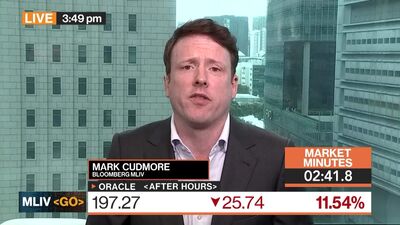
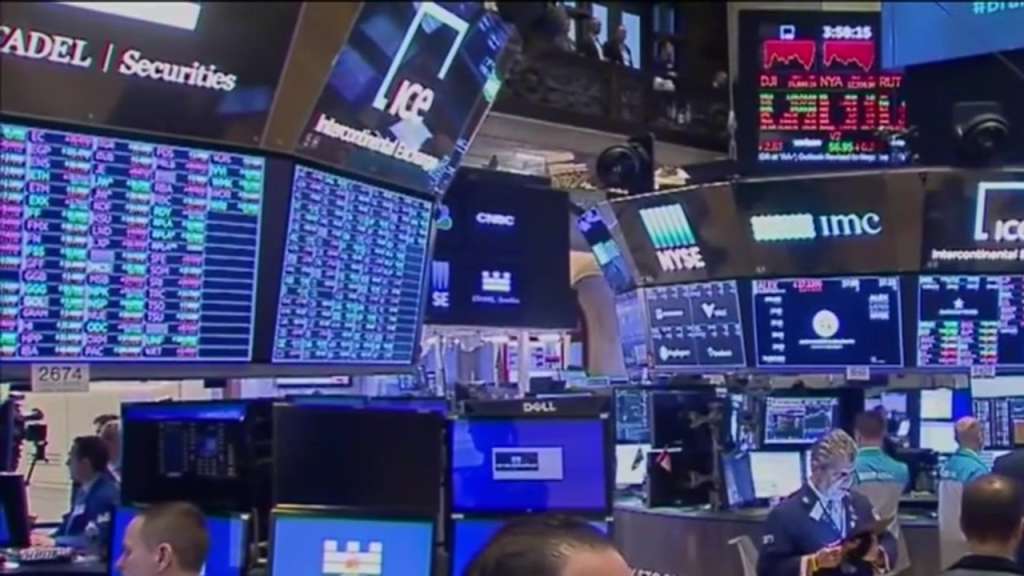
The market's reaction tells a nuanced story of technological investment cycles. Oracle's share prices have tumbled, reflecting investor anxiety about the extended timeline between massive capital expenditure and revenue realization. The Nasdaq Composite's 0.6% decline directly correlates with Oracle's earnings report, signaling broader tech sector sensitivity to AI infrastructure investments.
Critically, this isn't just an Oracle story—it's a broader tech industry inflection point. Companies are increasingly willing to absorb short-term financial pressures, recognizing that AI's transformative potential requires substantial, patient capital deployment. The Federal Reserve's supportive monetary stance, including a $40 billion Treasury bill purchase, provides additional context for this high-risk, high-reward technological transition.
The underlying message is clear: AI infrastructure is becoming the new battleground for technological supremacy. Companies like Oracle are essentially purchasing future market positioning, betting that today's massive investments will translate into tomorrow's computational monopolies. For technology investors and strategists, the key challenge is distinguishing between visionary investment and speculative overreach.
Questions 3
How are investors responding to Oracle's AI infrastructure investments?
Investors are currently showing significant concern, as reflected in Oracle's tumbling share prices. They are anxious about the extended timeline between massive capital expenditure and potential revenue generation, creating market pressure for more immediate financial returns.
Why is Oracle investing so heavily in AI infrastructure despite short-term financial pressures?
Oracle is making a strategic long-term bet on capturing the emerging AI computational market. By building robust data center capabilities now, they aim to position themselves as a critical infrastructure provider for future AI technologies, even if it means absorbing temporary investor skepticism and reduced near-term profitability.