



Fed's Monetary Balancing Act Reshapes Asian Market Dynamics
- Strategic Liquidity Injection Signals Nuanced Economic Recalibration for Regional Investors








!role~Preview!mt~photo!fmt~JPEG%20Baseline)














Overview
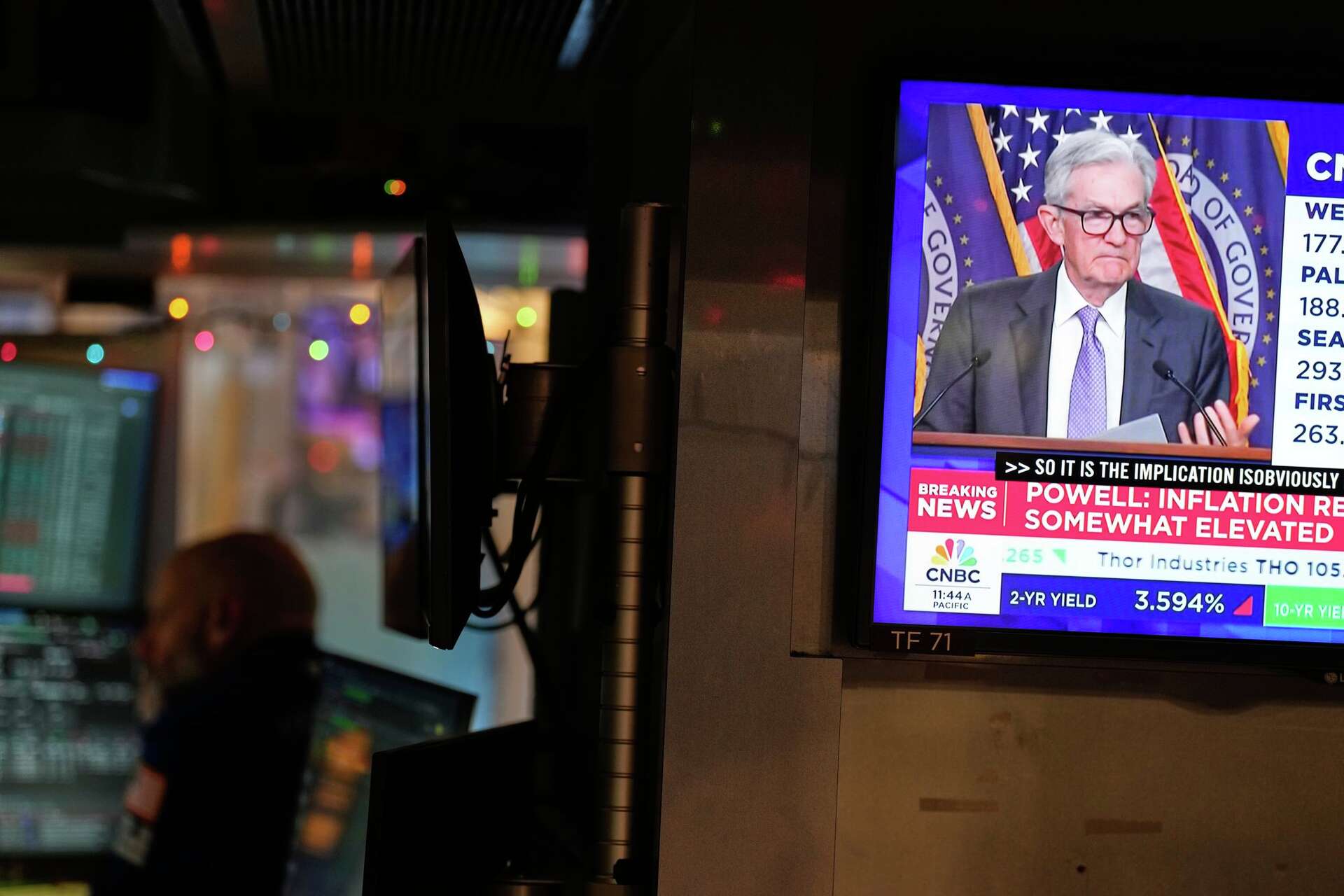
The Federal Reserve's recent monetary policy meeting represents a pivotal moment of strategic economic recalibration, delivering what strategists are calling a "Goldilocks" approach to Asian financial markets. By executing a quarter-point rate cut and resuming Treasury bill purchases of $40 billion, the Fed has signaled a sophisticated approach to economic management that goes beyond traditional monetary policy levers.
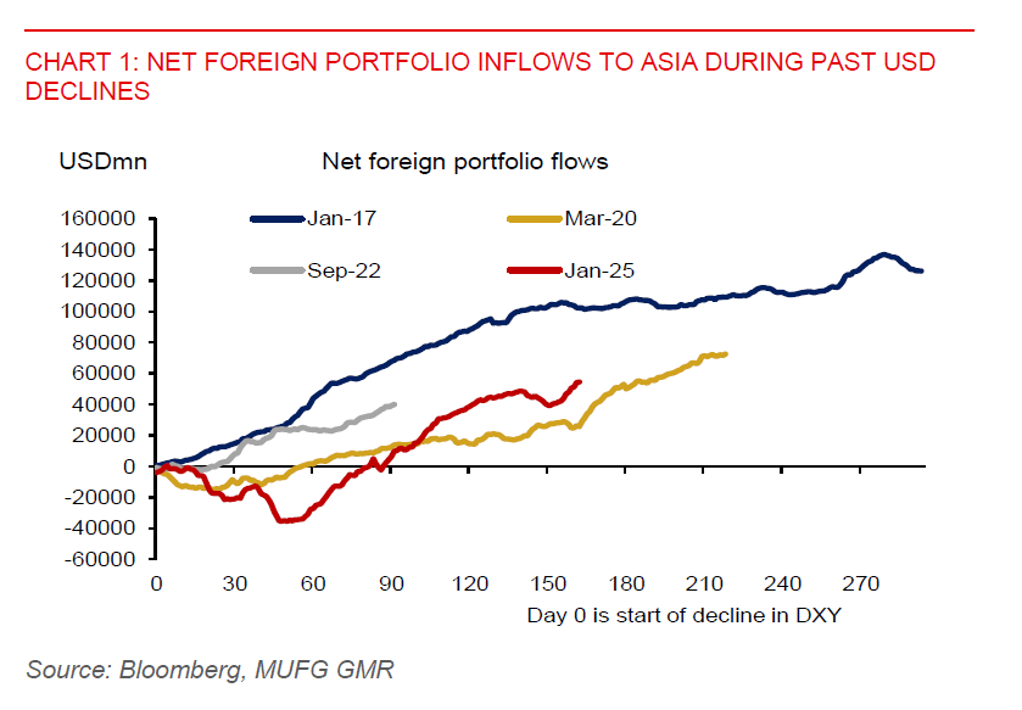
Currency markets are experiencing immediate ripple effects, with the U.S. dollar index weakening to its lowest point since October 21st. This depreciation is projected to trigger a complex chain of responses across Asian economies. Asian currencies are anticipated to strengthen, creating potential arbitrage opportunities for cross-border traders and multinational corporations. The nuanced policy suggests the Fed is carefully threading the needle between stimulating economic growth and preventing inflationary pressures.
The market reactions reveal a sophisticated, albeit cautious, landscape. While major U.S. indexes responded positively—with the Dow Jones jumping 1.1% and the S&P 500 advancing 0.7%—Asian markets displayed more mixed performance. Japan's Nikkei 225 fell 0.9%, and South Korea's Kospi experienced consecutive losses, indicating the complex transmission mechanisms of global monetary policy. This divergence underscores the importance of granular, region-specific investment strategies.
For cross-border financial strategists, the Fed's approach presents a nuanced opportunity. The removal of language about weak labor markets and the targeted liquidity injection suggest a shift towards supporting economic growth while maintaining fiscal discipline. Investors and corporate treasurers should pay close attention to short-dated bonds and high-grade credit markets, which are likely to benefit from the central bank's liquidity strategies.
The broader implication is a potential structural transformation in how international monetary policy is conceived and executed. By providing a measured response that balances stimulation and control, the Fed is signaling a new era of precision economic management that could reshape global financial architectures.
Questions 3
What are the key risks for investors in this monetary policy environment?
While the Fed's approach appears balanced, investors should be cautious of potential market volatility. The mixed performance across Asian markets—with indexes like Japan's Nikkei falling 0.9%—suggests that regional responses will be heterogeneous. Diversification and granular, country-specific strategies will be crucial.
What does the removal of 'weak labor market' language signify?
The Fed's removal of language about weak labor markets indicates a shift towards supporting economic growth. This suggests increased confidence in the labor market's resilience and potentially signals that future monetary policy might focus more on growth stimulation rather than emergency intervention.