





Middle East Geopolitical Tensions Impact Cross-Border Trade Routes and Sanctioned Goods Compliance
- Escalating Iran-Israel tensions threaten shipping corridors affecting 15-20% of global cross-border e-commerce logistics; sellers must audit sanctioned goods compliance immediately







Overview
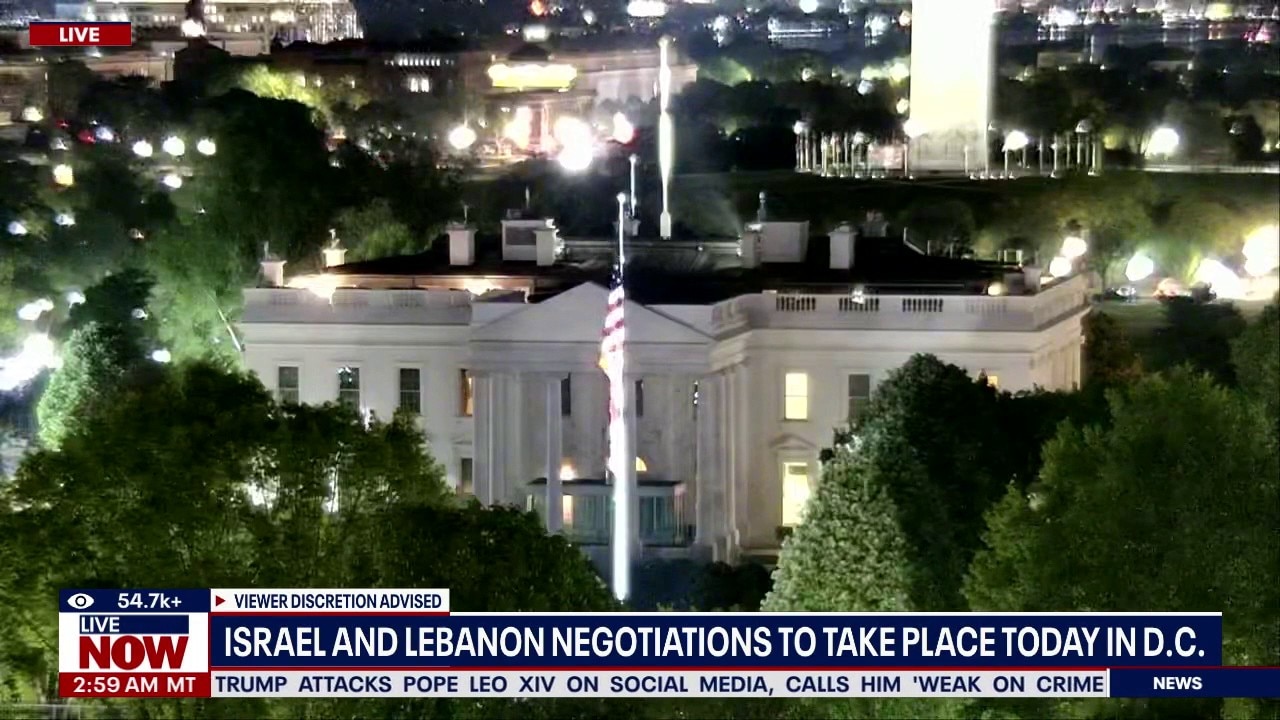
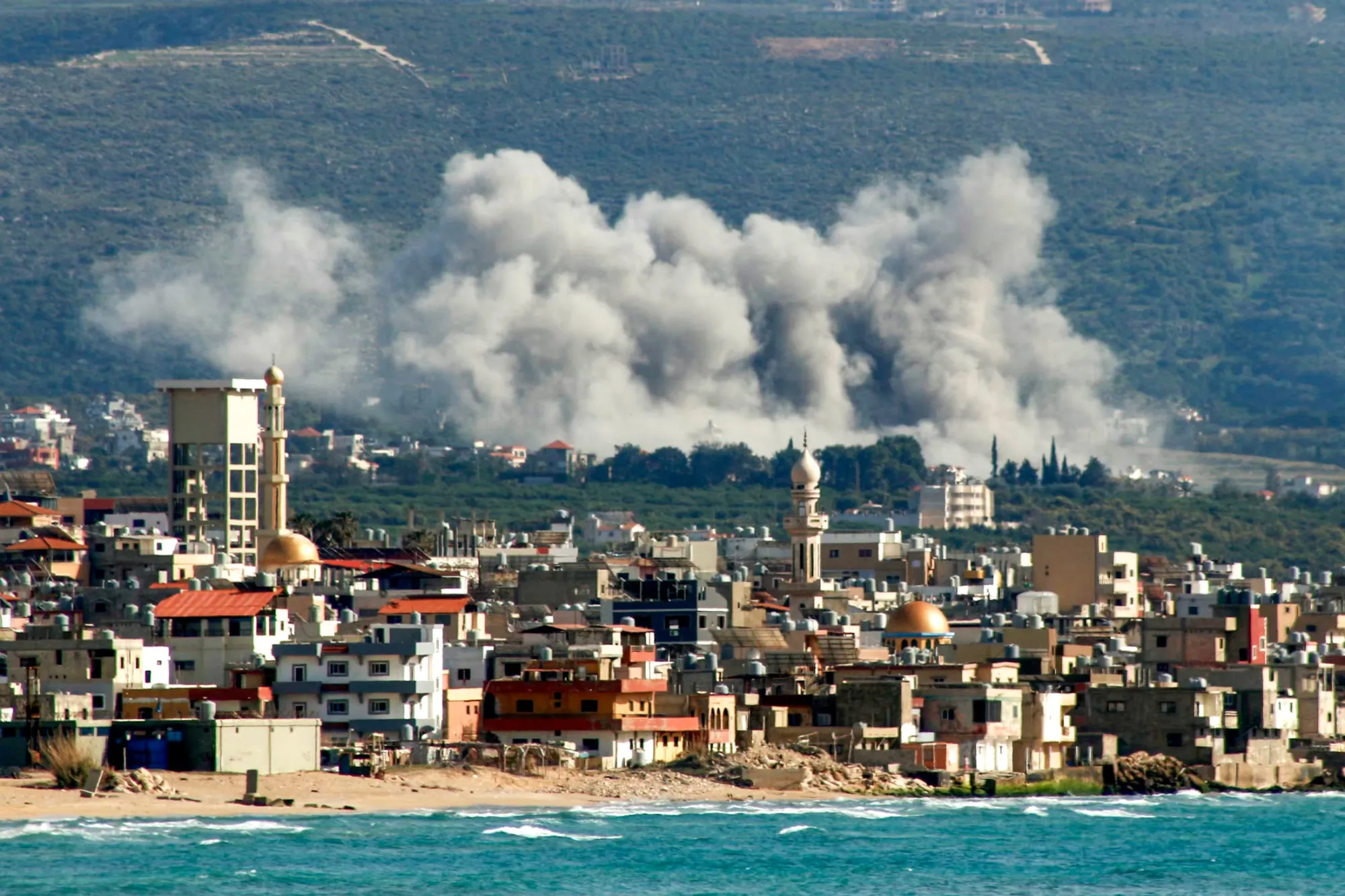
The escalating geopolitical tensions in the Middle East, centered on Israel-Lebanon peace negotiations and Iran-Hezbollah dynamics, represent a critical compliance and logistics risk for cross-border e-commerce sellers. While the Trump administration hosts diplomatic talks in Washington, DC, the underlying military tensions and Iranian sanctions evasion networks directly impact international shipping routes and tariff classifications for sellers operating in affected regions.
For cross-border sellers, this geopolitical shift creates three immediate operational challenges: First, shipping route disruptions through the Strait of Hormuz and Eastern Mediterranean corridors could increase logistics costs by 8-15% for sellers routing inventory through Middle Eastern hubs or shipping to regional markets. Second, sanctions compliance complexity intensifies—sellers unknowingly trading with Iran-linked entities or Hezbollah-affiliated suppliers face OFAC penalties up to $250,000 per violation, plus criminal liability. Third, market access restrictions in Lebanon and Iran-adjacent regions are tightening, forcing sellers to reassess their Middle East e-commerce strategy and potentially redirect inventory to alternative markets like UAE, Saudi Arabia, and Turkey.
The news specifically highlights Iranian sanctions evasion and international waterway control disputes, which directly affect sellers in several ways. Sellers sourcing products from Iran or Iranian-controlled suppliers must immediately verify OFAC compliance through the Treasury Department's Specially Designated Nationals (SDN) list. Additionally, sellers shipping through Suez Canal alternatives or Strait of Hormuz routes face potential 10-21 day delays and 12-18% cost premiums due to naval blockades and rerouting. For sellers with inventory in Lebanon or operating Lebanese supplier relationships, the escalating Hezbollah tensions create immediate supply chain risk—potential port closures could strand inventory worth $50,000-500,000+ depending on shipment size.
Strategic implications for seller segments: Large multinational sellers with established compliance teams can absorb these costs and adjust routing; however, small-to-medium sellers (SMEs) with 50-500 SKUs and limited compliance infrastructure face disproportionate risk. Sellers in electronics, machinery, and dual-use goods categories face heightened scrutiny, as these products are frequently subject to enhanced sanctions screening. Conversely, sellers in consumer goods, apparel, and food categories have lower compliance burden but still face logistics cost increases of 5-8% if rerouting shipments away from traditional Middle Eastern corridors.
Questions 8
How do Iran sanctions affect cross-border sellers on Amazon and eBay?
Amazon and eBay enforce strict OFAC compliance policies prohibiting sales to Iran-linked entities and sanctioned individuals. Sellers must screen all transactions against the Treasury Department's Specially Designated Nationals (SDN) list before fulfillment. Violations result in account suspension, $250,000+ fines, and potential criminal prosecution. The news reports escalating Iranian sanctions evasion networks, meaning compliance screening must now include secondary suppliers and logistics partners, not just direct customers. Sellers should implement automated OFAC screening tools and audit their supplier relationships immediately to avoid penalties.
What shipping route changes should sellers expect due to Middle East tensions?
The Israel-Lebanon tensions and naval blockades mentioned in the news are forcing rerouting away from traditional Strait of Hormuz and Eastern Mediterranean corridors. Sellers shipping to Asia or Europe via these routes should expect 10-21 day delays and 12-18% cost premiums. Alternative routes through the Cape of Good Hope add 15-20 days transit time. Sellers with inventory in transit should contact 3PL providers immediately to confirm routing and adjust delivery estimates. Consider shifting 20-30% of inventory to regional fulfillment centers in UAE or Singapore to mitigate delays and reduce logistics costs by 5-8%.