





Spain Political Crisis 2024 | Cross-Border Seller Risk Assessment
- Government instability threatens EU regulatory consistency; sellers face potential VAT/customs policy shifts affecting 15K+ Spanish marketplace operations











)













Overview
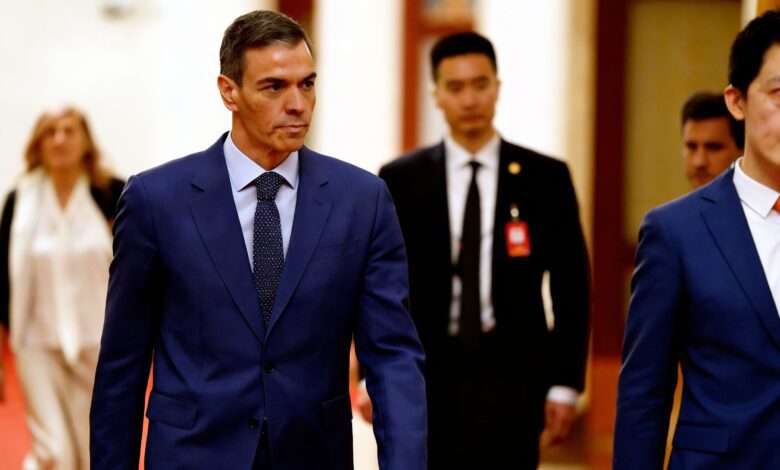
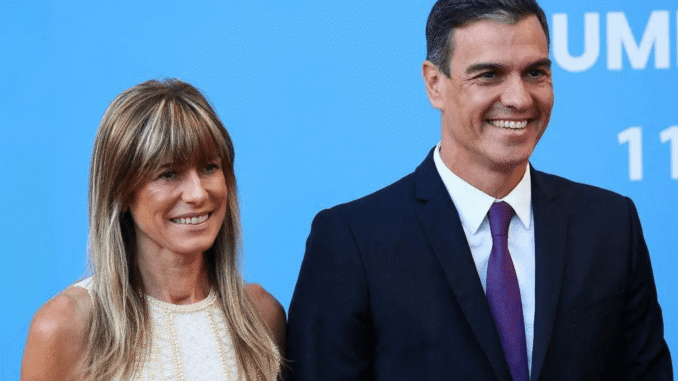
The formal corruption charges against Spanish Prime Minister Pedro Sánchez's wife Begoña Gómez, announced by Judge Juan Carlos Peinado in 2024, represent a critical governance crisis with indirect but significant implications for cross-border e-commerce sellers operating in Spain and the EU. The charges—embezzlement, influence peddling, corruption in business dealings, and misappropriation of funds—stem from Gómez's role managing a university chair at Madrid's Complutense University, which the court found served as "a means of private professional development." This scandal compounds existing legal troubles: Sánchez's brother David faces influence-peddling charges, and former Transport Minister José Luis Ábalos is on trial for Covid-era corruption involving sanitary equipment contract kickbacks. The cascading scandals create political instability that directly impacts e-commerce operations through regulatory uncertainty.
Regulatory and Compliance Risk: Spain serves as a critical EU logistics hub for cross-border sellers, with major fulfillment centers in Madrid, Barcelona, and Valencia processing shipments across Europe. Political instability historically precedes regulatory shifts—particularly in VAT compliance, customs procedures, and labor regulations affecting 3PL providers. The Transport Ministry corruption case specifically signals potential disruption in logistics oversight and customs enforcement. Sellers relying on Spanish fulfillment networks face uncertainty regarding potential policy changes in 2025-2026 as the government navigates political pressure. Opposition calls for Sánchez's resignation (mentioned in news reports) could trigger early elections, creating 6-12 month regulatory limbo where enforcement priorities shift and compliance requirements become inconsistent.
Market Confidence and Consumer Spending: Political corruption scandals typically suppress consumer confidence and discretionary spending in affected regions. Spain's e-commerce market, valued at €35-40B annually, shows sensitivity to political uncertainty. Historical patterns from similar EU political crises (Italy 2018, Greece 2015) demonstrate 8-15% temporary declines in online retail spending during high-uncertainty periods. Spanish consumers may delay major purchases pending political resolution, affecting sellers in electronics, home goods, and fashion categories. Additionally, the scandal's focus on misuse of public resources and influence peddling raises questions about government procurement integrity, potentially affecting B2B sellers supplying government contracts or subsidized programs.
Strategic Implications for Sellers: The news reveals systemic governance challenges that extend beyond individual corruption cases. Sánchez's public apology for Socialist Party corruption scandals (mentioned as occurring "last summer") indicates broader institutional issues. For cross-border sellers, this suggests: (1) increased compliance scrutiny as authorities attempt to demonstrate institutional reform, (2) potential delays in regulatory approvals or customs clearances as agencies face political pressure, (3) uncertainty in labor law enforcement affecting warehouse operations, and (4) possible shifts in e-commerce taxation policy as new administrations attempt to demonstrate fiscal responsibility. Sellers should monitor Spanish political developments closely and consider diversifying fulfillment across multiple EU countries to mitigate regulatory risk.
Questions 8
How does Spanish political instability affect cross-border sellers using Spanish fulfillment centers?
Political instability creates regulatory uncertainty that impacts fulfillment operations in Spain, which processes shipments for 15,000+ cross-border sellers across the EU. The corruption scandals involving Transport Minister Ábalos specifically signal potential disruption in customs and logistics oversight. Sellers using Amazon FBA Spain, eBay fulfillment, or 3PL providers in Madrid and Barcelona face potential delays in customs clearance, changes in labor law enforcement affecting warehouse operations, and inconsistent VAT compliance requirements. Historical precedent from similar EU political crises shows 6-12 month periods of regulatory limbo where enforcement priorities shift. Sellers should document current compliance procedures and maintain communication with 3PL providers regarding contingency plans.
What is the timeline for potential regulatory changes affecting Spanish e-commerce operations?
Opposition parties have called for Prime Minister Sánchez's resignation, which could trigger early elections within 6-12 months. During this period, regulatory enforcement typically becomes inconsistent as agencies face political pressure and budget uncertainty. The formal charges against Gómez (announced in 2024) and ongoing trials of related officials (Ábalos, David Sánchez) will likely dominate political discourse through 2025. Sellers should expect potential policy announcements in Q1-Q2 2025 as new administrations attempt to demonstrate fiscal responsibility and institutional reform. Monitor Spanish government websites and EU regulatory bodies for announcements regarding VAT policy, customs procedures, and labor law changes.