
Strait of Hormuz Blockade Triggers Global Shipping Crisis | Cross-Border Sellers Face 15-25% Logistics Cost Surge
- US naval blockade of Iranian ports (effective April 21, 2026) disrupts 20-30% of global maritime traffic through critical chokepoint; oil prices volatile ($95-100/barrel); Middle Eastern cargo transit times extend to 20+ days; sellers relying on Asia-Europe routes face elevated freight costs and inventory delays














&imwidth=800&imheight=600&format=webp&quality=medium)









Overview
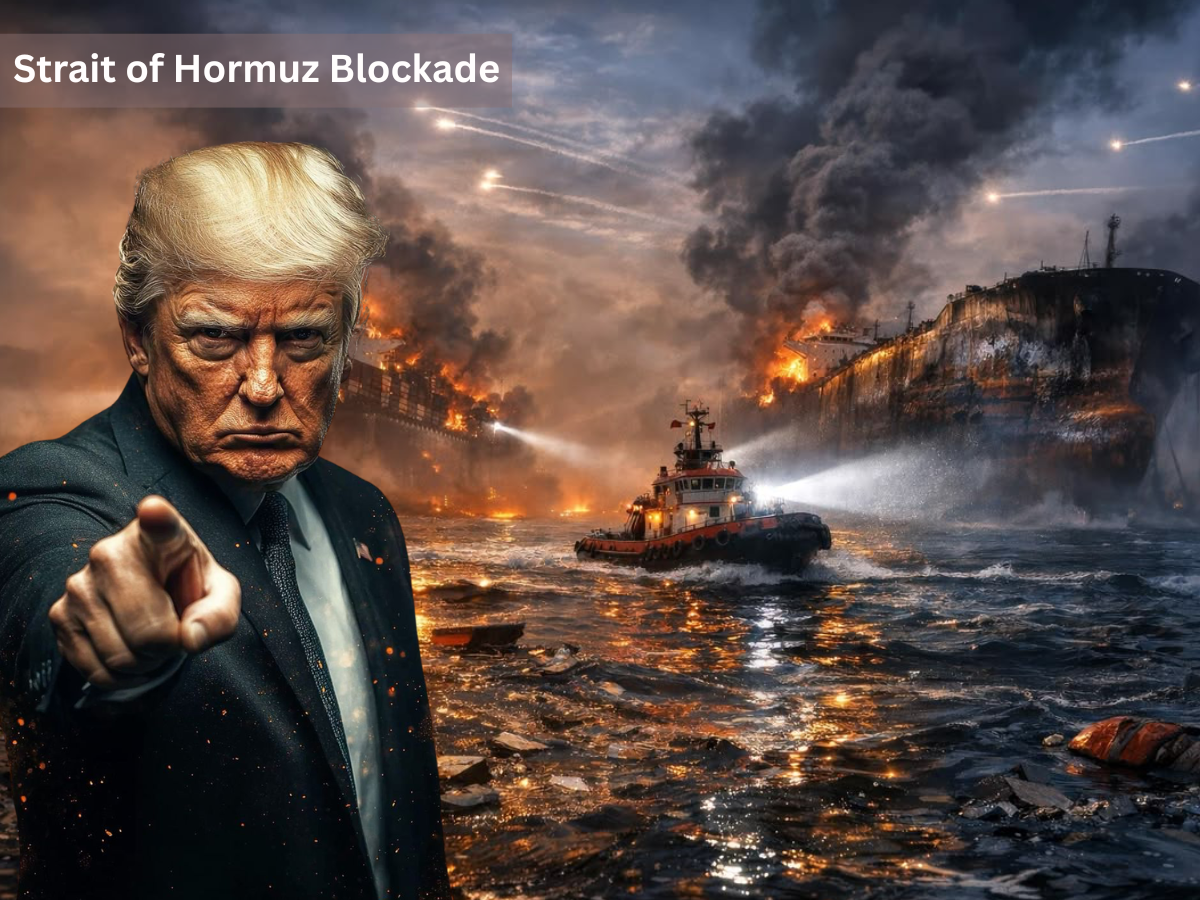
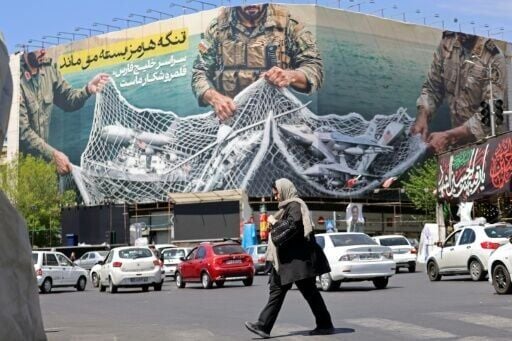
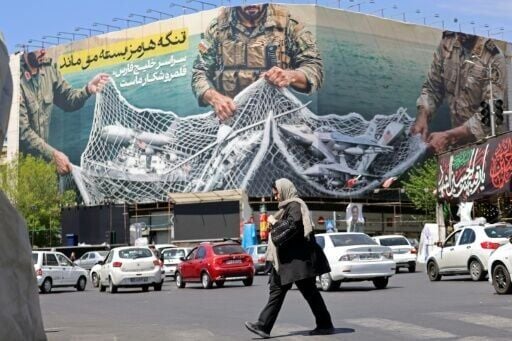
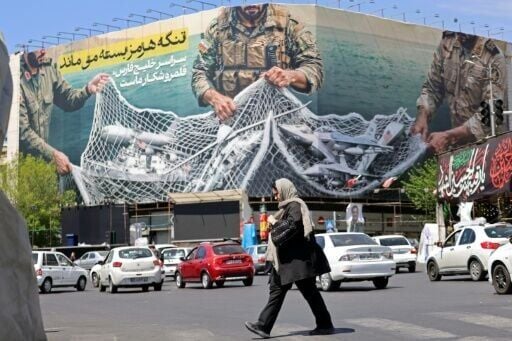
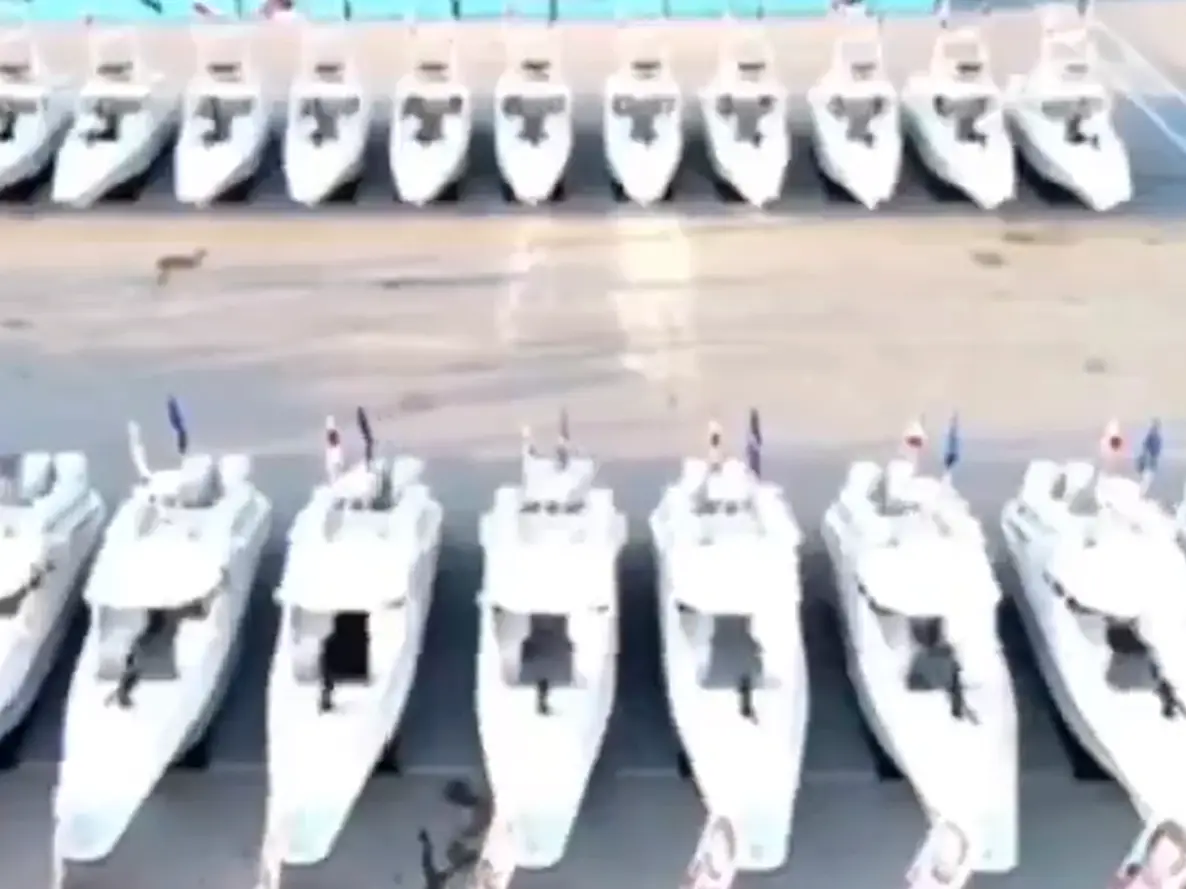
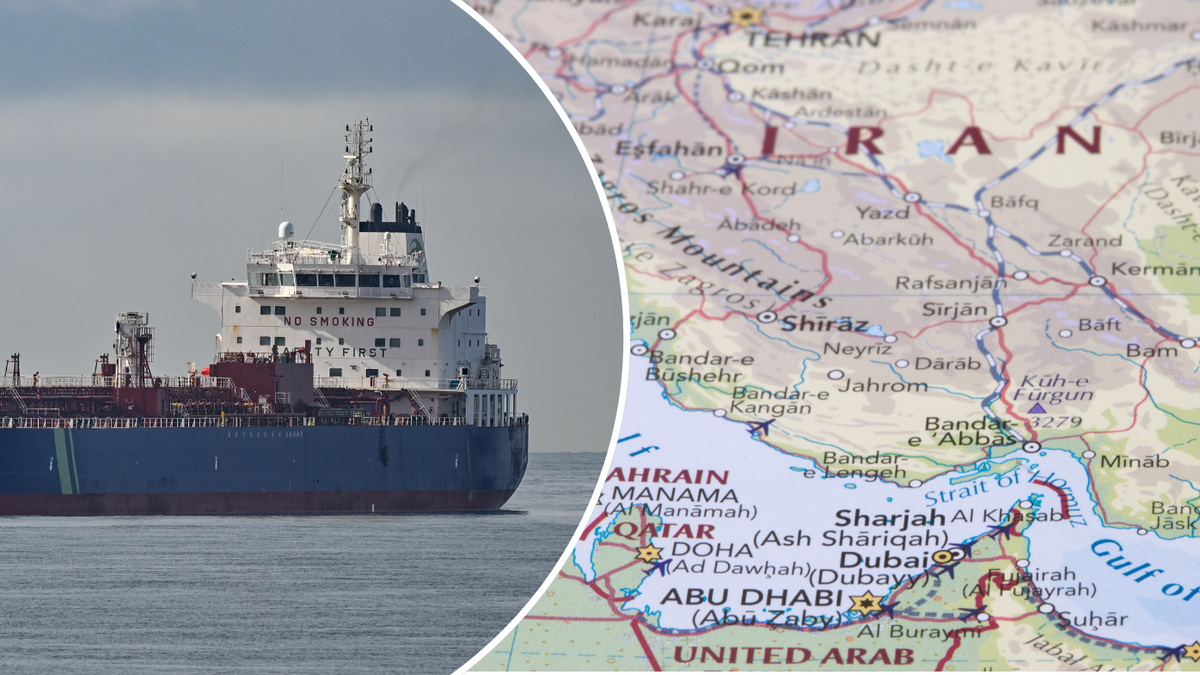
The US naval blockade of Iranian ports beginning April 21, 2026, represents a critical supply chain disruption for cross-border e-commerce sellers globally. The Strait of Hormuz, through which approximately 20-30% of global maritime trade flows, has experienced a dramatic reduction in daily vessel crossings—from a pre-crisis average of 138 ships daily to a fraction of that volume. This geopolitical escalation creates immediate operational challenges for sellers importing goods through Middle Eastern routes or dependent on oil-based shipping costs.
Immediate Shipping Cost Impact: Oil prices have fluctuated between $95-100 per barrel (down from earlier peaks above $100), with Brent crude dropping 4% amid ceasefire negotiations. However, shipping uncertainty has caused most global logistics operators to pause operations pending blockade clarification. For sellers using standard ocean freight, this translates to 15-25% cost increases on affected routes. Sellers shipping from Asia to Europe via the Suez Canal face extended transit times of 20+ days minimum, compared to normal 14-16 day passages. Air freight alternatives cost 5-8x more than ocean freight, making them economically viable only for high-margin products (electronics, luxury goods, time-sensitive inventory).
Affected Seller Segments: Small-to-medium sellers (SMBs) relying on just-in-time inventory from Middle Eastern suppliers face particular risk—suppliers in UAE, Saudi Arabia, and Qatar are experiencing supply constraints and elevated operational costs. Sellers importing electronics components, textiles, or petrochemical-based products (plastics, rubber) from the region face 30-40% margin compression if unable to pass costs to consumers. Large sellers with diversified supplier bases and pre-positioned inventory buffers can absorb short-term disruptions but face competitive disadvantages if smaller competitors exit affected categories.
Strategic Sourcing Implications: The blockade creates a 60-90 day window of uncertainty (ceasefire expires April 22, with ongoing negotiations through early May). Sellers should immediately evaluate alternative sourcing: Vietnam and India are becoming attractive substitutes for textile and electronics assembly previously sourced from Middle Eastern hubs. Nearshoring to Mexico and Central America reduces exposure to Strait of Hormuz disruptions for US-based sellers. China-based sellers face additional tariff threats from the Trump administration (referenced in News 2), making Southeast Asian sourcing increasingly competitive.
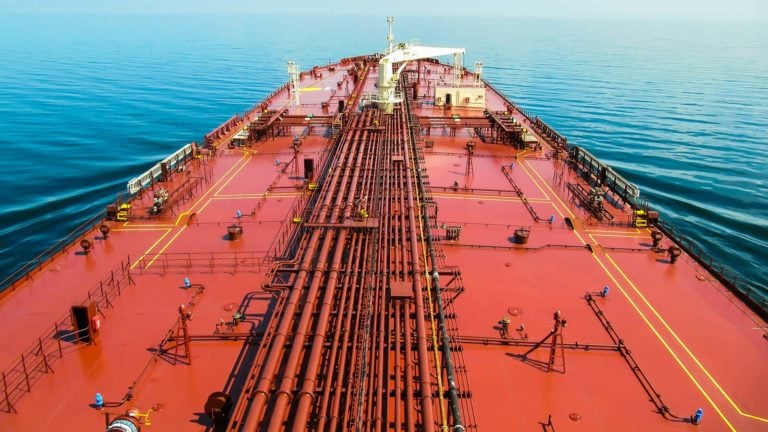
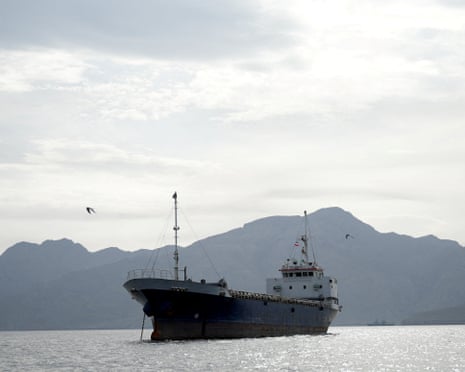
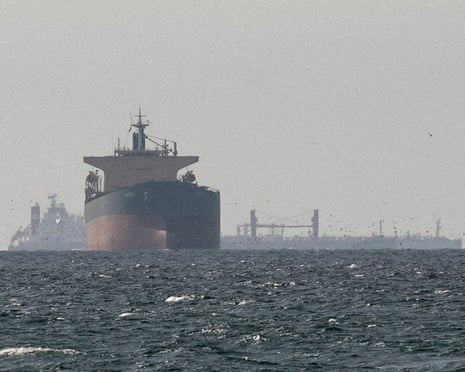
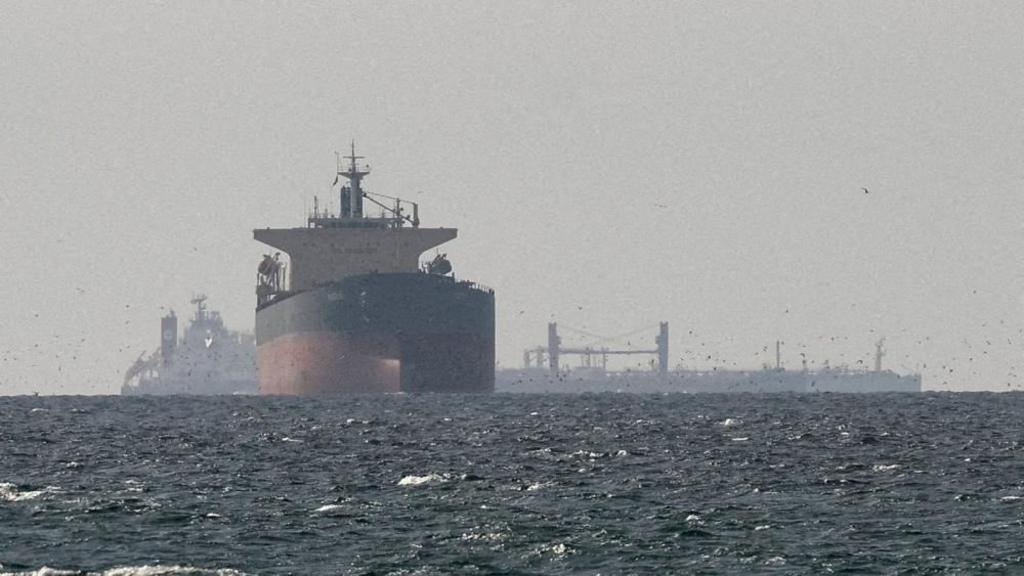
Logistics Network Reconfiguration: Global shipping communities are testing blockade enforcement—the Chinese-owned tanker Rich Starry attempted passage twice in 24 hours (News 3), suggesting enforcement challenges. However, sellers should assume blockade persistence through at least May 2026 pending diplomatic resolution. 3PL providers are implementing surcharges ($200-500 per container) and extending delivery windows by 7-14 days. Sellers should lock in freight rates immediately before further escalation and diversify across multiple 3PL providers to avoid capacity constraints.
Questions 7
How much will shipping costs increase for sellers using Strait of Hormuz routes?
Sellers face 15-25% cost increases on ocean freight through the Strait of Hormuz due to the US blockade beginning April 21, 2026. The blockade has reduced daily vessel crossings from 138 ships to a fraction of normal traffic, forcing logistics providers to implement surcharges of $200-500 per container and extend delivery windows by 7-14 days. Air freight alternatives cost 5-8x more than ocean freight, making them viable only for high-margin products. Sellers should lock in freight rates immediately and expect these elevated costs to persist through at least May 2026 pending diplomatic resolution of the ceasefire negotiations.
Which product categories are most vulnerable to Strait of Hormuz disruptions?
Electronics components, textiles, and petrochemical-based products (plastics, rubber) sourced from Middle Eastern suppliers face 30-40% margin compression. Sellers importing from UAE, Saudi Arabia, and Qatar are experiencing supply constraints and elevated operational costs. Time-sensitive inventory and just-in-time supply chains are particularly at risk. Conversely, sellers with pre-positioned inventory buffers and diversified supplier bases can absorb short-term disruptions. Small-to-medium sellers (SMBs) relying on single-source Middle Eastern suppliers face the highest risk of inventory stockouts and margin erosion.