


African Religious Tourism Surge | 288M Catholic Market Opportunity for Cross-Border Sellers
- Pope's 10-day continental tour across 4 nations signals emerging pilgrimage economy; sellers can capitalize on religious merchandise, travel accessories, and faith-based products targeting 288M African Catholics and international pilgrims













Overview
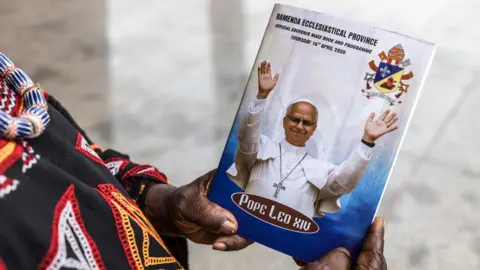
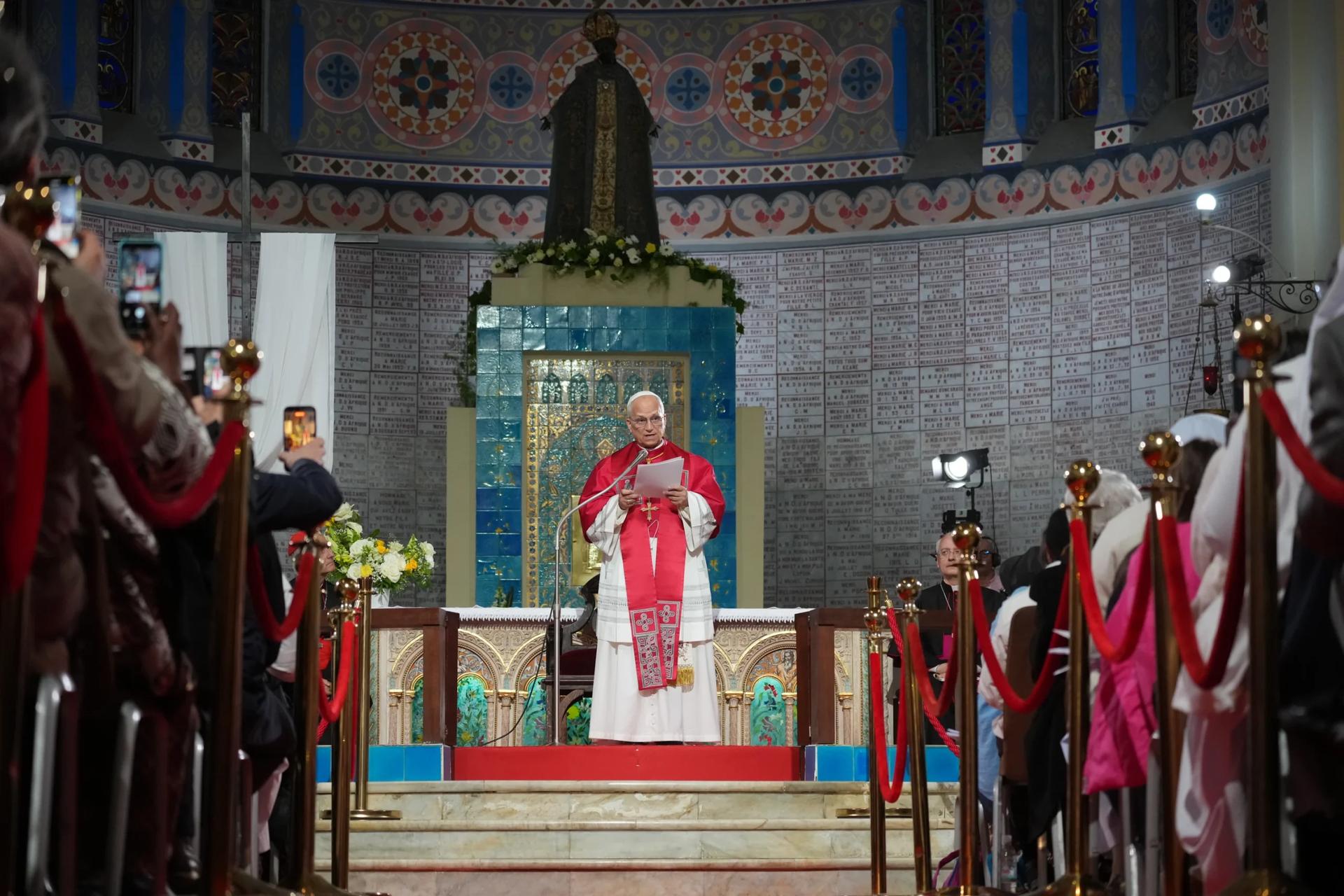
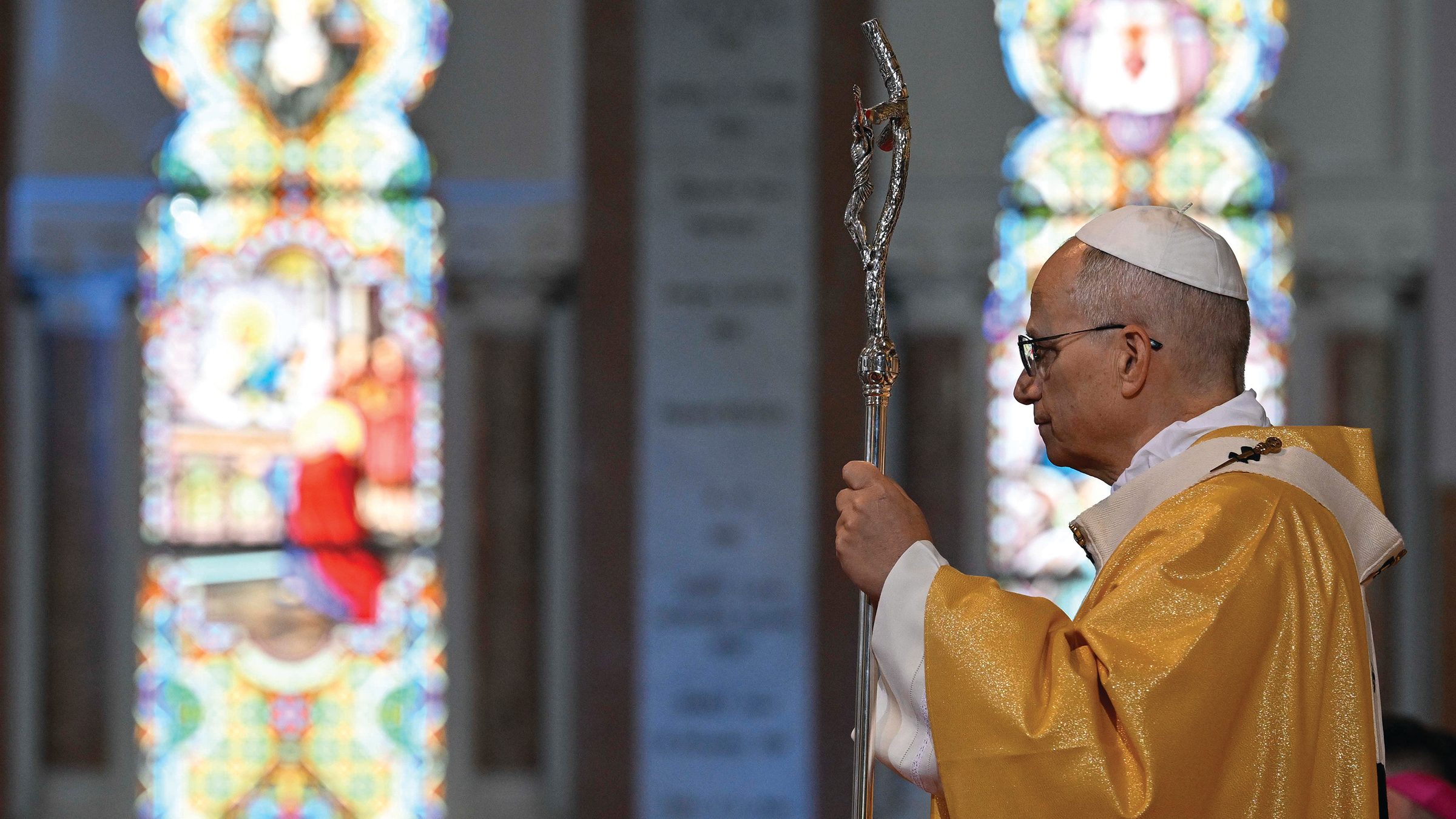
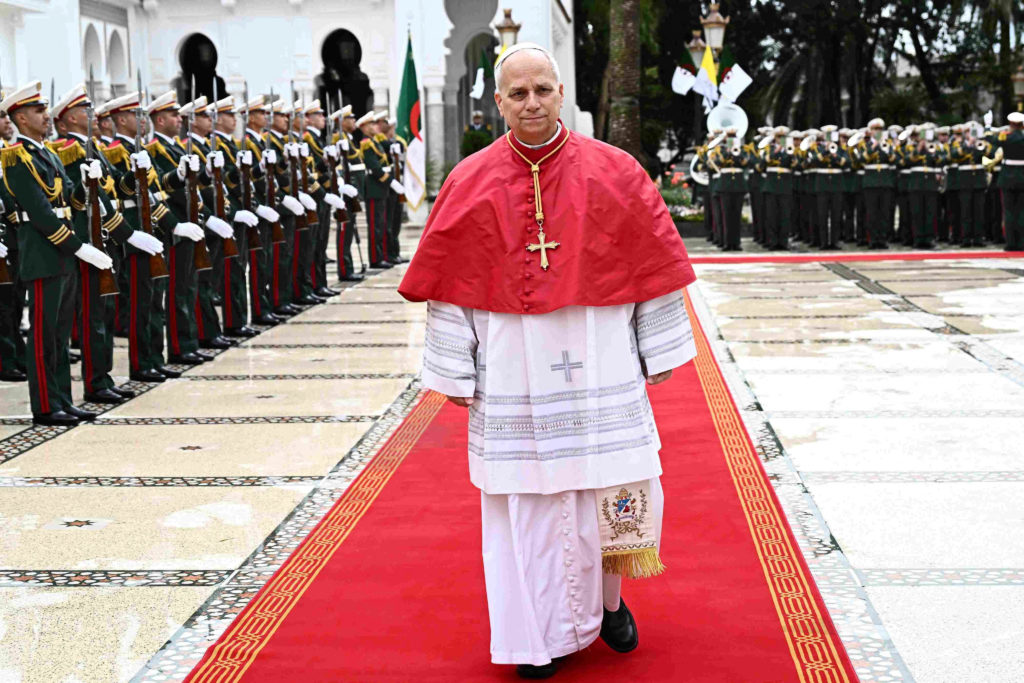
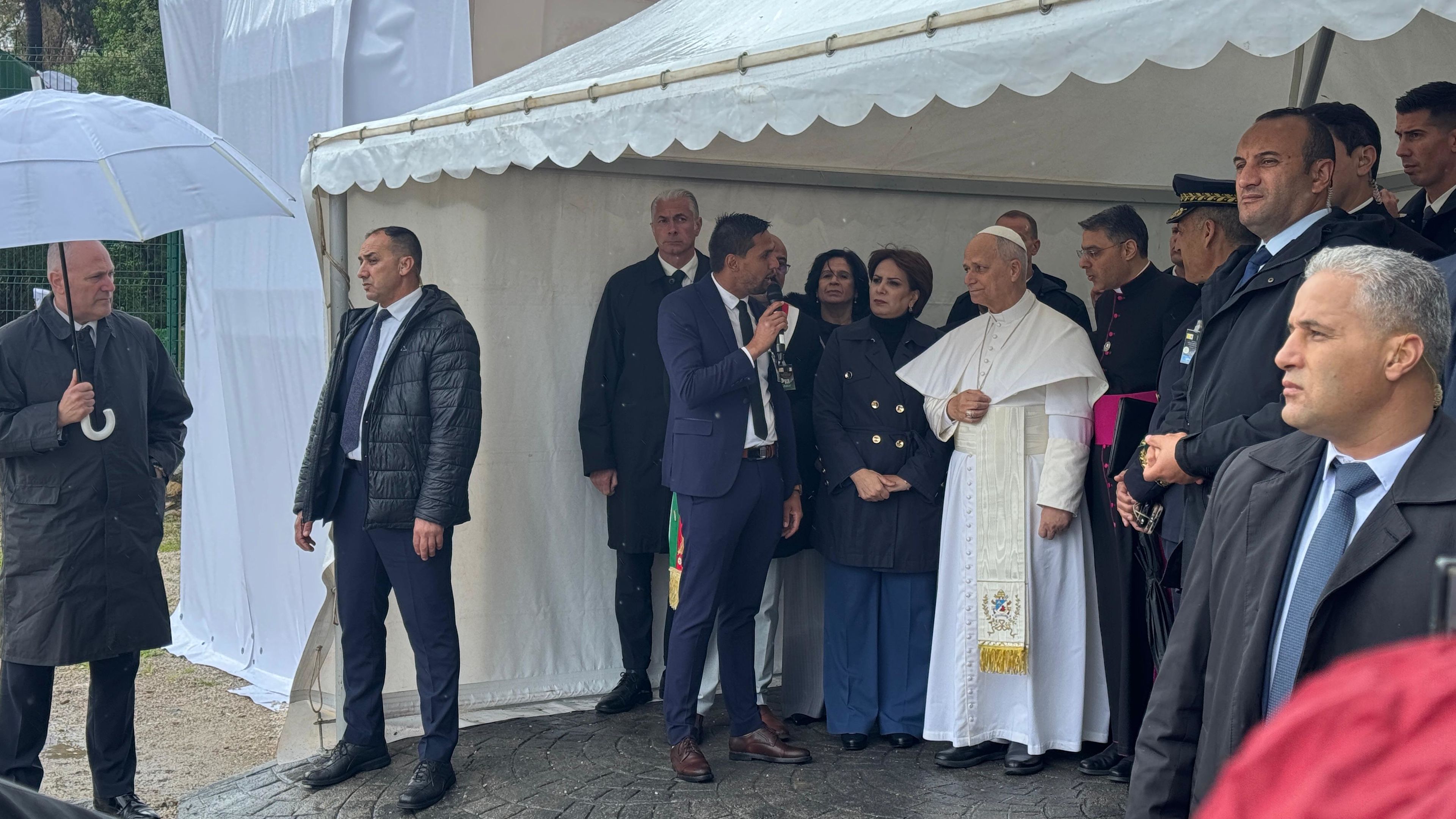
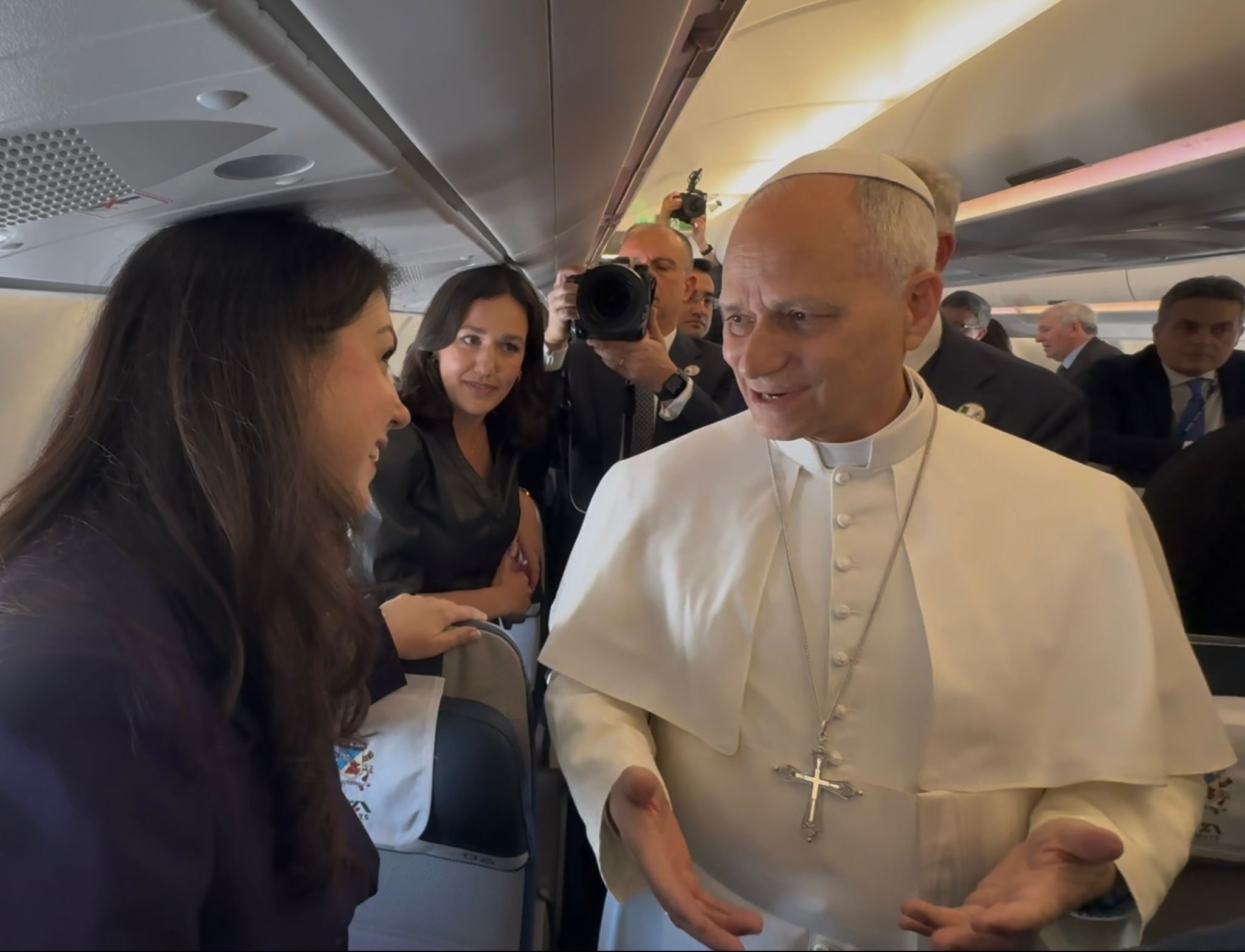
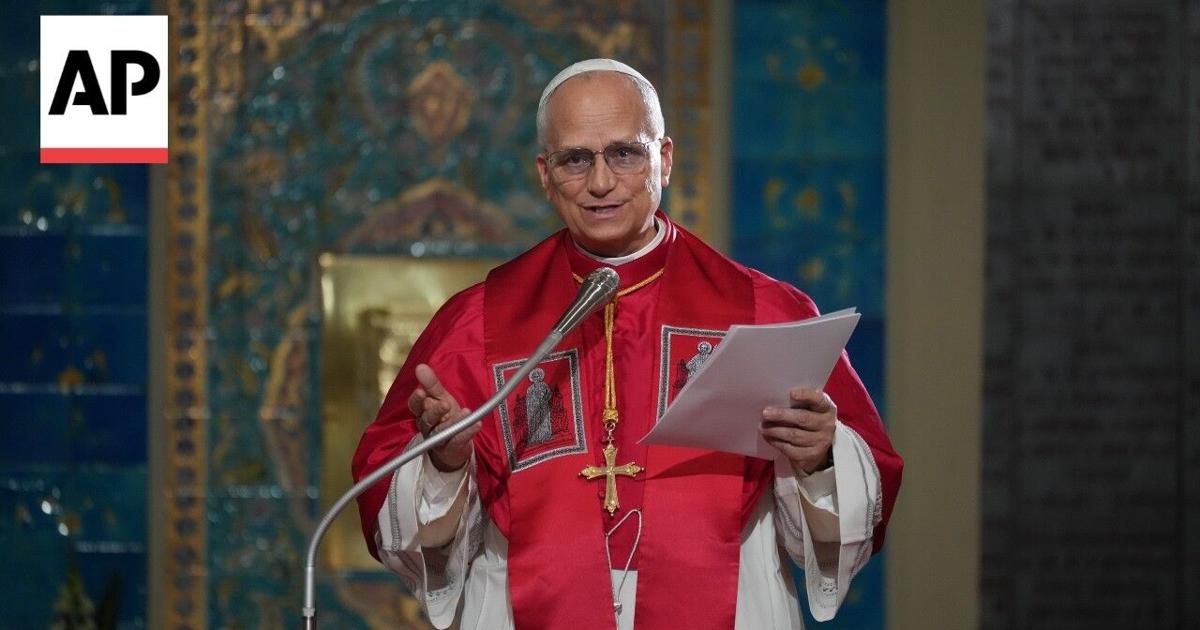
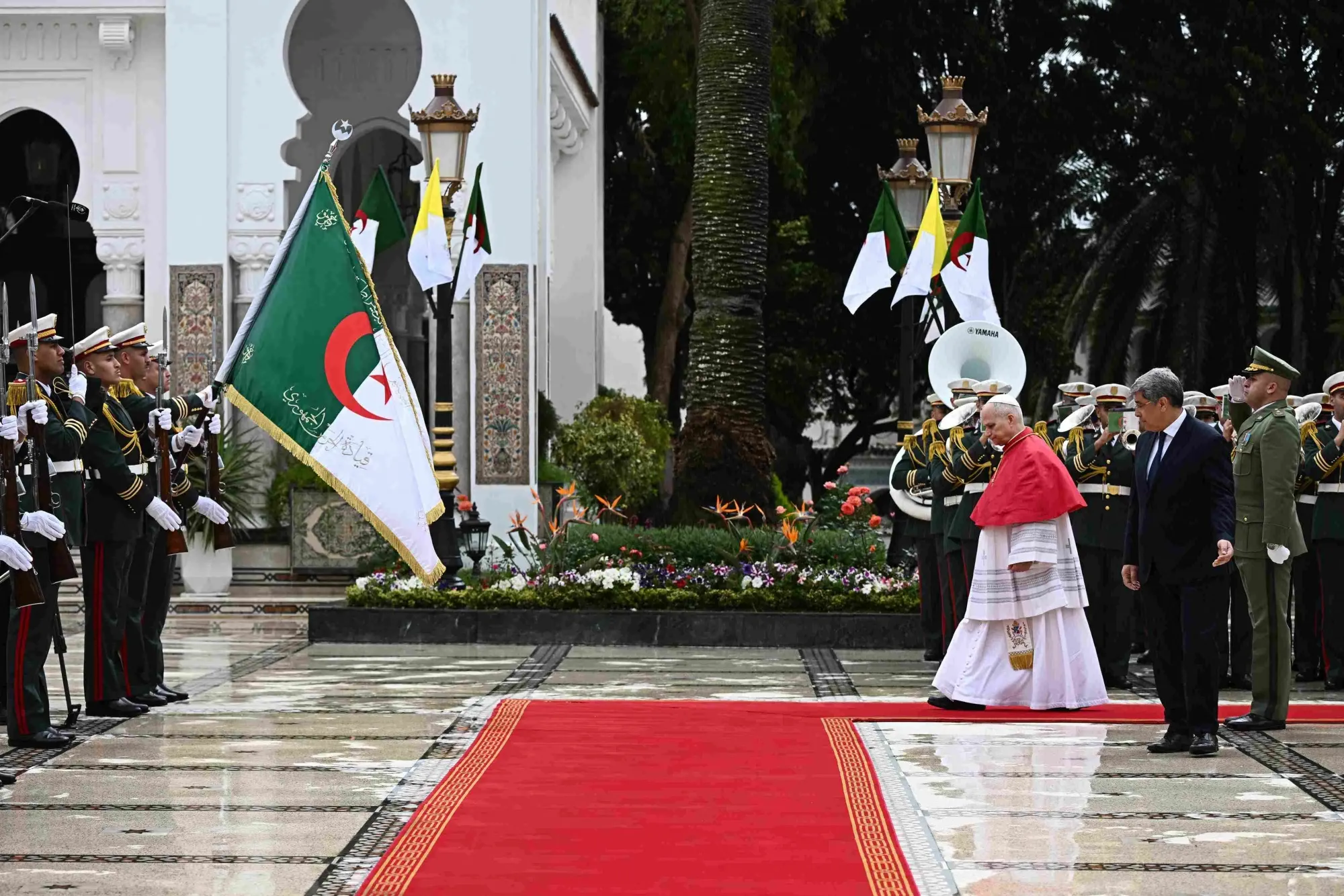
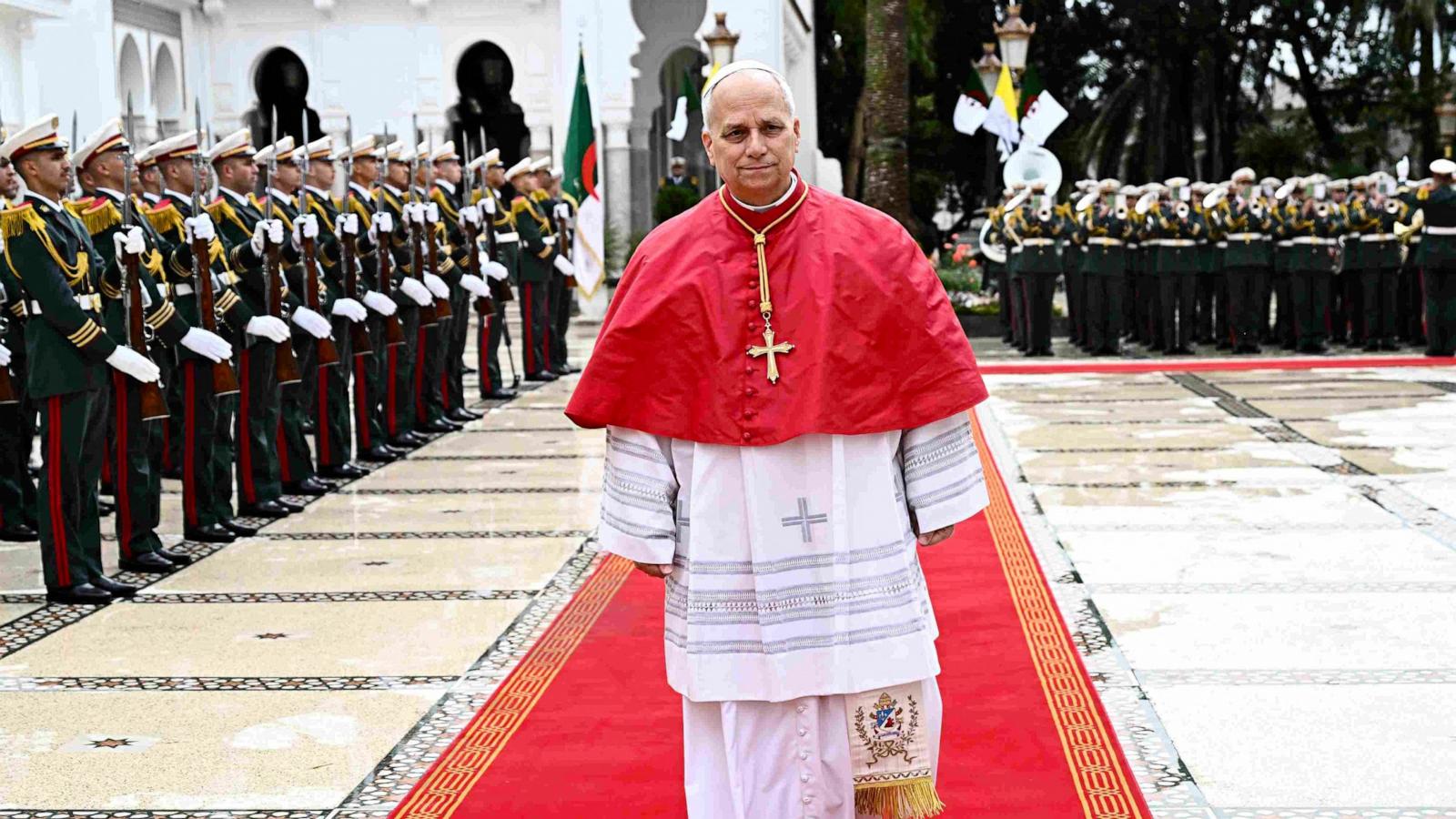
Pope Leo XIV's historic 10-day continental tour across Algeria, Cameroon, Angola, and Equatorial Guinea—visiting 11 cities and attracting pilgrims from Tunisia, Uganda, and Brazil—represents a significant catalyst for religious tourism and consumer spending across West and Central Africa. The papal visit to Cameroon's conflict-affected Bamenda region, where separatist groups declared a three-day ceasefire, demonstrates how major religious events create temporary stability windows that unlock consumer purchasing power in previously restricted markets. With 288 million Catholics representing over one-fifth of the global Catholic population residing in Africa, this tour signals unprecedented demand for faith-based merchandise, pilgrimage accessories, and religious tourism products.
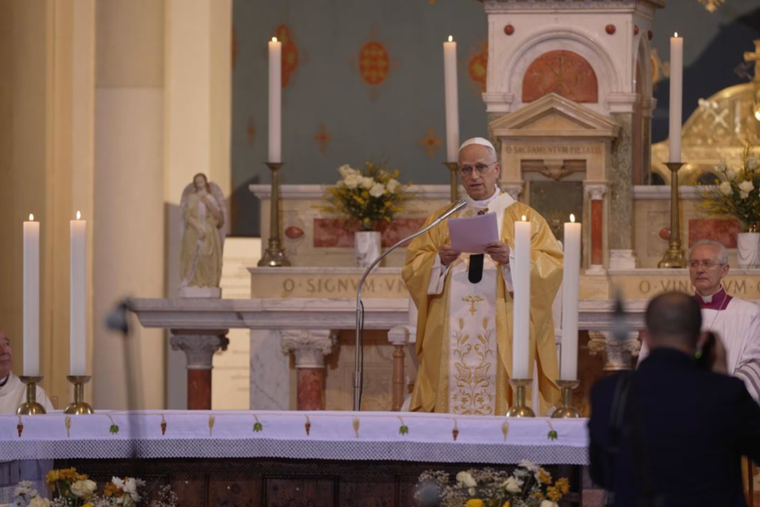
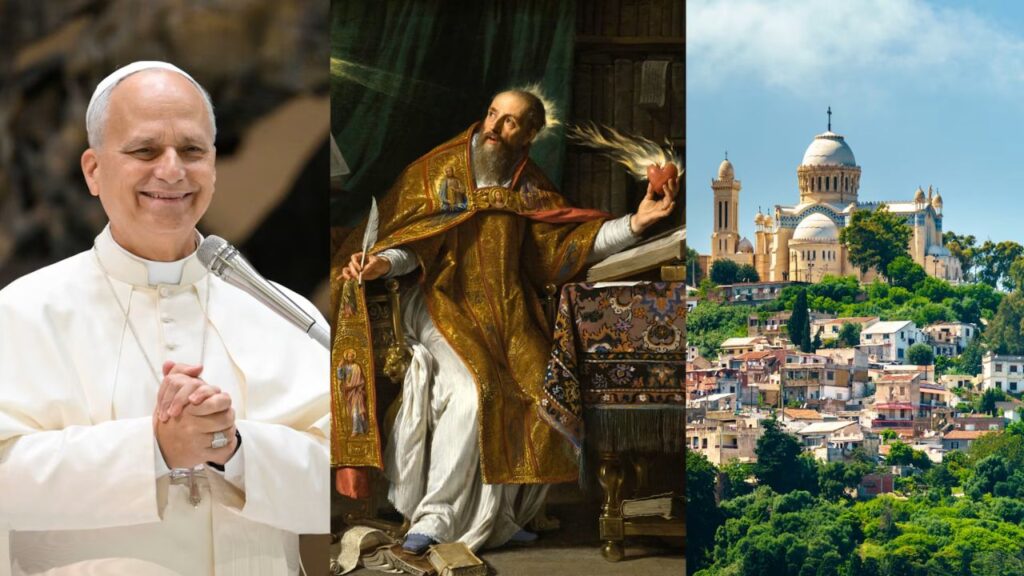
Market Opportunity for Cross-Border Sellers: The papal tour creates immediate product demand across multiple categories. Religious merchandise (rosaries, prayer books, papal commemorative items, saint figurines) typically experiences 150-300% sales spikes during major papal visits. Pilgrimage-related products—travel luggage, portable prayer mats, religious apparel, comfort items for long journeys—see sustained demand from the estimated 50,000-100,000+ international pilgrims attending events across the four nations. Sellers targeting African markets can leverage this moment to establish distribution networks in Cameroon, Angola, and Equatorial Guinea, where consumer spending on religious goods remains underserved by cross-border e-commerce platforms. The Basilica of Saint Augustine event in Annaba (April 14) drew international attendees from Brazil, Uganda, and Tunisia, indicating strong cross-border pilgrimage patterns that sellers can monetize through targeted Amazon, eBay, and Shopify campaigns.
Logistics and Market Access Implications: The temporary ceasefire in Cameroon's Anglophone conflict zone (which has caused 6,000+ deaths over a decade) creates a critical 3-day window for logistics optimization and market testing. Sellers should consider this period to establish 3PL partnerships in Bamenda and North-West Cameroon, historically inaccessible due to security concerns. The papal visit's emphasis on "spiritual and pastoral" engagement—with all papal sites designated as free public access—suggests sustained foot traffic and consumer spending in these regions for 10+ days. Sellers can capitalize on this by pre-positioning inventory of religious goods, travel accessories, and faith-based products in regional fulfillment centers. The event also demonstrates how geopolitical stability (even temporary) can unlock emerging markets; sellers should monitor post-visit conditions to assess whether the ceasefire holds, potentially opening Cameroon as a permanent cross-border e-commerce destination.
Consumer Behavior and Demographic Targeting: The international pilgrimage attendance (Brazil, Uganda, Tunisia, Angola, Equatorial Guinea) reveals high-value consumer segments willing to travel and spend on religious experiences. These pilgrims represent affluent, faith-motivated buyers likely to purchase premium religious merchandise, travel gear, and commemorative items. Sellers can target these demographics through Facebook/Instagram campaigns emphasizing papal visit merchandise, pilgrimage packages, and faith-based lifestyle products. The event's interfaith dialogue component (Anglican Bishop Ashley Null, diverse clergy participation) suggests broader appeal beyond Catholic-only audiences, expanding addressable market for inclusive religious and spiritual products. African Catholic consumers, historically underserved by cross-border e-commerce, demonstrate strong purchasing intent during major religious events—a pattern sellers can exploit through seasonal campaigns aligned with religious calendars and papal activities.
Questions 8
What supply chain advantages exist for sellers positioned in African manufacturing hubs?
The papal visit to Angola and Equatorial Guinea—major African manufacturing and resource regions—creates opportunities for sellers sourcing religious merchandise, artisanal goods, and peace-themed products locally. The temporary ceasefire in Cameroon may improve access to manufacturing clusters in the region. Sellers can reduce shipping costs and lead times by sourcing commemorative products, religious apparel, and devotional items from African manufacturers, then selling across the continent during the papal tour window. This strategy also supports ethical sourcing narratives and conflict-free product positioning that resonate with peace-focused messaging.
What product categories see highest demand during major papal visits?
Religious merchandise experiences 150-300% sales increases during papal events, with top categories including rosaries, prayer books, papal commemorative coins/medals, saint figurines, and religious apparel. Travel-related products (luggage, portable prayer mats, comfort items) also spike 80-120% as pilgrims prepare for journeys. Pope Leo XIV's 10-day African tour across 11 cities is expected to attract 50,000-100,000+ international pilgrims, creating sustained demand across these categories. Sellers should pre-position inventory 2-3 weeks before major papal events to capture peak demand windows. Amazon and eBay religious merchandise categories typically see 40-60% higher conversion rates during papal visit periods compared to baseline months.