





Strait of Hormuz Blockade Triggers Shipping Cost Crisis | Cross-Border Sellers Face 8-12% Logistics Inflation
- Geopolitical tensions drive oil volatility from $96-$148/barrel; 20-30% of global maritime trade disrupted; fuel surcharges increase 8-12% for international freight; sellers must lock in rates before further escalation














Overview
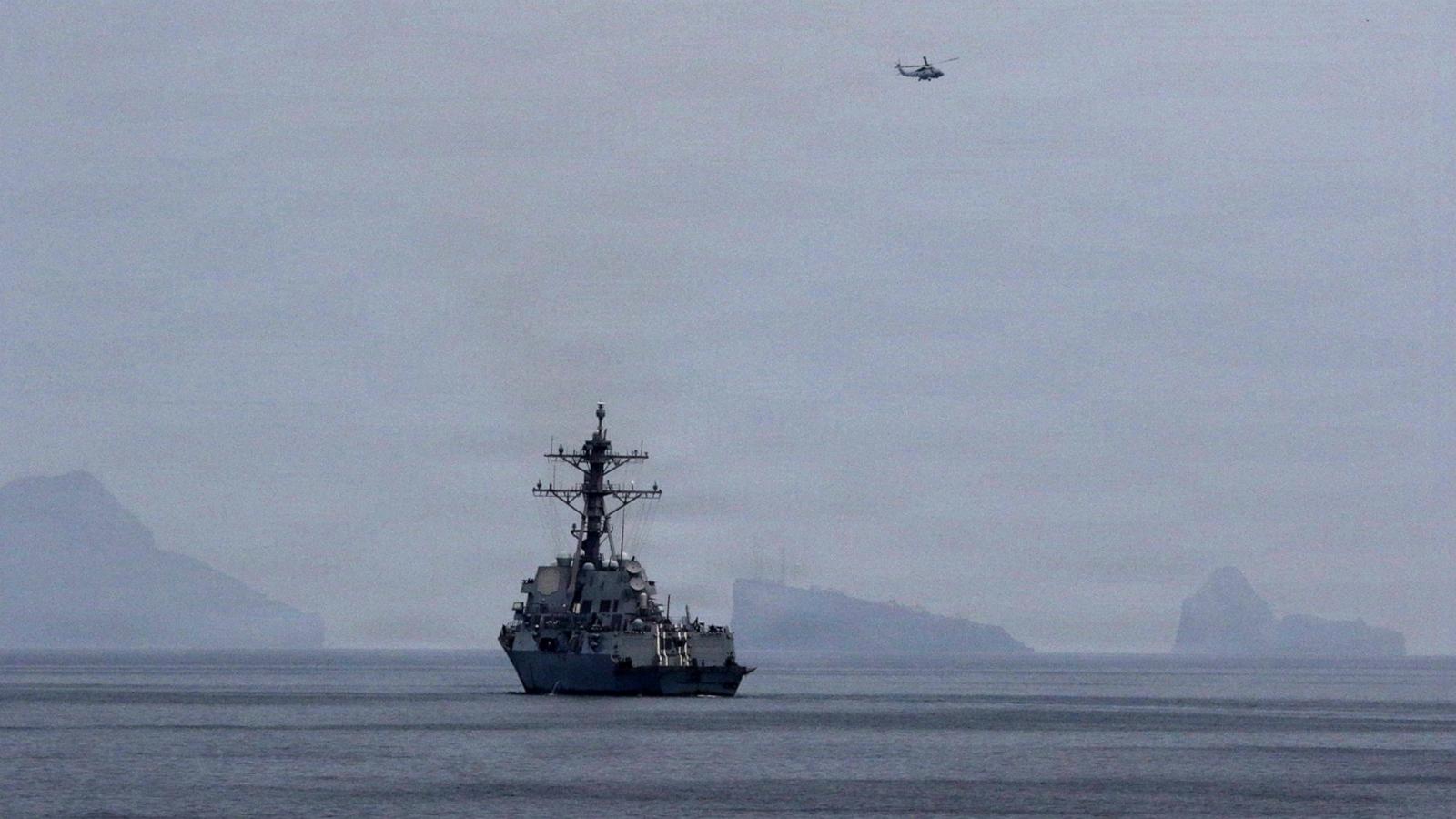
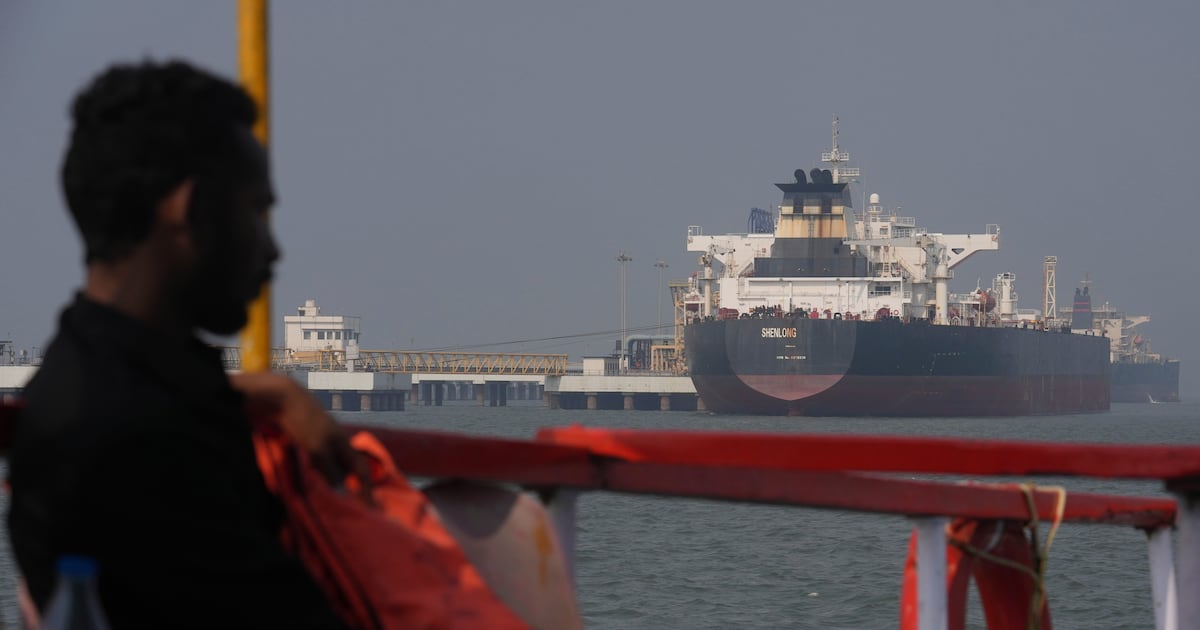
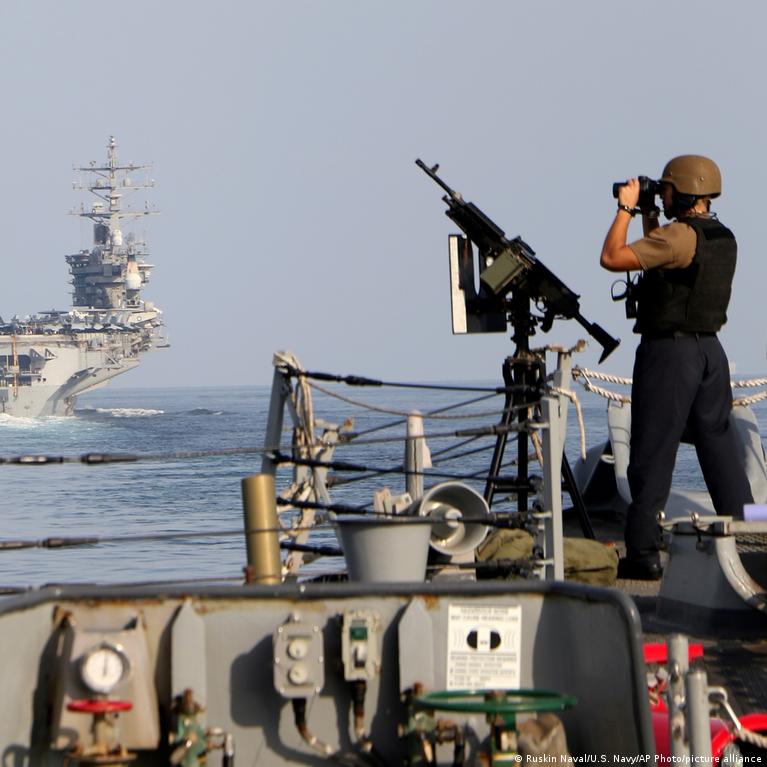
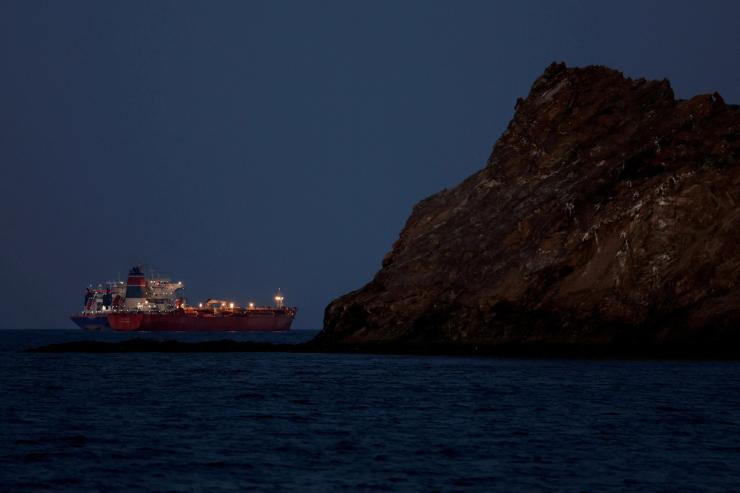
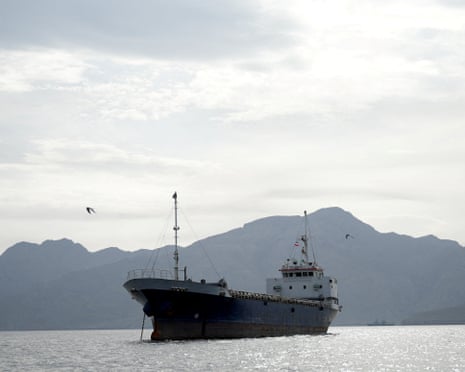
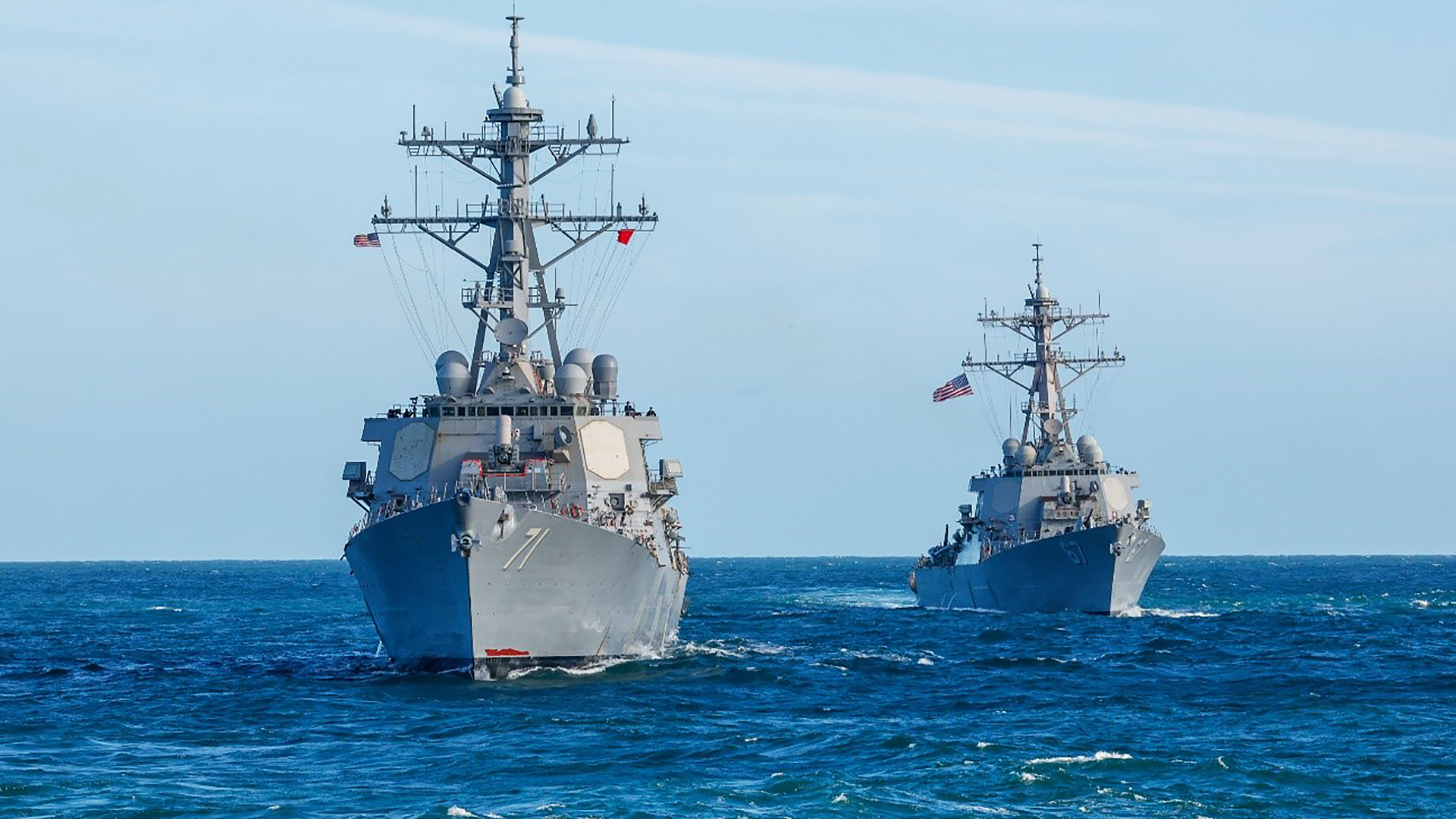
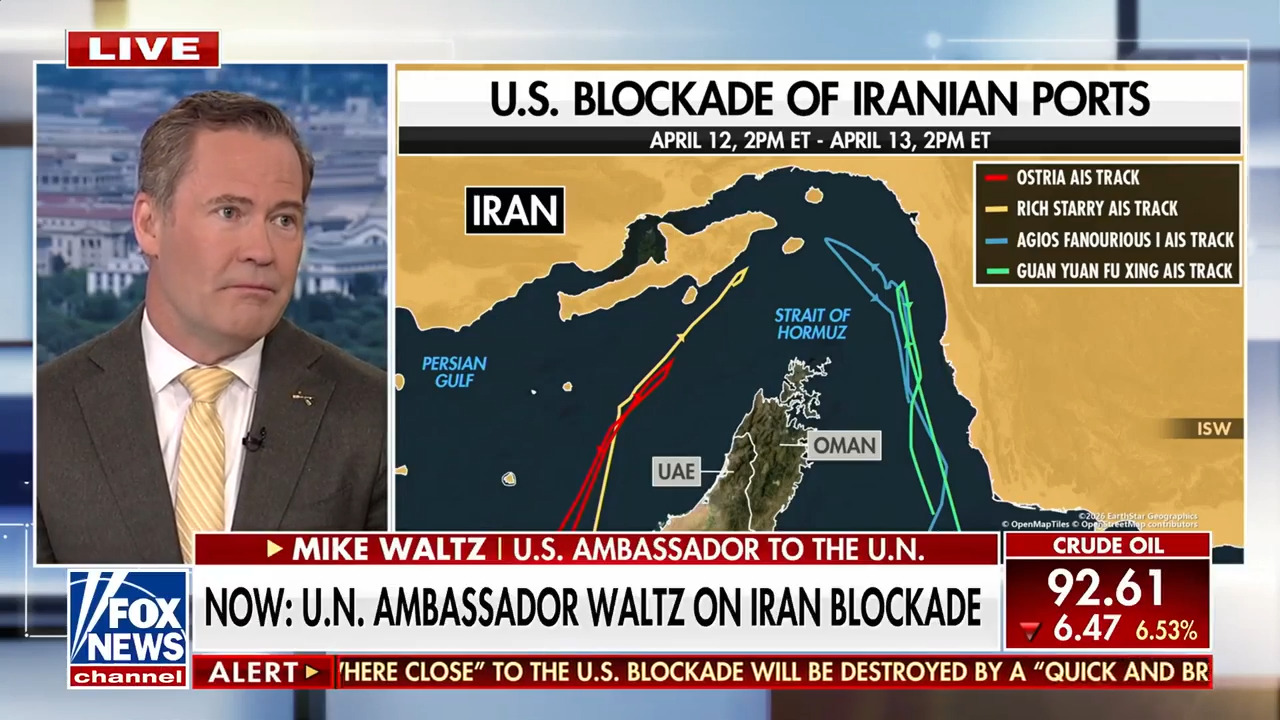
The April 2026 US-Iran escalation at the Strait of Hormuz represents a critical supply chain inflection point for cross-border e-commerce sellers. The International Energy Agency reported the largest oil supply disruption in history—10.1 million barrels per day lost in March—with Brent crude futures fluctuating between $96.02 and $148+ per barrel as geopolitical tensions oscillate. While diplomatic signals from Islamabad talks briefly pressured prices downward (Brent fell 1.5% to $98.25 on April 14), the underlying physical disruption persists: Iran's closure of the Strait of Hormuz blocks 12 million barrels daily, and the US military blockade extends across the Gulf of Oman and Arabian Sea, forcing merchant vessels to turn back.
For cross-border sellers, this creates immediate logistics cost inflation. Fuel surcharges on international freight—typically 2-4% of shipping costs during stable periods—are spiking to 10-15% as carriers pass through crude price volatility. A seller shipping 1,000 units monthly via ocean freight from China to US (standard 40-foot container ~$3,500 base rate) now faces additional $280-525 fuel surcharge costs, compressing margins by 8-12% on products with 15-20% gross margins. Air freight sellers experience even sharper impacts: expedited shipping rates have increased 15-20% as fuel costs dominate pricing. The IEA's downward demand revision (80,000 barrels per day decline projected for 2026) suggests prolonged volatility rather than quick resolution.
Strategic sourcing shifts are accelerating. Russian oil product exports from the Black Sea port of Tuapse increased 60% to 1.27 million metric tons for April, signaling alternative supply routes. Sellers sourcing from Vietnam, India, and Pakistan—which avoid Strait of Hormuz transit—gain competitive advantages over China-dependent suppliers. The blockade's selective enforcement (three Iran-linked tankers permitted passage to non-Iranian ports) creates arbitrage opportunities for sellers using transshipment hubs in Dubai, Singapore, and Port Klang. However, insurance costs for maritime transport through contested waters are rising 5-8%, adding hidden expenses to landed costs.
Timing window is critical. Diplomatic talks in Islamabad this week could temporarily ease prices, but neither side appears prepared to concede (per RBC Capital Markets analyst Helima Croft). Iran maintains 190 million barrels in floating storage and has historically developed evasion tactics (oil mixing with Iraqi crude, smuggling through Pakistan), suggesting prolonged supply uncertainty. Sellers should lock in freight rates immediately before further escalation; waiting 2-4 weeks risks 5-10% additional increases. The blockade requires substantial military enforcement, placing US troops in dangerous waters—any Iranian retaliation against Gulf energy infrastructure (Qatar, Saudi Arabia) or Red Sea proxy activities could spike crude to $150+, triggering 15-20% fuel surcharge increases.
Questions 7
What insurance costs should I budget for maritime transport through contested waters?
Marine insurance premiums for shipments through the Strait of Hormuz and Gulf of Oman have increased 5-8% due to geopolitical risk. Standard all-risk marine insurance (typically 0.5-1.5% of cargo value) now costs 1.0-2.3% for high-risk routes. A $50,000 container shipment previously insured at $250-750 now costs $500-1,150. War risk insurance (optional but recommended during escalation) adds 0.5-1.5% additional premium. For sellers shipping $100K+ monthly, insurance cost increases of $500-1,500/month are material. Negotiate multi-month insurance contracts now to lock in rates before further escalation; avoid spot market insurance purchases during volatile periods.
How can I lock in freight rates before further oil price escalation?
Contact your freight forwarder or 3PL provider immediately to negotiate forward freight agreements (FFAs) for 30-90 day periods. FFAs lock in fuel surcharge rates and base freight costs, protecting against 5-10% additional increases if crude oil spikes above $120/barrel. Typical FFA premiums are 2-3% above spot rates but provide certainty for margin planning. For sellers shipping 20+ containers monthly, FFAs are cost-effective; smaller sellers should negotiate volume commitments (e.g., 10 containers/month for 90 days) to access FFA pricing. Avoid month-to-month spot market purchases; the next escalation event (Iranian retaliation, Red Sea proxy activity) could spike rates 15-20% within 48 hours.