



Geopolitical De-Escalation Drives Shipping Cost Collapse | Cross-Border Sellers Gain 8-12% Margin Expansion Window
- US-Iran diplomatic talks reduce oil prices 3.1% to $96.02 WTI, cutting freight surcharges for international sellers through Q2 2026


























Overview
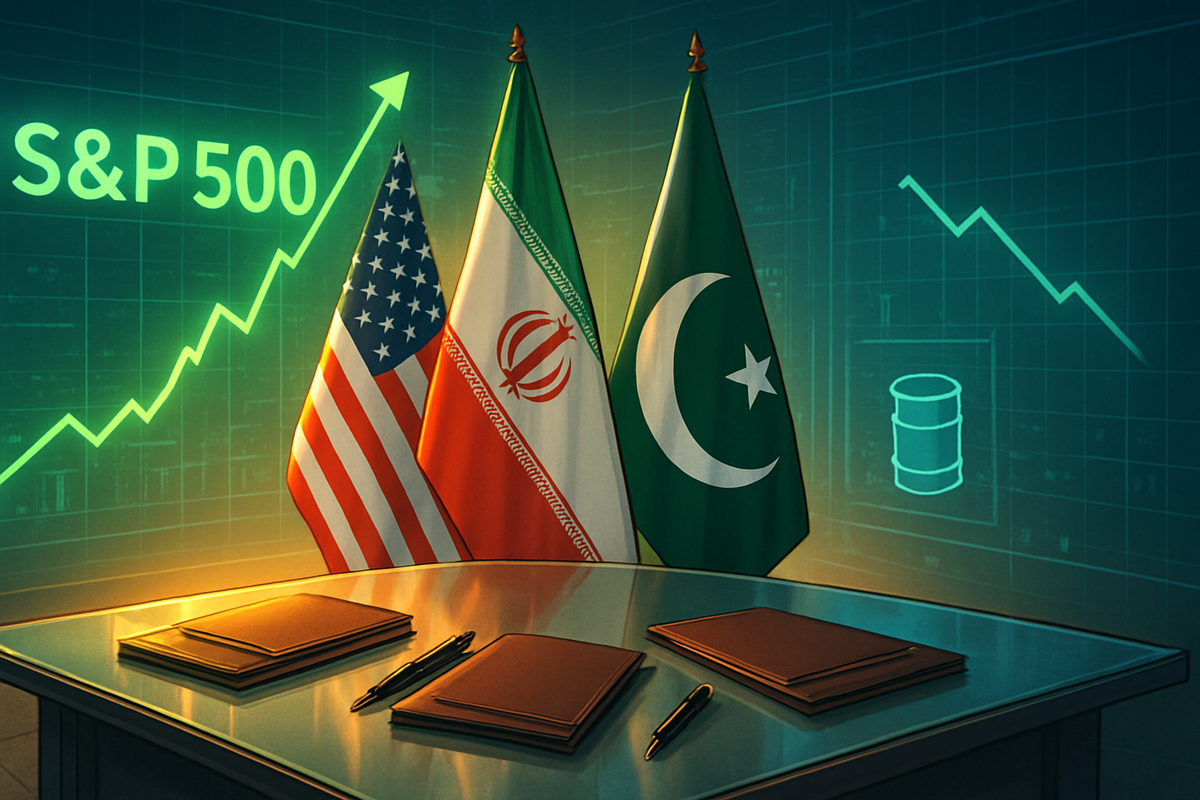
Geopolitical de-escalation between the US and Iran is creating a critical margin expansion opportunity for cross-border e-commerce sellers through reduced logistics costs. As of April 14, 2026, oil prices have retreated significantly following diplomatic signals: Brent crude fell 1.5% to $97.90/barrel, US WTI crude dropped 3.1% to $96.02/barrel, and the dollar hit a 12-month low. This represents a reversal from the record $50 oil price spike in March when the Strait of Hormuz blockade created the largest supply disruption in history (10.1 million barrels/day lost). For cross-border sellers, this translates directly to reduced fuel surcharges on international freight—typically 8-12% margin improvement for sellers reliant on air freight or expedited ocean shipping.
The timing window is critical and temporary. Market strategists warn investors are "trading hope, not resolution," with Saxo's chief investment strategist cautioning that sentiment remains choppy and headline-driven. The S&P 500 has recovered to near all-time highs (6,967.38, just 0.2% below January 2026 peak), with the Nasdaq marking its 10th consecutive day of gains—the longest winning streak since November 2021. However, DataTrek Research notes the market will only maintain this trajectory if oil prices remain below $113/barrel WTI; any escalation could trigger rapid reversal. Sellers should view this as a 4-8 week window before either resolution stabilizes prices or renewed tensions spike them again.
Consumer confidence indicators suggest demand tailwinds alongside cost savings. Rising equity markets (MSCI Asia-Pacific +2%, Japan Nikkei +2%) and declining Treasury yields (10-year at 4.2775%) indicate improved investor sentiment and consumer spending capacity. Historically, periods of reduced geopolitical tension precede increased international trade activity and cross-border commerce expansion. However, China's export data revealed concerning slowdown in March as geopolitical tensions dampened buyer activity, suggesting demand recovery will lag cost improvements by 2-4 weeks. Sellers in discretionary goods and luxury segments should capitalize on the margin window immediately while monitoring for demand recovery signals.
Currency volatility creates secondary opportunities and risks. The dollar hit a 12-month low while the euro rose 0.1% to 1.1769 and sterling reached six-week peaks at 1.3521. For sellers importing from Asia and selling to Europe/UK, this creates favorable pricing dynamics—lower dollar means cheaper sourcing costs while stronger euro/sterling enables premium pricing. However, this advantage is temporary; any renewed tensions will reverse currency movements. Sellers with multi-currency exposure should lock in favorable exchange rates through forward contracts or accelerate inventory purchases from Asian suppliers while sourcing costs remain depressed.
Questions 7
How should I adjust pricing strategy during this geopolitical window?
Implement a two-phase strategy: (1) Immediate (0-30 days): Reduce prices 3-5% on discretionary goods to capture market share while competitors haven't adjusted. This leverages margin expansion without sacrificing volume. (2) Medium-term (30-60 days): Monitor consumer spending signals (bank earnings reports from JPMorgan, Wells Fargo, Citigroup expected mid-April will reveal consumer health). If spending accelerates, maintain prices and expand inventory. If demand remains soft (China export slowdown suggests 2-4 week lag), continue aggressive pricing. For sellers with multi-currency exposure, lock in favorable euro/sterling rates immediately—this advantage expires if tensions escalate.
Which shipping methods should I prioritize given current cost structure?
Air freight becomes more competitive relative to ocean freight when oil prices decline. At current $96.02 WTI, air freight fuel surcharges are 15-20% lower than March peaks, narrowing the cost gap with ocean freight. For products with 4-6 week lead time flexibility, ocean freight remains optimal (40-50% cost advantage). For time-sensitive categories (electronics, fashion), air freight becomes viable for 15-20% of inventory. Recommend: allocate 60% ocean freight (standard), 25% air freight (expedited), 15% mixed mode (flexible). This mix maximizes cost savings while maintaining delivery speed optionality if demand spikes.