



Premium Travel Boom Signals Affluent Consumer Spending Resilience | E-Commerce Seller Implications
- Airlines invest $2B+ in luxury cabins targeting 31% price-immune consumers; sellers should pivot to premium product categories and affluent audience targeting















Overview
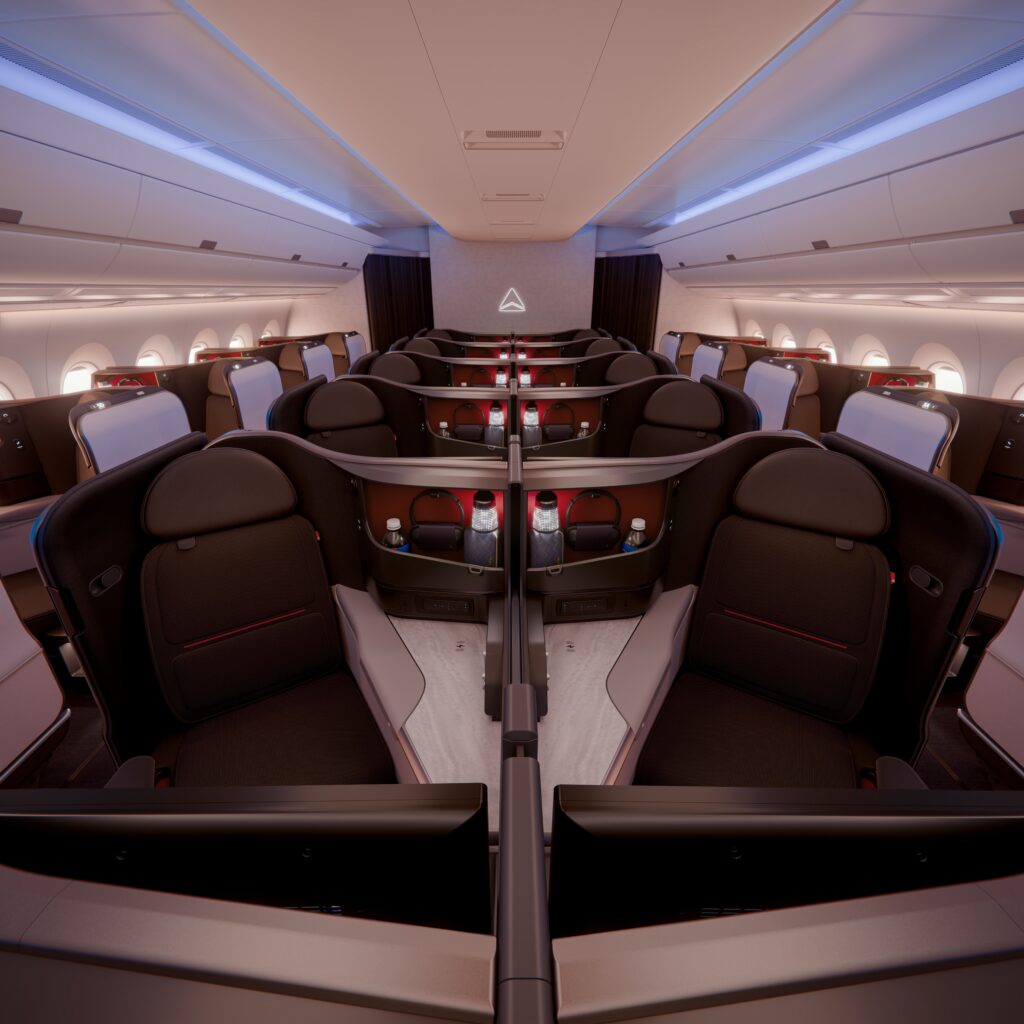
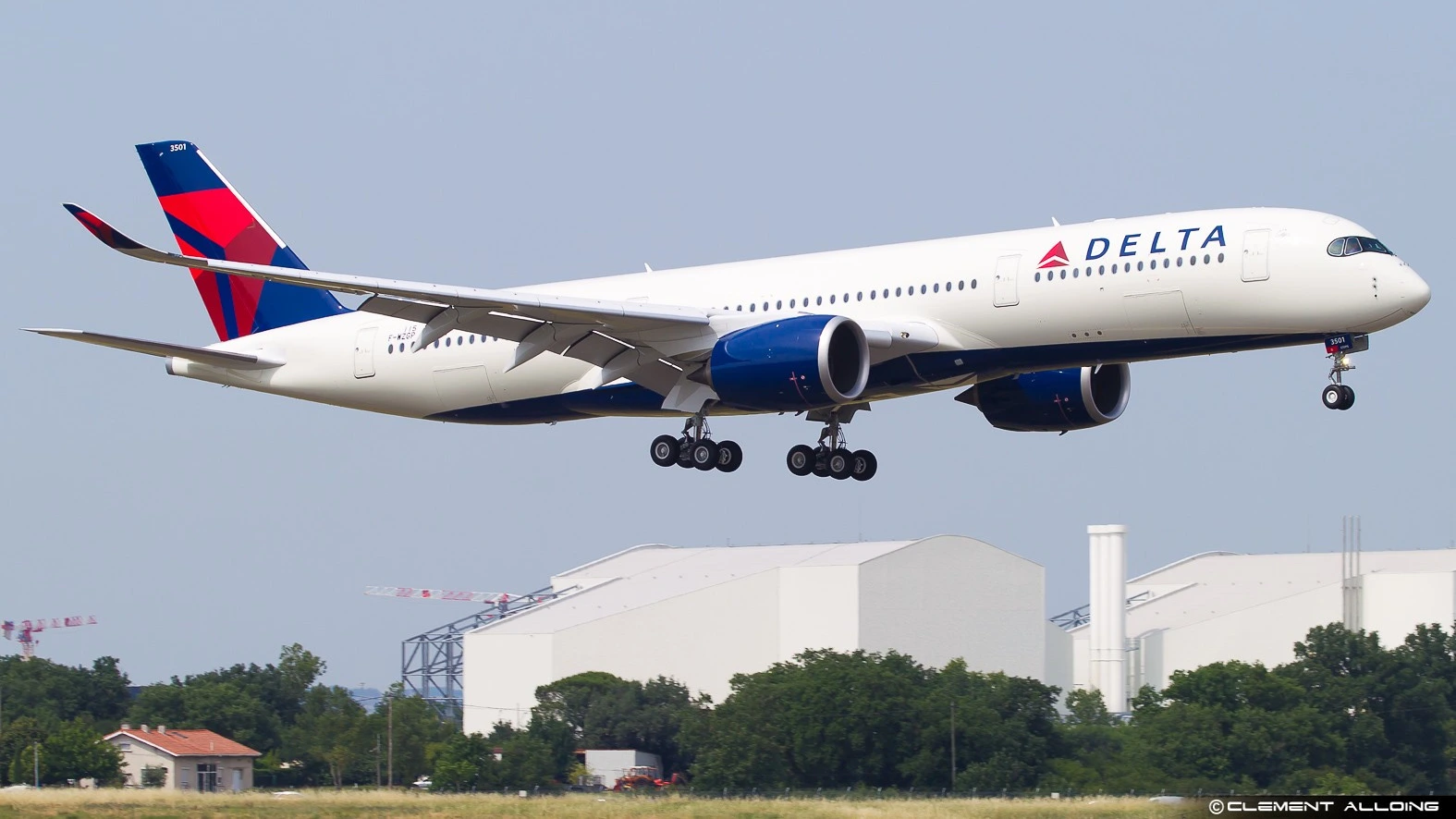
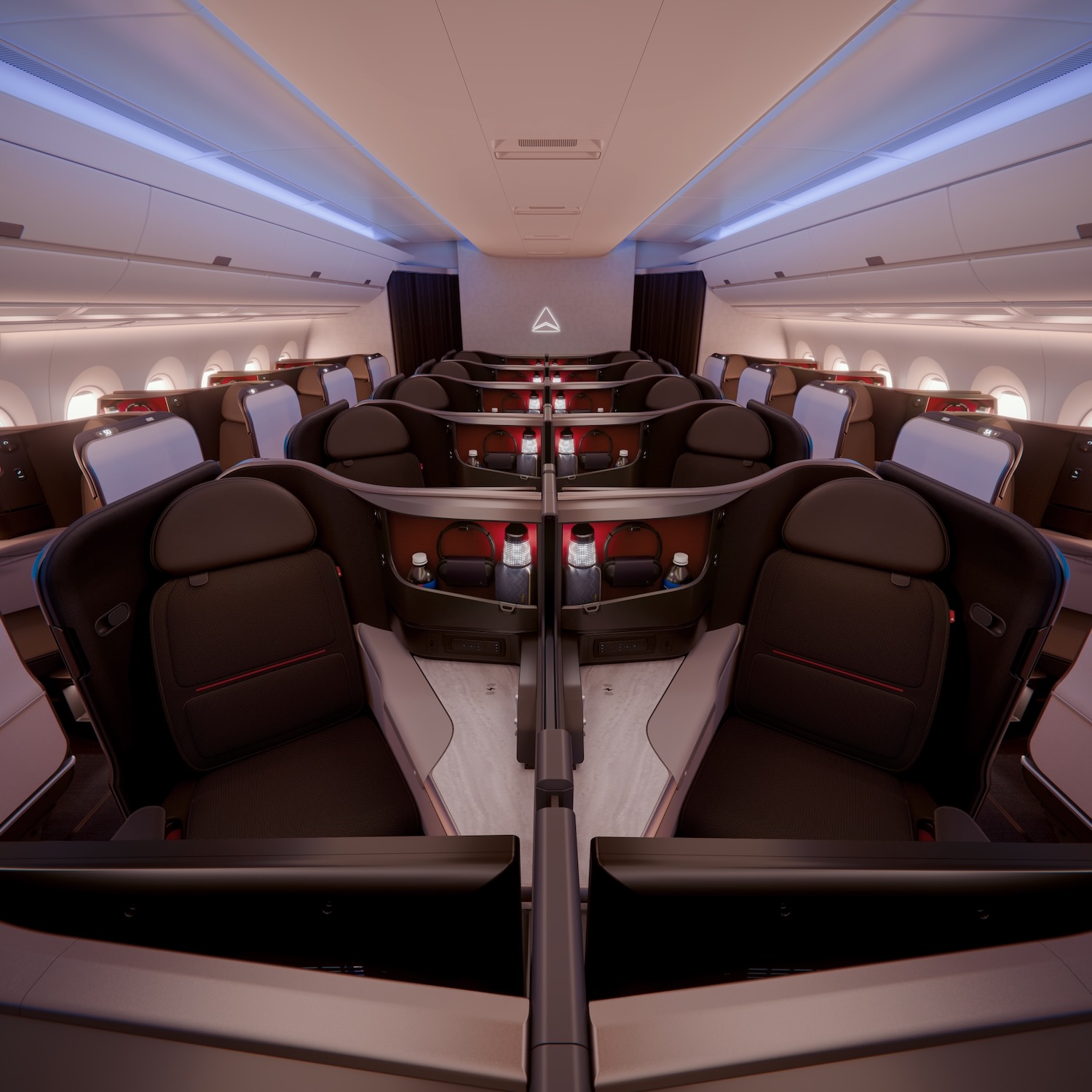
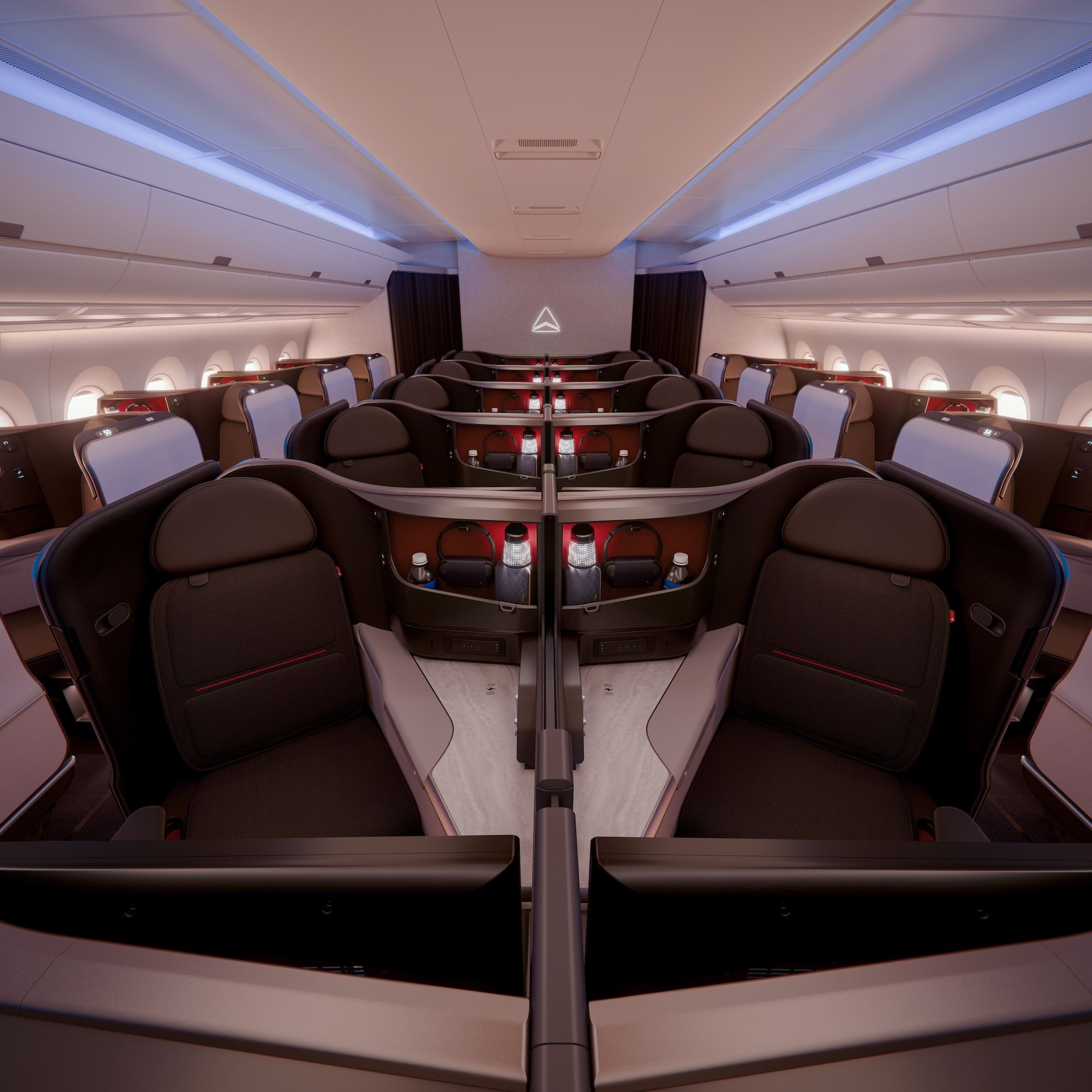
Delta Air Lines' aggressive pivot toward premium cabin revenue—with 14% year-over-year growth and 50% of new A350-1000 capacity dedicated to business-class suites—reveals a critical market signal for cross-border e-commerce sellers: affluent consumers remain economically insulated and actively spending on premium experiences. This trend extends across the airline industry, with United reporting 40% growth in premium seat demand since 2021 and American Airlines adopting similar tiered strategies. The data is unambiguous: while one-third of consumers travel less due to rising costs, 31% report complete price immunity—the demographic airlines aggressively target with $8,500 transatlantic business-class fares versus $1,100 economy options.
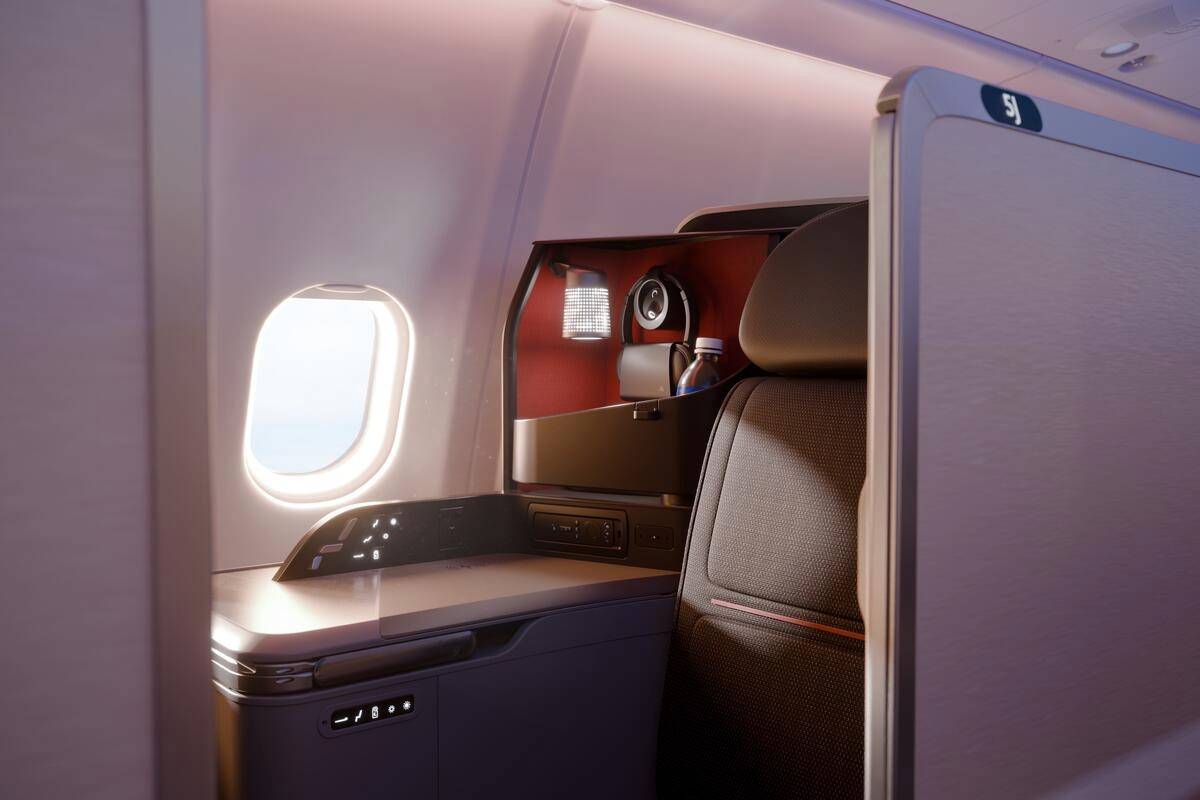
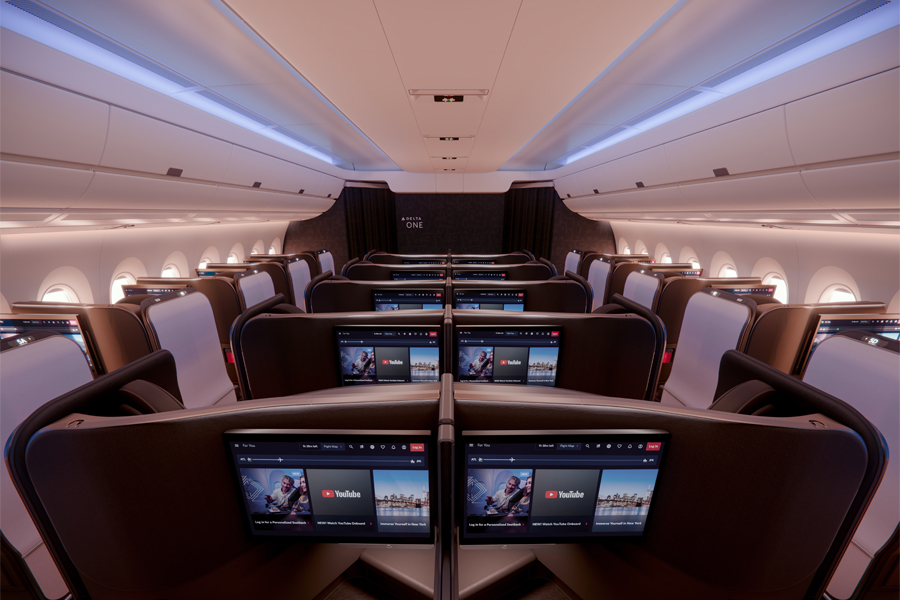
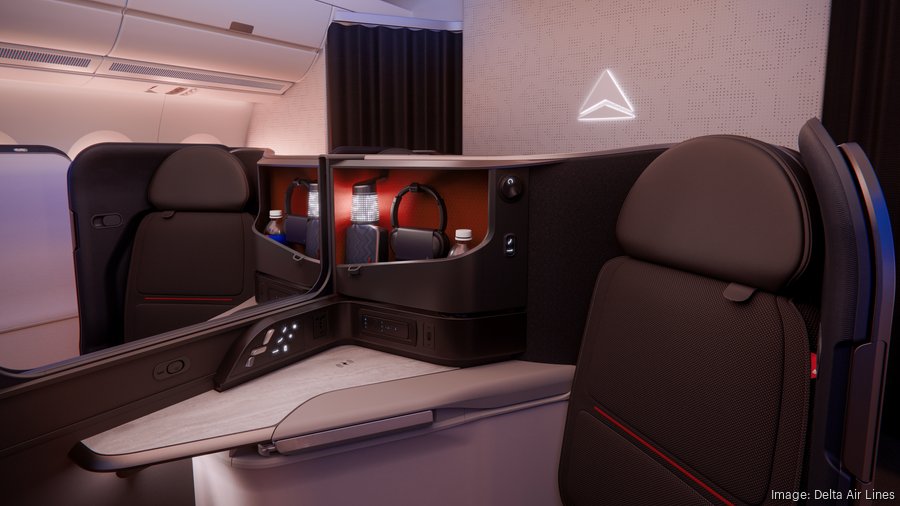
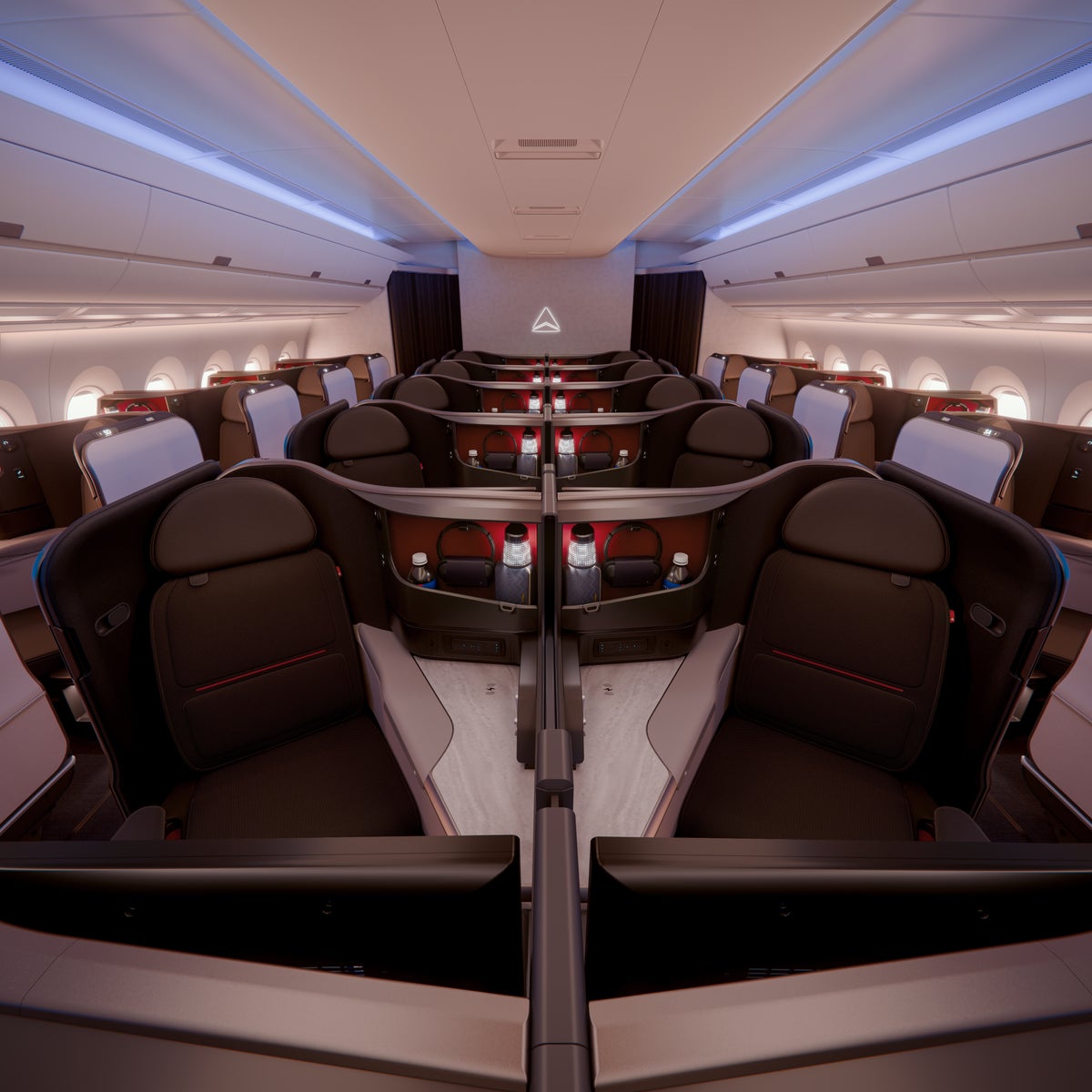
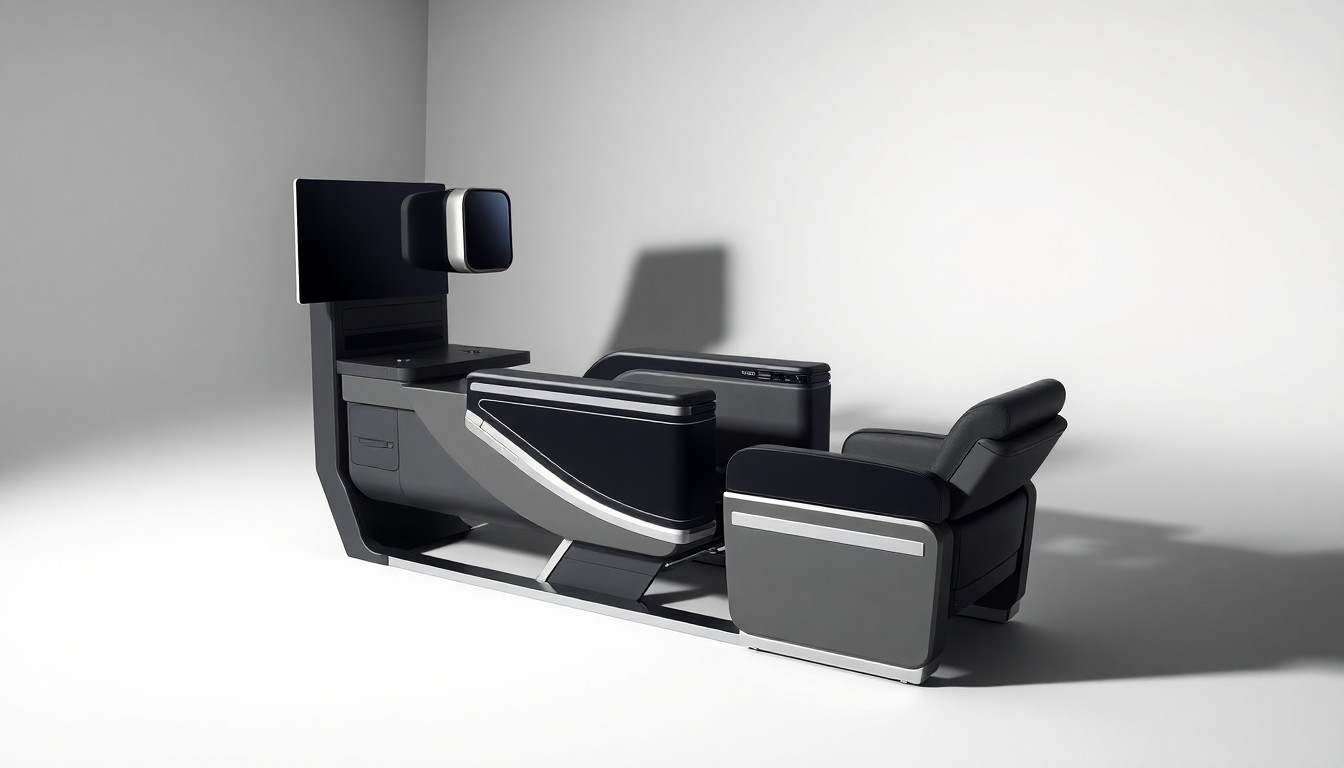
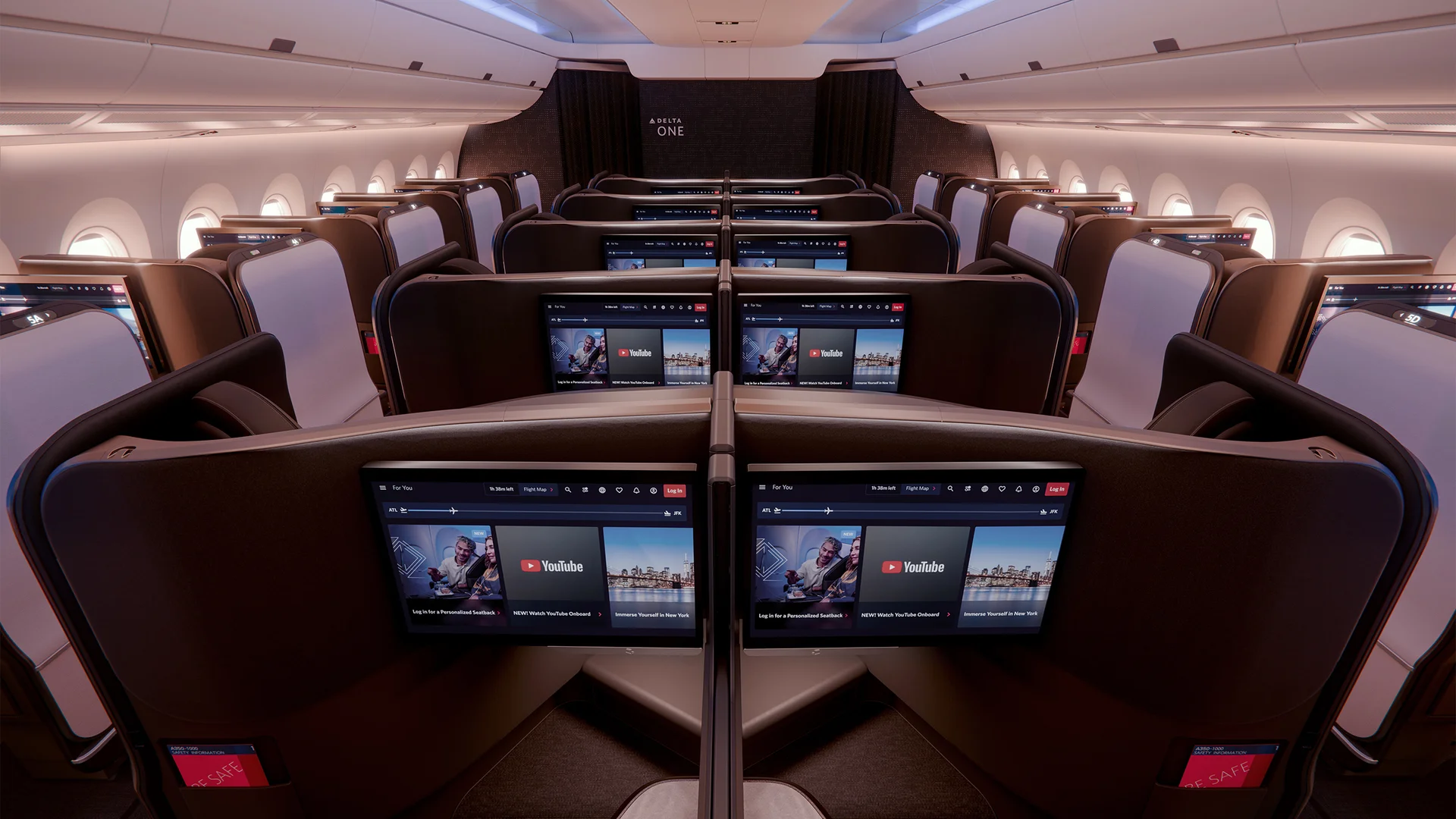
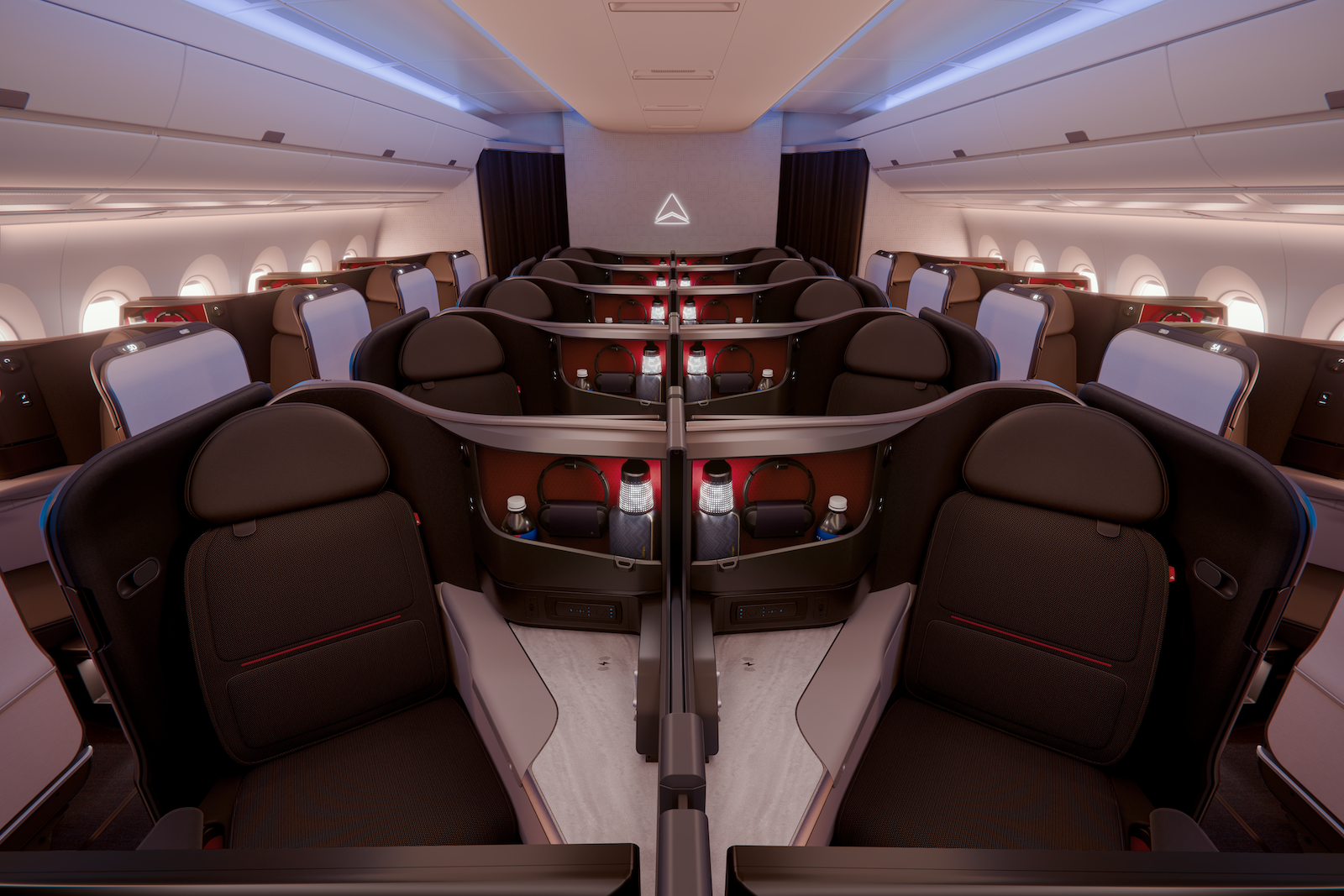
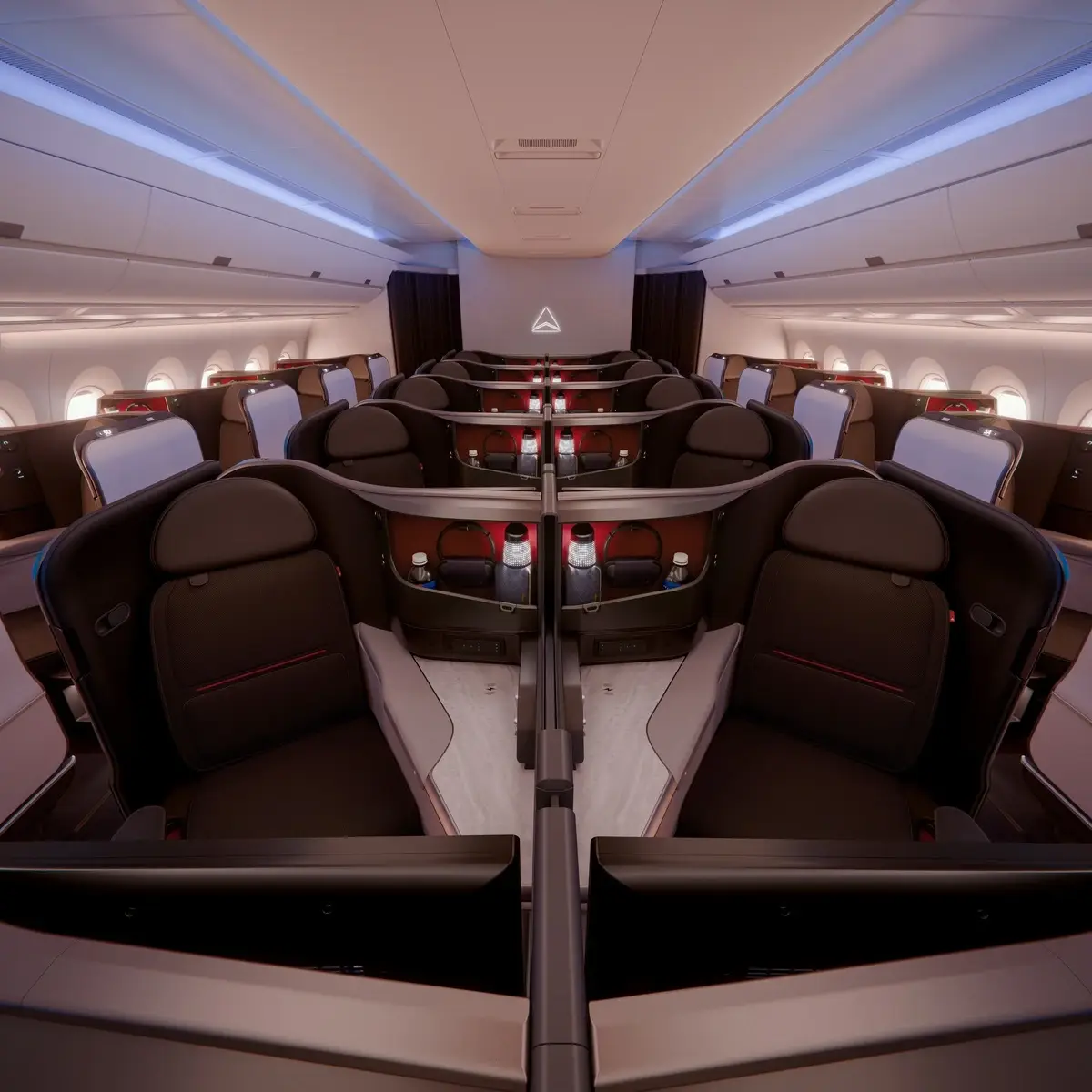
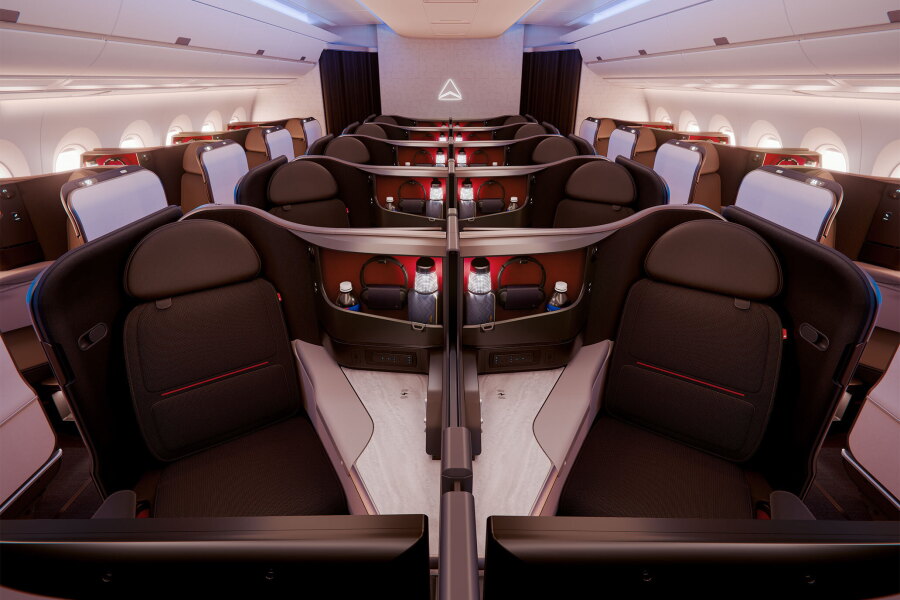
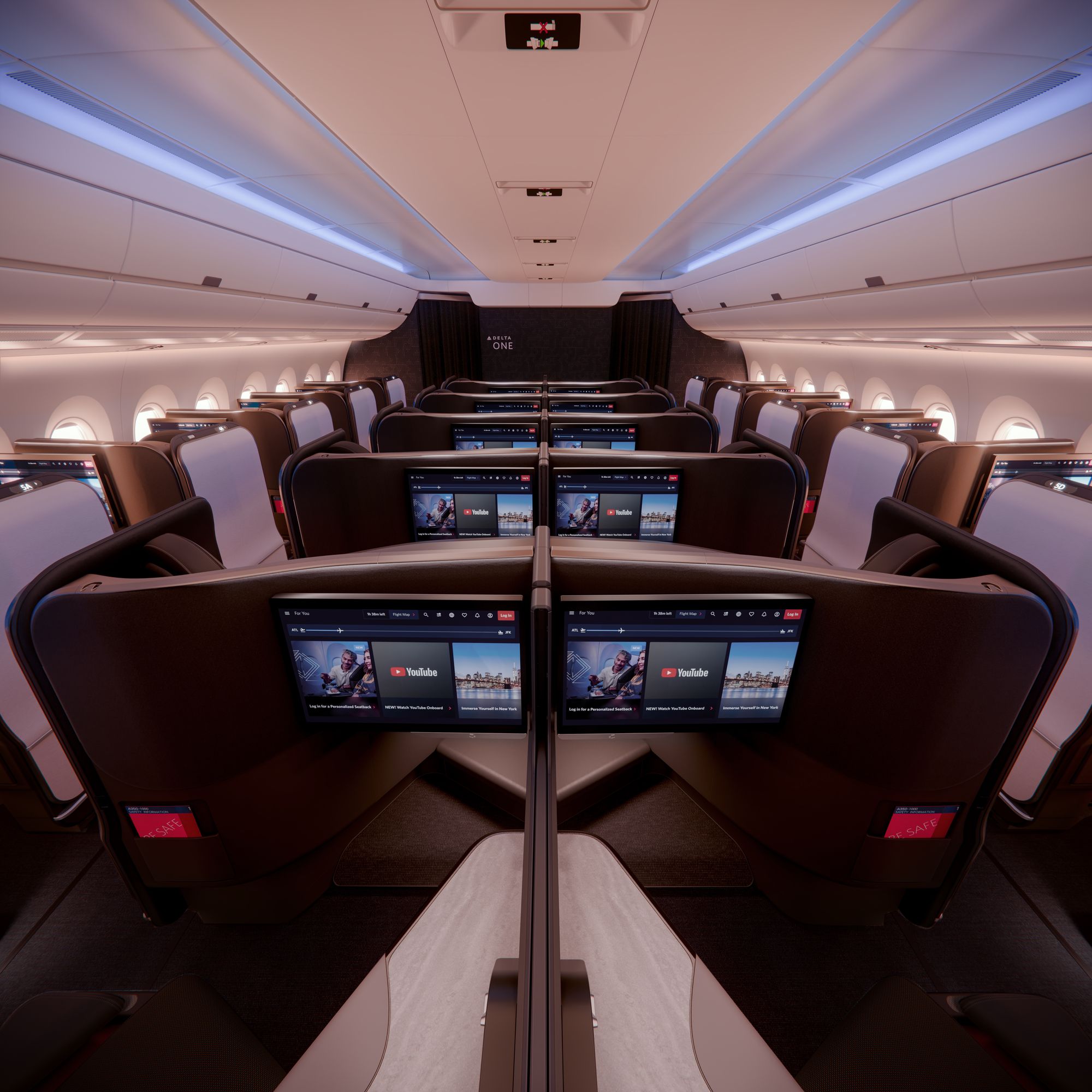
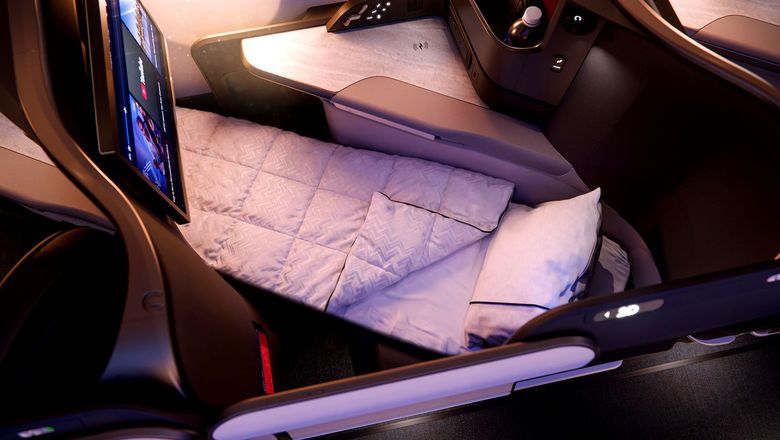
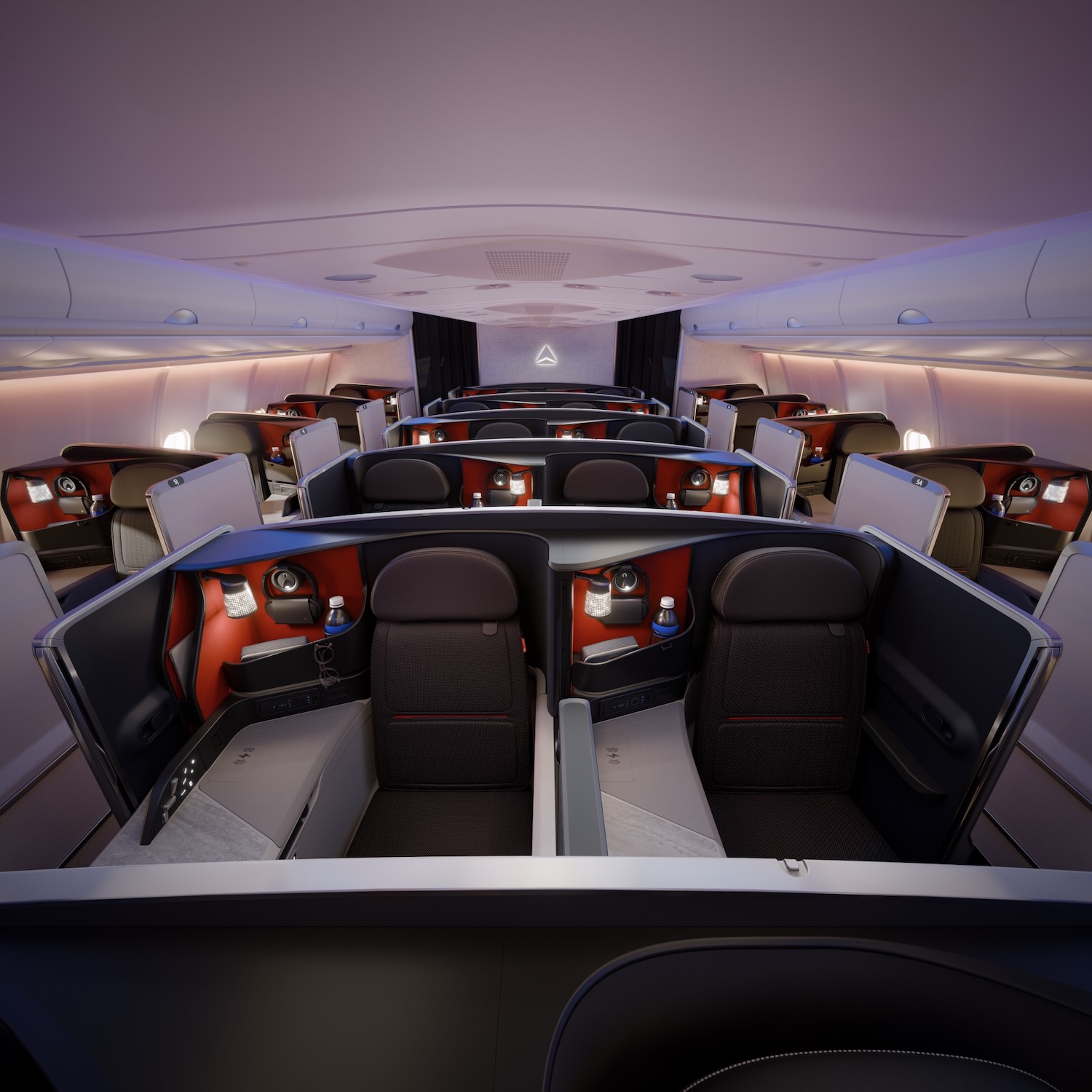
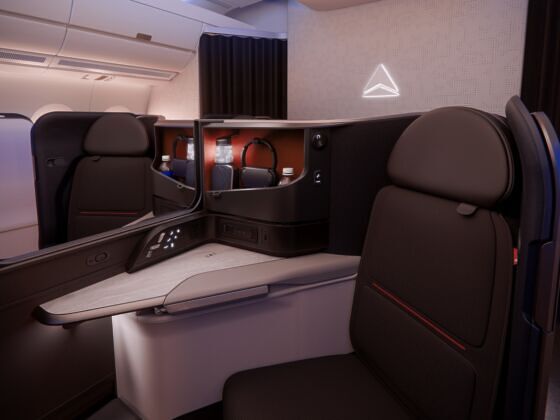
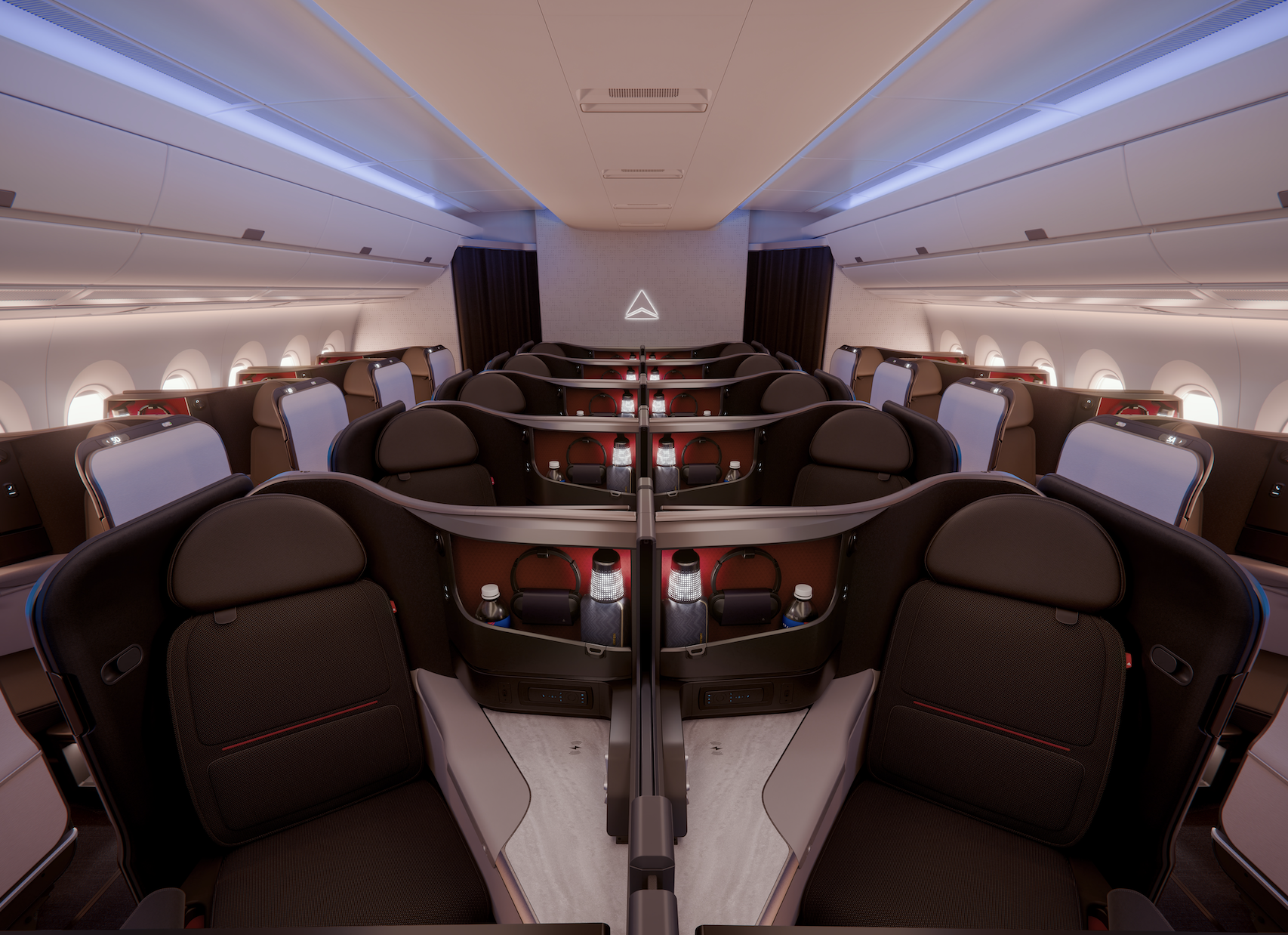
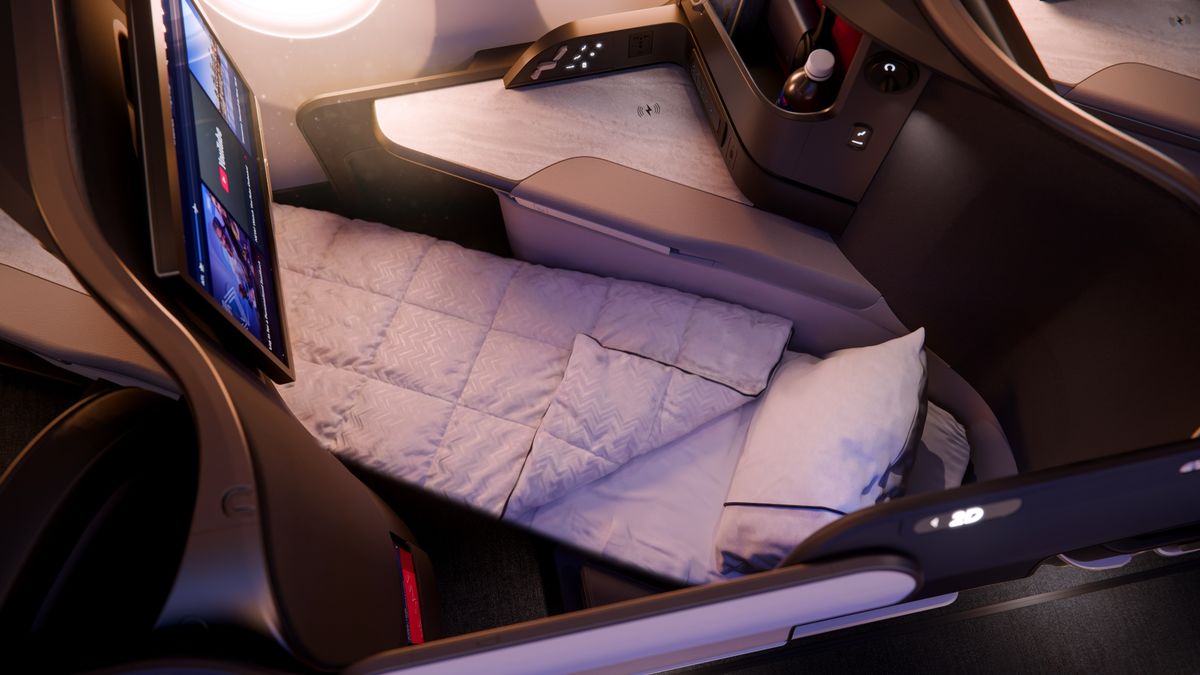
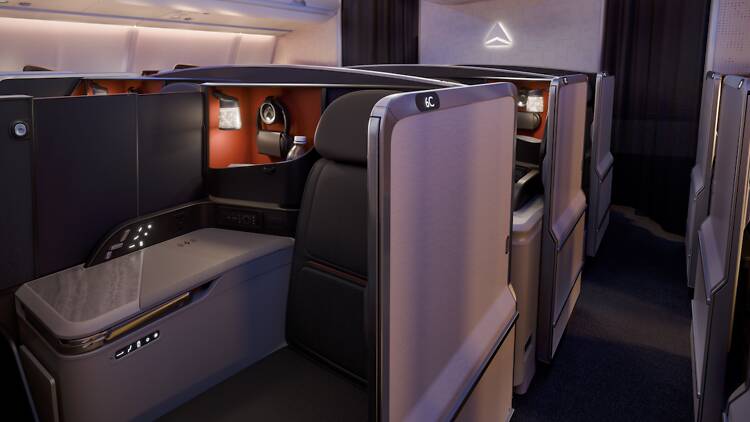
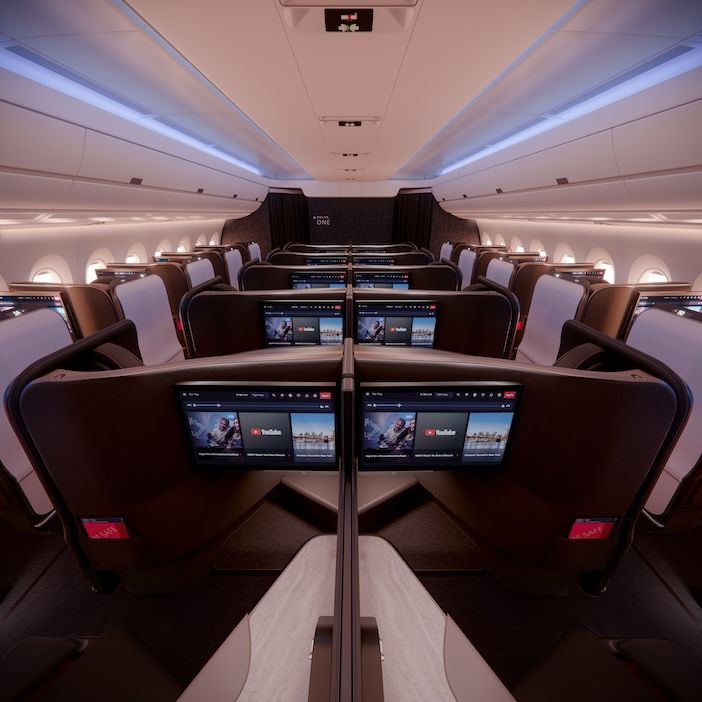
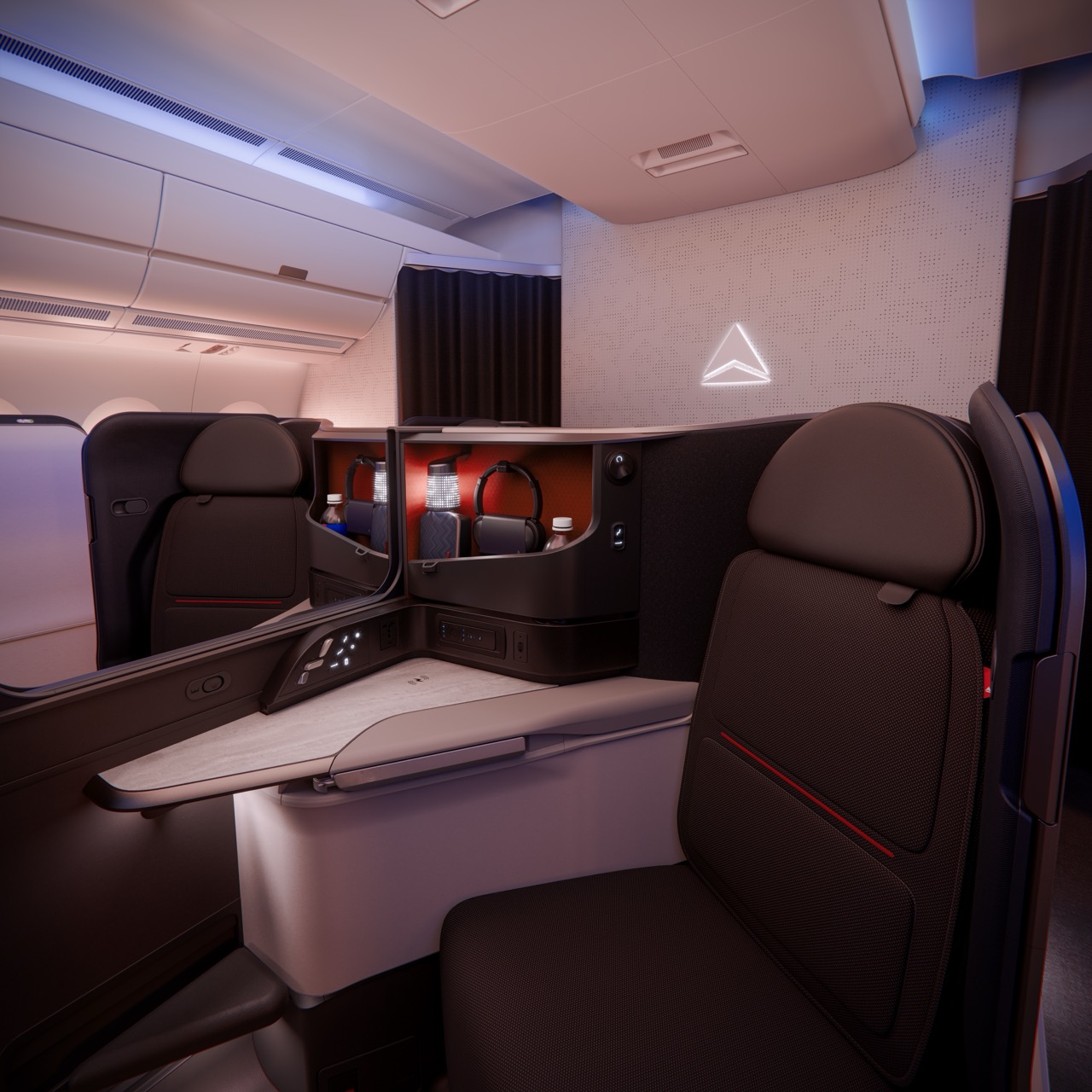
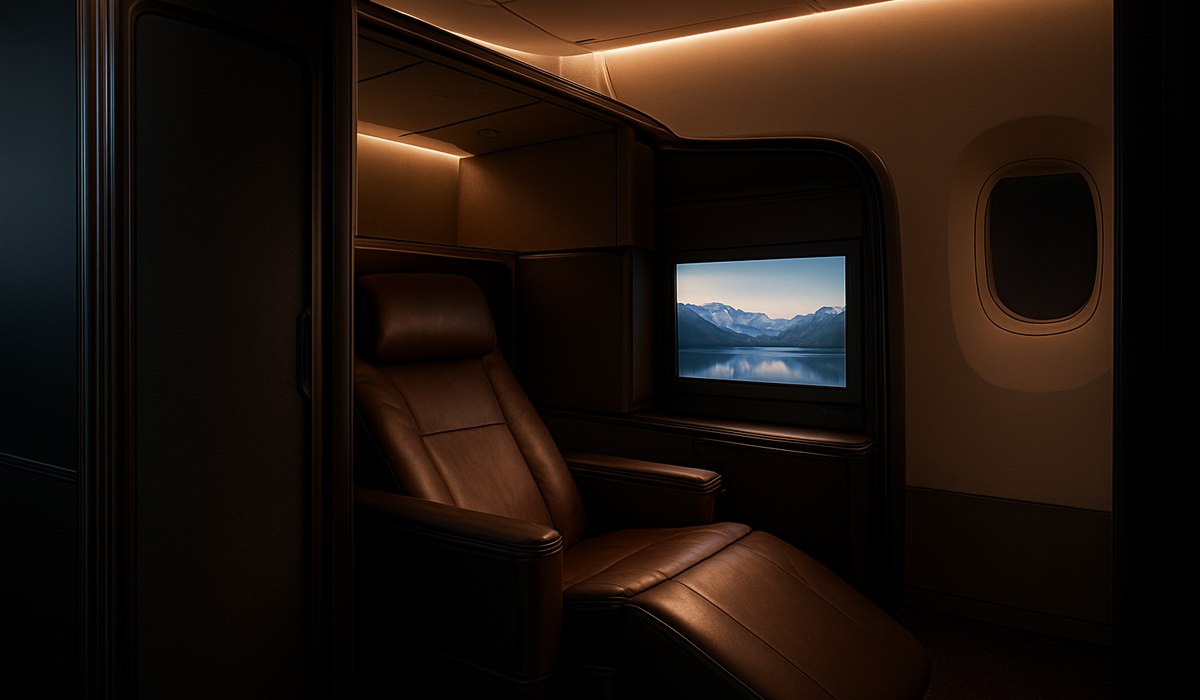
For e-commerce sellers, this represents a fundamental market segmentation opportunity. Delta's investment in 83-inch lie-flat beds, 4K screens, privacy doors, and luxury amenities across 90 Delta One suites by 2030 reflects confidence in sustained high-end travel demand despite macroeconomic headwinds and elevated jet fuel costs. This K-shaped economic recovery—where affluent consumers maintain spending while others retrench—directly mirrors consumer behavior in cross-border e-commerce. Sellers targeting premium product categories (luxury goods, high-end accessories, designer merchandise, experience-economy products) should capitalize on this demonstrated spending resilience. The airline industry's data validates that premium segments remain recession-resistant, even as economy passengers face rising baggage fees and cost pressures.
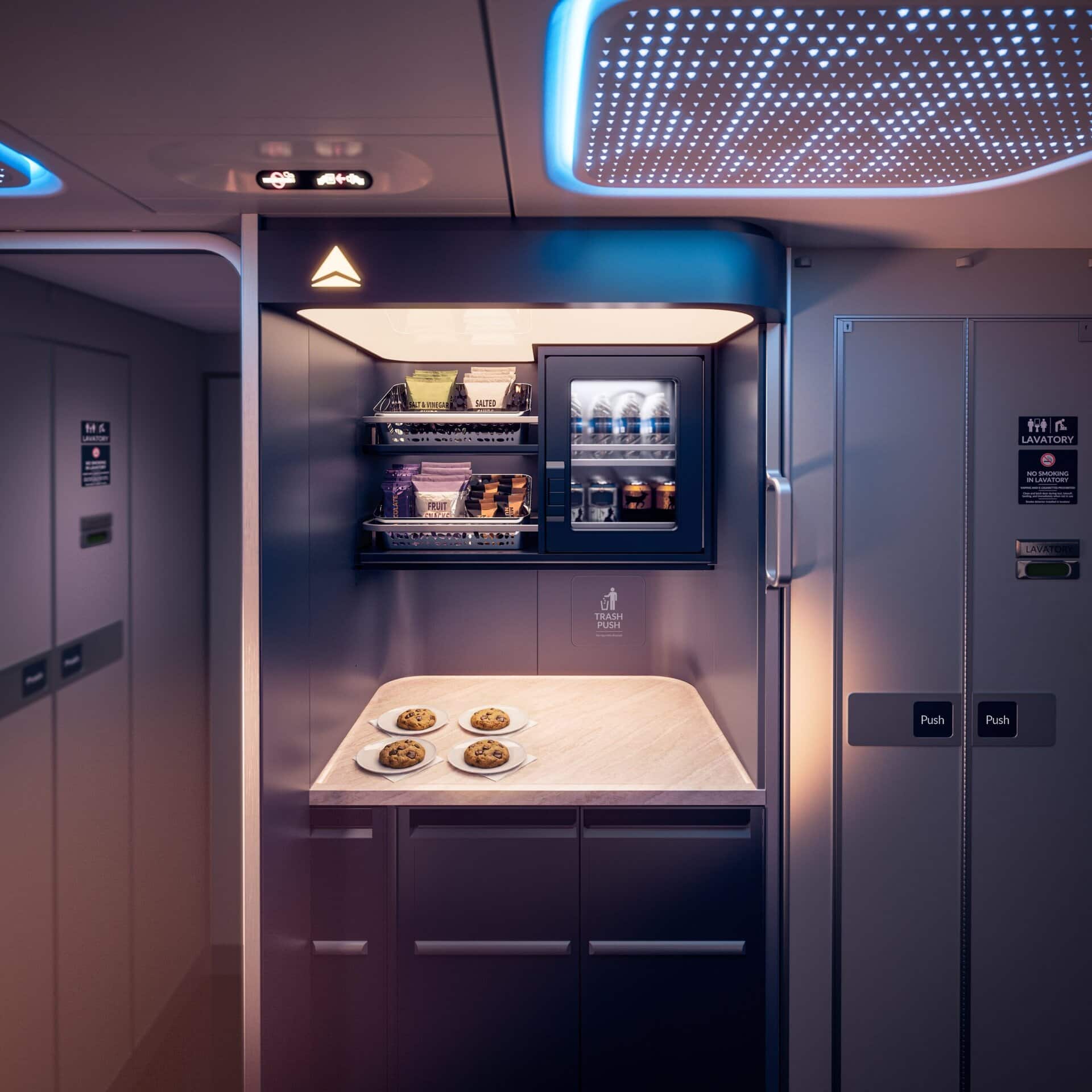
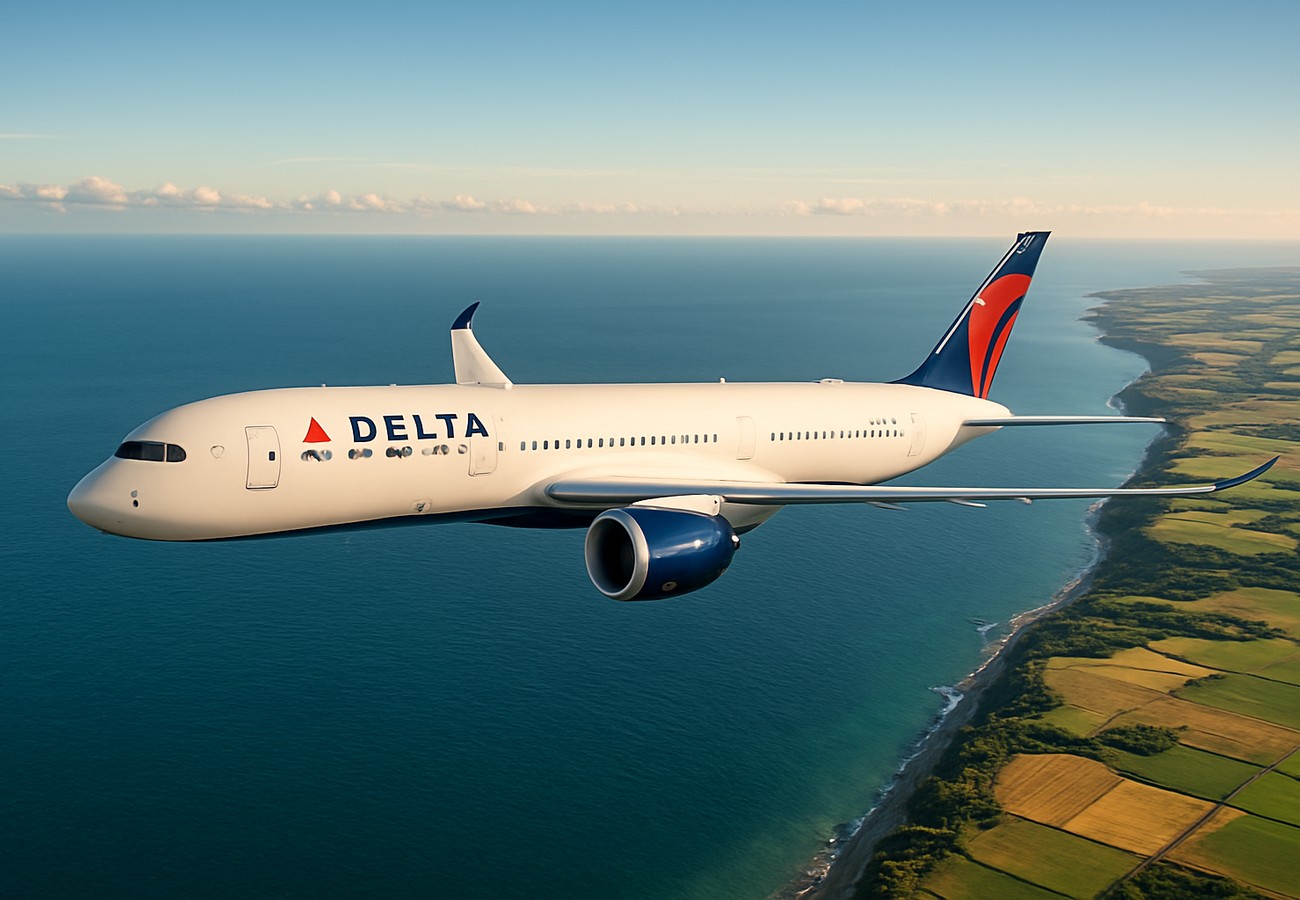
The strategic implications extend beyond travel goods. Airlines' fleet modernization (retrofitting 42 aging A330 aircraft with premium suites, deploying new A350-1000s to Asia, Africa, and Middle East routes) signals expansion into high-growth markets where affluent consumers concentrate. Sellers should monitor these route expansions—particularly to India, Saudi Arabia, and Southeast Asia—as indicators of emerging premium consumer markets. The accessibility features Delta implemented (analog seat controls, dedicated lavatories) also signal growing demand for inclusive luxury products, creating opportunities in adaptive/accessible premium merchandise categories. Additionally, the grab-and-go snack bars and enhanced connectivity features indicate premium travelers expect seamless, technology-integrated experiences—a consumer behavior pattern applicable to luxury e-commerce platforms and subscription services targeting affluent demographics.
Questions 7
What does Delta's premium cabin investment reveal about affluent consumer spending patterns?
Delta's 14% year-over-year premium revenue growth and $2B+ fleet modernization investment targeting 50% premium capacity on new aircraft indicates affluent consumers remain economically resilient despite macroeconomic headwinds. The airline explicitly targets 'the top end of the K' economy—the 31% of consumers reporting complete price immunity to rising costs. This validates that high-net-worth individuals continue investing in premium experiences, including $8,500 transatlantic business-class fares, even as economy passengers face rising baggage fees. For e-commerce sellers, this signals sustained demand in luxury product categories and premium consumer segments remain recession-resistant opportunities.
How should cross-border sellers adjust product strategy based on airline industry trends?
Sellers should pivot inventory and marketing toward premium product categories targeting affluent demographics, mirroring airlines' strategic shift. The data shows 31% of consumers have price immunity while one-third travel less due to costs—creating a clear bifurcation. Sellers should: (1) Expand luxury goods, high-end accessories, and designer merchandise categories; (2) Target affluent consumer segments through premium marketplace positioning; (3) Monitor airline route expansions to Asia, Africa, and Middle East as indicators of emerging premium markets; (4) Develop accessible luxury products, reflecting growing demand for inclusive premium merchandise. United's 40% premium seat growth since 2021 demonstrates sustained momentum in this segment.