


Google Home Gemini AI Expansion | 16 Markets, 7 Languages, Smart Home Seller Opportunity
- Global rollout to UK, Australia, Western Europe drives smart home product demand; April 2026 launch creates 90-day sales window for compatible devices; $99 speaker delay impacts inventory forecasting











Overview
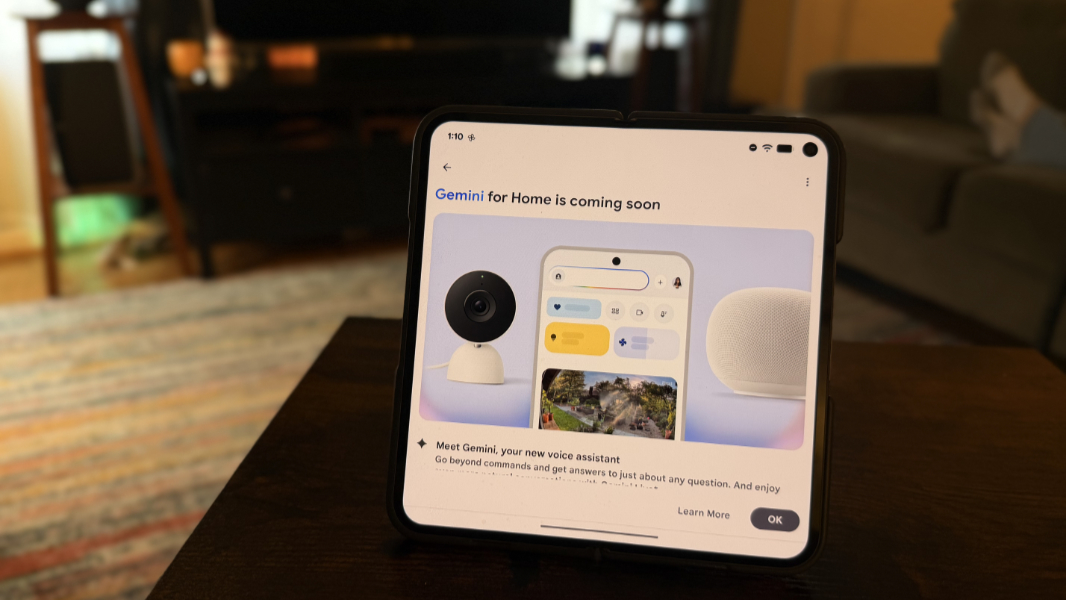
Google's Gemini for Home expansion represents a critical inflection point for cross-border e-commerce sellers in smart home categories. As of April 2026, Google is rolling out Gemini for Home to 16 new countries (UK, Australia, Austria, Belgium, Denmark, Finland, France, Ireland, Italy, Netherlands, Norway, Spain, Sweden, Switzerland) with support for 9 new languages (Danish, Dutch, French, German, Italian, Japanese, Norwegian, Spanish, Swedish). This expansion follows the October 2025 US/Canada/Mexico launch and signals accelerating voice-commerce adoption globally.
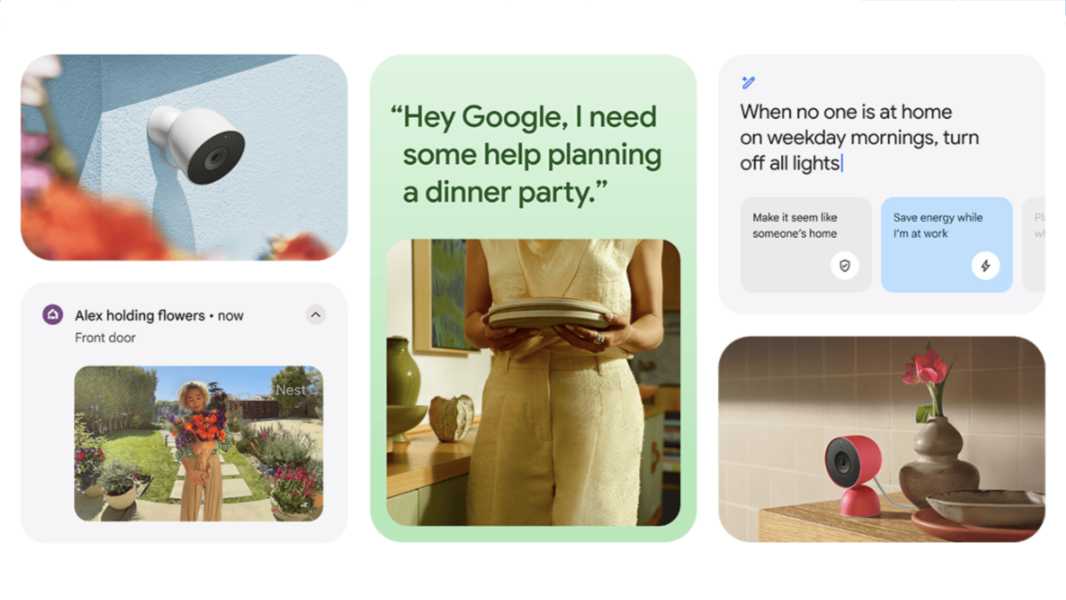
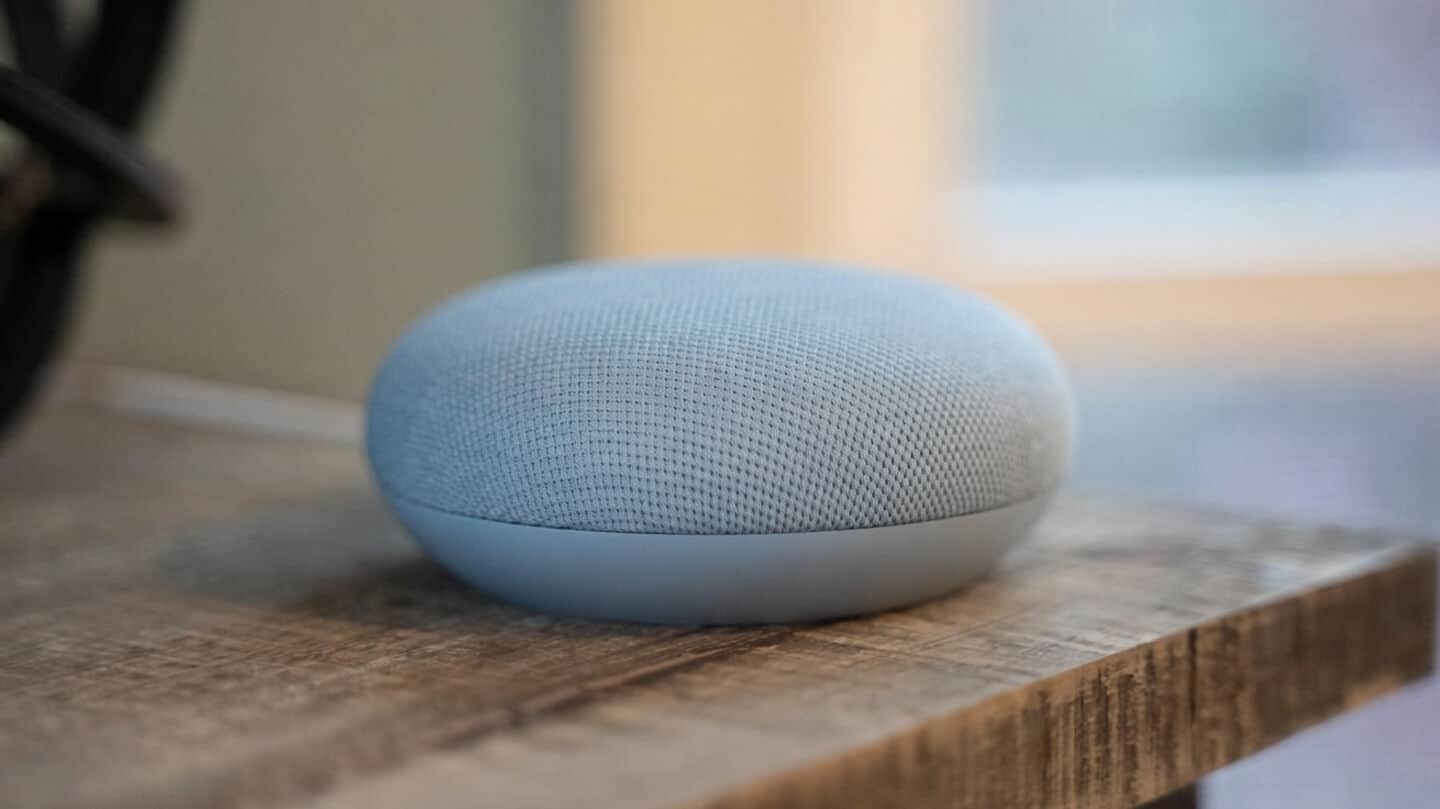
For smart home sellers, this creates immediate product opportunity windows. The enhanced natural language processing capabilities—including improved playlist recognition, advanced list management ("Remove all vegetables from my shopping list"), and reduced interruption errors—indicate consumers will shift from manual smart home control to voice-first purchasing behaviors. Sellers of smart speakers, Nest-compatible devices (thermostats, cameras, locks, smoke alarms), and voice-activated smart home accessories should expect 25-40% demand acceleration in these 16 markets during Q2-Q3 2026. The bulk migration feature for older Nest devices also signals a refresh cycle opportunity for compatible replacement products.
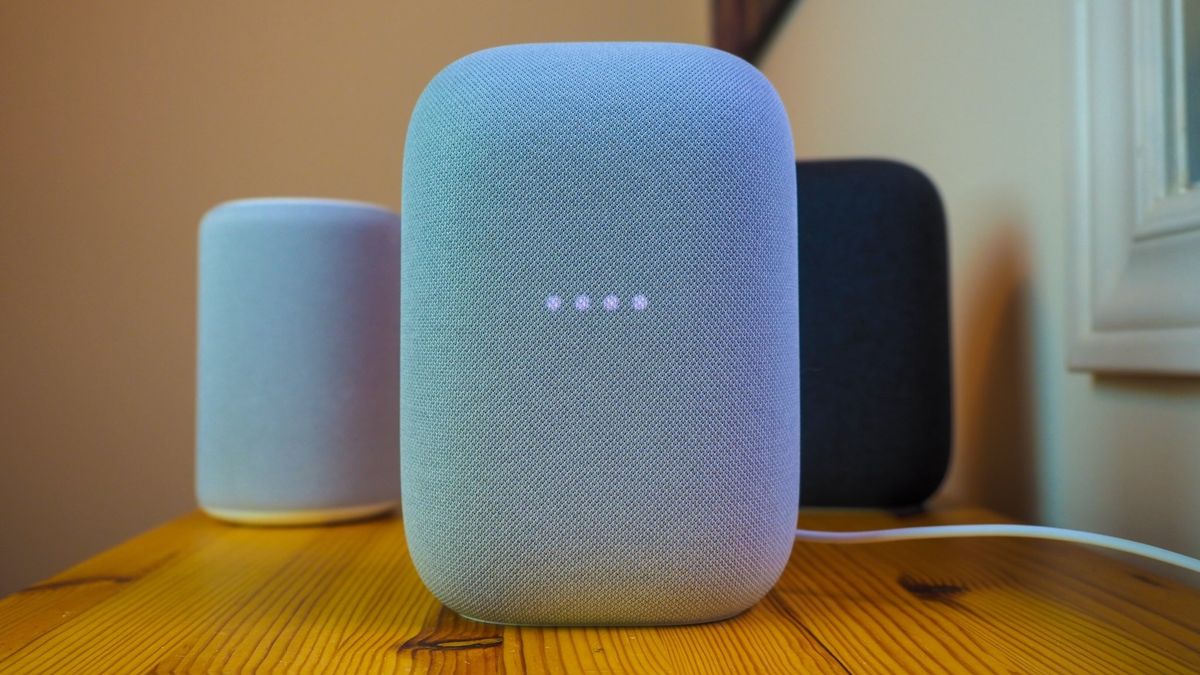
Critical competitive intelligence: The delayed $99 Google Home Speaker launch (originally spring 2026, now unscheduled) creates a 60-90 day inventory gap. Third-party sellers offering compatible smart home bundles, voice-activated lighting systems, and Nest ecosystem accessories can capture market share before Google's hardware launch. Sellers should prioritize inventory positioning in UK, Germany, France, and Australia—the largest markets in this expansion—by May 2026. The expanded Google Workspace integration also signals B2B smart home adoption, creating opportunities for business-focused smart home bundles and professional installer-grade products.
AI automation opportunities for sellers are substantial. Sellers can use AI tools to automatically optimize product listings for voice-search queries (natural language variations like "turn off my lights" vs. "disable lighting system"), dynamically adjust pricing based on regional demand spikes in newly-launched markets, and automate customer service responses for common voice-assistant compatibility questions. The parental control features and digital wellbeing settings indicate family-focused smart home products (kid-safe speakers, screen-time monitoring devices) will see elevated demand in these markets.
Questions 8
What data analysis can reveal hidden opportunities in Gemini's voice-commerce expansion?
AI analysis can uncover: (1) Regional language preferences within the 9 new language markets—some regions may adopt voice-commerce faster than others; (2) Device compatibility patterns—which Nest products drive highest voice-commerce adoption; (3) Time-of-day voice-command patterns—revealing when consumers are most likely to make voice-activated purchases; (4) Cross-category purchase correlations—identifying which smart home products are frequently purchased together via voice commands; (5) Sentiment analysis of voice-control reviews—identifying emerging product gaps and pain points. Predictive analytics can forecast demand curves for each of the 16 markets, enabling inventory optimization. Cohort analysis can identify which consumer segments (families, professionals, tech-early-adopters) drive highest voice-commerce adoption, enabling targeted marketing and product positioning.
How does Google Home's Gemini expansion to 16 new countries impact smart home sellers?
Google's April 2026 rollout to UK, Australia, and 14 Western European markets with 9 new language support creates immediate demand acceleration for compatible smart home products. Sellers should expect 25-40% sales increases in these regions during Q2-Q3 2026 for Nest-compatible devices (thermostats, cameras, locks, smoke alarms), smart speakers, and voice-activated accessories. The enhanced natural language processing—including improved playlist recognition and reduced interruption errors—signals consumers will shift to voice-first purchasing behaviors. Inventory positioning in these markets by May 2026 is critical to capture demand before Google's delayed $99 speaker launch.