

Trump Mobile Fulfillment Collapse | Critical Lessons for Pre-Order E-Commerce Sellers
- 12+ month delivery delays expose supply chain transparency risks; trademark filings signal continued market entry despite operational failures


Overview
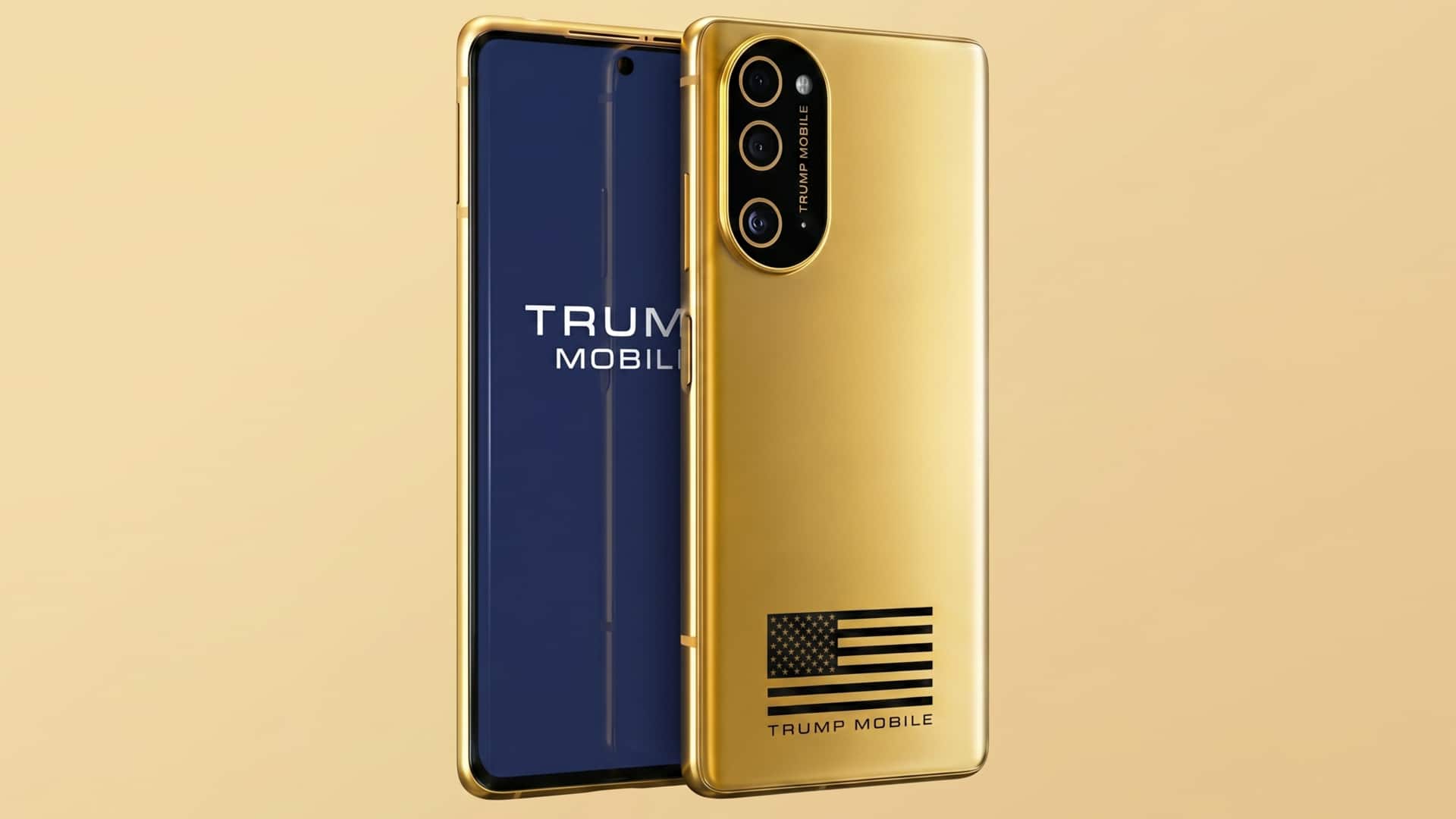
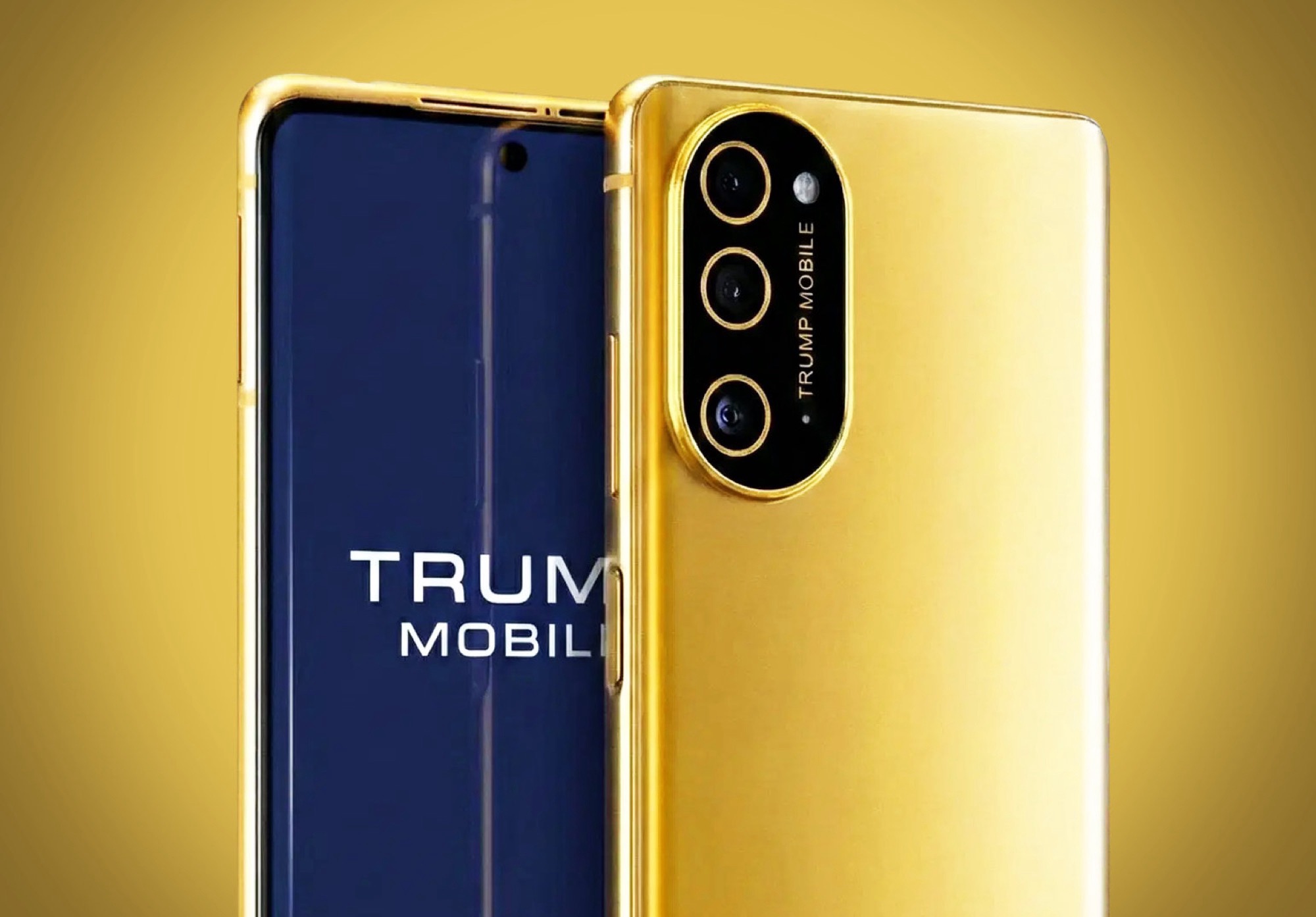
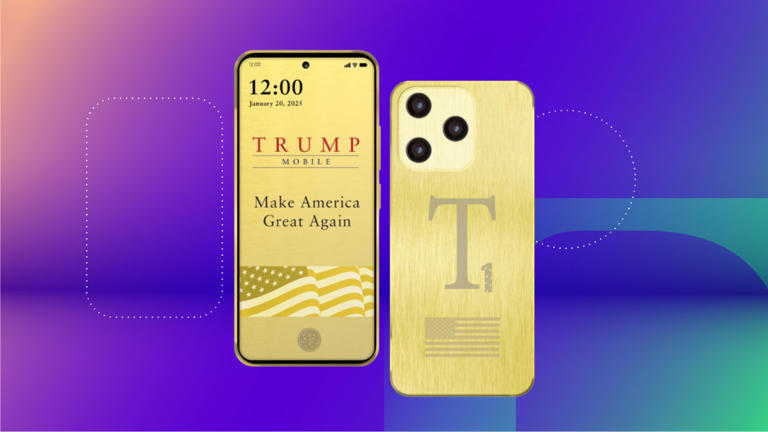
The Trump Mobile case represents a catastrophic e-commerce fulfillment failure with direct implications for cross-border sellers managing pre-order models and overseas manufacturing. As of April 2026, customers who placed orders in mid-2025 for the T1 phone remain unfulfilled despite paying $100 deposits plus $499 purchase prices—representing 12+ months of delays against a promised summer 2025 launch. Popular streamer MoistCr1TiKaL's investigation documented zero physical evidence of the device in circulation, despite months of customer payments totaling millions in aggregate deposits. This scenario illustrates the exact operational failures that destroy seller credibility: inadequate inventory management, repeated deadline extensions (initially blamed on US government shutdown, then promised March 2026, then April 2026), unresponsive customer service, and complete lack of supply chain transparency.
The supply chain transparency crisis directly impacts cross-border sellers. Trump Mobile manufactures the T1 overseas while marketing it as embodying American values—a classic dropshipping model with significant markups paralleling Trump Organization's historical business approach (exemplified by the Trump Bible). The extended delays without meaningful product delivery or customer communication represent a worst-case scenario for brand reputation and customer retention. For sellers using similar pre-order models with overseas manufacturing, this case demonstrates how lack of transparent supplier communication, inadequate lead time buffers, and poor customer expectation management can result in complete market failure. Major news outlets including NPR, Associated Press, and Financial Times independently reported these delays, amplifying reputational damage.
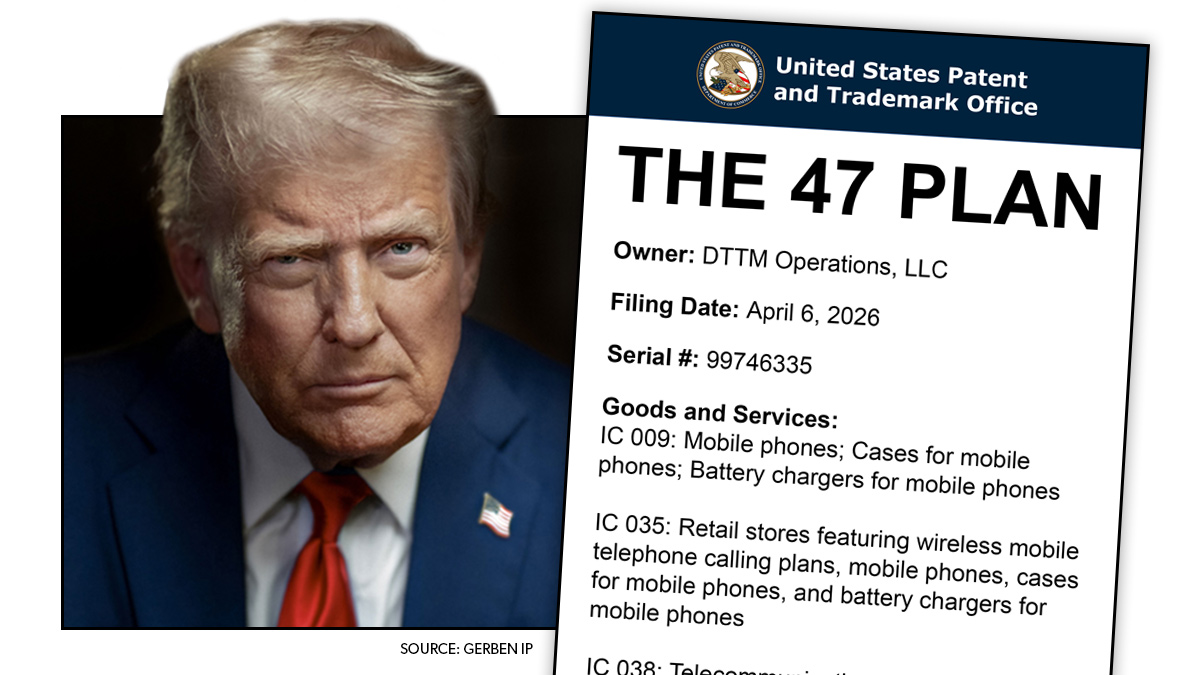
Simultaneously, Trump Organization filed a third trademark application for 'The 47 Plan' on April 6, 2026, claiming mobile phone service commercialization. This follows June 2025 applications for 'Trump' and 'T1' trademarks with identical claims. According to trademark attorney Josh Gerben, FCC regulatory filings for device 'T1' show development activity, though heavily redacted documents lack product images. The multiple trademark filings suggest serious commercial intent, yet the ongoing T1 fulfillment disaster raises critical questions about operational capacity. For cross-border sellers, this pattern signals that aggressive trademark protection and regulatory positioning do not guarantee successful market execution—a crucial distinction between brand strategy and operational delivery capability.
Immediate seller implications: Pre-order models without transparent supplier visibility create existential brand risk. Sellers must establish realistic timelines with 30-40% buffer capacity, implement weekly customer communication protocols, and maintain visible inventory tracking. The Trump Mobile case demonstrates that even high-profile brands cannot overcome supply chain opacity—customers will publicly document failures through social media, creating permanent reputational damage. For sellers sourcing from overseas manufacturers, this underscores the necessity of direct supplier relationship management, third-party logistics verification, and contingency fulfillment planning.
Questions 8
How does social media amplify fulfillment failures for branded sellers?
MoistCr1TiKaL's three public criticisms of Trump Mobile's delays reached millions of viewers, with major outlets (NPR, Associated Press, Financial Times) independently reporting the fulfillment crisis. A single influencer's investigation documented zero physical evidence of T1 devices in circulation, creating permanent reputational damage. For cross-border sellers, this demonstrates that fulfillment failures generate exponential reputational damage through social media amplification. Sellers must implement proactive customer communication, transparent order tracking, and rapid response protocols to prevent similar public criticism. The Trump Mobile case shows that even high-profile brands cannot overcome supply chain opacity—customers will publicly document failures, creating permanent brand damage that extends far beyond initial customer base.
What are the cost implications of pre-order fulfillment delays for sellers?
Trump Mobile collected millions in aggregate customer deposits ($100 per customer × estimated 50,000+ pre-orders = $5M+ in deposits alone) while failing to deliver products, creating customer refund obligations, payment processor chargebacks, and potential regulatory penalties. For cross-border sellers, fulfillment delays trigger: (1) increased customer service costs (handling complaints, refund processing), (2) payment processor chargeback fees (typically 2-3% of transaction value), (3) inventory holding costs if products eventually arrive, (4) potential regulatory penalties for unfulfilled pre-orders, and (5) lost repeat customer lifetime value. Sellers should budget 15-20% additional operational costs for pre-order models and establish refund timelines (30-60 days maximum) to minimize financial exposure and regulatory risk.