




Trade War Dynamics Reshape Latin American Manufacturing Landscape
- Mexico's Protectionist Pivot Signals Seismic Shifts in Global Supply Chains










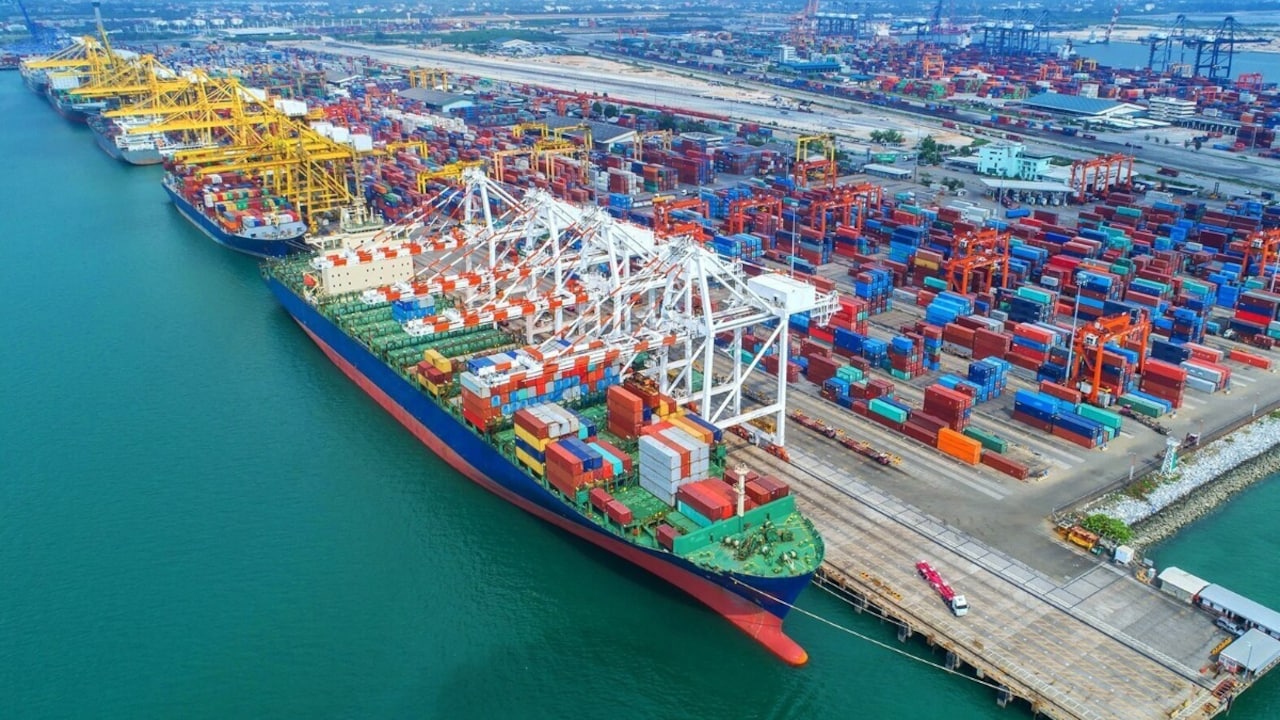




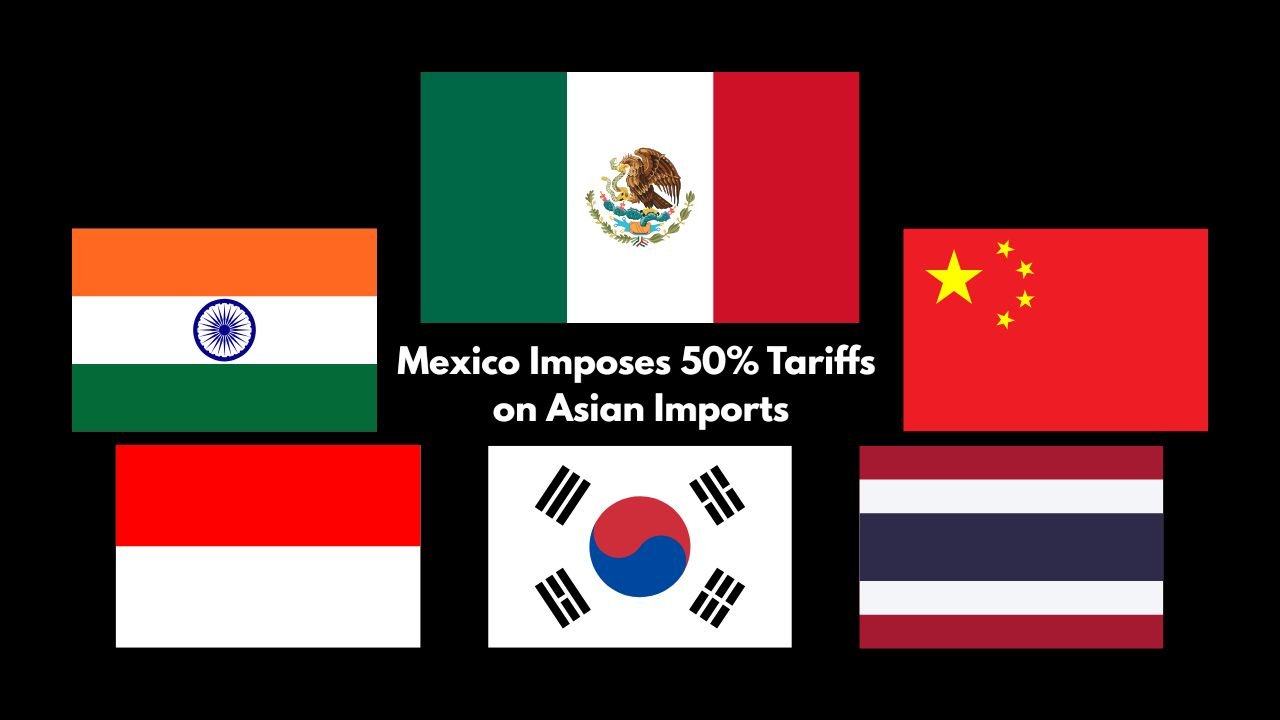

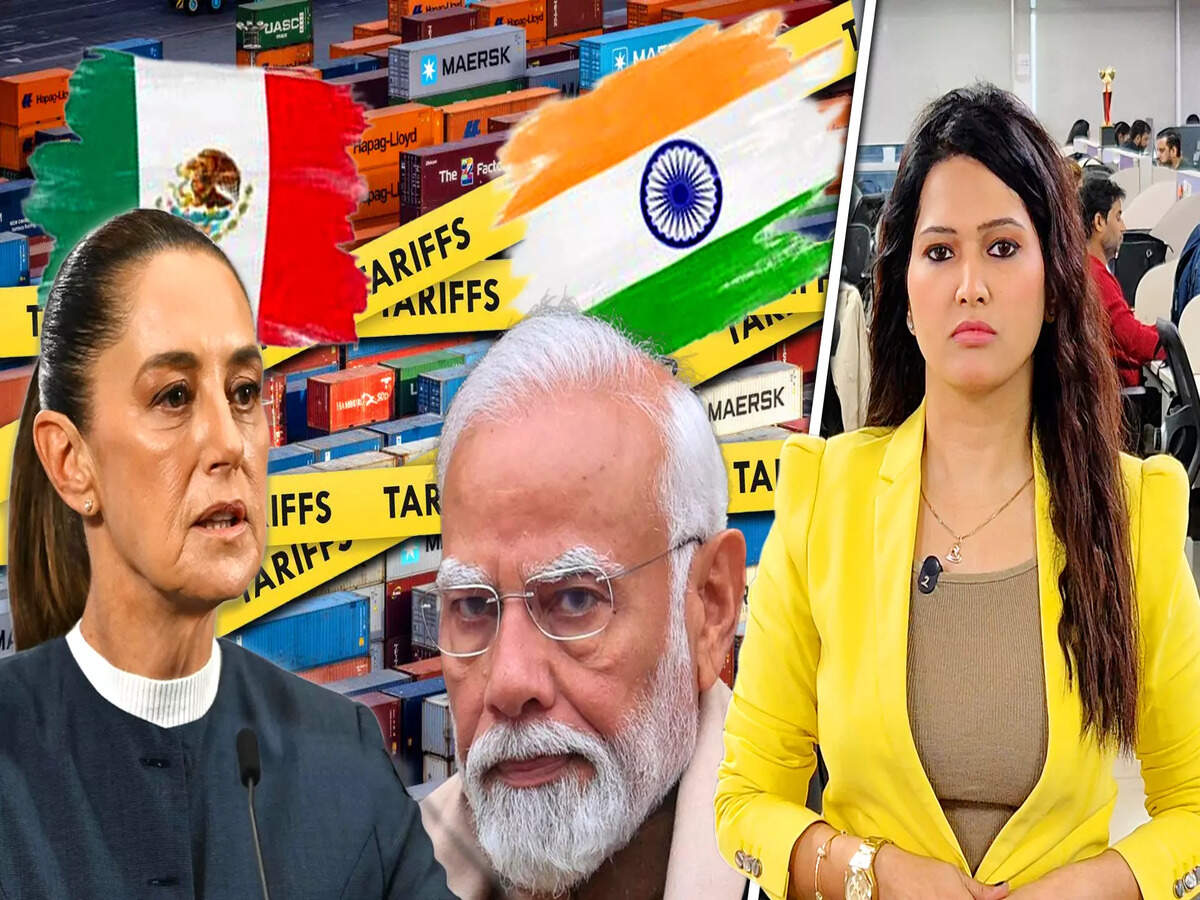
)
Overview
Mexico's bold tariff strategy represents a pivotal moment in international trade dynamics, signaling a sophisticated geopolitical recalibration that extends far beyond simple protectionism. By imposing up to 50% import duties on countries without trade agreements, Mexico is strategically repositioning itself in the global manufacturing ecosystem, with profound implications for Asian exporters and the broader international trade landscape.
The tariff policy targets multiple sectors, but the automotive industry emerges as the most dramatically impacted battleground. Indian car exporters, who currently represent 6.7% of Mexico's annual vehicle sales, face potential $1 billion export disruption. This isn't merely a tariff increase—it's a calculated move to reshape regional manufacturing competitiveness. The Mexican government's approach suggests a multi-dimensional strategy: generating an estimated $3.8 billion in additional revenue, protecting domestic jobs, and potentially currying favor with the United States ahead of critical trade reviews.
Critically, these tariffs represent more than an economic tool—they're a geopolitical signal. By specifically targeting Asian manufacturing powerhouses like India and China, Mexico is strategically positioning itself to capture emerging supply chain opportunities. The timing is particularly significant, occurring when global manufacturers are seeking alternatives to traditional production centers. For cross-border sellers and international manufacturers, this signals an urgent need to reassess market entry strategies, sourcing models, and regional manufacturing footprints.
The broader context reveals a complex chess game of international trade. While ostensibly protecting domestic industries, Mexico is simultaneously creating strategic leverage. Chinese exports, which totaled $130 billion in 2024, now face substantial market access challenges. This move could accelerate the ongoing global reconfiguration of manufacturing supply chains, potentially benefiting countries that can offer more favorable trade environments.
For businesses and policymakers, the message is clear: the global trade landscape is undergoing a fundamental transformation. Agility, strategic positioning, and the ability to rapidly adapt to geopolitical shifts have become critical competitive advantages.
Questions 3
What strategic motivations might Mexico have beyond protecting domestic industries?
Mexico's tariff strategy appears multifaceted: generating additional revenue, positioning itself favorably with the United States, and creating opportunities to attract manufacturing investments by reshaping regional trade dynamics. The policy signals a sophisticated approach to economic repositioning.
How will these tariffs impact Indian automotive exporters?
Indian car manufacturers face significant challenges, with potential disruption to approximately $1 billion in exports. Major companies like Volkswagen and Hyundai will see import duties rise from 20% to 50%, forcing them to reevaluate market strategies and potentially seek alternative export destinations.