




Crypto Regulation Showdown: Democrats Wrestle with Digital Asset Oversight
- Emerging legislative battle reveals deep tensions in cryptocurrency market governance


































Overview
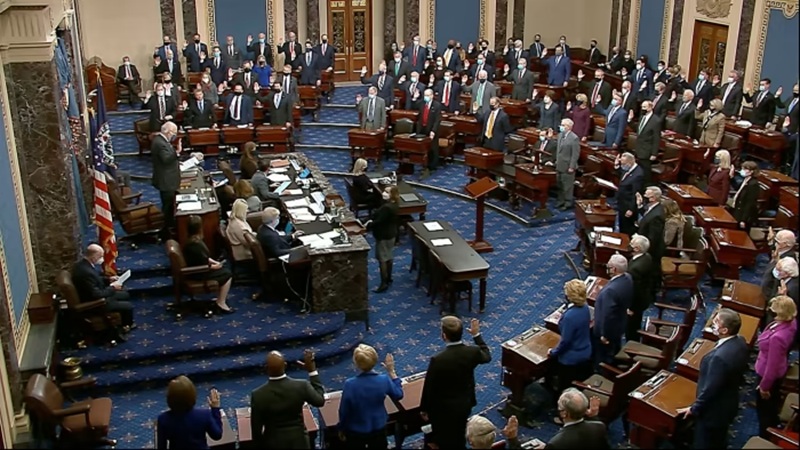
The emerging landscape of cryptocurrency regulation is entering a critical inflection point, with Senate Democrats and Republicans locked in a complex negotiation that could fundamentally reshape digital asset governance. The proposed Responsible Financial Innovation Act represents more than just legislative text—it's a high-stakes battle over the future of financial innovation and systemic risk management.
Regulatory Complexity Unveiled: The proposed bill exposes multiple layers of strategic tension. Democrats are pushing for stringent controls, particularly around stablecoin yield payments, arguing these mechanisms could destabilize community banking systems. The proposed legislation would prohibit elected officials and their families from issuing or profiting from digital assets, signaling a robust attempt to prevent potential conflicts of interest.
Institutional Skepticism Intensifies: The American Federation of Teachers (AFT) has emerged as a powerful voice of institutional resistance, warning that the current crypto market structure bill could create profound risks for retirement plans. Their critique goes beyond political posturing—they argue the legislation could potentially strip existing securities safeguards and open floodgates to widespread financial fraud. This institutional pushback represents a significant signal of growing mainstream skepticism about cryptocurrency's stability.
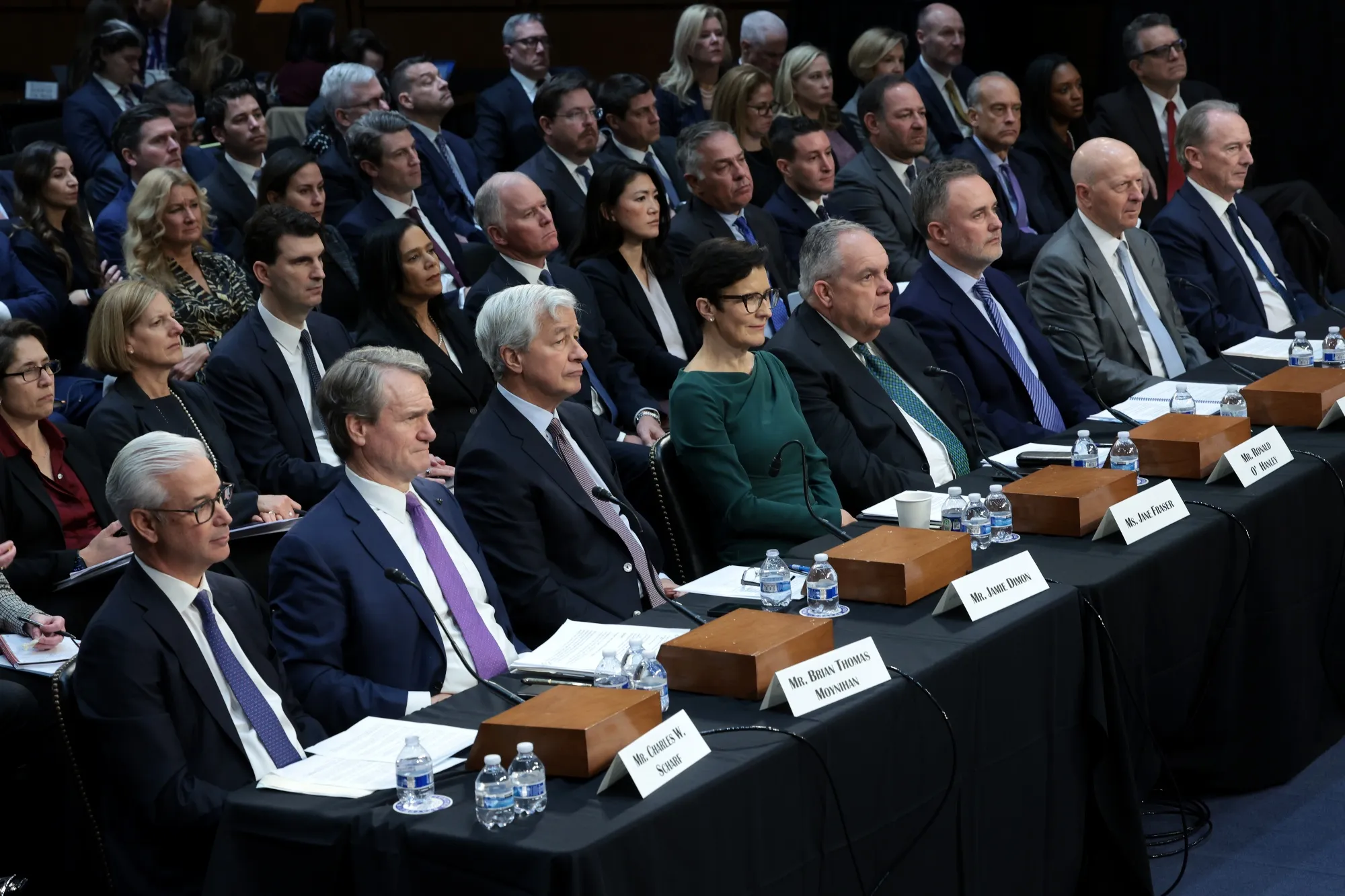
The regulatory landscape is further complicated by the involvement of multiple agencies like the Commodity Futures Trading Commission and Securities and Exchange Commission. With major bank CEOs scheduled to meet lawmakers and Democratic senators like Elizabeth Warren expressing ongoing concerns, the bill faces a complex path to potential implementation.
Strategic Implications: This isn't just a legislative debate—it's a pivotal moment determining how digital assets will be integrated into the broader financial ecosystem. The timeline remains uncertain, with potential delays likely due to unresolved policy differences. For market participants, this suggests a period of heightened regulatory uncertainty and the need for adaptive compliance strategies.
Questions 3
Why is the American Federation of Teachers opposing the crypto market bill?
AFT warns the bill could strip existing securities safeguards, create unsafe investment environments for pensions and 401(k) plans, and potentially lay groundwork for widespread financial fraud in retirement investments.
What are the key regulatory challenges in the proposed cryptocurrency bill?
The bill faces challenges around stablecoin yield payments, potential destabilization of community banks, and preventing conflicts of interest for elected officials. The complexity stems from balancing financial innovation with robust consumer protection mechanisms.