




Infant Nutrition Safety Crisis Exposes Catastrophic Manufacturing Vulnerabilities
- Regulatory compliance failures threaten entire infant formula supply chain for manufacturers and cross-border sellers




!role~Preview!mt~photo!fmt~JPEG%20Baseline)







Overview
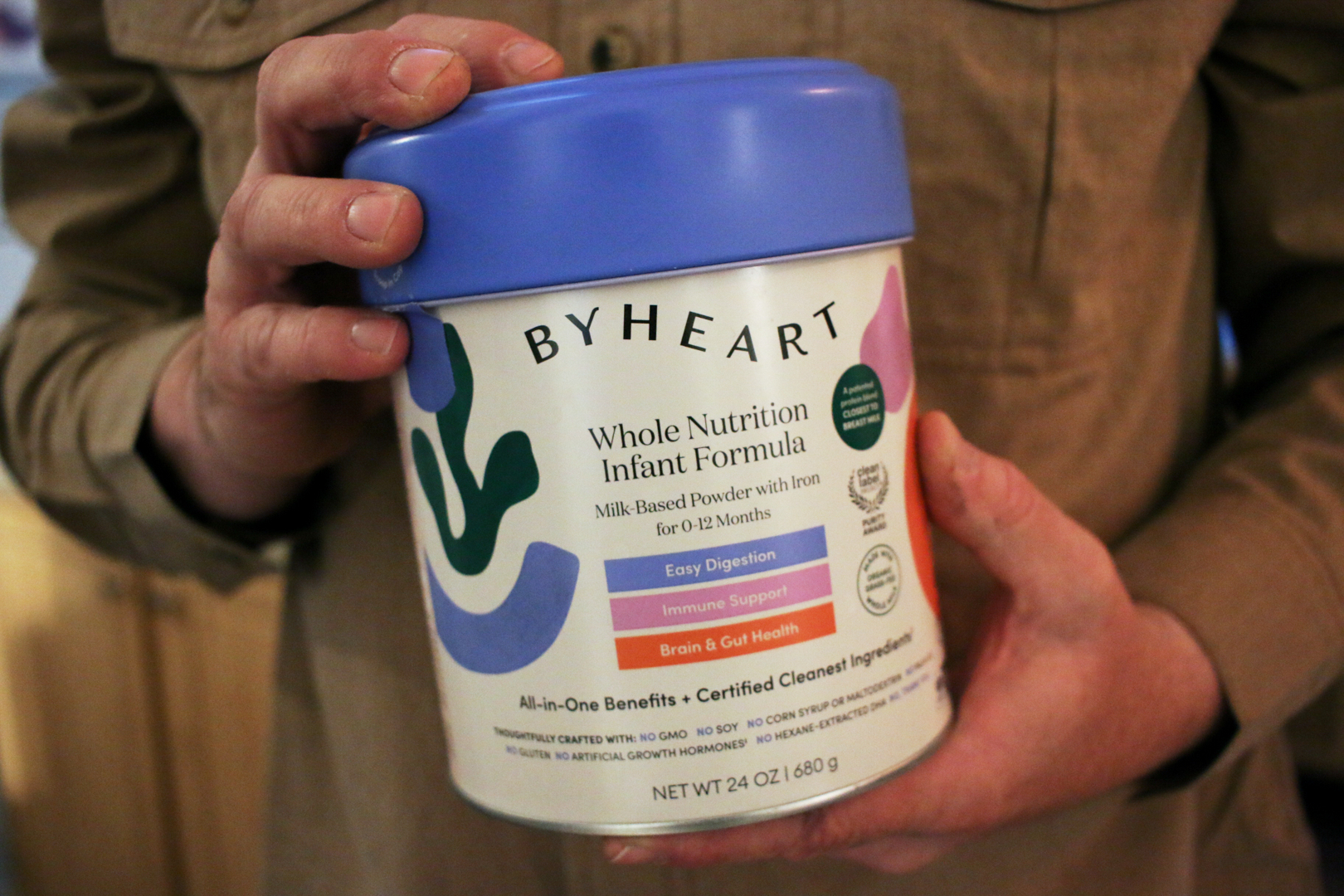
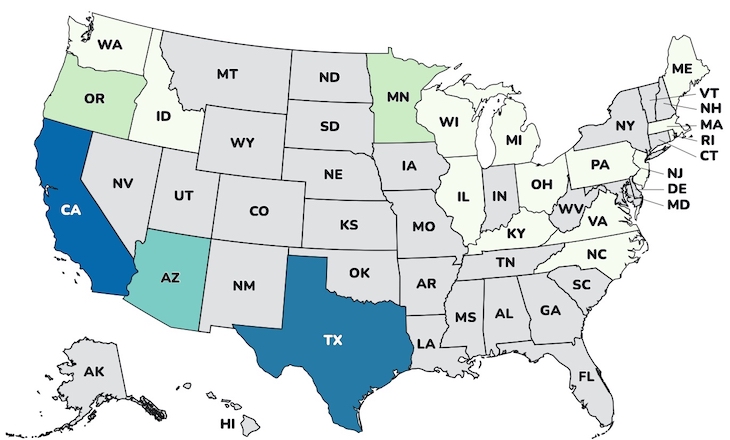
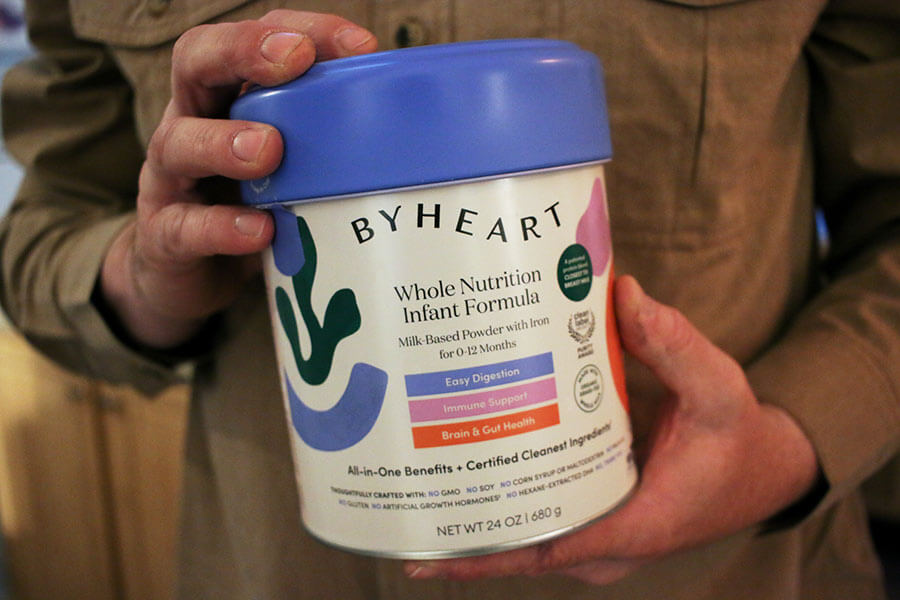
The ByHeart infant formula botulism outbreak represents a watershed moment in product safety, revealing systemic vulnerabilities that extend far beyond a single manufacturer. With 51 infants affected across 19 states and a comprehensive product recall, this incident exposes critical weaknesses in manufacturing quality control processes that could fundamentally reshape infant nutrition regulation.
Compliance barriers are emerging as critical market gatekeepers, transforming product safety from a technical requirement into an existential business challenge. The outbreak's scale—affecting approximately 1% of the U.S. infant formula market—demonstrates how rapidly manufacturing deficiencies can escalate into catastrophic public health risks. Historical inspection documents reveal a pattern of persistent quality control failures, including previous recalls for cronobacter sakazakii and a 2023 FDA warning letter highlighting systemic manufacturing deficiencies.
The regulatory implications are profound. Cross-border e-commerce sellers must recognize that infant nutrition represents an ultra-high-stakes category where microscopic manufacturing errors can trigger massive legal and reputational consequences. The ongoing CDC investigation suggests potential industry-wide scrutiny, with manufacturers facing unprecedented pressure to demonstrate rigorous safety protocols. Multiple federal lawsuits and potential regulatory actions signal a new era of accountability, where compliance is no longer a checkbox but a core competitive differentiator.
For manufacturers and sellers, the strategic imperative is clear: invest heavily in preventative quality management systems that go beyond traditional compliance frameworks. The ByHeart case demonstrates that reactive approaches are catastrophically expensive, with potential market elimination risks far outweighing proactive investment in robust safety infrastructure.
Questions 3
What are the long-term regulatory implications of the ByHeart outbreak?
Expect more aggressive FDA oversight, potentially including mandatory real-time manufacturing audits, expanded testing requirements, and stricter penalties for non-compliance. The incident will likely accelerate regulatory frameworks that treat infant nutrition as a ultra-high-risk product category requiring exceptional safety standards.
How will this incident impact cross-border e-commerce sellers in infant nutrition?
Cross-border sellers will face dramatically increased scrutiny, with regulators likely implementing more stringent pre-market testing and ongoing quality monitoring. Sellers must invest in robust quality management systems and be prepared to provide comprehensive safety documentation to maintain market access.