

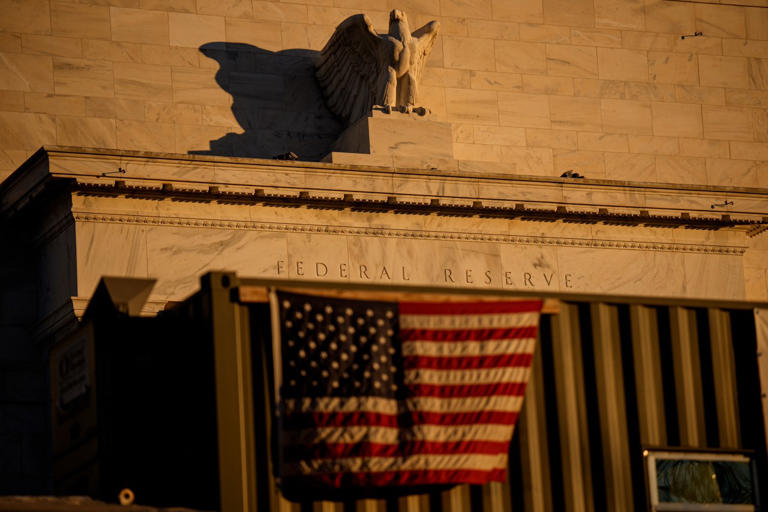


Federal Reserve at a Crossroads: Political Pressure Meets Monetary Policy Complexity
- Unprecedented internal divisions challenge the next Fed chair's leadership and independence



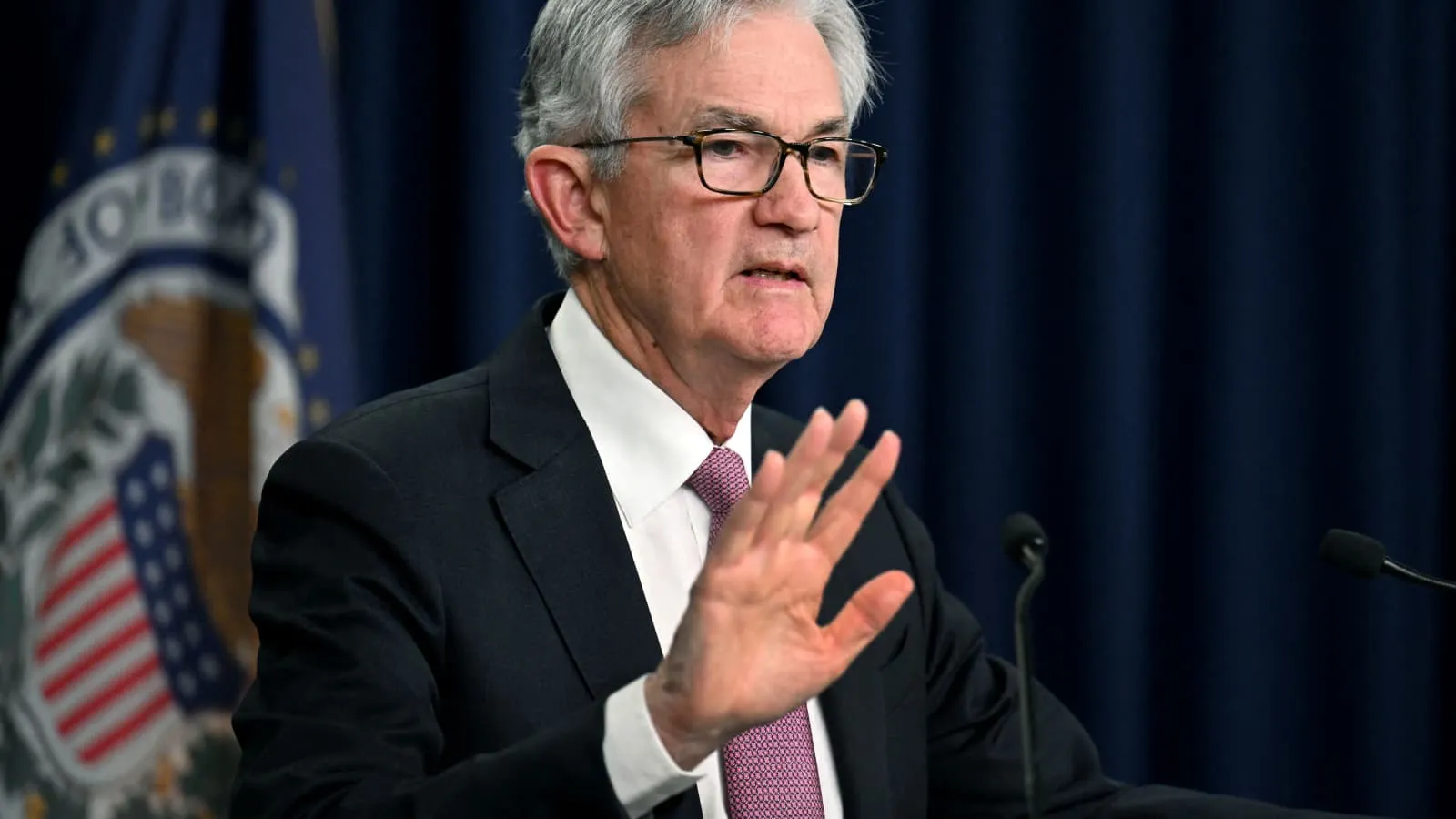
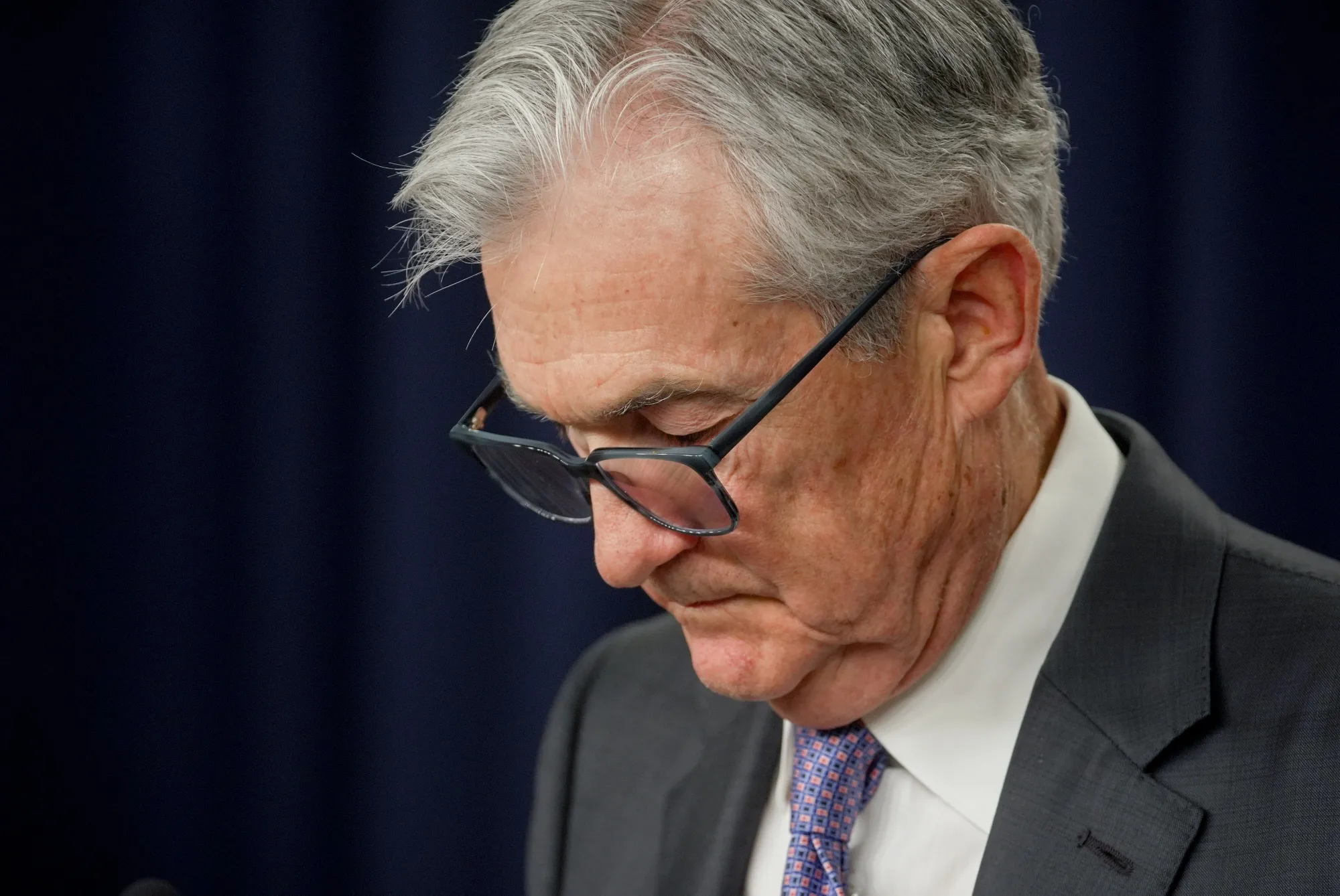




Overview
The Federal Reserve stands at a critical juncture, where internal policy disagreements and external political pressures are creating a high-stakes monetary policy environment. The recent 0.25 percentage point interest rate cut reveals a deeply fractured decision-making landscape, with six out of 19 policymakers opposing the reduction and stark divisions about future rate trajectories.
Strategic Complexity in Monetary Policy: The Fed's current situation demonstrates a profound challenge in balancing economic objectives with political expectations. Seven officials forecast no additional cuts, while eight advocate for at least a half-percentage point reduction—a split that signals fundamental disagreements about economic strategy. Vincent Reinhart's "warning shot" interpretation highlights the critical leadership challenge facing the next Fed chair, who must navigate both economic realities and administrative pressures.
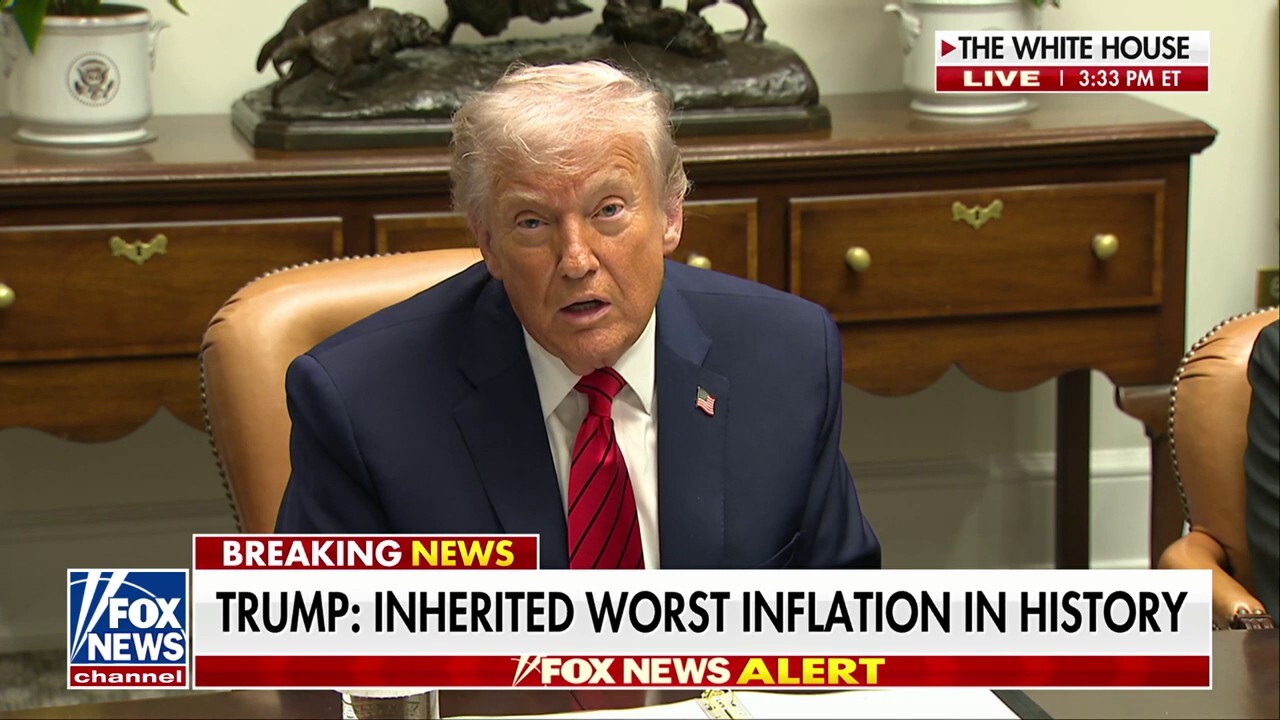
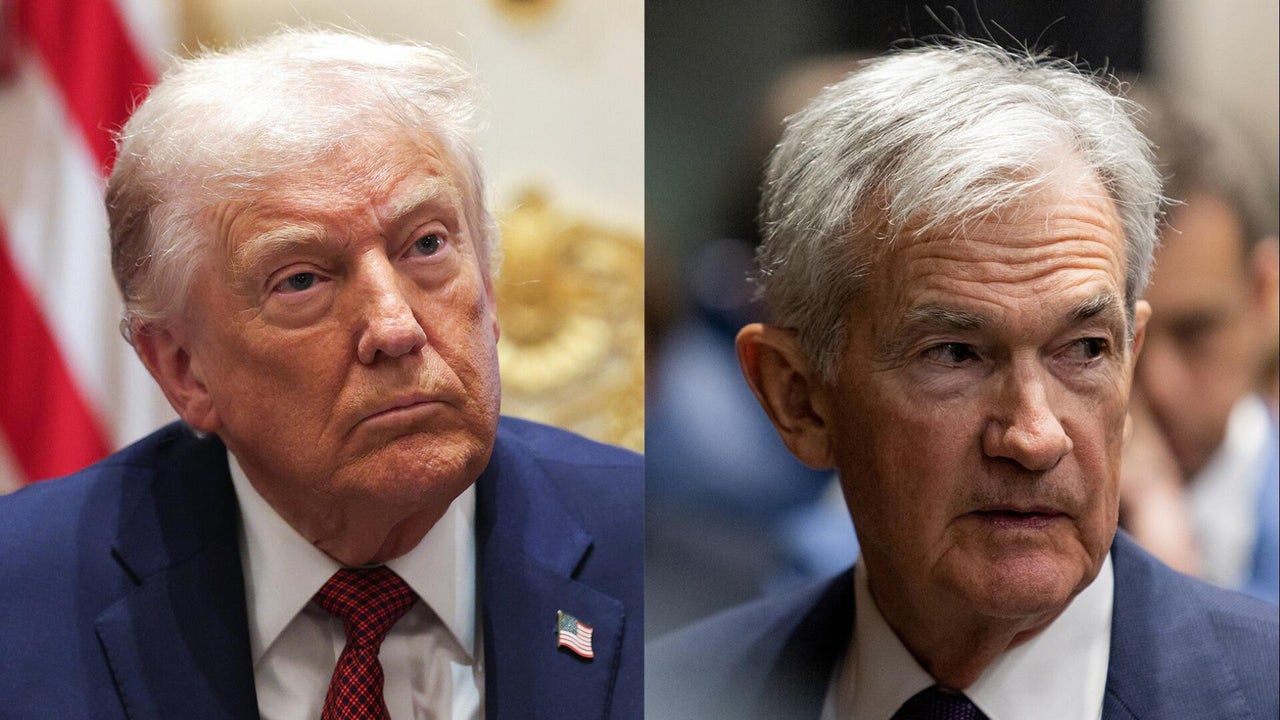
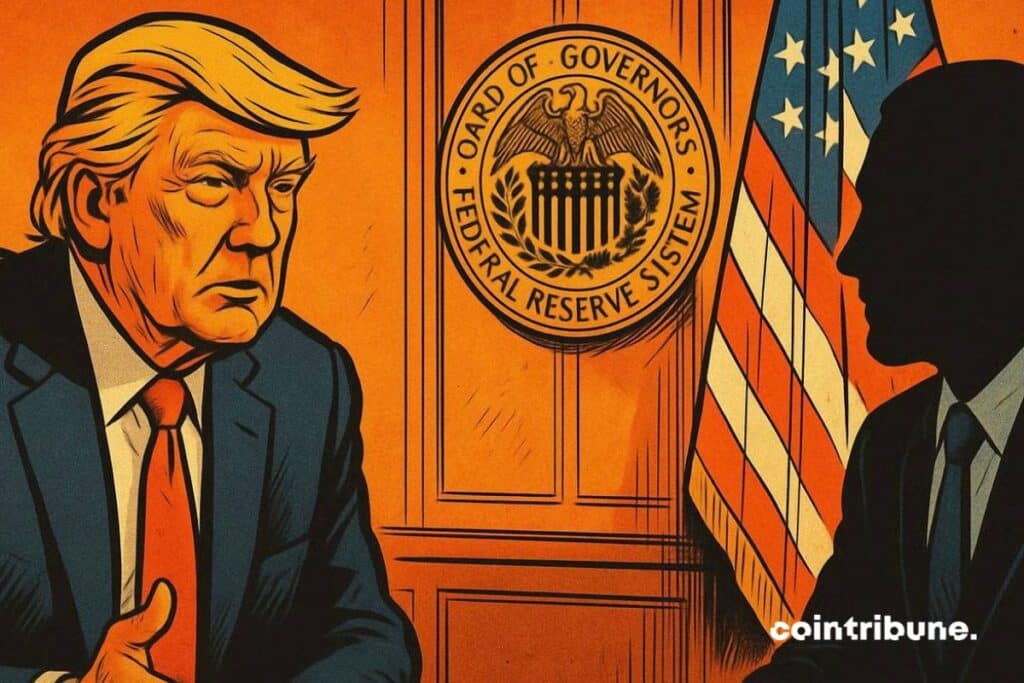
Political-Economic Tension: President Trump's vocal desire for lower borrowing costs creates additional complexity. The next Fed chair must perform a delicate balancing act: maintaining the institution's traditional independence while managing potentially conflicting expectations from the administration. This requires exceptional negotiation skills and a nuanced understanding of both monetary policy principles and political dynamics.
The emerging narrative is not just about interest rates, but about the institutional resilience of the Federal Reserve. With policymakers showing such divergent perspectives, the next chair's primary challenge will be building consensus and preserving the Fed's credibility. The ability to align committee members' approaches while managing external political pressures will be crucial in maintaining economic stability and policy effectiveness.
Ultimately, this moment represents more than a routine policy adjustment—it's a critical test of the Federal Reserve's ability to maintain its strategic independence in an increasingly politicized economic landscape. The next Fed chair must be a masterful diplomat, economist, and institutional leader, capable of bridging deep ideological divides while steering monetary policy with precision and integrity.
Questions 3
What challenges will the next Fed chair face?
The next Fed chair must balance political pressures from the administration, manage deep internal disagreements among policymakers, maintain the institution's independence, and make sound monetary policy decisions in a complex economic environment.
How might these internal divisions impact future monetary policy?
These divisions could lead to more cautious and deliberative policy-making, with the next Fed chair needing to build broader consensus. It may result in slower, more incremental policy adjustments to accommodate varying perspectives within the committee.