




Geopolitical Volatility & Market Recovery | E-Commerce Seller Financing & Consumer Spending Impact
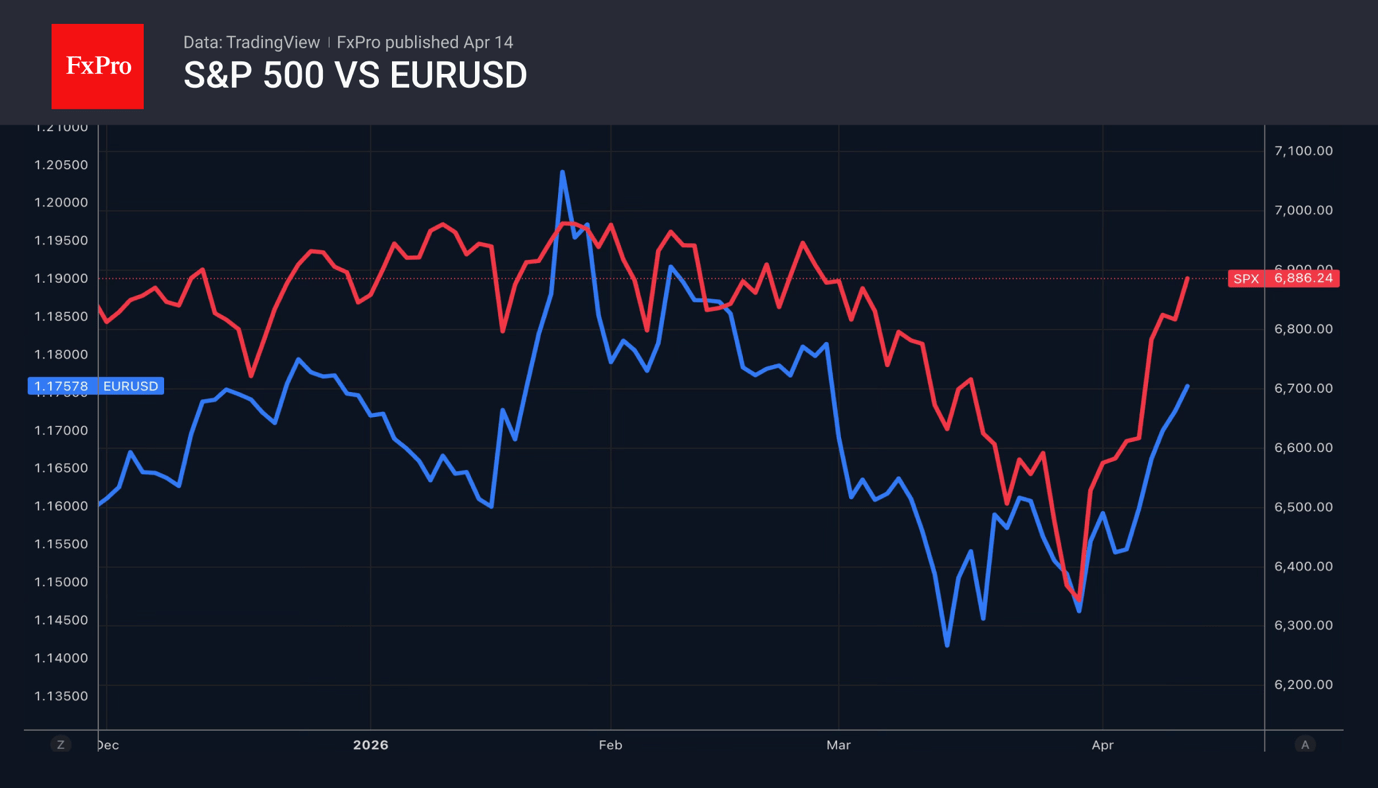
- March 2026 Iran tensions trigger 9% S&P 500 dip, but 8.5% rebound in 9 days signals strong consumer confidence recovery for Q2 2026 e-commerce sales



















)

Overview
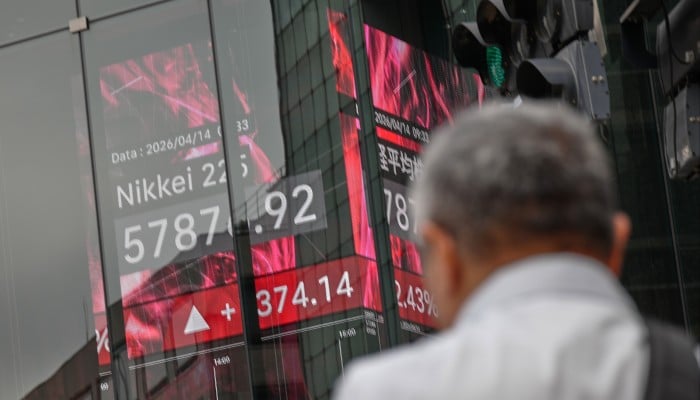
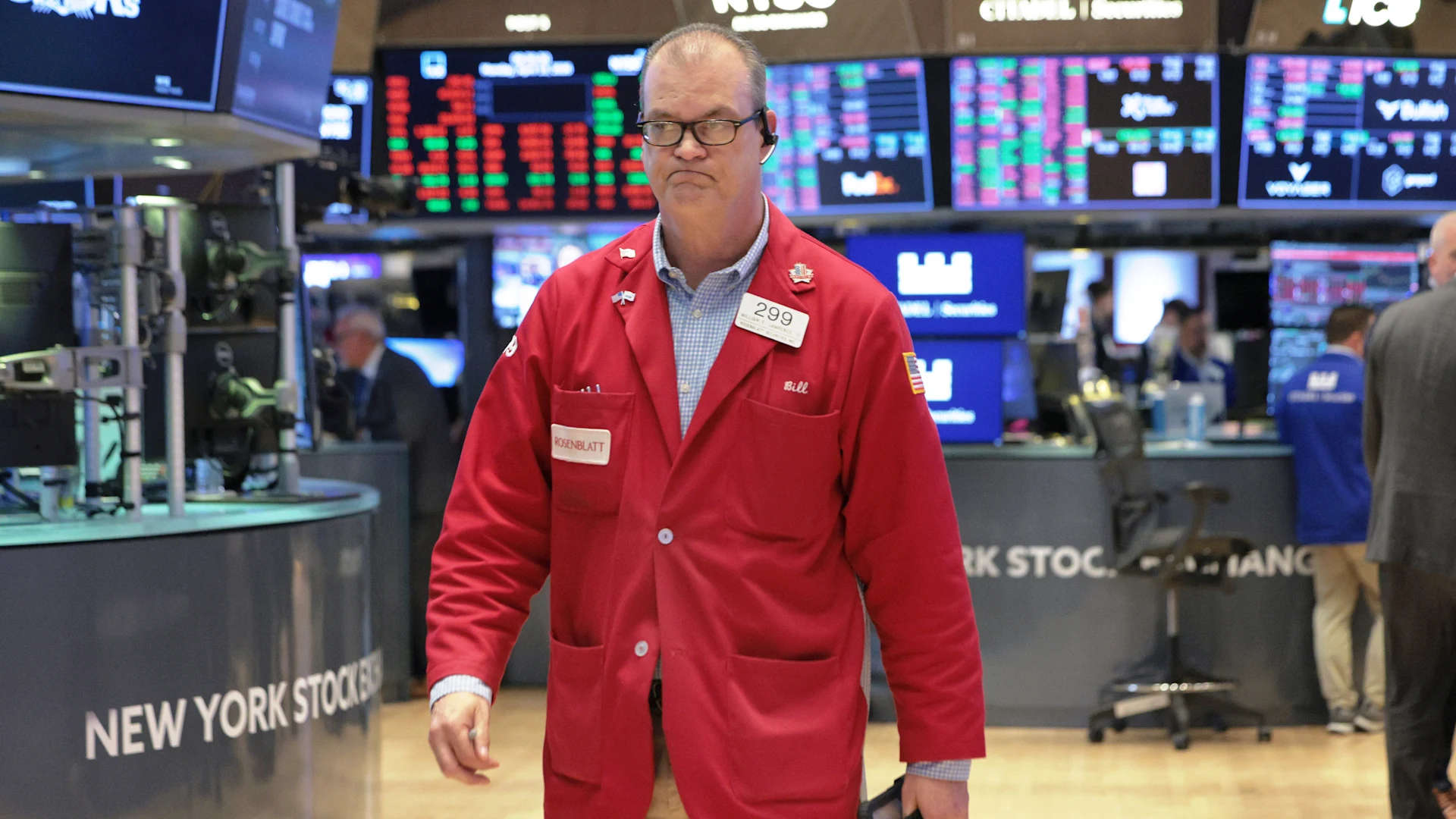
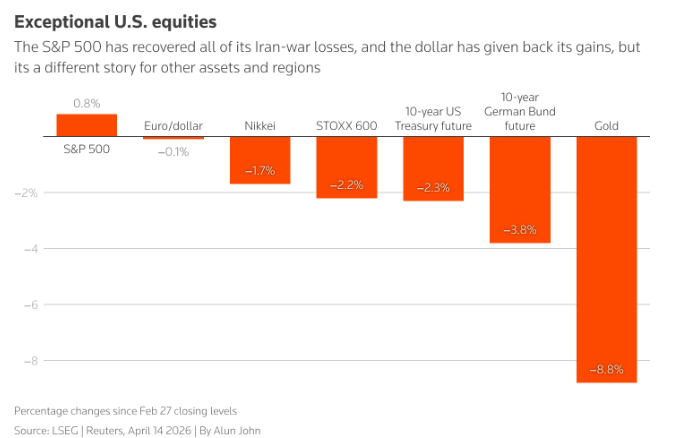
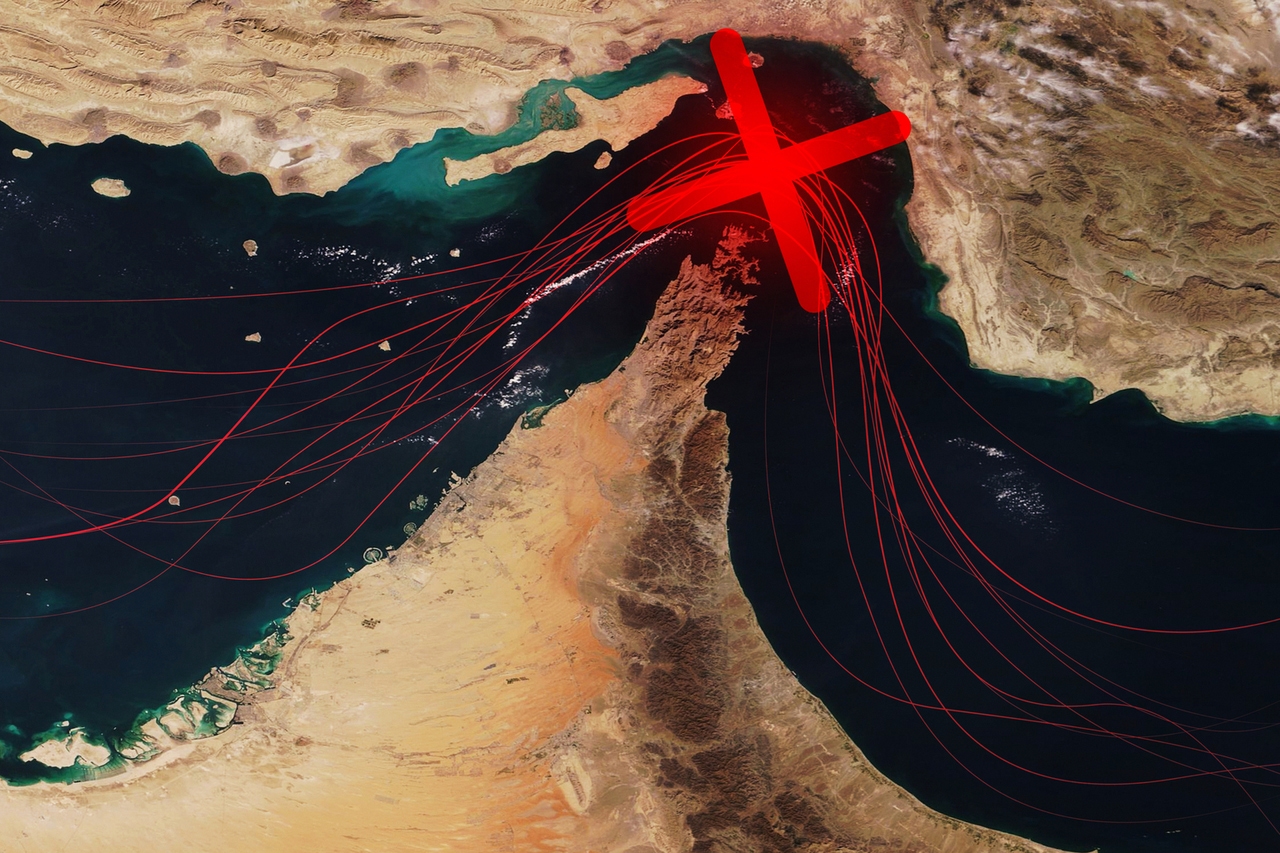
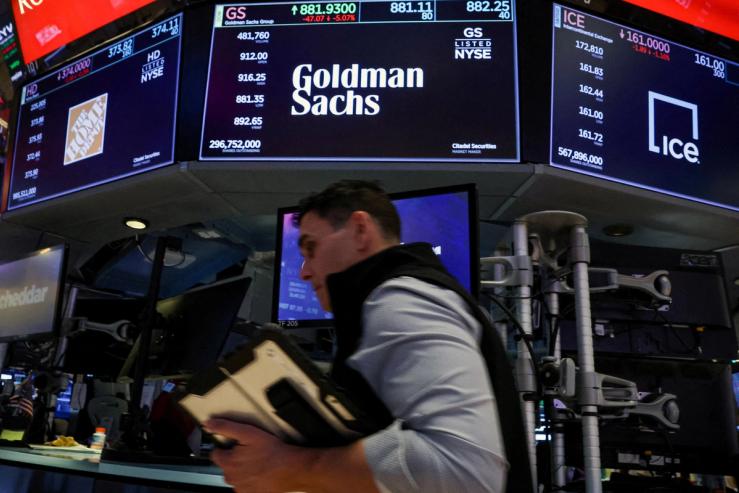
The March 2026 U.S.-Iran geopolitical tensions created a significant but temporary market shock, with the S&P 500 declining approximately 9% from its January high before recovering all losses within 30 trading days. Deutsche Bank analysis shows the subsequent rebound gained 8.5% over nine trading days, outperforming historical median recovery patterns. This rapid market stabilization—driven by renewed U.S.-Iranian negotiations in Islamabad and investor confidence in the "TACO trade" pattern—has direct implications for cross-border e-commerce sellers managing working capital, inventory financing, and consumer demand forecasting.
For e-commerce sellers, this volatility cycle presents both financing risks and demand opportunities. During the initial 6-8% market decline phase (typical for geopolitical shocks), sellers face tighter access to business credit, higher borrowing costs, and reduced consumer discretionary spending. Amazon sellers relying on inventory financing through programs like Fulfillment by Amazon (FBA) or third-party lenders experience 2-4% increases in working capital costs during volatility windows. However, the rapid recovery pattern documented in this event—where markets regain losses within 30 days—suggests the financing pressure window is compressed to 3-4 weeks, not the 8-12 week cycles seen in 2008-2009 financial crises.
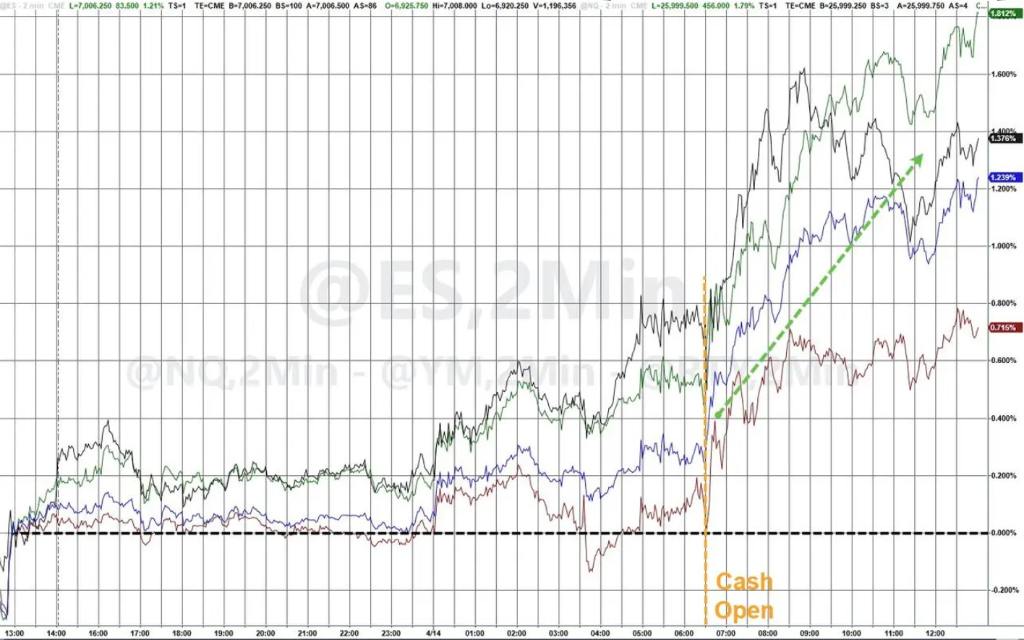
Consumer spending patterns during geopolitical volatility show category-specific resilience. Historical data from similar events indicates that while discretionary categories (luxury goods, electronics, fashion) see 5-8% demand dips during the shock phase, essential categories (home goods, health/wellness, food products) maintain baseline demand. The rapid market recovery in this case—with S&P 500, Nasdaq, and Dow Jones all opening higher following diplomatic developments—signals consumer confidence restoration by late March 2026. This suggests sellers in essential categories experienced minimal demand disruption, while luxury/discretionary sellers faced 2-3 week inventory velocity slowdowns.
The strategic opportunity window for sellers is the post-recovery phase (April-June 2026). As consumer confidence rebounds and financing conditions normalize, sellers who maintained inventory levels during the volatility dip gain competitive advantages. Sellers who liquidated inventory at discounts during the shock phase face restocking costs 3-5% higher than pre-volatility levels due to supplier price adjustments. Additionally, the renewed U.S.-Iranian negotiations reduce tariff uncertainty on imports from Asia-Pacific regions, potentially lowering sourcing costs for sellers importing from Vietnam, India, and Indonesia by 2-4% through reduced risk premiums on shipping and customs delays.
Questions 8
How does geopolitical volatility like the March 2026 Iran tensions affect e-commerce seller financing costs?
During geopolitical shocks, business credit becomes 2-4% more expensive as lenders increase risk premiums. The March 2026 event saw the S&P 500 drop 9%, triggering tighter credit conditions for 3-4 weeks. Sellers using inventory financing through Amazon Lending, Shopify Capital, or traditional lenders face higher interest rates during this window. However, the rapid 8.5% market rebound in 9 days suggests financing pressure normalizes quickly—typically within 30 days. Sellers should maintain 4-6 weeks of working capital reserves to weather volatility cycles without forced inventory liquidation.
Which product categories maintain demand during geopolitical market shocks?
Essential categories—home goods, health/wellness, food products, and household supplies—maintain 90-95% of baseline demand during geopolitical volatility. Discretionary categories like luxury goods, electronics, and fashion see 5-8% demand dips during the shock phase (first 2-3 weeks). The March 2026 event followed this pattern, with recovery accelerating after U.S.-Iranian negotiations resumed in Islamabad. Sellers in essential categories experienced minimal inventory velocity slowdowns, while luxury sellers faced 2-3 week sales delays. This suggests sellers should front-load essential inventory before geopolitical tensions and reduce discretionary stock exposure.