



Amazon's $11.57B Globalstar Acquisition Unlocks Remote Market Access for Cross-Border Sellers
- Satellite D2D connectivity enables sellers to reach 200M+ underserved customers in remote regions by 2028, creating new logistics and emergency communication product categories

























Overview
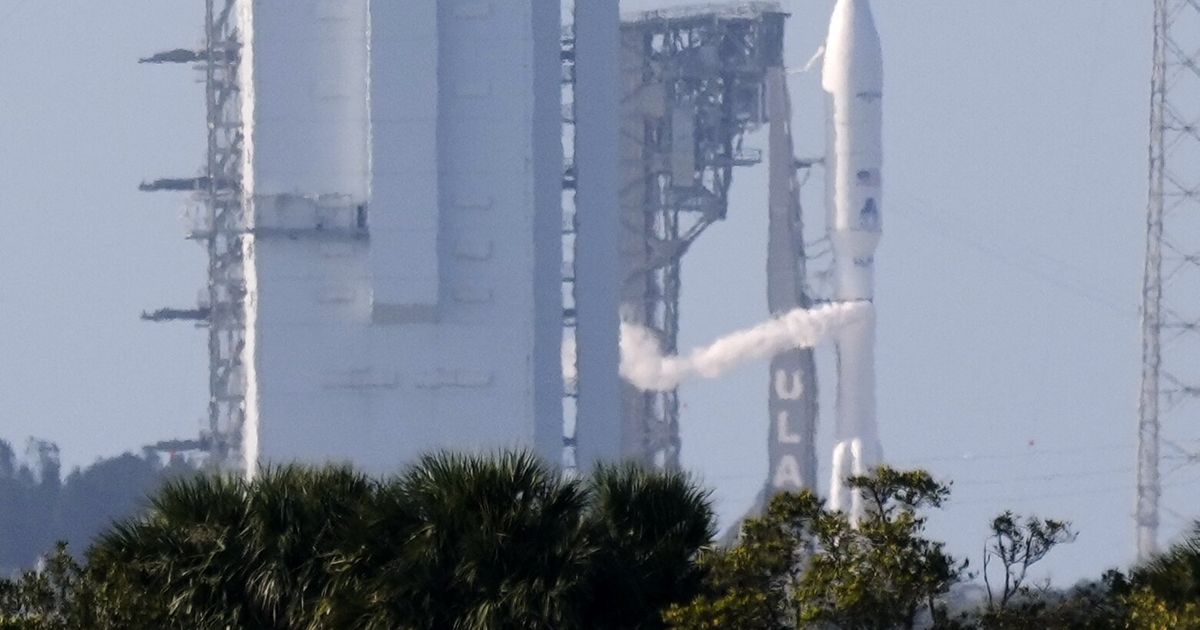
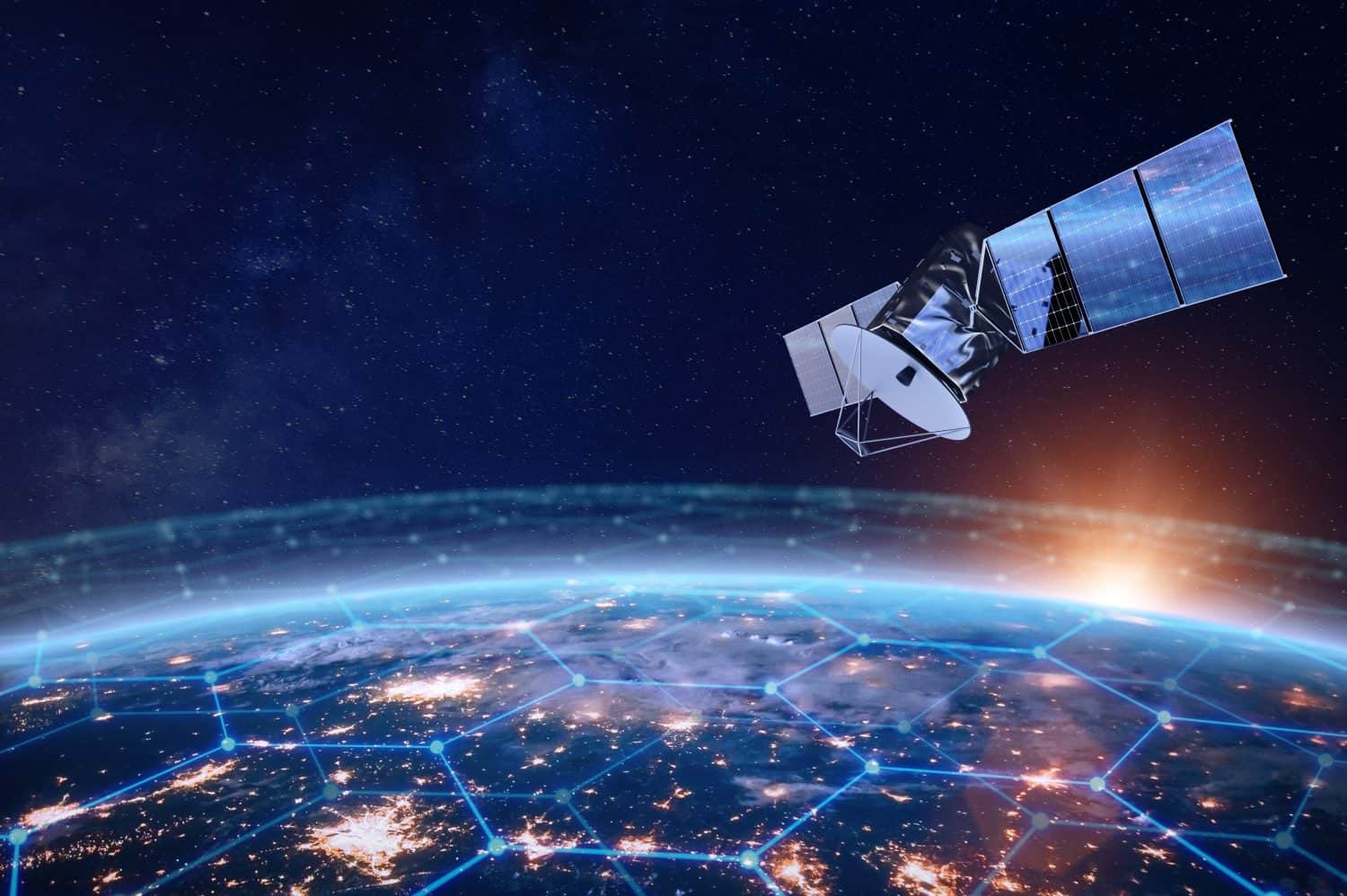
Amazon's $11.57 billion acquisition of Globalstar (announced April 14, 2025, closing expected 2026) represents a transformative infrastructure investment that directly impacts cross-border e-commerce sellers' ability to operate in previously unreachable markets. The deal combines Amazon's 200+ existing satellites with Globalstar's Direct-to-Device (D2D) technology and Apple partnership, enabling voice, text, and data services beyond terrestrial cellular coverage. By 2028, Amazon will deploy 3,200 low Earth orbit satellites offering substantially higher spectrum efficiency than legacy systems, creating capacity for hundreds of millions of customer endpoints globally.
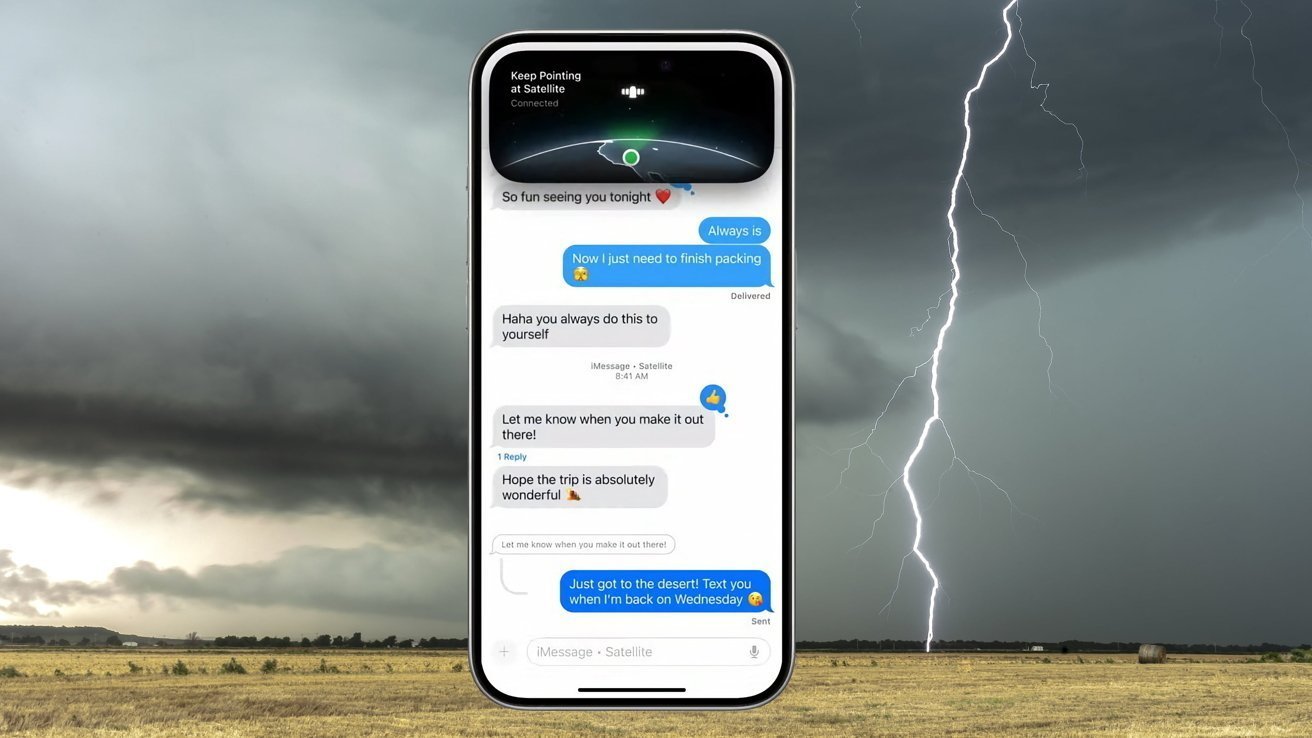
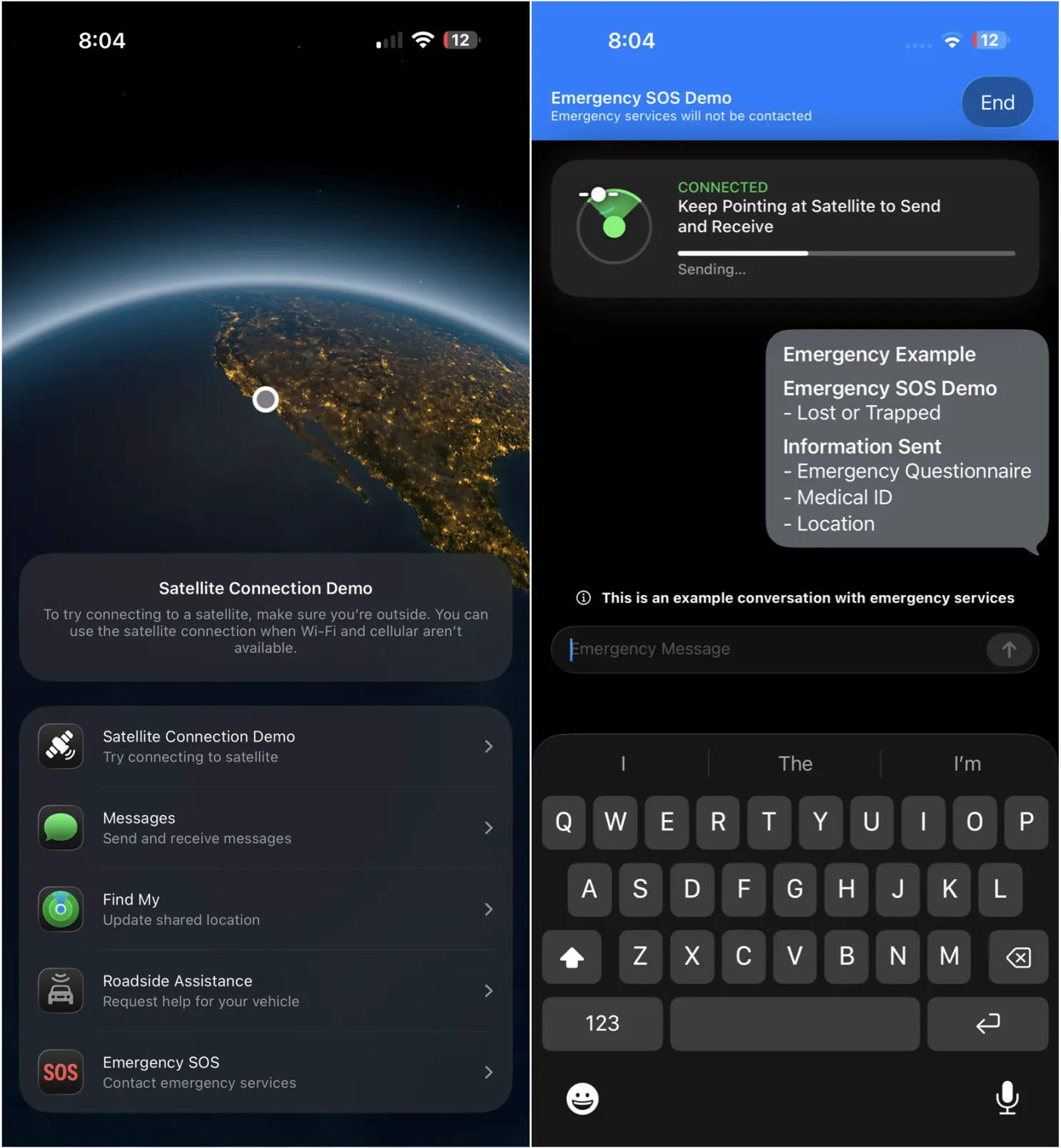
For e-commerce sellers, this infrastructure shift unlocks three critical opportunities: (1) Remote Market Expansion - Sellers can now reach underserved geographic areas (rural North America, developing regions, disaster-affected zones) previously inaccessible due to connectivity gaps. The Apple ecosystem integration provides direct access to 2B+ iPhone and Apple Watch users with Emergency SOS via satellite, creating demand for location-based services, emergency supplies, and outdoor/adventure products. (2) Supply Chain Resilience - Satellite connectivity enables real-time inventory tracking and customer communication during natural disasters and network outages, reducing operational risks for sellers managing cross-border logistics. This is particularly valuable for sellers operating in regions prone to infrastructure disruptions. (3) New Product Categories - The satellite infrastructure creates emerging demand for: emergency communication devices, satellite-enabled IoT products, location tracking accessories, outdoor/survival gear, and remote area logistics solutions.
The competitive landscape shows Amazon positioning against SpaceX's Starlink (9M+ users globally) while leveraging Apple's existing satellite services on iPhone 14+ and Apple Watch Ultra 3. This partnership protects Apple's $1.5B investment and creates a dual-platform advantage for sellers targeting premium device users. The FCC approval process (expected 2026) and deployment timeline (2028 full service) provide a 3-year window for sellers to develop products and strategies aligned with satellite-enabled commerce.
Regional demand signals are strongest in North America (rural US/Canada), Southeast Asia (connectivity gaps), and Latin America (infrastructure challenges). Sellers in outdoor recreation, emergency preparedness, agricultural technology, and remote logistics categories should prioritize this opportunity. The satellite infrastructure reduces barriers to entry for sellers serving these regions, potentially increasing competition but also expanding total addressable market by 15-20% in underserved areas.
Questions 8
How does Amazon's Globalstar acquisition create new product opportunities for cross-border sellers?
The acquisition directly enables sellers to target remote and underserved markets previously unreachable due to connectivity gaps. By 2028, Amazon's 3,200-satellite network will provide D2D connectivity to areas without cellular infrastructure, creating demand for location-based services, emergency communication devices, outdoor/survival products, and remote logistics solutions. Sellers in outdoor recreation, agricultural technology, and emergency preparedness categories can immediately begin developing products optimized for satellite-enabled customers. The Apple partnership (iPhone 14+, Apple Watch Ultra 3) provides direct access to 2B+ premium device users, representing a high-value customer segment for sellers offering location tracking, emergency supplies, and adventure gear.
What timeline should sellers use to prepare for satellite-enabled commerce opportunities?
The acquisition closing is expected in 2026, with full D2D service deployment by 2028—providing a 3-year preparation window. Sellers should immediately (Q2 2025) begin researching remote market demand signals and developing product strategies for underserved regions. By Q4 2025, sellers should establish supply chain partnerships and test product-market fit in current remote markets. The 2026-2027 period allows for scaling inventory and optimizing listings for satellite-enabled customer segments. Early movers entering this space in 2025-2026 will establish brand authority and capture market share before mainstream adoption in 2028. FCC approval (expected 2026) is a key regulatory milestone that could accelerate or delay deployment timelines.