



Fed Rate Hold 2026 | Sellers Face Higher Borrowing Costs Amid Inflation Uncertainty
- Rates expected to remain steady through 2026 as geopolitical tensions delay cuts; sellers face 2-4% increased financing costs for inventory and operations













Overview
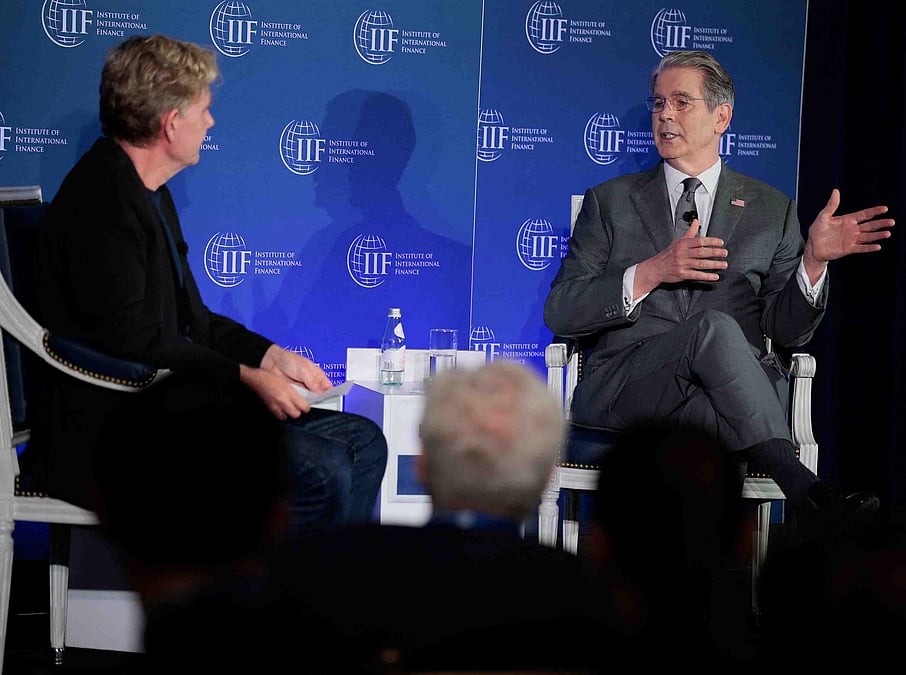
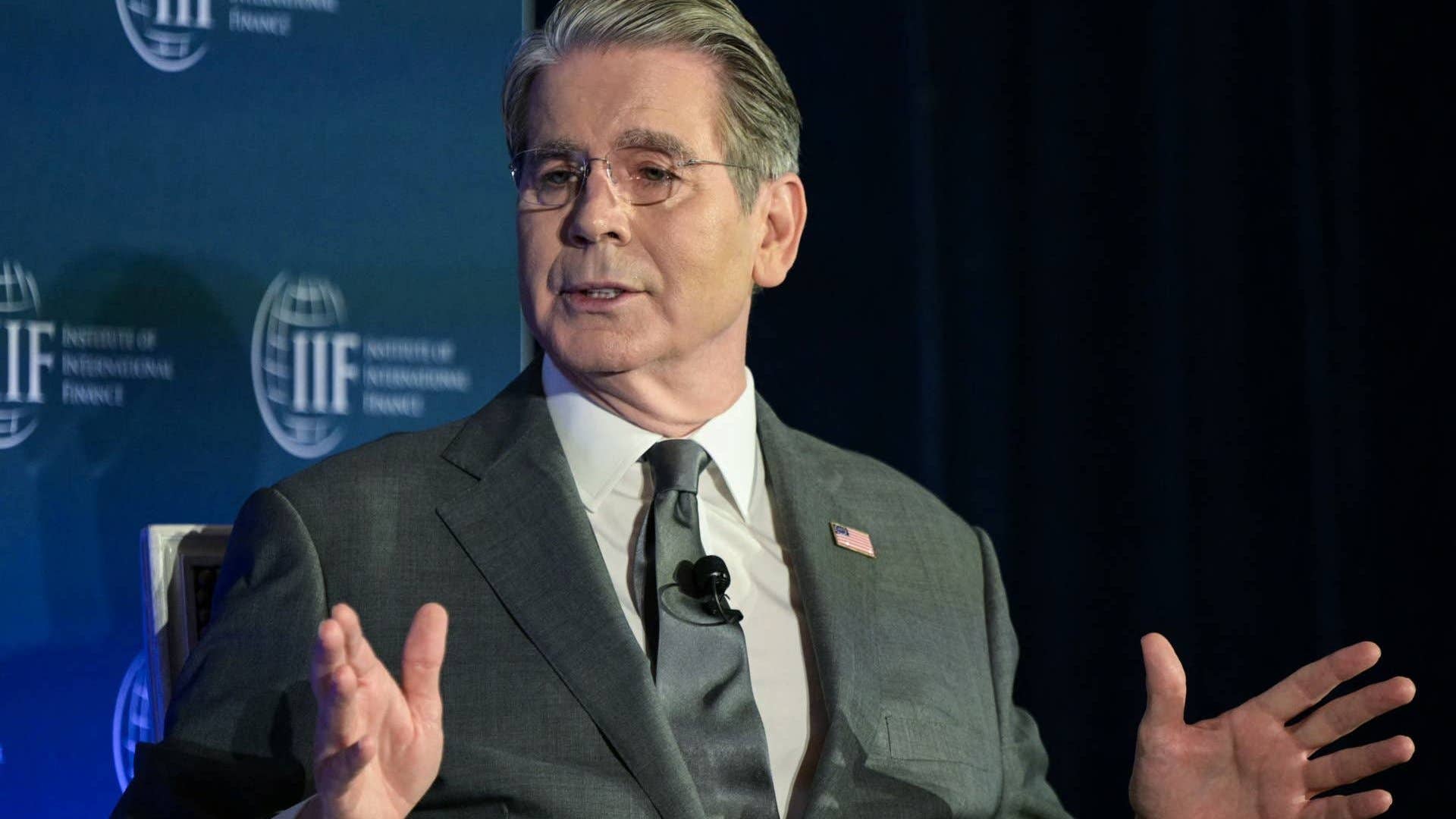
Federal Reserve monetary policy uncertainty is creating significant financial headwinds for e-commerce sellers in 2026. Treasury Secretary Scott Bessent's April 14, 2026 statements indicate the Fed will maintain current interest rates throughout the year despite earlier administration pressure for cuts. The central bank is holding steady due to mixed inflation signals: consumer prices rose 0.9% and producer prices increased 0.5% in March 2026, driven by the Iran conflict that began in late February. However, core inflation remained modest at 0.2% consumer-side and 0.1% wholesale-side, suggesting underlying price pressures are contained. This creates a paradox for sellers—headline inflation from energy costs (crude oil surged ~50%, pushing gas above $4/gallon for the first time in 3+ years) threatens margins, while core inflation stability justifies the Fed's cautious hold.
The rate-hold environment directly impacts seller financing costs and working capital requirements. With Fed funds futures pricing indicating zero rate cuts expected through 2026 and minimal increase probability, sellers relying on business lines of credit, inventory financing, or merchant cash advances face sustained higher borrowing costs. Small-to-medium sellers (those carrying $50K-500K inventory) typically see 2-4% annual cost increases when rates remain elevated; larger FBA sellers with $1M+ inventory face $20K-40K additional annual financing expenses. The uncertainty surrounding Fed Chair Jerome Powell's May 2026 term expiration and Kevin Warsh's stalled nomination (blocked by Senator Thom Tillis pending a DOJ investigation into Fed building costs) creates policy unpredictability that extends into 2027, preventing sellers from confidently planning capital allocation.
Energy cost volatility presents immediate category-specific opportunities and risks. The 50% crude oil surge and $4+ gasoline prices directly inflate shipping costs for all sellers, particularly those using FBA and 3PL fulfillment networks. Sellers in heavy/bulky categories (furniture, appliances, sporting goods) face 8-12% logistics cost increases. Conversely, sellers in automotive accessories, fuel-efficient products, and energy-related merchandise (solar panels, EV chargers, fuel additives) are positioned for demand spikes as consumers seek cost-mitigation solutions. The Iran conflict's resolution timeline remains uncertain, meaning energy prices could normalize rapidly (as Bessent suggested) or remain elevated, creating planning challenges for Q2-Q3 2026 inventory decisions. Sellers should monitor geopolitical developments closely, as a ceasefire could trigger sharp margin recovery, while escalation would compress profitability further.
Questions 8
How will the Fed's rate hold through 2026 affect my seller financing costs?
With the Federal Reserve expected to maintain current rates throughout 2026 (per April 14 Treasury statements), sellers relying on business credit lines, inventory financing, or merchant cash advances will face sustained higher borrowing costs. Small-to-medium sellers typically see 2-4% annual cost increases on working capital; a seller with $200K in financed inventory could pay an additional $4,000-8,000 annually. The uncertainty around Fed Chair Powell's May 2026 term expiration and Kevin Warsh's stalled nomination extends this unpredictability into 2027, making it difficult to lock in favorable rates. Consider refinancing existing debt before further rate decisions and evaluate fixed-rate financing options to hedge against potential future increases.
How should I price products given the current inflation uncertainty?
Treasury Secretary Bessent expressed confidence that core inflation will continue declining throughout 2026, but acknowledged the Fed's need to wait for clarity on Iran conflict impacts before cutting rates. This suggests a bifurcated pricing strategy: for energy-intensive products (shipping-heavy items, fuel-related goods), implement dynamic pricing that adjusts for logistics cost volatility; for core goods with stable input costs, maintain stable pricing to capture market share as competitors struggle with margin compression. Monitor energy prices weekly and adjust shipping surcharges accordingly. The news indicates oil prices could normalize rapidly once the conflict concludes, so avoid permanent price increases that might alienate customers if energy costs drop suddenly.