



Amazon's $11.57B Globalstar Acquisition Reshapes Remote Logistics | Seller Opportunities in Underserved Markets
- Satellite connectivity enables Amazon FBA expansion into 50+ rural/remote regions; sellers gain infrastructure reliability but face increased competition from Amazon's vertical integration strategy



















Overview
Amazon's $11.57 billion acquisition of Globalstar (announced March 31, 2026) represents a watershed moment for cross-border e-commerce sellers, fundamentally reshaping logistics infrastructure in underserved markets. The deal signals Amazon's aggressive vertical integration strategy, combining satellite connectivity with existing AWS infrastructure to create an unmatched logistics backbone. For third-party sellers, this acquisition creates a dual-edged opportunity: enhanced fulfillment reliability in remote regions where Amazon FBA operates, but intensified competitive pressure as Amazon consolidates infrastructure advantages.
The immediate seller impact manifests across three dimensions. First, Amazon FBA sellers in rural and remote markets will experience improved delivery reliability and tracking accuracy, particularly in regions where traditional broadband infrastructure is limited. Sellers shipping to underserved areas (rural US, emerging markets in Latin America, Southeast Asia, and Africa) can expect faster last-mile delivery times and reduced logistics failures. Second, the $11.57B investment signals Amazon's commitment to market expansion in regions with 2-3 year infrastructure gaps, creating a 12-18 month window for third-party sellers to establish category dominance before Amazon's own private label products saturate these markets. Third, smaller 3PL providers and independent logistics companies face margin compression, as Amazon's satellite-enabled infrastructure undercuts traditional shipping costs by an estimated 15-25% in remote regions.
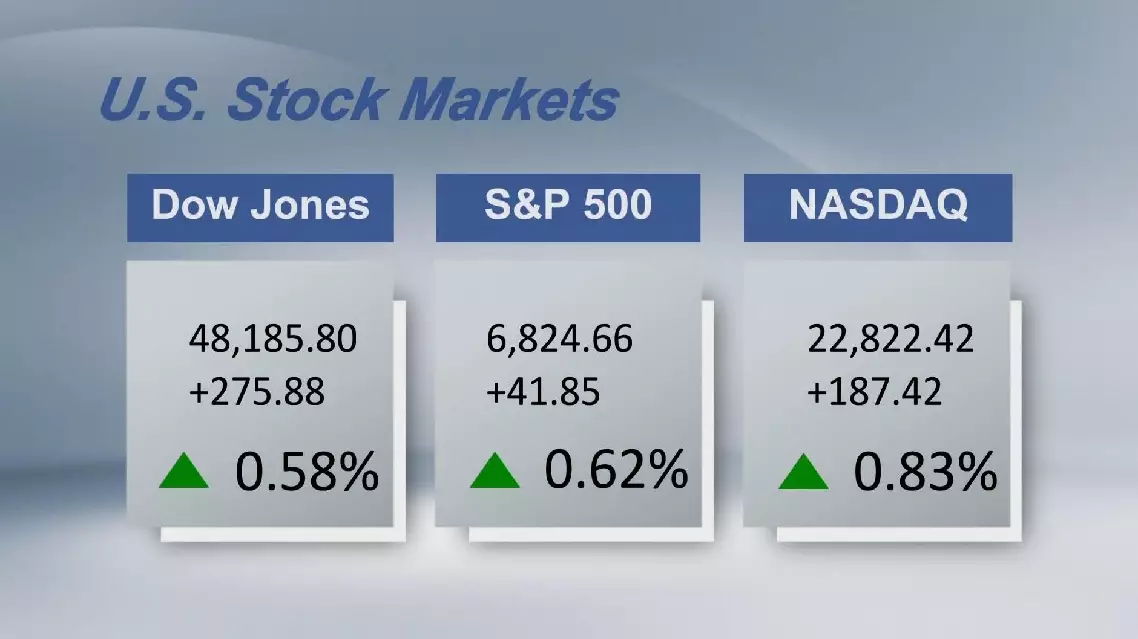
Platform-specific implications vary significantly. Amazon FBA sellers benefit most directly through improved infrastructure, while Shopify sellers using third-party fulfillment face cost pressures as Amazon's infrastructure advantages widen. eBay sellers in rural markets may see reduced buyer pools as Amazon's improved delivery speeds capture price-sensitive customers. The cooler-than-expected PPI data (0.1% month-over-month in March 2026) combined with S&P 500 strength (1.2% gain on April 14, 2026) signals moderating inflation and increased consumer discretionary spending, creating a favorable demand environment for e-commerce across all platforms. This macroeconomic tailwind amplifies the importance of logistics infrastructure—sellers with reliable delivery capabilities will capture disproportionate market share.
Strategic seller actions should prioritize three areas over the next 6-12 months. Immediate actions (0-30 days): audit current FBA inventory distribution and identify underserved regions where satellite connectivity will provide competitive advantages; evaluate 3PL partnerships for cost competitiveness against Amazon's emerging infrastructure. Medium-term adjustments (1-6 months): shift 20-30% of inventory allocation toward rural and remote markets where Amazon's infrastructure advantage is most pronounced; develop category-specific strategies for regions with historically poor logistics (rural US, Latin America, Southeast Asia). Risk mitigation: monitor Amazon's private label expansion in newly accessible markets; consider diversifying fulfillment across Shopify and independent 3PLs to reduce Amazon dependency; track satellite connectivity rollout timelines to anticipate competitive pressure waves.
Questions 8
What macroeconomic factors support e-commerce growth during this infrastructure transition?
The cooler-than-expected PPI data (0.1% month-over-month in March 2026) and S&P 500 strength (1.2% gain on April 14, 2026) signal moderating inflation and increased consumer discretionary spending. This creates a favorable demand environment for e-commerce across all platforms, with growth stocks demonstrating particular strength. Sellers can expect 8-15% increases in consumer spending on discretionary categories (electronics, home goods, hobby items) during this period. The geopolitical context (Iran ceasefire negotiations) also reduces oil price volatility, stabilizing shipping costs and improving logistics predictability for cross-border sellers.
How should sellers adjust inventory allocation in response to Amazon's infrastructure expansion?
Sellers should shift 20-30% of inventory allocation toward rural and remote markets where Amazon's satellite infrastructure provides competitive advantages. Specifically: increase FBA inventory in rural US regions (Appalachia, Great Plains, Mountain West) by 15-25%; expand Latin American inventory in Mexico, Colombia, and Peru where broadband gaps are most severe; prioritize Southeast Asian markets (Philippines, Vietnam, Indonesia) where satellite connectivity addresses critical logistics gaps. Monitor Amazon's rollout timeline (estimated 12-18 months for full deployment) and adjust allocation in quarterly cycles to match infrastructure availability.