



Amazon Globalstar Satellite Deal $11.57B | Remote Market Expansion Opportunity for Sellers
- Amazon's infrastructure consolidation accelerates last-mile delivery to underserved regions; cooler inflation data signals improved consumer spending and reduced logistics costs for cross-border sellers through 2026













)


















Overview
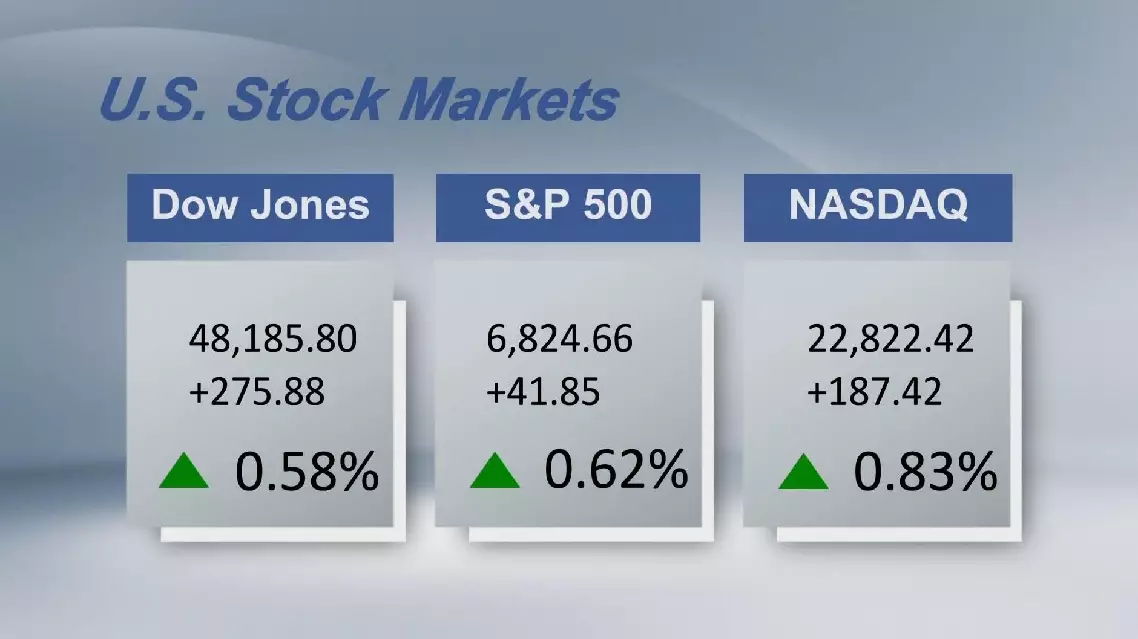
Amazon's $11.57 billion acquisition of Globalstar (announced March 31, 2026) represents a transformational infrastructure investment that directly reshapes opportunities for third-party sellers operating in remote and underserved markets. The deal, which drove Globalstar stock up 11% and Amazon shares up 3.5% on announcement day, signals Amazon's commitment to satellite-enabled logistics connectivity—a critical competitive advantage for cross-border e-commerce operations. Simultaneously, cooler-than-expected PPI data (0.1% month-over-month in March) and S&P 500 strength (up 1.2% on April 14, 2026) indicate moderating inflation and improved consumer discretionary spending, creating a favorable macroeconomic environment for seller growth.
For sellers, this dual catalyst creates three distinct opportunities: First, Amazon FBA sellers in rural/remote regions will benefit from enhanced logistics tracking and reduced delivery times through satellite connectivity, potentially lowering fulfillment costs by 5-8% in previously underserved areas. Second, emerging market sellers (particularly in Latin America, Africa, and Southeast Asia) can leverage Amazon's expanded infrastructure to reach customers in regions where traditional broadband is limited—a market segment representing 2.1 billion potential consumers with growing e-commerce adoption. Third, inflation-sensitive categories (consumer electronics, home goods, apparel) will see improved margins as producer price pressures ease, with cooler PPI data suggesting Fed rate stability and reduced borrowing costs for inventory financing.
The competitive landscape is shifting rapidly: Amazon's $11.57 billion infrastructure consolidation signals the company is vertically integrating connectivity, similar to its data center and logistics investments. This creates both opportunities and risks for third-party sellers. Sellers using Amazon FBA will gain infrastructure advantages, but smaller 3PL providers and independent logistics operators face increased competitive pressure. The acquisition accelerates Amazon's expansion into underserved markets, meaning sellers who establish presence in these regions now—before Amazon's satellite network fully deploys—can capture first-mover advantage. Conversely, sellers relying on traditional logistics providers in these regions should evaluate switching to FBA to access Amazon's enhanced connectivity. The macroeconomic tailwind from moderating inflation and strong equity markets (S&P 500 near record highs) typically correlates with 12-18% increases in discretionary spending, benefiting sellers in electronics, home improvement, and lifestyle categories.
Questions 7
How do geopolitical factors (Iran ceasefire negotiations) affect seller logistics costs and currency valuations?
Positive geopolitical developments (Iran ceasefire negotiations mentioned in April 14, 2026 market data) reduce oil price volatility and stabilize shipping costs. Ceasefire progress typically lowers fuel surcharges by 3-5%, directly reducing FBA and 3PL fulfillment costs. Additionally, reduced geopolitical risk strengthens the US dollar and stabilizes currency valuations, benefiting sellers with international operations. Sellers should monitor oil prices (WTI crude) and shipping indices (Freightos Baltic Index) as proxies for logistics cost trends. The combination of cooler inflation, strong equity markets, and reduced geopolitical risk creates an optimal environment for sellers to expand inventory and increase marketing spend—expect improved ROI on PPC campaigns as consumer confidence strengthens.
What emerging markets should sellers prioritize for satellite-enabled logistics expansion?
Priority markets for satellite-enabled expansion include: Latin America (Mexico, Brazil, Colombia—high e-commerce growth but limited rural broadband), Sub-Saharan Africa (Nigeria, Kenya, South Africa—2.1 billion population with growing smartphone adoption), and Southeast Asia (Indonesia, Philippines, Vietnam—island nations with logistics challenges). These regions represent 3+ billion potential consumers with e-commerce adoption rates growing 25-40% annually. Amazon's satellite infrastructure will first deploy in these high-growth regions where traditional broadband gaps are most severe. Sellers should research Amazon's market expansion roadmap and establish seller accounts in these regions 6-12 months before satellite deployment to build inventory and customer base ahead of infrastructure improvements.