
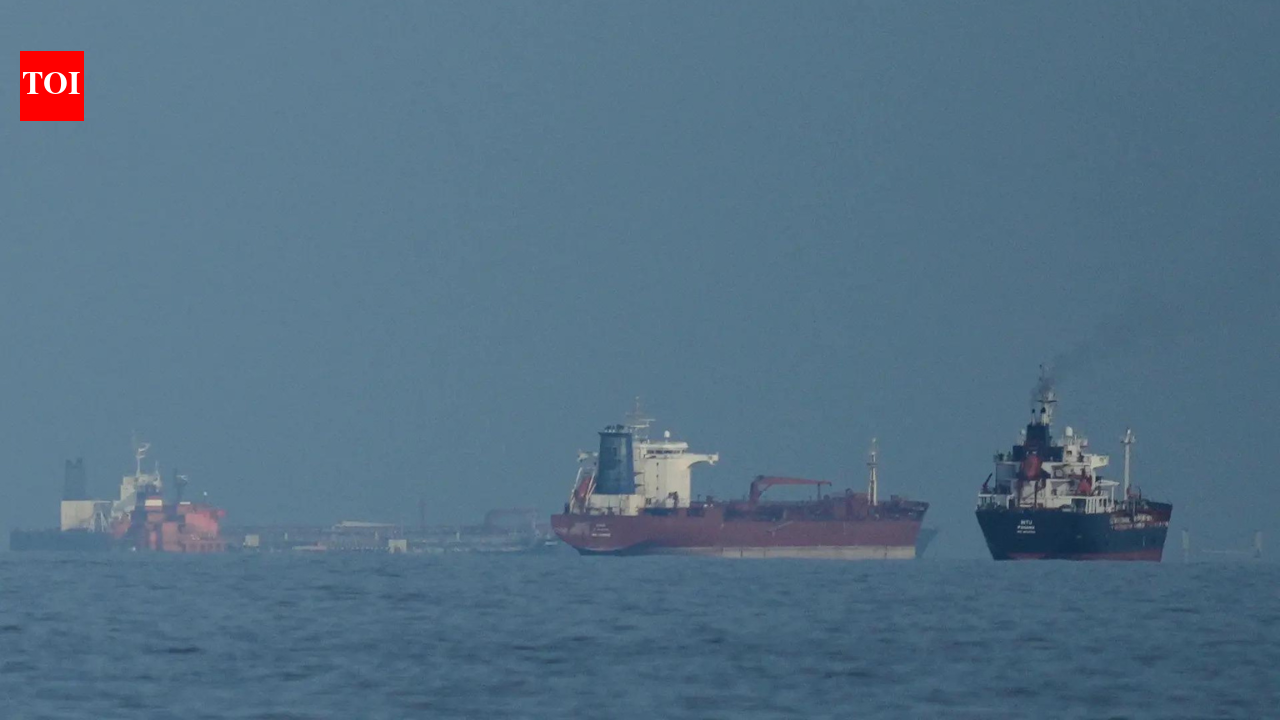




Strait of Hormuz Blockade Reshapes Global Shipping Costs | Cross-Border Sellers Face 8-15% Logistics Surge
- U.S. military blockade disrupts 20-30% of global maritime trade; sellers relying on Asia-Middle East routes face freight rate increases and 2-4 week delivery delays












Overview
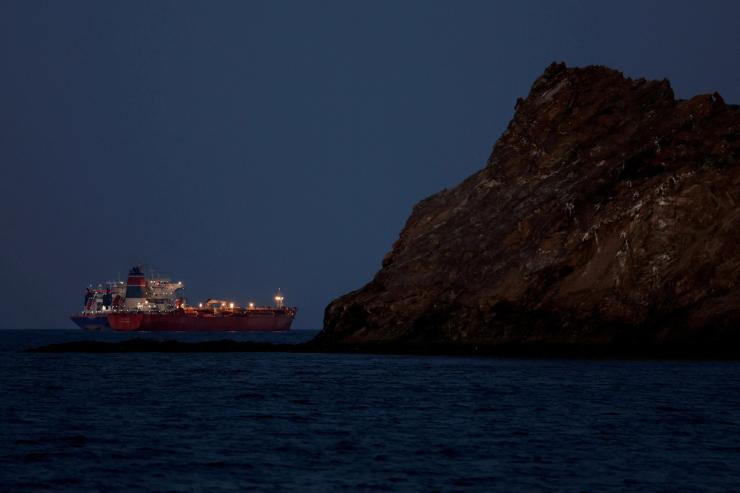
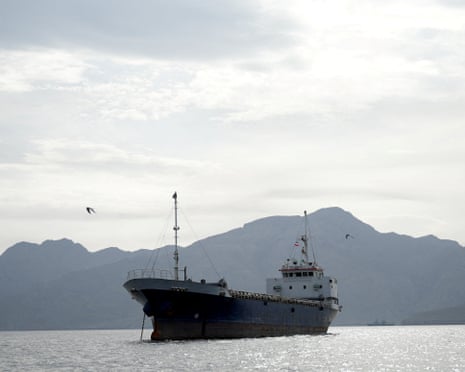
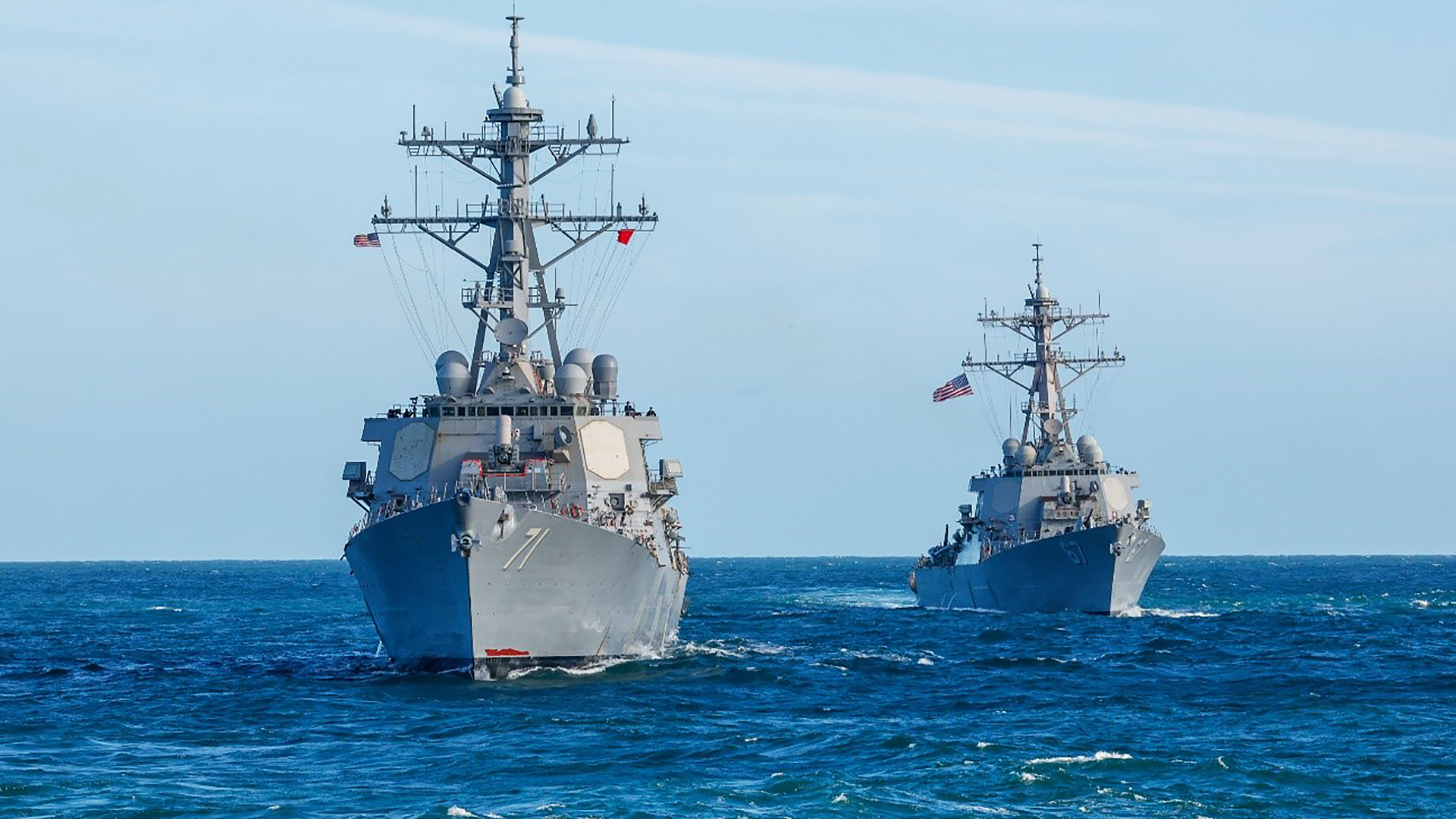
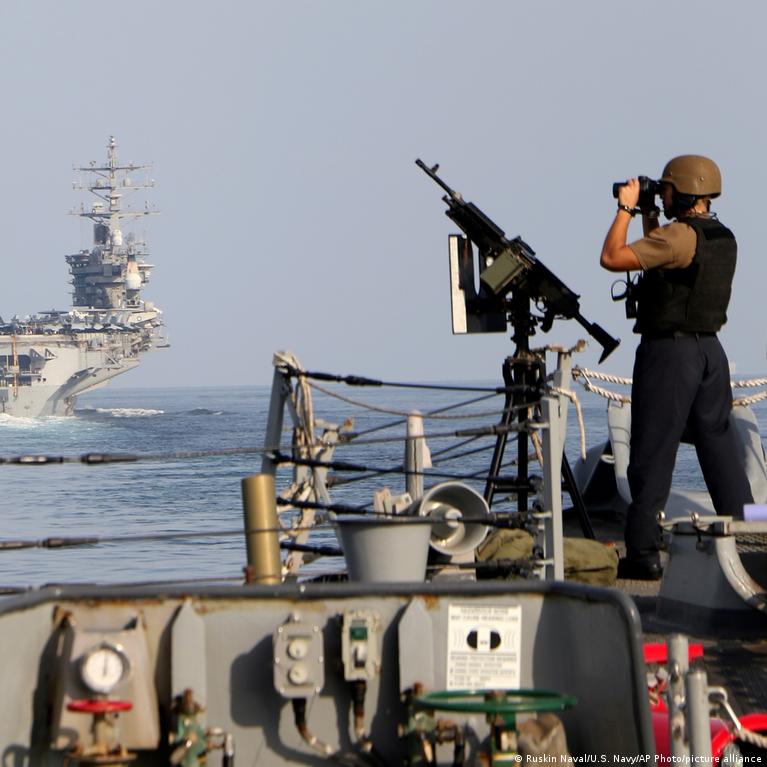
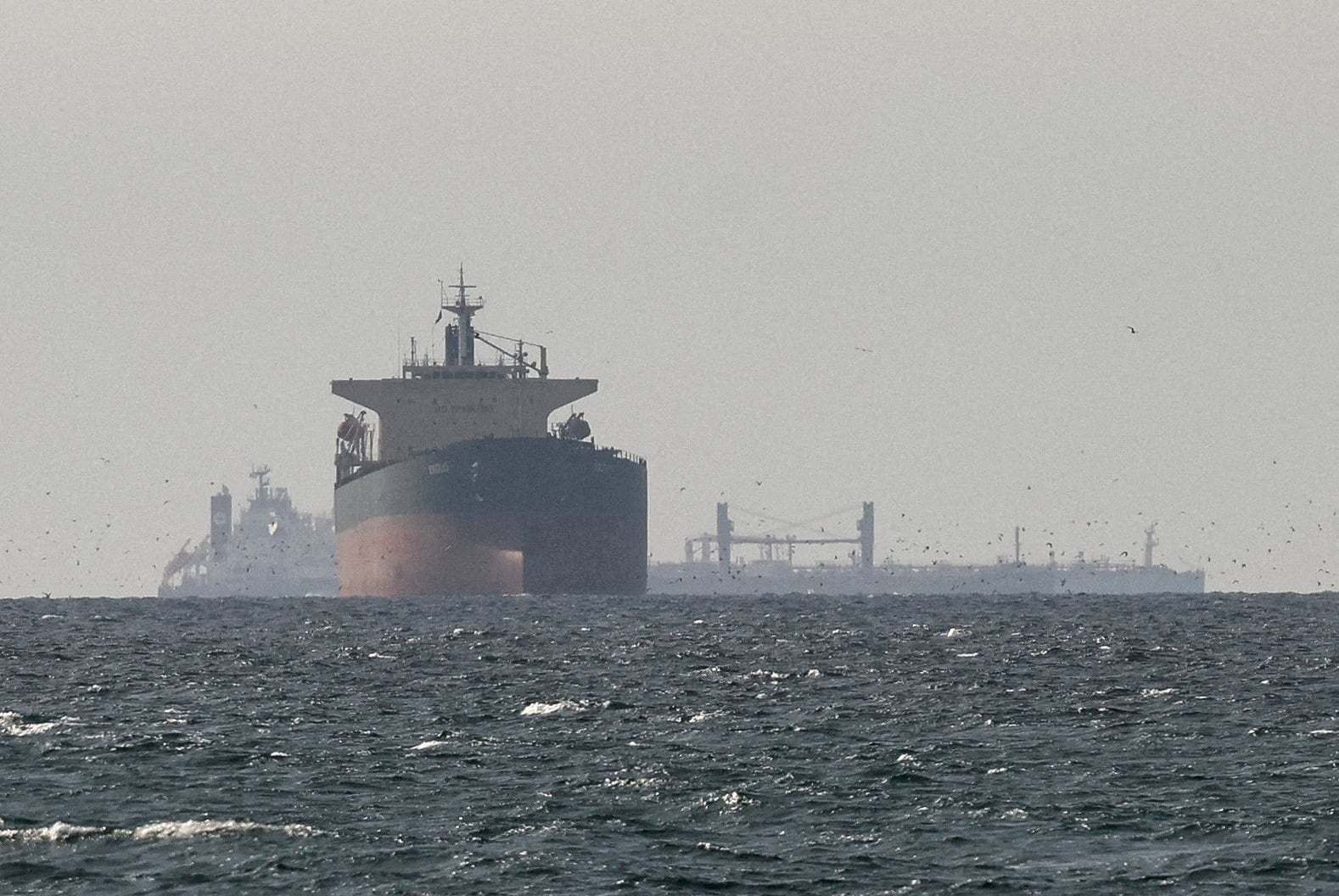
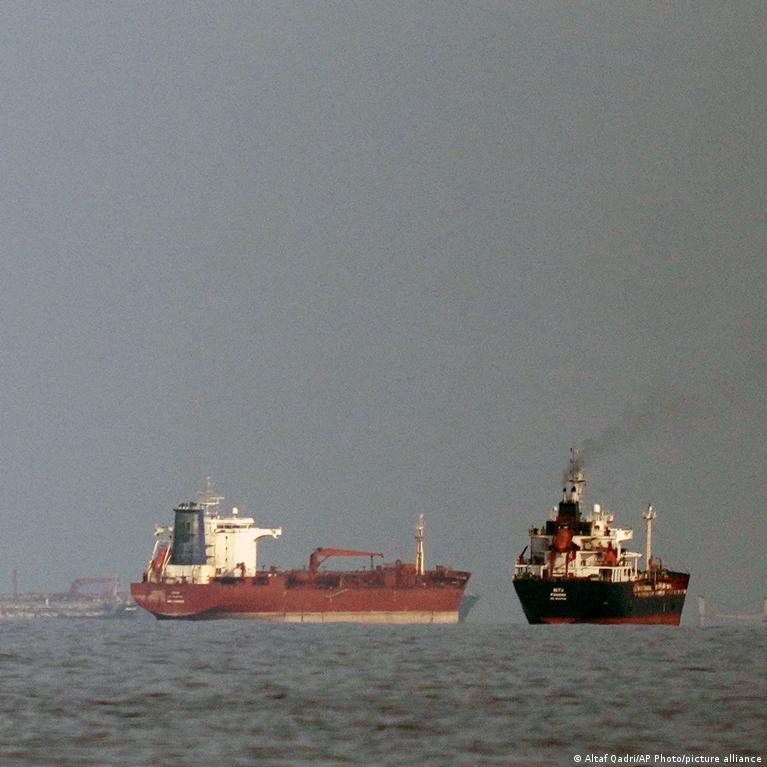
The U.S. military blockade of the Strait of Hormuz, initiated in April 2026 with more than a dozen American warships confronting merchant vessels departing Iranian ports, represents a critical supply chain disruption affecting cross-border e-commerce sellers globally. The Strait of Hormuz handles 20-30% of world maritime trade, making this geopolitical escalation directly relevant to sellers' logistics costs and inventory management strategies.
Immediate Logistics Impact for E-Commerce Sellers: Sellers sourcing from Asia-Pacific suppliers (Vietnam, India, Thailand, Indonesia) shipping through the Strait face 8-15% freight rate increases as shipping companies reroute vessels around Africa's Cape of Good Hope, adding 10-14 additional days to transit times. This affects product categories with high volume-to-value ratios most severely: electronics (HS codes 8471-8517), textiles (HS codes 6204-6209), and consumer goods (HS codes 9406-9406). Small-to-medium sellers (SMBs) with 500-2,000 monthly unit volumes experience $1,200-3,500 monthly cost increases, compressing margins by 5-8% on standard products. Large sellers with established 3PL networks can absorb costs more effectively through volume negotiations.
Strategic Sourcing Shifts and Tariff Arbitrage Opportunities: The blockade accelerates sourcing diversification away from traditional Asia-Middle East routes. Sellers should evaluate alternative supply corridors: (1) Direct Asia-to-US routes via Pacific (avoiding Suez/Hormuz entirely), (2) India-to-Europe via Cape of Good Hope (longer but politically stable), (3) Vietnam-to-US West Coast (emerging advantage for electronics/apparel). Energy price volatility from the blockade creates secondary effects: petroleum-based shipping costs fluctuate 3-7% weekly, making forward-booking contracts critical. Sellers in petroleum-dependent categories (plastics HS 3901-3915, chemicals HS 2901-2930) face compounded cost pressures.
Platform and Compliance Implications: Amazon FBA sellers must adjust inventory planning cycles from 45-60 days to 60-75 days, requiring 15-20% higher working capital reserves. eBay and Shopify sellers relying on just-in-time inventory face stockout risks during the 2-4 week shipping delays. Customs clearance complexity increases as rerouted shipments pass through additional ports (Port Said, Singapore, Rotterdam), requiring updated HS code documentation and potential tariff reclassification. Sellers should monitor freight forwarder announcements for route changes and update logistics provider contracts to include force majeure clauses covering geopolitical disruptions.
Competitive Advantage Window: Sellers with pre-positioned inventory in US/EU warehouses gain 30-45 day competitive advantage over just-in-time competitors. Categories with high demand volatility (seasonal goods, trending electronics, fashion) benefit from early inventory positioning. Conversely, sellers with excess inventory face extended holding costs: Amazon FBA storage fees increase $0.87-1.23 per unit monthly for overstock situations. The blockade creates a 6-12 month window where sellers with diversified sourcing and regional warehousing capture market share from competitors dependent on single supply corridors.
Questions 8
How much will my shipping costs increase due to the Strait of Hormuz blockade?
Sellers sourcing from Asia-Pacific suppliers face 8-15% freight rate increases as vessels reroute around Africa's Cape of Good Hope, adding 10-14 days to transit times. A typical seller shipping 1,000 units monthly from Vietnam to the US will experience $1,200-3,500 monthly cost increases depending on product weight and volume. Petroleum-based shipping costs fluctuate 3-7% weekly, making forward-booking contracts essential. Smaller sellers (500 units/month) see $600-1,800 increases, while large sellers with established 3PL contracts can negotiate volume discounts to absorb 40-50% of the increase.
Should I change my sourcing strategy due to the blockade?
Yes, diversifying away from traditional Asia-Middle East routes is strategically prudent. Evaluate three alternatives: (1) Direct Asia-to-US Pacific routes (avoiding Suez/Hormuz entirely), (2) India-to-Europe via Cape of Good Hope (longer but politically stable), (3) Vietnam-to-US West Coast (emerging advantage for electronics/apparel). The blockade creates a 6-12 month window where sellers with diversified sourcing gain competitive advantage. However, switching suppliers requires 4-8 weeks for quality audits and contract negotiation, so begin evaluation immediately if you haven't already.