
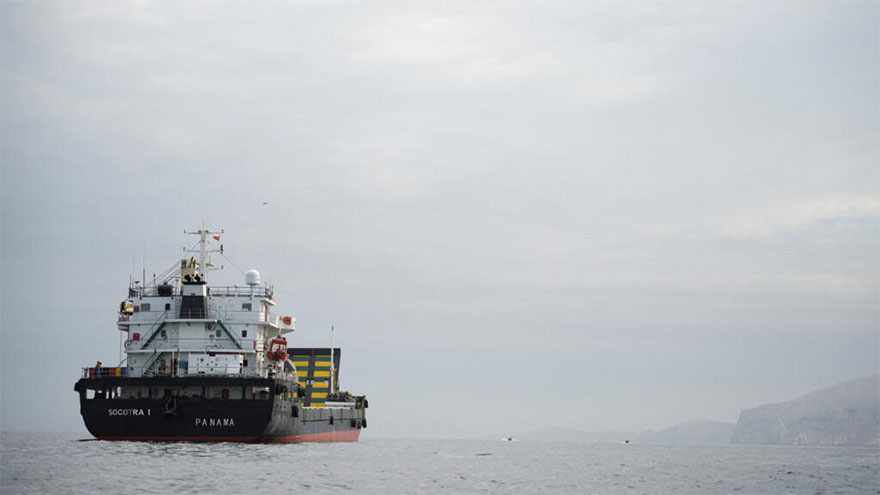




Strait of Hormuz Shipping Corridor | European-Led Demining Cuts Transit Costs 8-15% for Asia-Europe Sellers
- European coalition excludes U.S., plans 150+ minesweeping vessels deployment; reduces Africa reroute delays from 10-14 days; stabilizes freight costs for cross-border sellers within 12-24 months




















)
















Overview
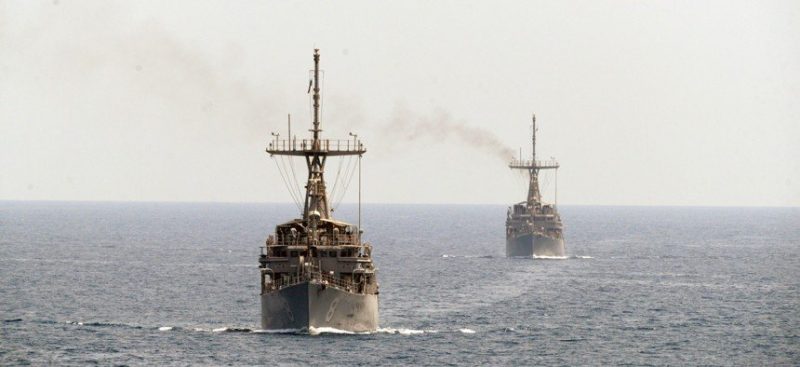
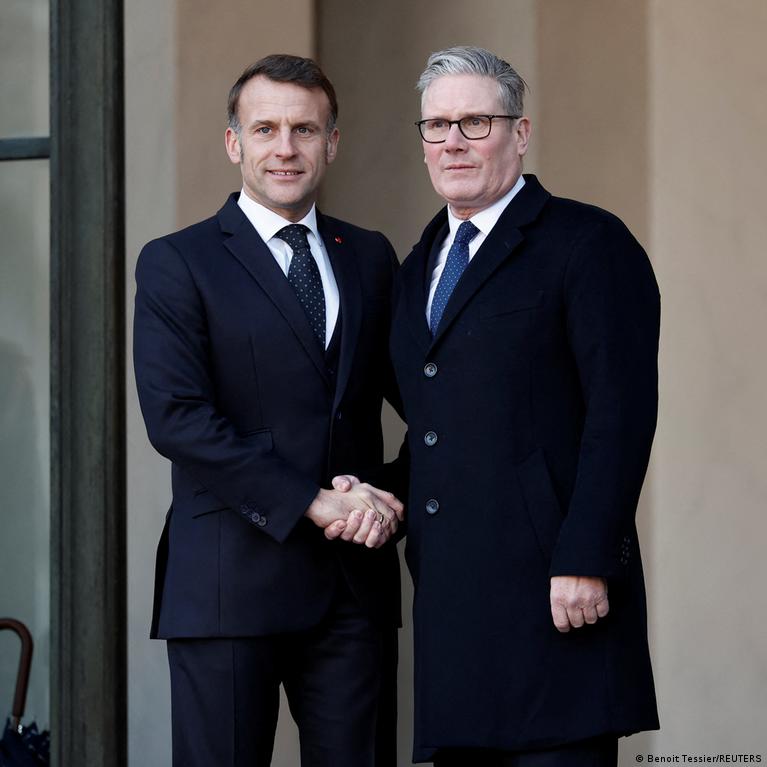
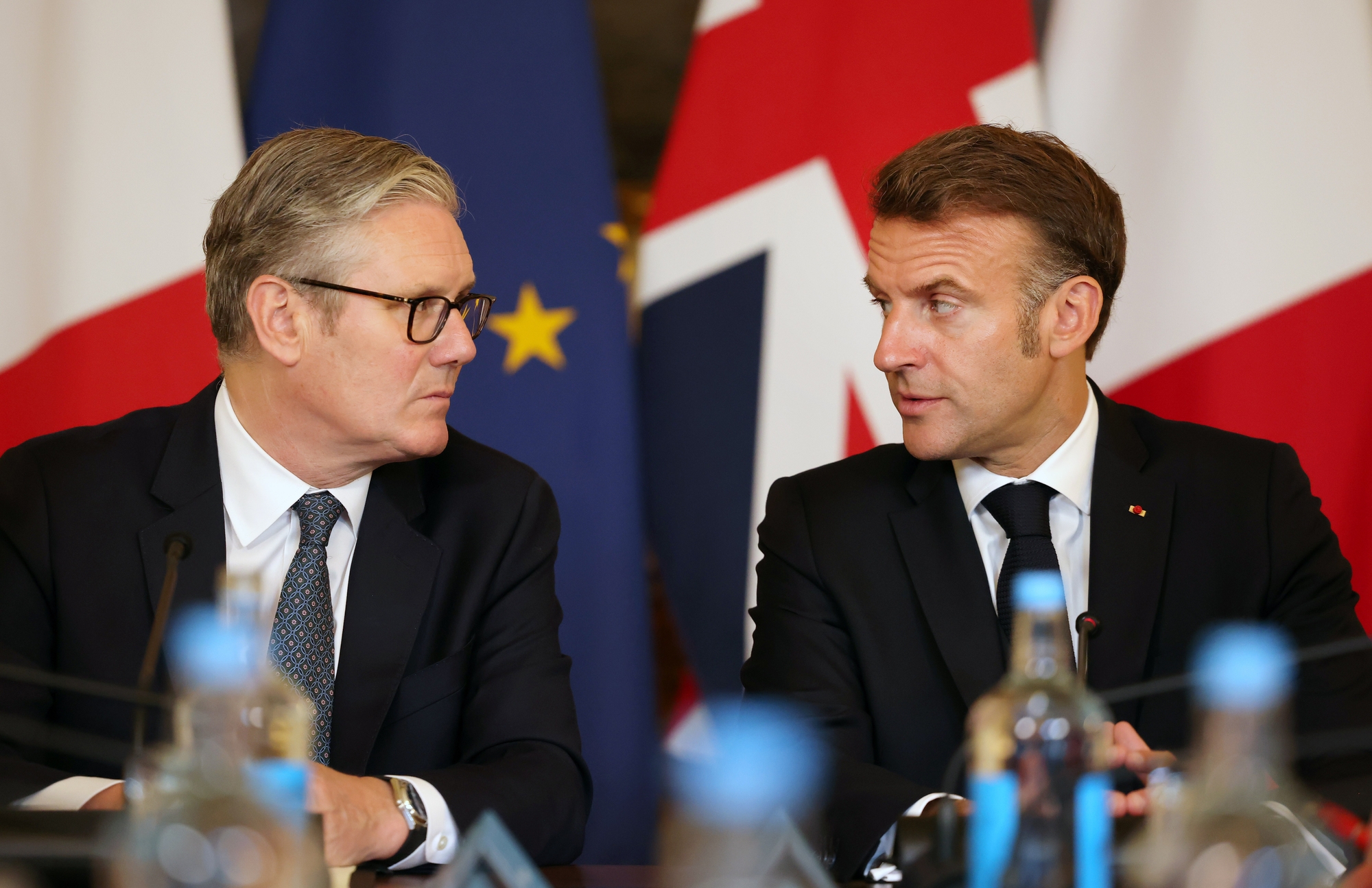
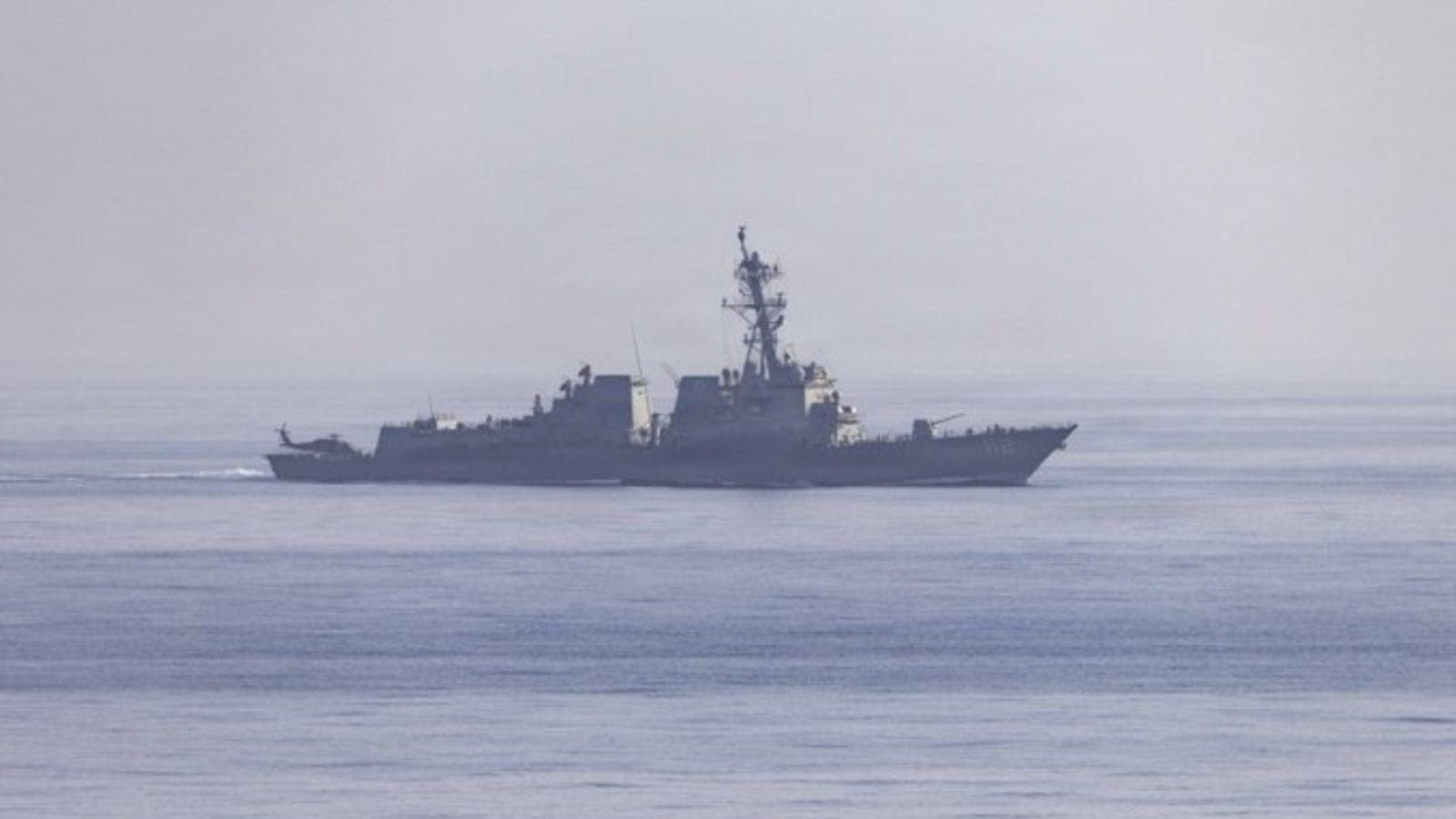
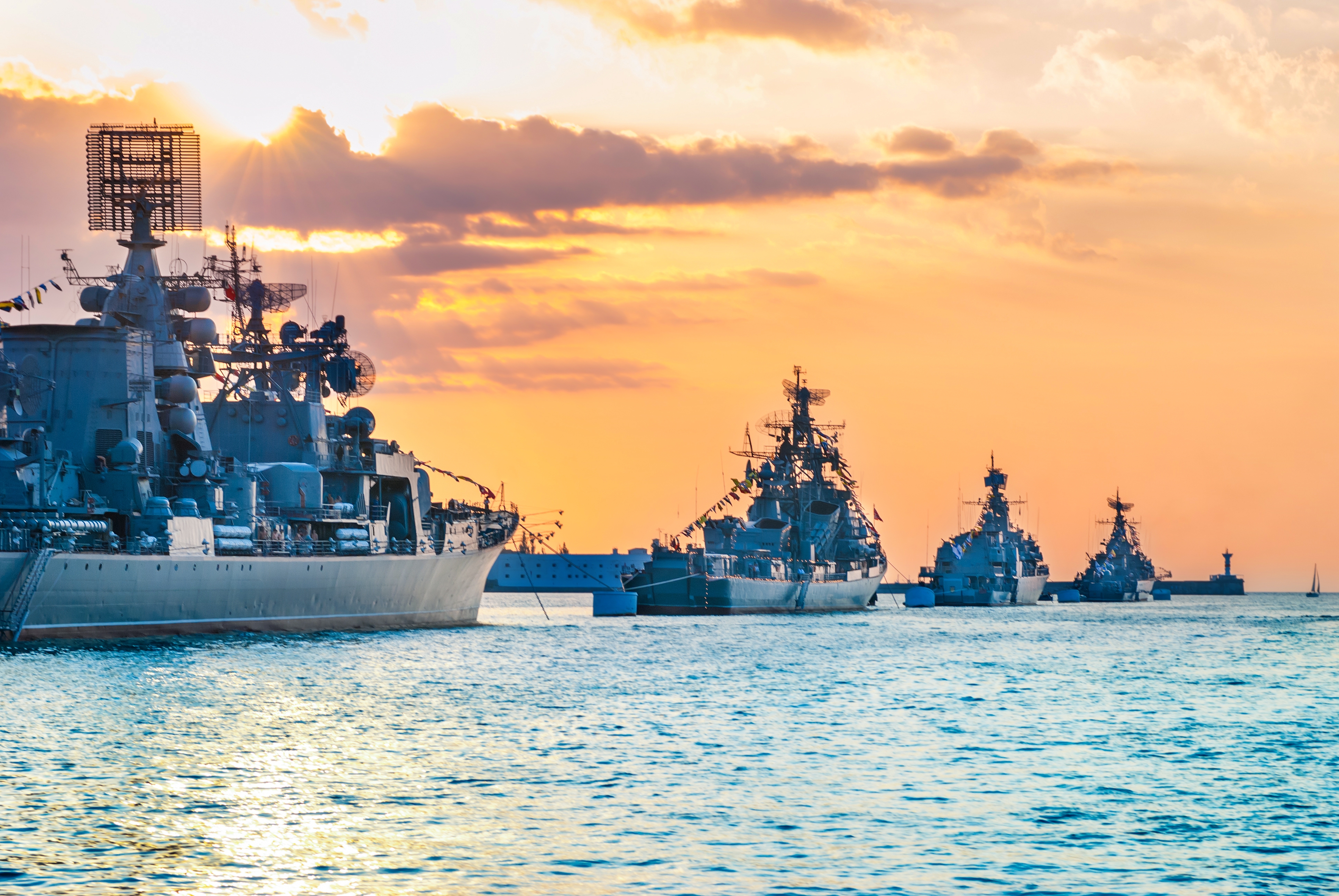
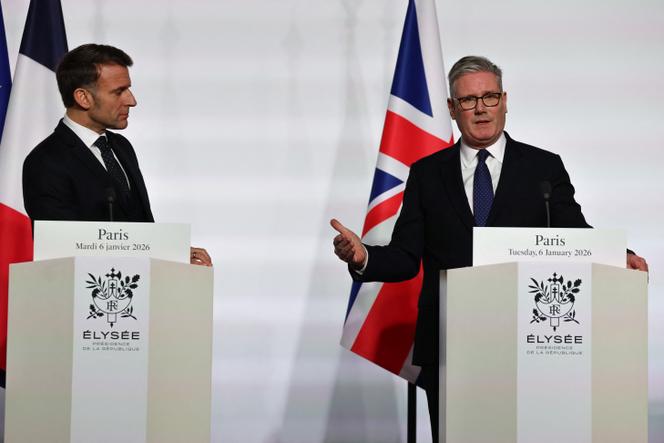
European nations are establishing an independent maritime coalition to restore shipping operations through the Strait of Hormuz, creating a critical window for cross-border e-commerce sellers to optimize supply chain costs. Announced by French President Emmanuel Macron on April 14, 2026, the initiative deploys Europe's 150+ minesweeping vessels—exceeding U.S. capabilities—to clear Iranian sea mines and restore merchant confidence in this critical waterway handling approximately one-third of global maritime trade. The coalition explicitly excludes U.S., Israeli, and Iranian command structures, representing a fundamental shift in transatlantic security coordination that directly impacts logistics costs for sellers routing goods between Asia and Europe.
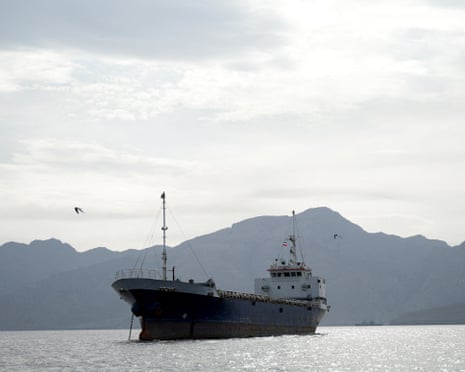
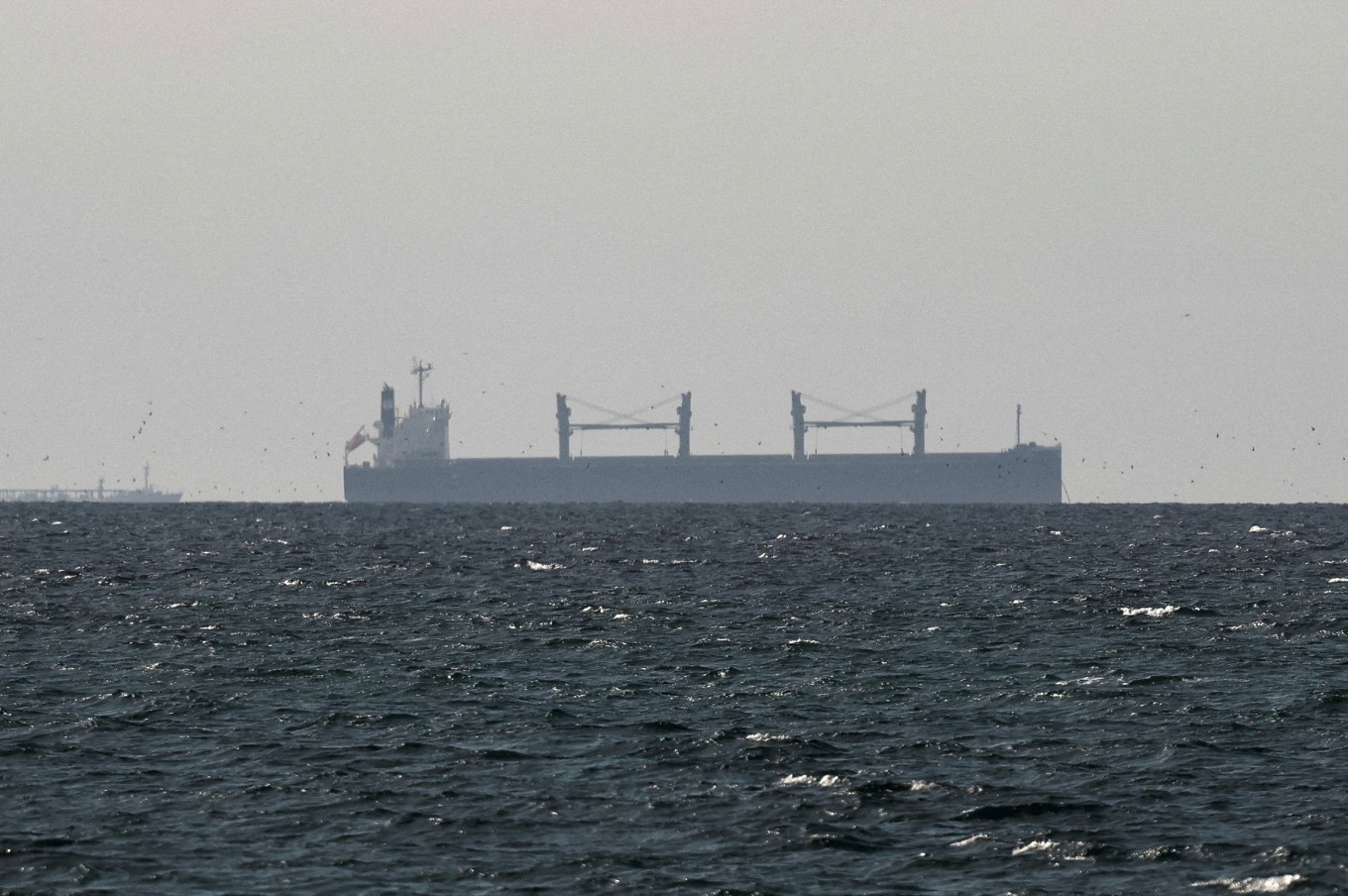
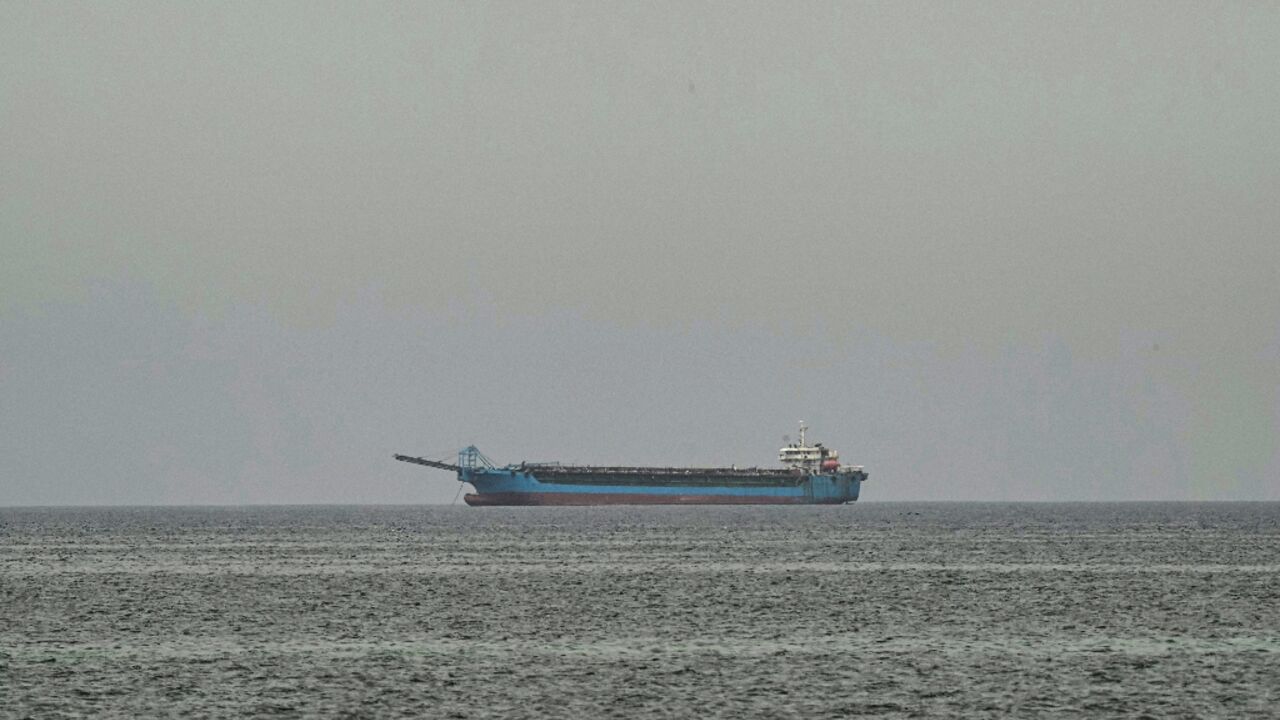
For cross-border e-commerce sellers, this development translates to immediate supply chain optimization opportunities. The Strait of Hormuz currently forces vessels to reroute around Africa, adding 10-14 days to transit times and increasing freight costs by 8-15% compared to direct routing. A successful European-led demining operation could restore direct passage within 12-24 months, reducing shipping delays and insurance premiums for merchants dependent on Middle Eastern or Asian sourcing. Sellers shipping electronics, textiles, machinery, and consumer goods from Vietnam, India, and China to European marketplaces face the highest cost exposure—estimated at $200-400 monthly per 40-foot container in additional freight charges. The geopolitical divergence between European and U.S. strategies creates two competing maritime security frameworks, introducing uncertainty regarding long-term sanctions regimes and customs clearance procedures that sellers must monitor closely.
Strategic sourcing shifts are already underway as sellers hedge against prolonged Hormuz disruptions. The news indicates European policymakers anticipate extended regional tensions, necessitating alternative security arrangements. Sellers currently routing 30-50% of inventory through Hormuz should consider temporary diversification to alternative corridors (Suez Canal, overland routes through Central Asia) while monitoring the European coalition's implementation timeline. Germany's expected participation by Thursday signals broader European commitment despite constitutional constraints on overseas military operations. The European approach prioritizes restoring shipping traffic flow rather than implementing additional restrictions—a favorable signal for sellers compared to Trump's proposed Iranian port blockade, which Macron characterized as operationally unfeasible. Compliance complexity increases during the transition period as sellers navigate dual maritime security frameworks, requiring updated shipping insurance policies and customs documentation procedures for both U.S.-aligned and European-led corridor operations.
Questions 8
How does the European Strait of Hormuz coalition affect shipping costs for cross-border sellers?
The European-led demining operation could reduce shipping costs by 8-15% for sellers routing goods between Asia and Europe by eliminating the 10-14 day Africa reroute currently required due to Iranian sea mines. Current freight premiums add $200-400 monthly per 40-foot container. A successful coalition deployment within 12-24 months would restore direct Hormuz passage, reducing insurance premiums and transit delays. However, sellers should maintain alternative routing options until demining operations are confirmed complete, as the initiative only deploys after hostilities cease—a timeline that remains uncertain.
Which product categories benefit most from restored Hormuz shipping routes?
Electronics, textiles, machinery, and consumer goods from Vietnam, India, and China to European marketplaces see the highest cost exposure from current Hormuz disruptions. High-value, time-sensitive categories (fashion, seasonal goods, perishables) benefit most from reduced transit times. Lower-margin bulk commodities (raw materials, industrial components) experience proportionally larger cost savings from 8-15% freight reductions. Sellers in fast-moving categories should prioritize monitoring the coalition's implementation timeline, as 10-14 day delays directly impact inventory turnover and seasonal selling windows.