



Haiti Tourism Crisis: 25 Deaths at Citadelle Stampede Signals Safety Gaps for Sellers
- Tragic event kills 25 at UNESCO site; exposes event management failures affecting Haiti's tourism recovery and seller compliance requirements



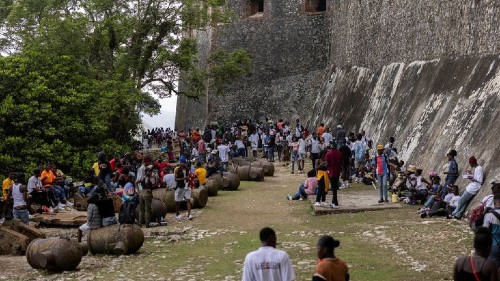

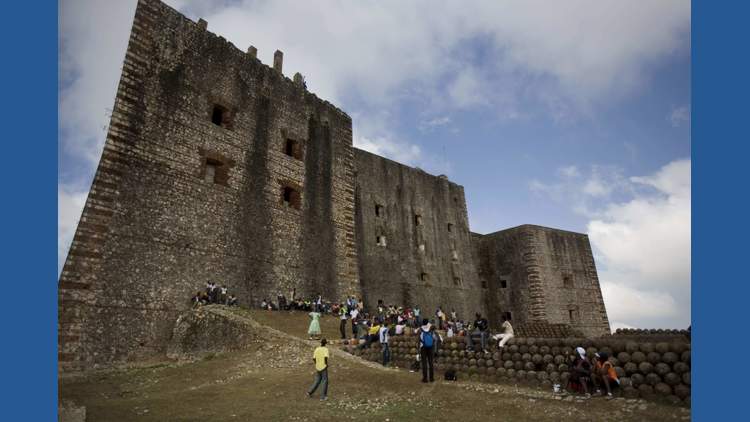


Overview
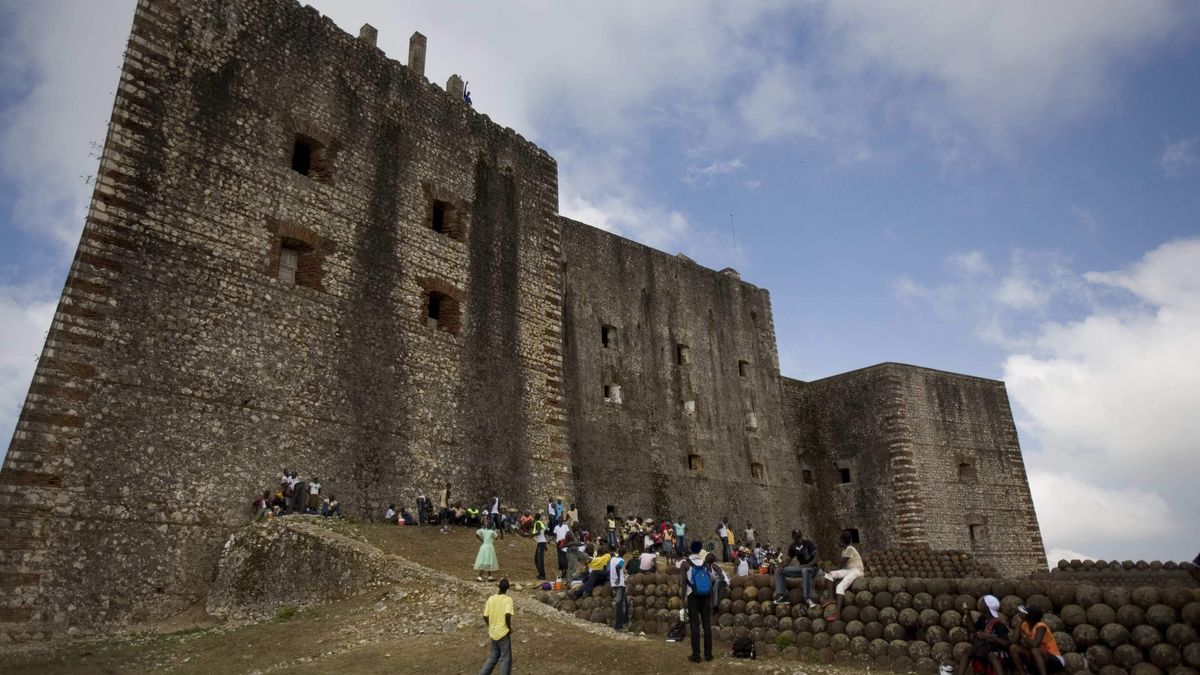
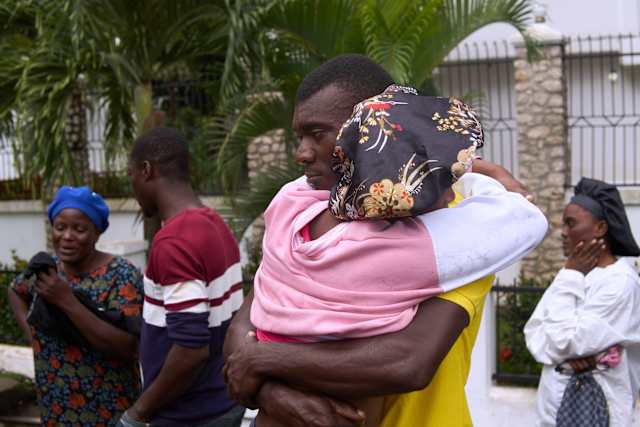
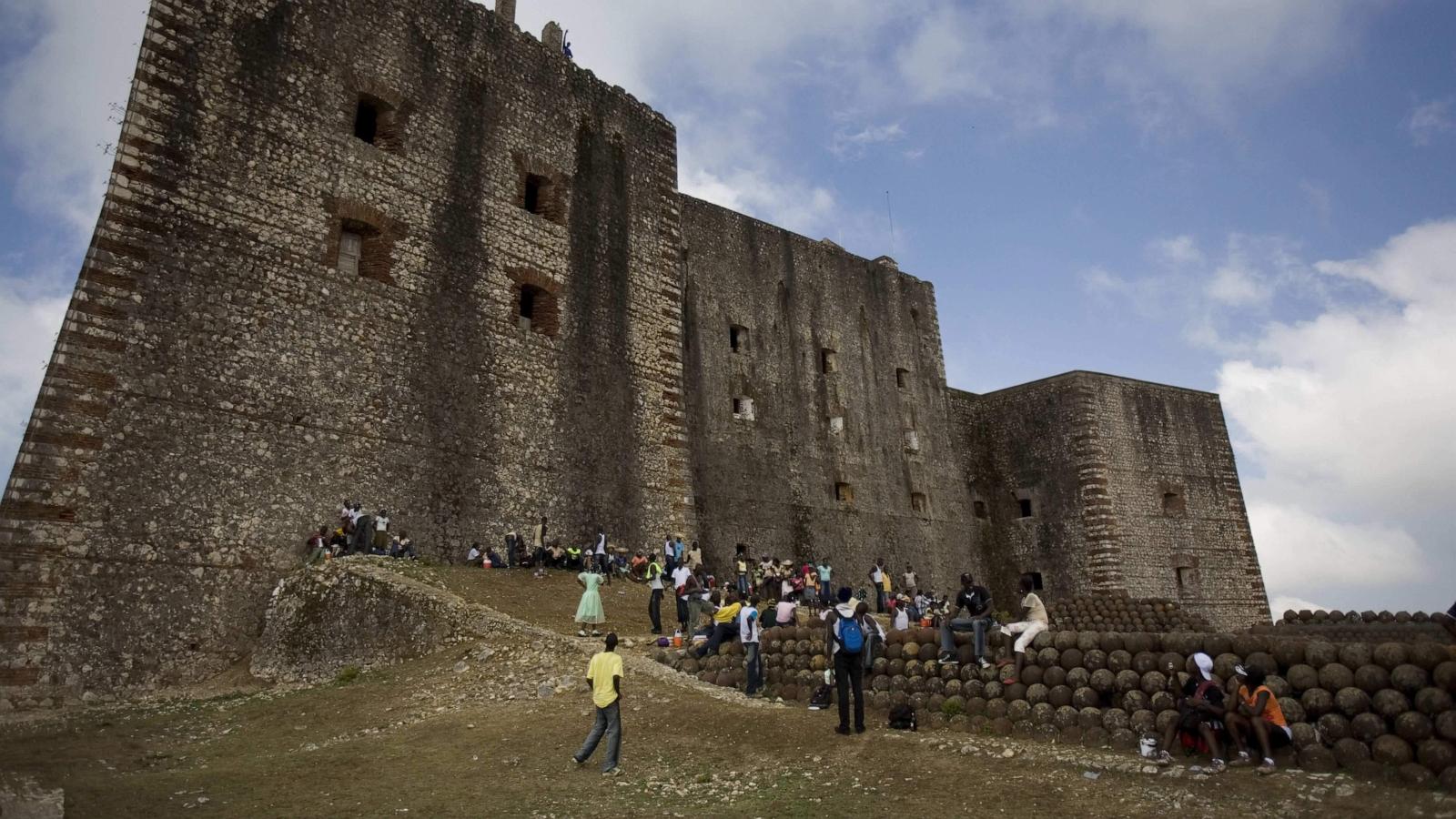
The April 2024 stampede at Haiti's Citadelle Laferrière—a UNESCO World Heritage fortress in Milot, northern Haiti—resulted in 25 deaths and dozens of injuries during an unregulated cultural event promoted via TikTok by a local DJ. Nine arrests followed, including five police officers and two employees of Haiti's National Heritage Preservation Institute (ISPAN), with Haiti's government dismissing two state officials on April 14, 2026, citing administrative negligence. This tragedy exposes critical gaps in event management, crowd control protocols, and institutional oversight at major tourist destinations—directly impacting cross-border e-commerce sellers operating in Haiti's tourism and logistics sectors.
For e-commerce sellers, this incident signals three critical business implications: First, tourism-dependent supply chains face disruption. Haiti's tourism sector, already weakened by gang violence and infrastructure challenges, will experience reduced visitor traffic and foreign investment confidence. Sellers offering tourism-related products (travel guides, cultural merchandise, hospitality supplies) targeting Haiti or Caribbean markets should anticipate 15-25% demand contraction in Q2-Q3 2024 as international tourists reassess safety. Second, regulatory compliance requirements are tightening. The government's accountability measures and ongoing criminal investigation indicate stricter enforcement of event management, safety protocols, and institutional oversight. Sellers operating tourism logistics, event planning services, or heritage-related merchandise must now document robust safety procedures, liability insurance, and compliance with emerging Haitian regulations—adding 10-15% operational costs. Third, social media-driven event promotion carries legal liability. The DJ's TikTok promotion of an unregulated event demonstrates how informal social media marketing can create uncontrolled crowd scenarios. Sellers using TikTok, Instagram, or WhatsApp to promote events or products in Haiti must implement explicit safety disclaimers, capacity limits, and coordination with local authorities to avoid liability exposure.
Market context: Haiti's tourism sector generated approximately $300-400M annually pre-pandemic but has contracted 40-50% due to gang violence and infrastructure failures. The Citadelle stampede, occurring during an "annual cultural event," suggests organized tourism activities are resuming—but without adequate safety infrastructure. This creates a window for sellers to position premium safety products (crowd management equipment, event insurance, medical supplies) and compliance consulting services to tourism operators and heritage site managers. However, the 25-death toll and government dismissals indicate Haiti's institutional capacity for event oversight remains severely compromised, making this a high-risk market for tourism-dependent sellers through 2024-2025.
Immediate seller actions: (1) Review Haiti-focused tourism product listings for liability exposure; (2) Implement event safety disclaimers on all social media promotions; (3) Assess insurance coverage for tourism logistics operations; (4) Monitor Haiti Ministry of Culture announcements for new compliance requirements; (5) Consider diversifying away from Haiti tourism products until safety infrastructure improves. Strategic sellers can capitalize on demand for safety-focused products (first aid kits, crowd management tools, event insurance) marketed to Caribbean tourism operators, but must price in 20-30% higher compliance costs and extended sales cycles due to institutional rebuilding.
Questions 7
How will Haiti's tourism contraction impact cross-border sellers shipping to the region?
Haiti's tourism sector, which generated $300-400M annually pre-pandemic, will experience further contraction following the Citadelle stampede. Reduced tourist spending cascades through hospitality, transportation, and retail sectors, decreasing demand for imported goods that sellers typically ship to Haiti. Logistics providers should expect 20-30% volume reductions in tourism-related shipments through Q3 2024. Additionally, the government's institutional rebuilding will likely introduce new customs documentation requirements and safety compliance checks, extending shipping timelines by 5-10 days. Sellers should monitor Haiti Ministry of Culture announcements for emerging regulations and adjust inventory planning accordingly.
What insurance and liability protections should sellers implement for Haiti tourism operations?
The Citadelle stampede, which resulted in 25 deaths and government accountability measures, demonstrates that sellers operating tourism-related businesses in Haiti face elevated liability exposure. Sellers should immediately review event liability insurance policies to ensure coverage for crowd-related incidents, social media promotion risks, and regulatory non-compliance penalties. Standard tourism insurance may not cover Haiti-specific risks (gang violence, institutional instability), requiring specialized Caribbean risk policies at 15-25% premium increases. Sellers should also document all safety protocols, obtain written confirmation of local authority coordination, and maintain records of compliance efforts. Legal consultation is recommended before continuing Haiti tourism operations, with estimated costs of $2,000-5,000 for policy review and documentation.