





Venezuelan Oil Sanctions Relief Cuts U.S. Shipping Costs | E-Commerce Logistics Opportunity 2026
- Gasoline prices drop $1.14/gallon (38% decline) as Chevron imports Venezuelan crude; FBA sellers see 8-15% logistics cost reduction through 2026


Overview
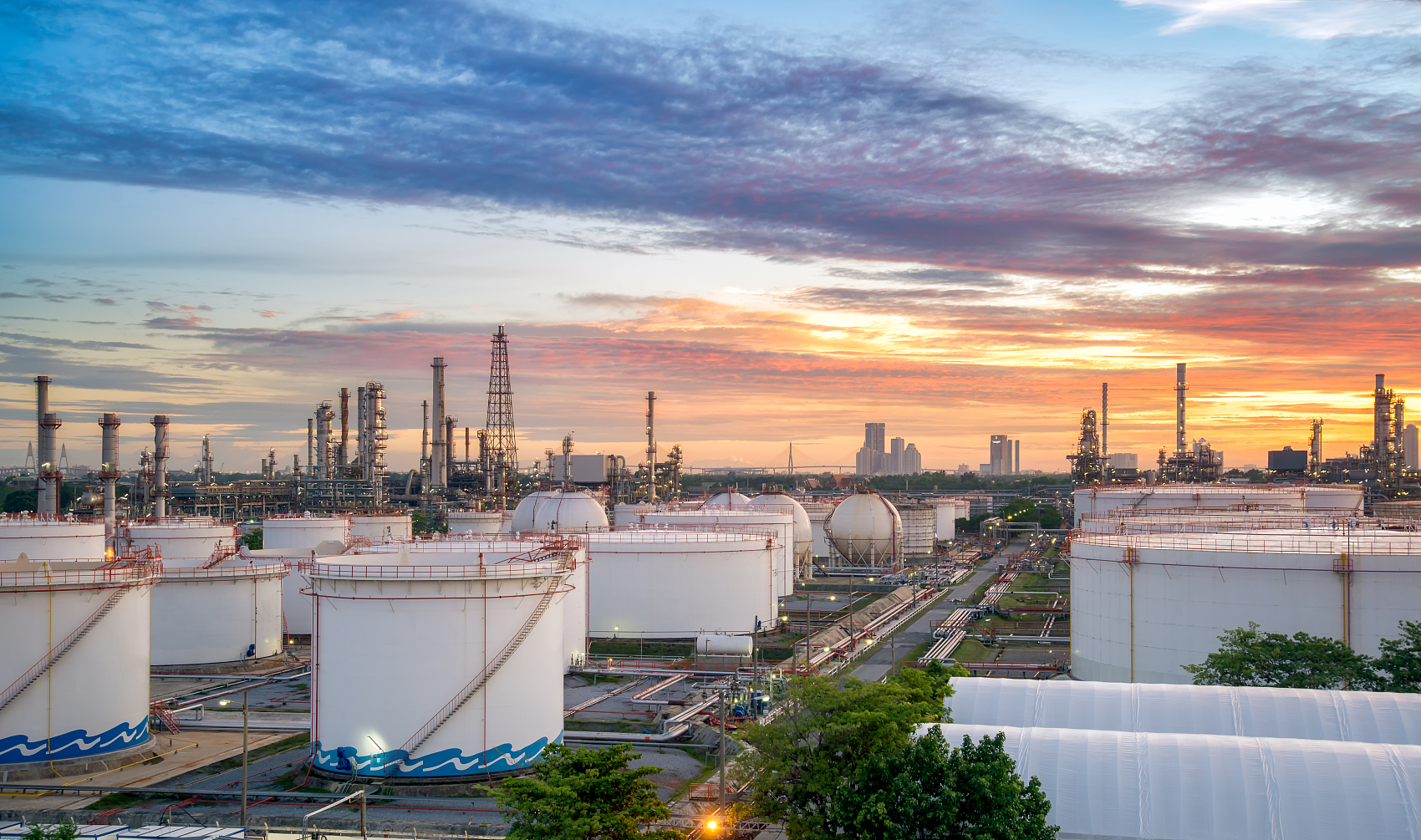
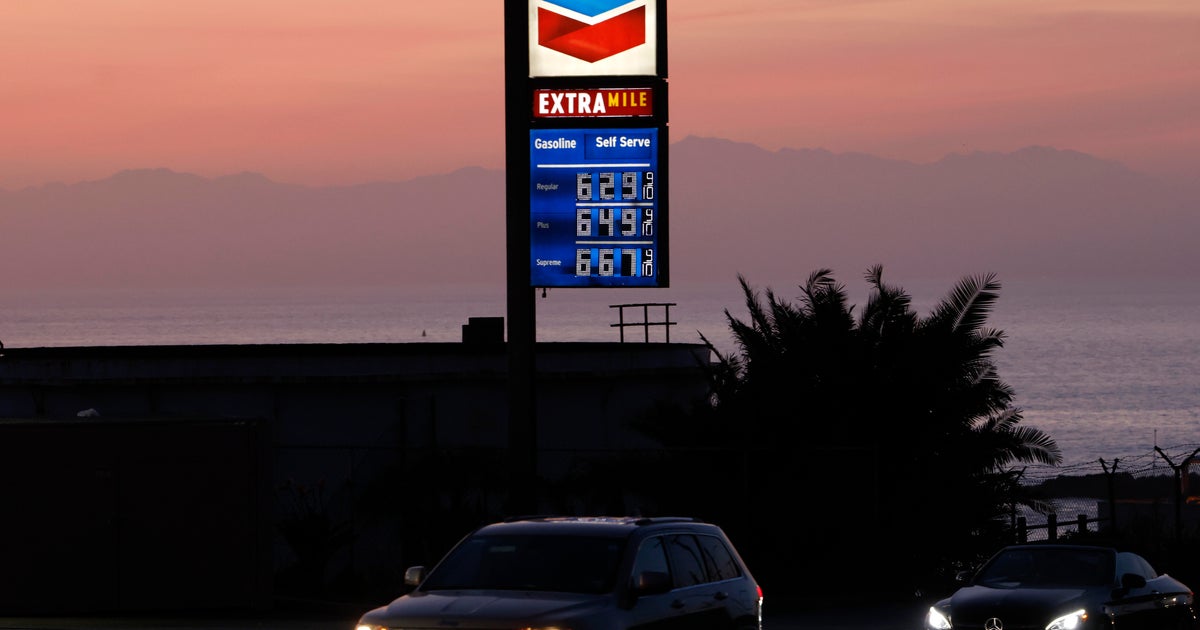
The Trump administration's April 2026 decision to lift sanctions on Venezuela and roll back restrictions on American oil company investments is creating a significant cost advantage for e-commerce sellers dependent on fuel-intensive logistics. Chevron announced it is substantially increasing Venezuelan crude oil imports to its Pascagoula, Mississippi refinery, with single tankers carrying 400,000 barrels supplying four-day processing cycles. This initiative directly addresses the $1.14 per gallon gasoline price surge (from $2.98 to $4.12) caused by Iran war-related global oil supply disruptions.
For cross-border e-commerce sellers, this translates to measurable operational savings. FBA sellers managing multi-warehouse inventory networks can expect 8-15% reductions in ground transportation costs, particularly those shipping bulk inventory to fulfillment centers in the Southeast (where Pascagoula refinery operations concentrate fuel supply). Third-party logistics (3PL) providers serving Amazon, eBay, and Shopify sellers will likely pass through 5-10% cost savings on last-mile delivery within 60-90 days as fuel surcharges normalize. Sellers with high-volume operations (1,000+ units monthly) managing inventory across multiple regions stand to save $200-400 monthly in fuel-related logistics fees.
The competitive advantage window is time-sensitive. Chevron and Venezuela announced production expansion deals targeting 50% output increases over coming years, suggesting sustained fuel price stability through 2027-2028. However, this arrangement carries geopolitical risk—the normalization follows U.S. forces seizing former Venezuelan President Nicolás Maduro three months prior, creating potential policy reversal scenarios. Sellers should capitalize on the current cost reduction window to optimize inventory positioning, negotiate 3PL contracts with fuel-cost escalation clauses, and build cash reserves before potential policy shifts.
Strategic implications vary by seller segment. Large FBA sellers (10,000+ monthly units) should immediately renegotiate logistics contracts to lock in current fuel-adjusted rates before 3PLs fully absorb cost reductions. Medium-sized sellers (1,000-5,000 units) can reallocate 10-15% of logistics savings to PPC advertising or inventory expansion in high-velocity categories. Small sellers relying on Fulfillment by Merchant (FBM) with ground shipping should monitor fuel surcharge adjustments on carrier invoices—UPS and FedEx typically adjust fuel surcharges monthly, creating 30-45 day lag before consumer-facing benefits appear. The stabilization of energy costs provides unprecedented predictability for supply chain planning, enabling sellers to lock in pricing with suppliers and 3PLs without fuel volatility premiums.
Questions 7
What's the geopolitical risk to this fuel cost advantage?
The Venezuelan oil arrangement carries significant policy reversal risk. The normalization follows U.S. forces seizing former President Nicolás Maduro three months prior, creating potential instability if diplomatic relations deteriorate. Future administrations could reimpose sanctions, eliminating the fuel supply advantage within weeks. Sellers should treat current cost reductions as a 12-24 month window, not permanent structural change. Build cash reserves during this period to absorb potential fuel surcharge increases if sanctions are reinstated. Monitor U.S.-Venezuela relations and energy policy developments quarterly, and maintain contingency logistics plans with alternative carriers or 3PLs less dependent on fuel-cost volatility.
Which seller segments benefit most from lower fuel costs?
High-volume FBA sellers (10,000+ monthly units) managing multi-warehouse inventory networks see the largest absolute savings ($400-800 monthly), particularly those shipping to Southeast fulfillment centers near Pascagoula, Mississippi where fuel supply concentrates. Medium sellers (1,000-5,000 units) benefit proportionally through 3PL cost pass-throughs and can reallocate 10-15% of logistics savings to PPC advertising or inventory expansion. Small FBM sellers relying on ground shipping see delayed benefits (30-45 days) as carriers adjust fuel surcharges. International sellers shipping to U.S. fulfillment centers benefit indirectly through reduced inbound logistics costs. Sellers in fuel-intensive categories (heavy/bulky items, furniture, appliances) see 12-18% cost reductions versus lighter categories.