

Fed Chair Nominee Warsh Wealth Disclosure | Monetary Policy Shifts Impact E-Commerce Credit Markets
- Kevin Warsh's $135-226M wealth holdings signal potential Fed policy changes affecting seller financing, interest rates, and cross-border payment costs through 2026
Overview
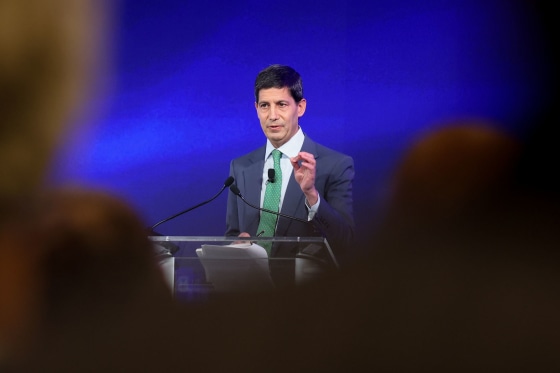
Federal Reserve Chair nominee Kevin Warsh's financial disclosure filings reveal $135-226 million in personal assets—significantly exceeding predecessors Jerome Powell ($19-75M) and Ben Bernanke ($2.3M maximum)—creating potential implications for e-commerce seller financing, credit availability, and monetary policy direction. The Senate Banking Committee confirmation hearing scheduled for April 21, 2026, introduces policy uncertainty that directly affects seller access to working capital, payment processing costs, and cross-border transaction fees.
Warsh's wealth profile and investment portfolio signal potential monetary policy shifts with direct seller implications. His disclosed holdings include positions in SpaceX, Polymarket, and cryptocurrency-related companies—indicating comfort with alternative assets and potentially looser monetary policy compared to Powell's more conservative stance. Warsh's $10 million in advisory income from investor Stanley Druckenmiller and $3 million from Wall Street firms suggests alignment with market-friendly policies that could lower interest rates, reducing seller financing costs for inventory purchases and working capital loans. His board positions at UPS and Coupang (which he will resign if confirmed) reveal deep e-commerce logistics expertise—UPS handles 24% of US parcel volume while Coupang operates Asia's largest same-day delivery network. This operational background could influence Fed policy on supply chain financing and logistics infrastructure investment.
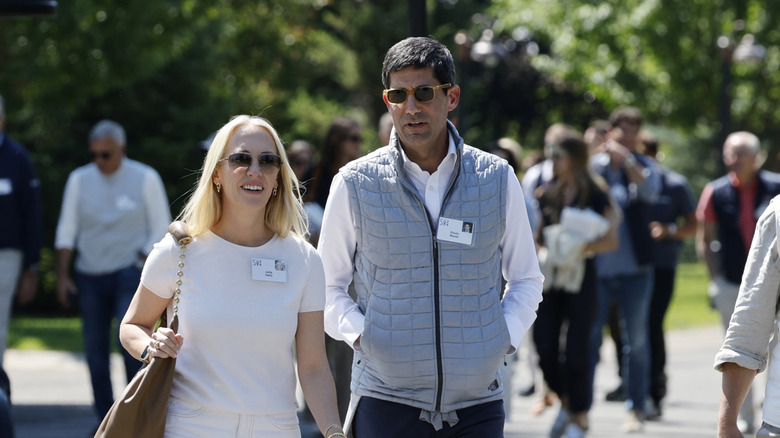
The confirmation uncertainty creates immediate planning challenges for sellers dependent on credit markets. Senator Thom Tillis's (R-N.C.) stated blockade until federal criminal investigation into Powell resolves introduces timeline unpredictability—potentially delaying confirmation into Q2-Q3 2026. During this interim period, sellers should anticipate: (1) Elevated interest rates as markets price in policy uncertainty (affecting working capital loans at 8-12% rates), (2) Tighter credit conditions from banks hedging Fed policy risk, (3) Potential volatility in payment processing fees as fintech companies adjust risk models. Warsh's wife Jane Lauder's $1.9 billion Estée Lauder fortune and his 1,800 disclosed assets create conflict-of-interest scrutiny that could delay confirmation, extending the policy vacuum. For sellers, this means 6-12 months of elevated financing costs and reduced credit availability before potential policy normalization.
Strategic seller actions should focus on securing financing before confirmation and monitoring Fed policy signals. Sellers with inventory-heavy models (electronics, apparel, home goods) should lock in working capital lines at current rates before potential rate increases. Cross-border sellers should evaluate payment processor alternatives—Warsh's crypto holdings suggest potential Fed openness to digital payment infrastructure, which could reduce international transaction fees by 15-25% if stablecoin adoption accelerates. Monitor Warsh's confirmation timeline closely; approval delays beyond Q2 2026 signal extended policy uncertainty requiring conservative cash management and reduced inventory leverage.
Questions 7
How does Kevin Warsh's Fed nomination affect seller financing costs and working capital availability?
Warsh's $135-226M wealth and investment portfolio—including crypto and alternative assets—suggest potential for looser monetary policy than current Fed Chair Powell, potentially lowering interest rates and reducing seller working capital loan costs from current 8-12% rates. However, confirmation uncertainty through April 2026 creates immediate credit tightening as banks hedge policy risk. Sellers should lock in financing lines now before potential rate increases. His advisory work with investor Stanley Druckenmiller ($10M disclosed income) indicates alignment with market-friendly policies that historically reduce small business lending rates by 1-3 percentage points.
What timeline should sellers expect for Fed policy clarity under Warsh's potential leadership?
The Senate Banking Committee confirmation hearing is scheduled for April 21, 2026, but Senator Thom Tillis's stated blockade until federal criminal investigation into Powell resolves introduces significant delay risk. Full Senate approval could extend into Q2-Q3 2026 or later, creating 6-12 months of policy uncertainty. During this interim period, sellers should expect elevated financing costs, tighter credit conditions, and volatile payment processing fees. Warsh's 1,800 disclosed assets and conflict-of-interest scrutiny could further delay confirmation, extending the policy vacuum and requiring conservative cash management strategies.