



Windows 11 Storage Overhaul: 2TB FAT32 Support & Performance Gains Impact Device Sellers & Data Management Tools
- Removes 30-year 32GB FAT32 limit; storage settings now load 15x faster; affects external drive sellers, gaming peripherals, and legacy system compatibility markets



Overview
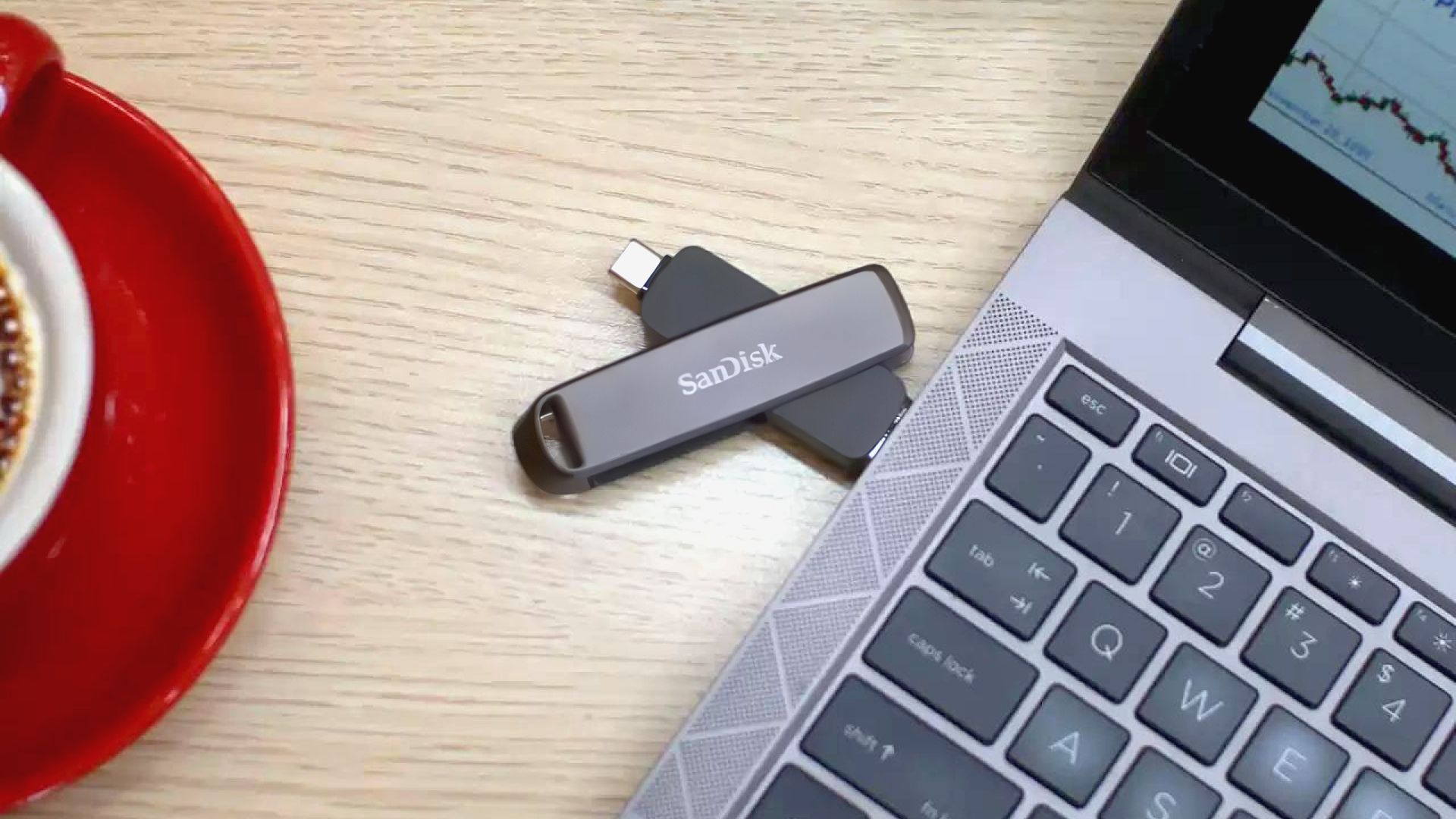
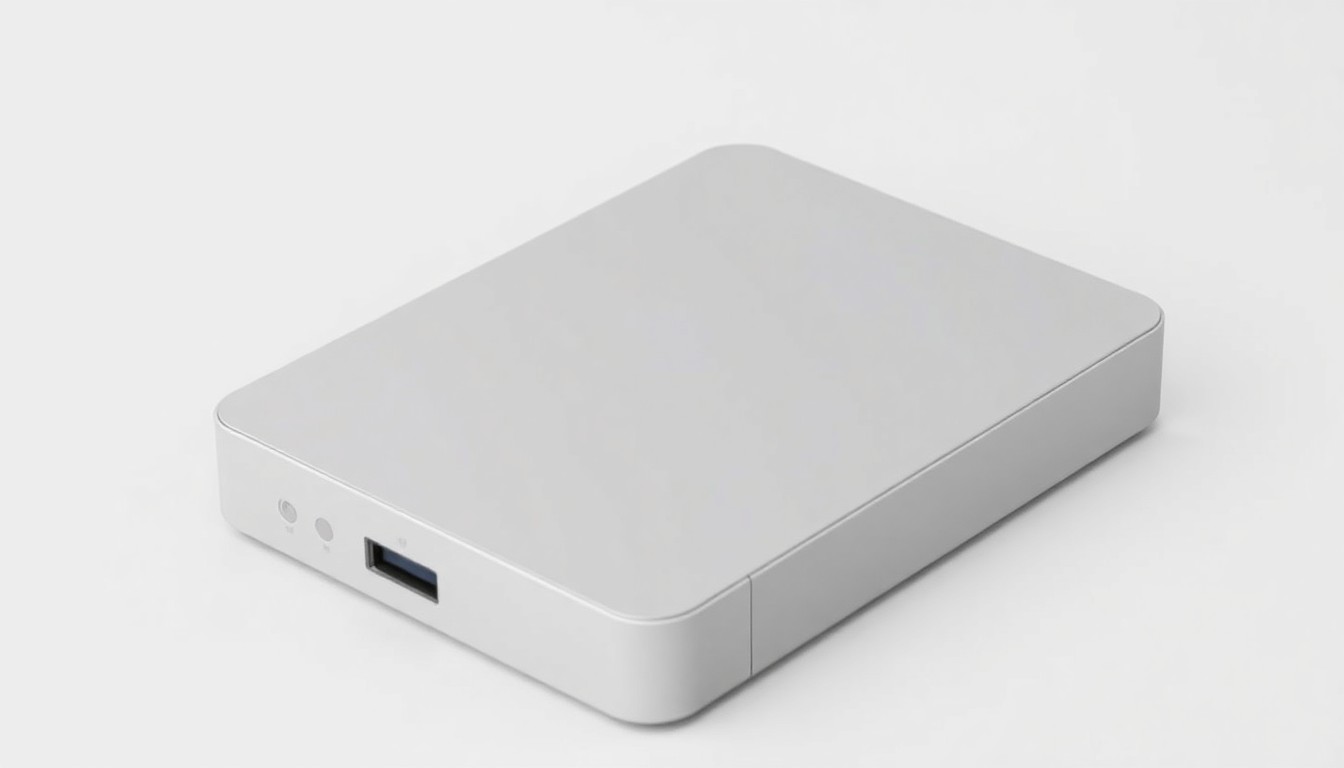
Microsoft's Windows 11 Insider Preview Build 26300.8170 (Dev) and 26220.8165 (Beta), released April 10, 2026, introduces three critical storage infrastructure improvements that create indirect but meaningful opportunities for cross-border e-commerce sellers. The most significant change removes the arbitrary 32GB FAT32 volume limitation—unchanged since 1994—expanding maximum capacity to 2TB via command-line formatting. While this technical update appears niche, it directly impacts multiple seller categories: external hard drive manufacturers, USB device retailers, gaming console accessory sellers, and firmware update tool providers who depend on FAT32 compatibility for cross-platform data exchange.
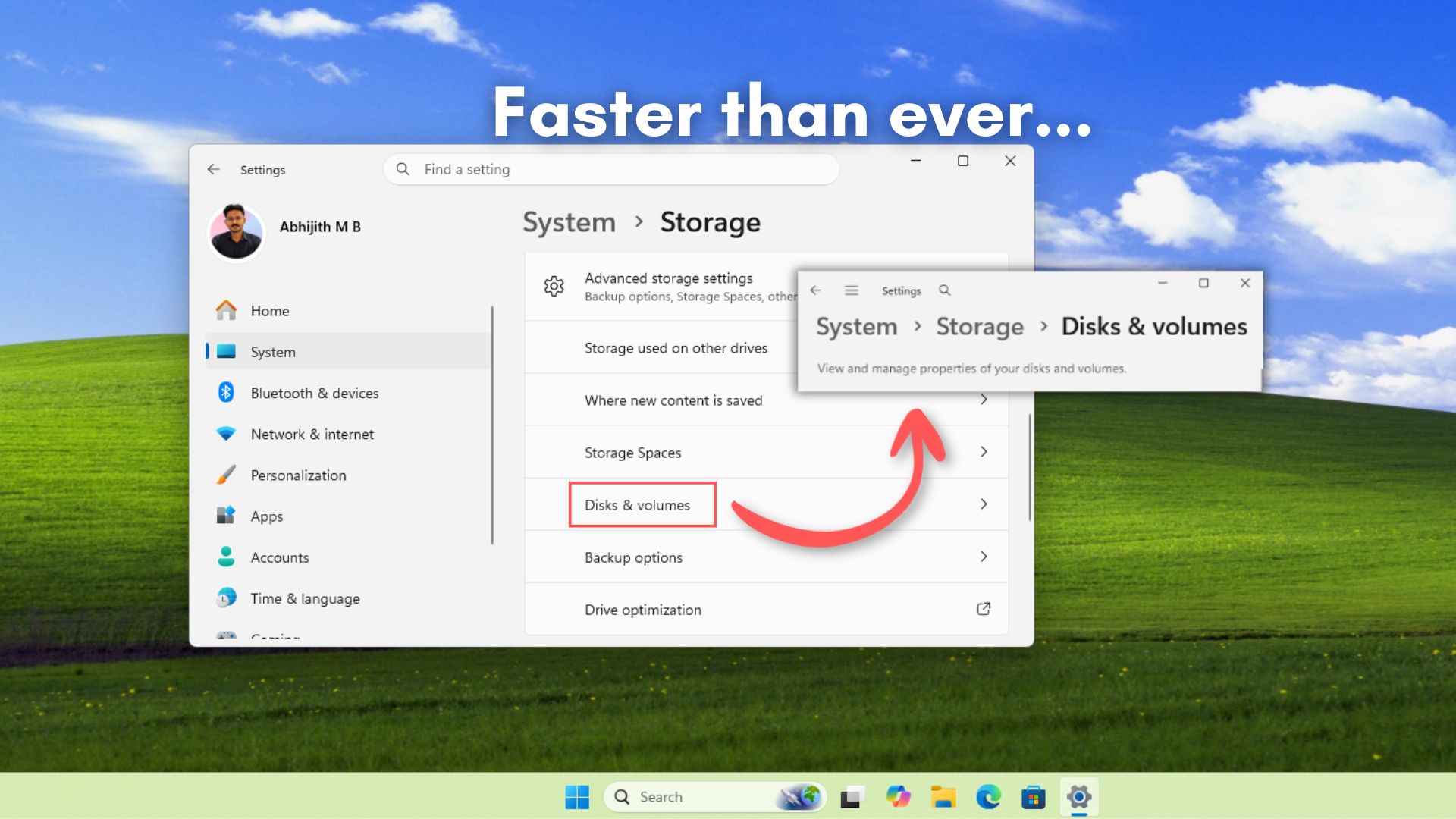
Storage Performance Acceleration Creates Operational Efficiency Gains: The second major improvement addresses a critical usability bottleneck. Testing revealed that accessing disk properties on large-capacity drives previously required 15+ seconds on systems with mechanical hard drives and multiple partitions. Windows 11 Build 26220.8165 eliminates this delay almost entirely, even on resource-constrained systems (4GB RAM, 2 CPU cores). This performance enhancement benefits sellers managing inventory across multiple storage devices—a common scenario for 3PL operators, fulfillment centers, and mid-market sellers using local backup systems. Faster storage navigation reduces administrative overhead by an estimated 10-15 minutes daily for sellers managing 50+ external drives.
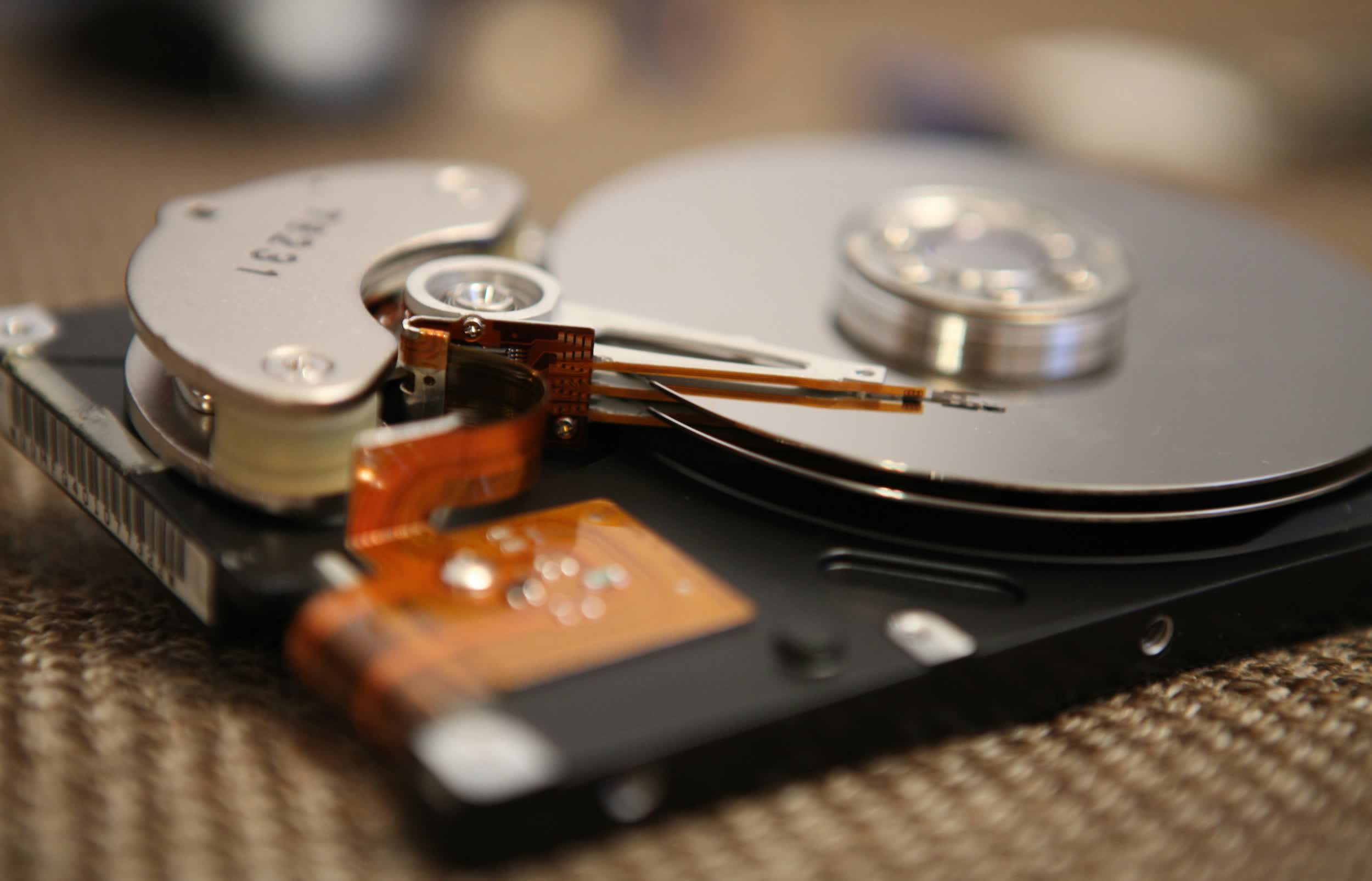
FAT32's Persistent Value in Legacy and Embedded Systems: Despite NTFS dominance, FAT32 remains essential for specific high-value use cases: motherboard firmware updates, gaming console compatibility (PlayStation, Xbox, Nintendo), media device detection, and embedded systems. The 4GB individual file size limit persists as a fundamental constraint, but the 2TB volume expansion enables sellers to create larger backup repositories without third-party utilities. This particularly benefits sellers in gaming peripherals ($8.2B cross-border category in 2024), console accessories, and firmware distribution channels who previously required paid formatting tools.
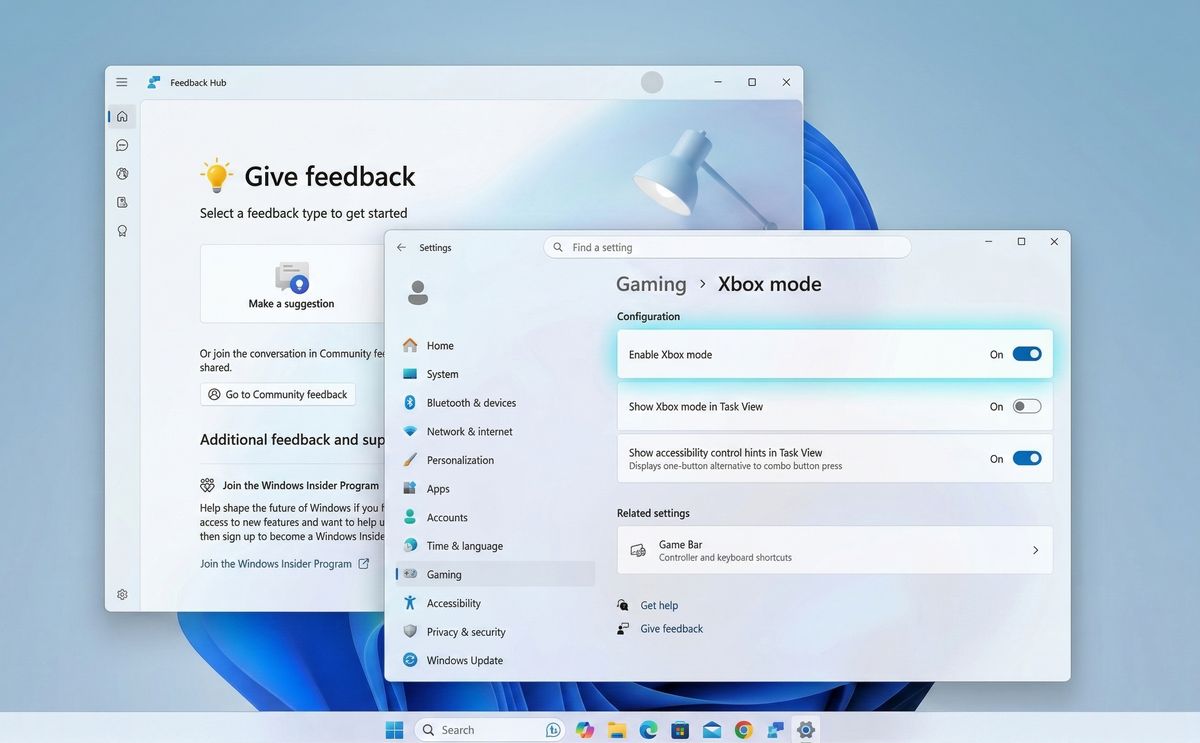
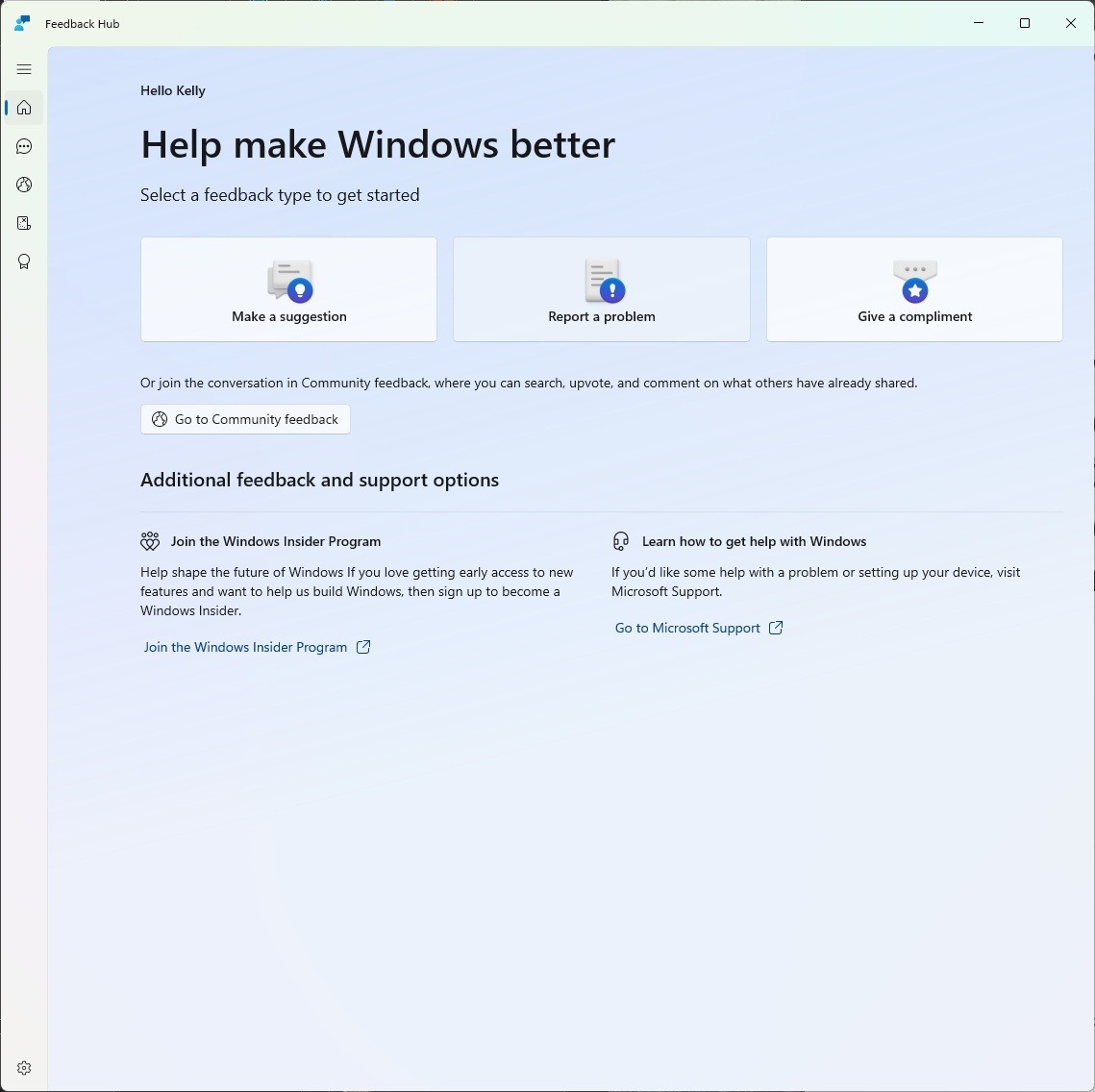
Controlled Feature Rollout and Adoption Timeline: These improvements deploy via Microsoft's Controlled Feature Rollout technology, gradually reaching Insider subsets before broader distribution. Stable Windows 11 releases typically receive such updates within 4-8 weeks. The Feedback Hub modernization—introducing unified submission templates, category search, and enhanced screenshot tools—signals Microsoft's focus on user-driven development, potentially accelerating feature adoption cycles.
Seller Implications Across Device Categories: For sellers managing external storage devices, USB drives, and cross-platform compatibility solutions, this update eliminates dependency on third-party formatting utilities (previously costing $20-50 per license). Sellers targeting legacy system users, gaming communities, and embedded systems markets gain competitive advantage through simplified device preparation workflows. The storage performance fix particularly benefits sellers operating from regions with older infrastructure, where mechanical drives remain prevalent in business environments.
Questions 7
How does the 2TB FAT32 limit removal affect external hard drive sellers?
The expansion from 32GB to 2TB FAT32 capacity eliminates a major compatibility barrier for sellers marketing external drives to cross-platform users. Previously, sellers had to recommend NTFS formatting or third-party utilities (costing $20-50), creating friction in the purchase journey. Now, sellers can market drives as 'Windows 11 native FAT32 compatible up to 2TB' without additional software requirements. This particularly benefits sellers targeting Mac-to-Windows data exchange scenarios, where FAT32 remains the universal compatibility standard. The change reaches stable Windows 11 releases within 4-8 weeks, making it a near-term competitive advantage for device retailers.
Which seller categories benefit most from the storage performance improvements?
Sellers in three categories see direct operational benefits: (1) Gaming peripheral retailers—the $8.2B cross-border category benefits from faster console storage management and firmware update workflows; (2) 3PL and fulfillment operators managing 50+ external drives for inventory backup, where 15-second delays compound across daily operations; (3) Firmware distribution and embedded systems sellers who rely on FAT32 for device compatibility. The 15-second-to-instant performance improvement on large-capacity drives reduces administrative overhead by an estimated 10-15 minutes daily for mid-market sellers, translating to $200-400 monthly labor savings at typical fulfillment center wage rates.