

Colombia's Hippo Cull Creates Tourism Merchandise Crisis | Seller Opportunity in Wildlife-Themed Products
- 80-hippo culling plan threatens $2M+ annual merchandise revenue stream; opens niche market for ethical wildlife education products and animal welfare advocacy merchandise




)





)



:focal(4128x2752:4129x2753)/https://tf-cmsv2-smithsonianmag-media.s3.amazonaws.com/filer_public/51/47/5147e0bc-1da5-4a70-9037-a55a7442ab90/hippo.jpg)

)


Overview
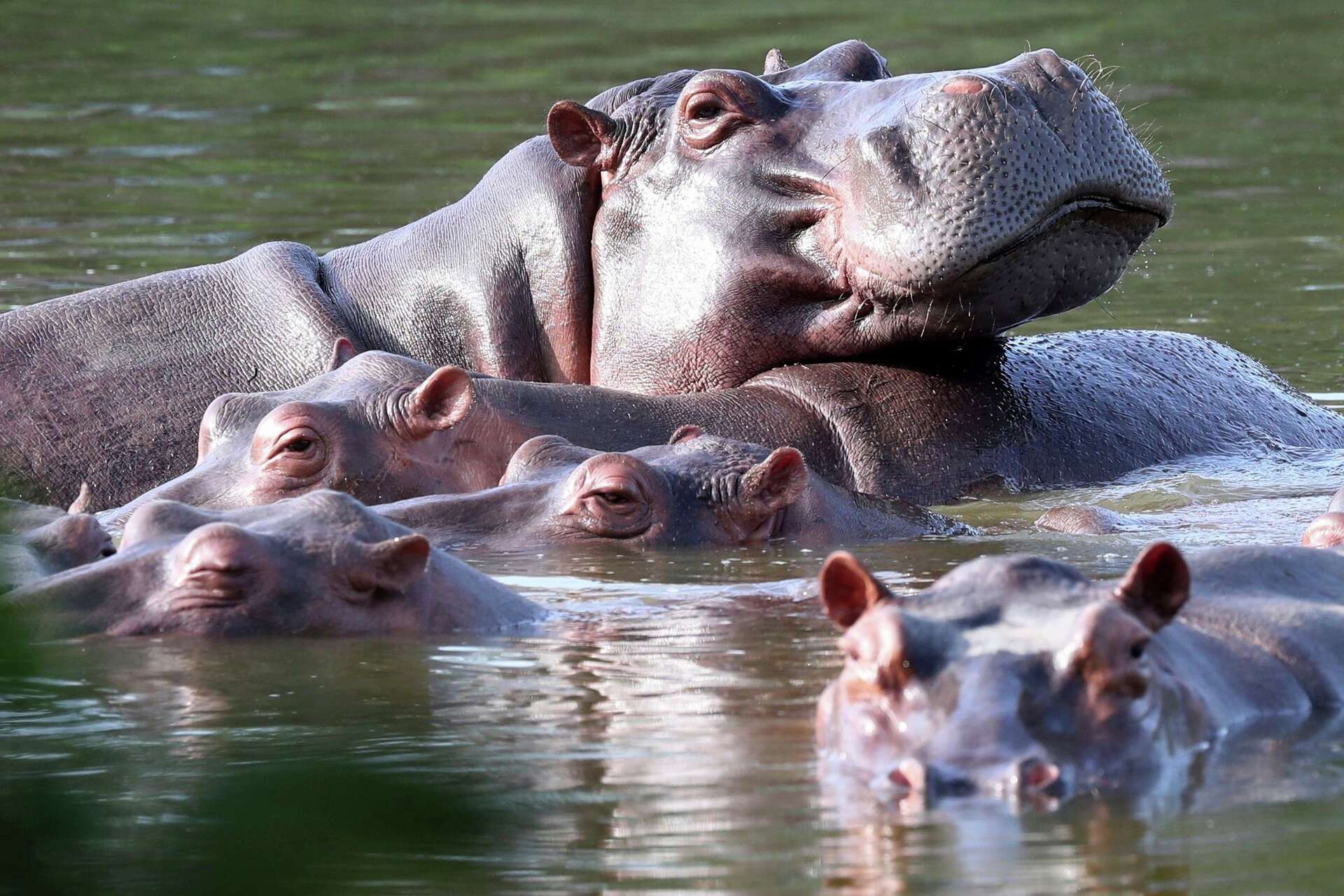
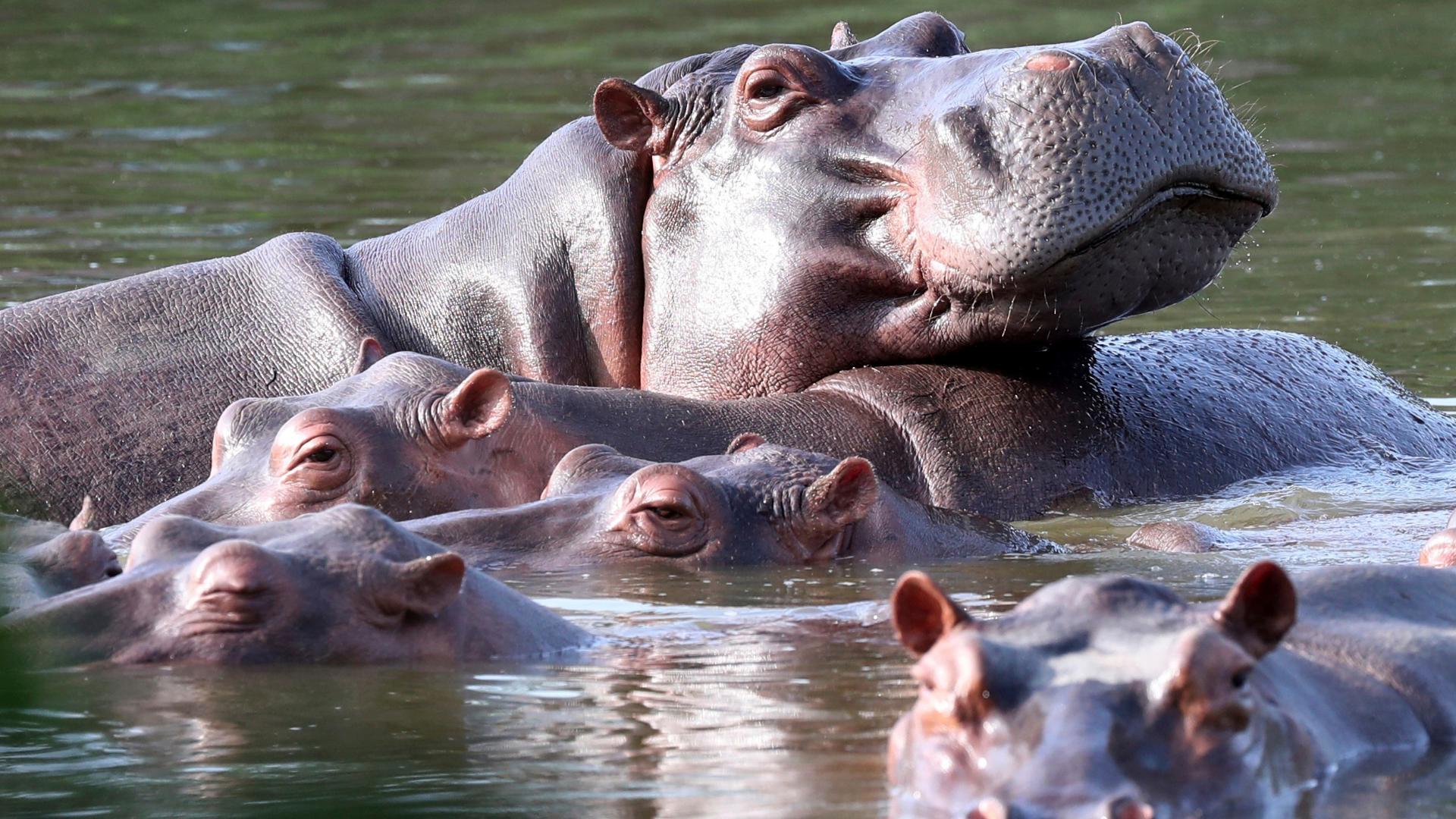
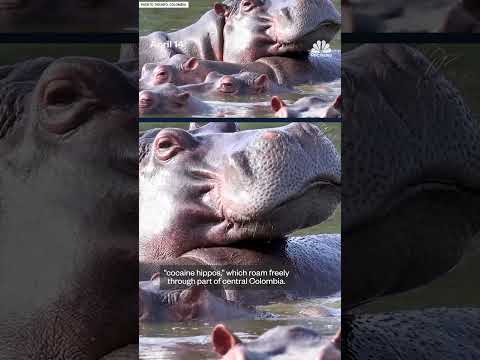
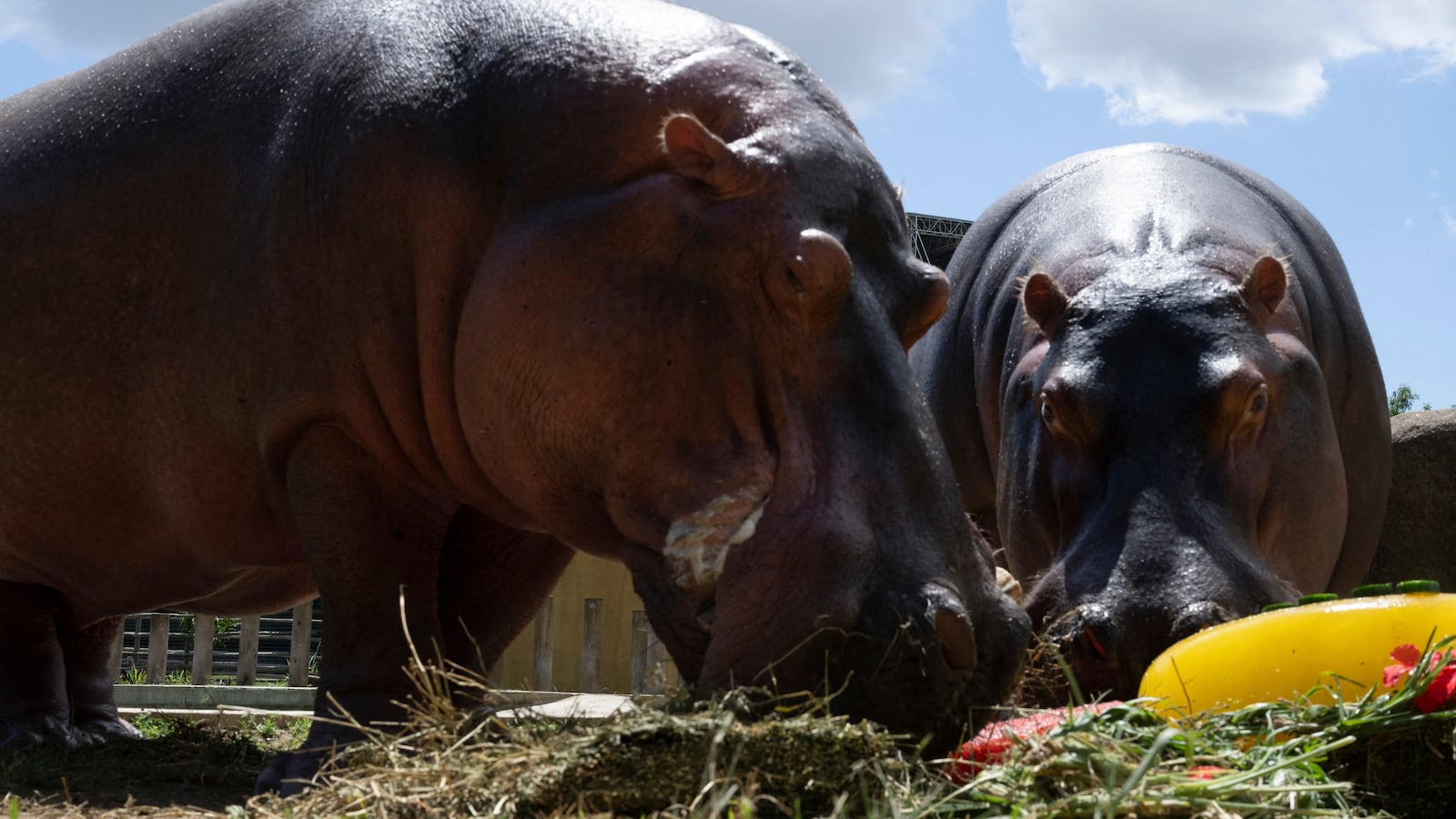
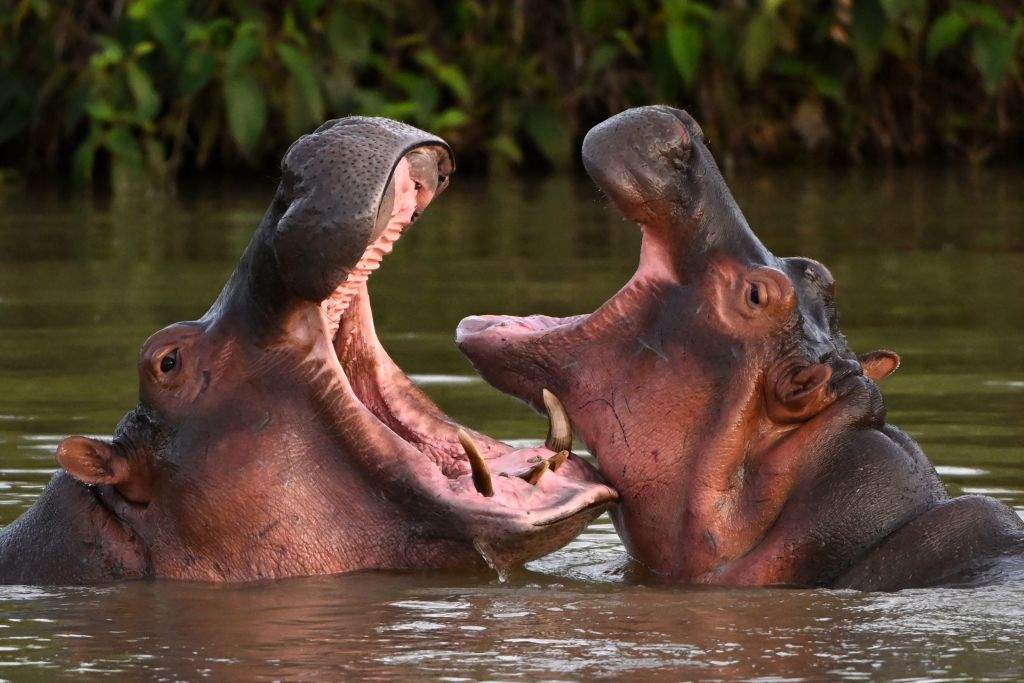
Colombia's April 2026 government decision to cull up to 80 hippopotamuses from the Magdalena River basin represents a critical inflection point for sellers operating in the wildlife tourism and animal merchandise sectors. Environment Minister Irene Vélez Torres announced a $1.68 million USD culling program scheduled for H2 2026, directly impacting the economic model of Hacienda Nápoles theme park—where hippo tours and merchandise sales generate substantial local income. This creates a dual e-commerce opportunity: immediate disruption in existing hippo-branded merchandise categories, and emerging demand for animal welfare advocacy products.
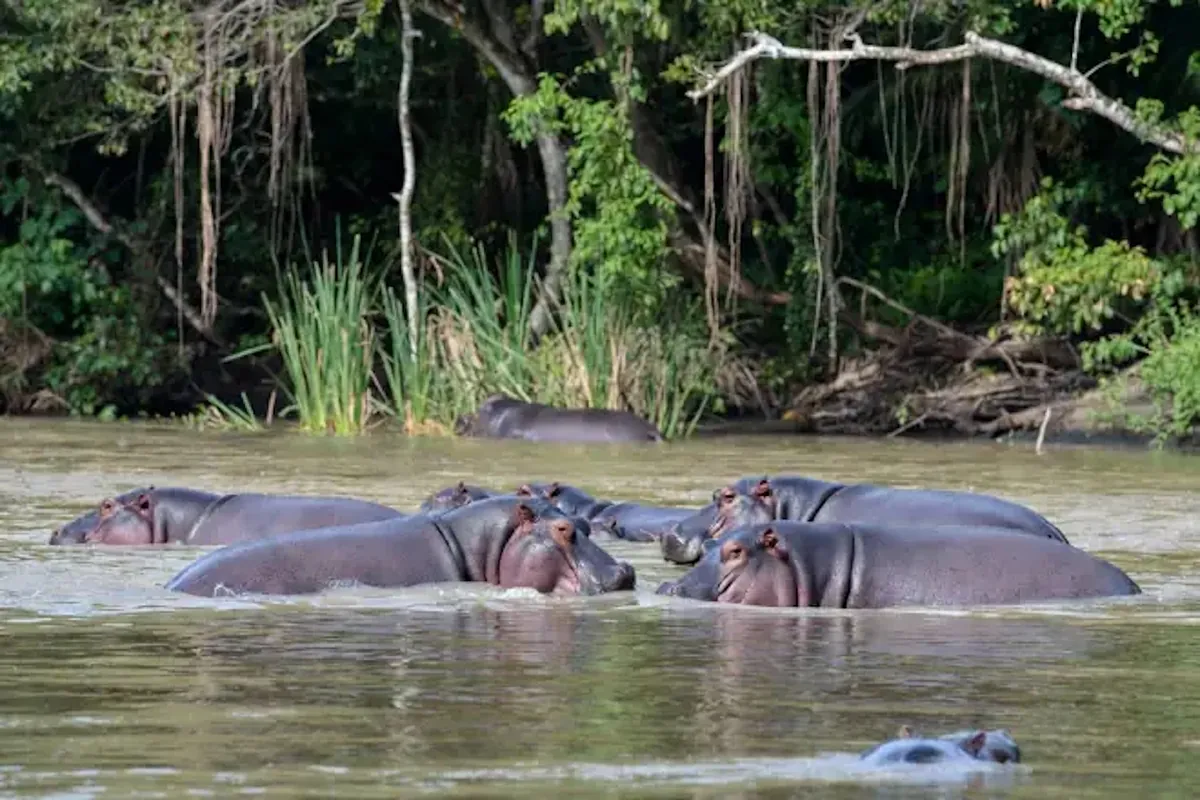
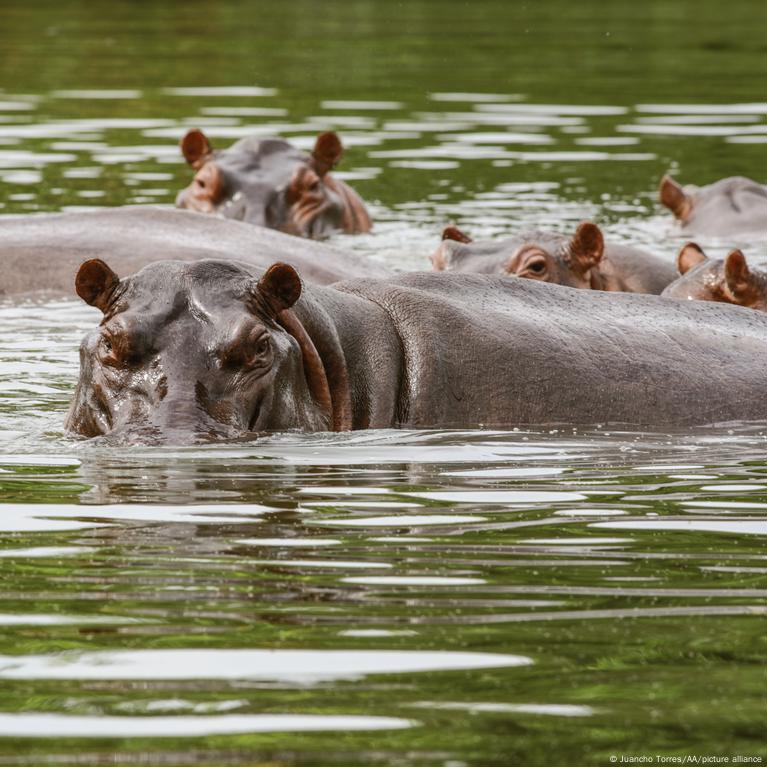
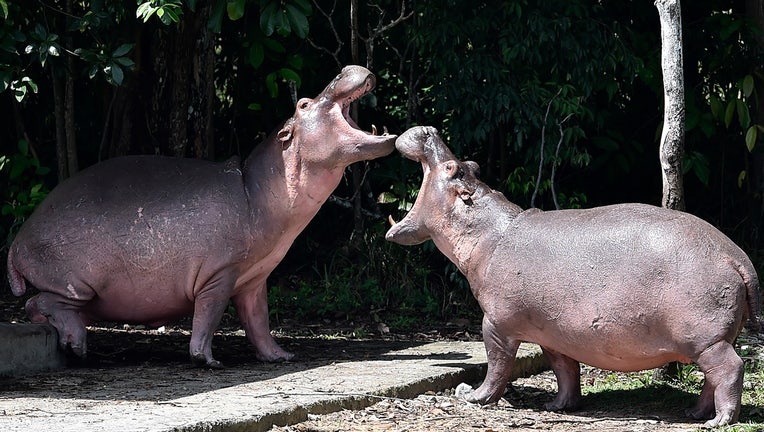
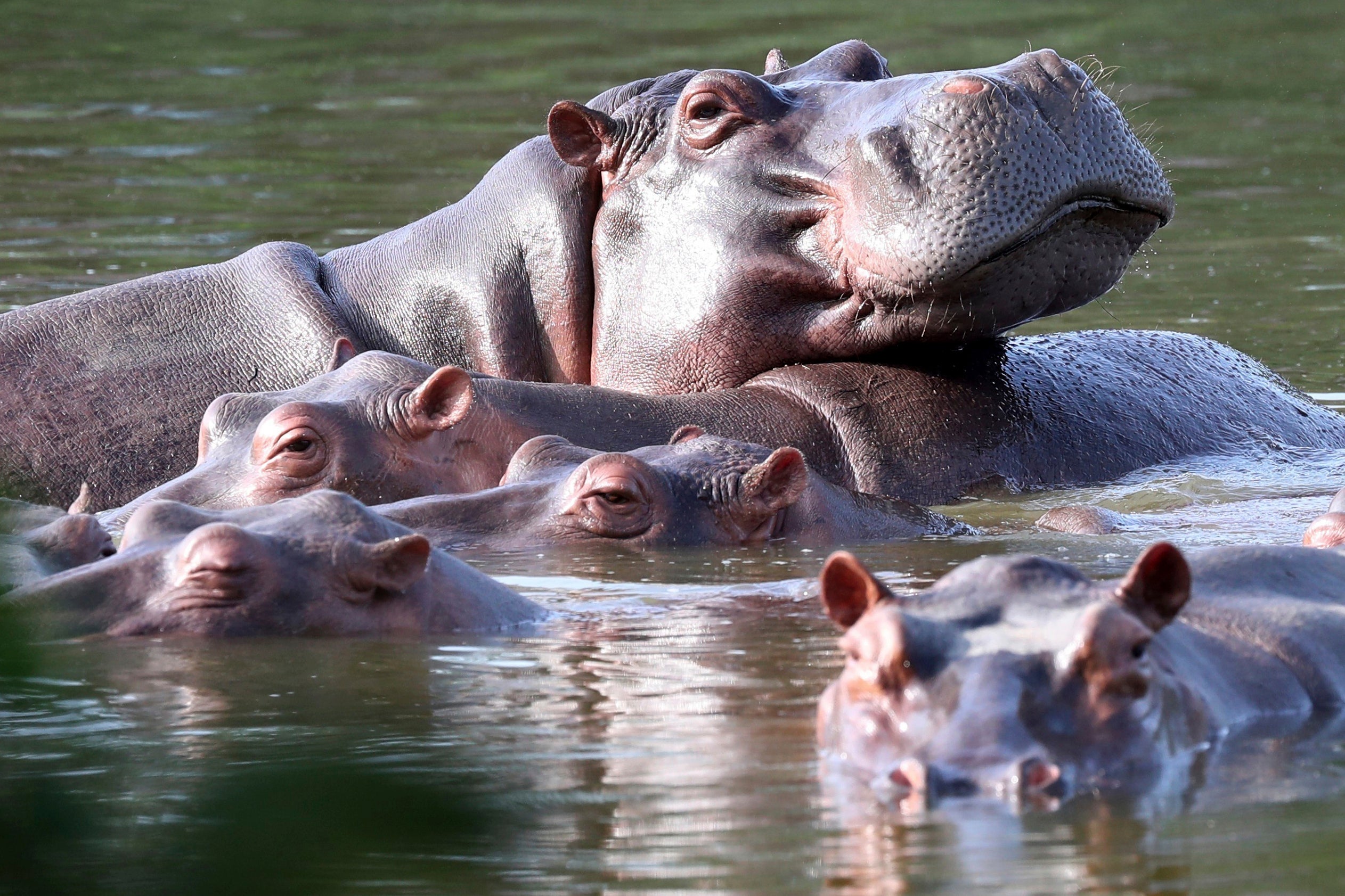
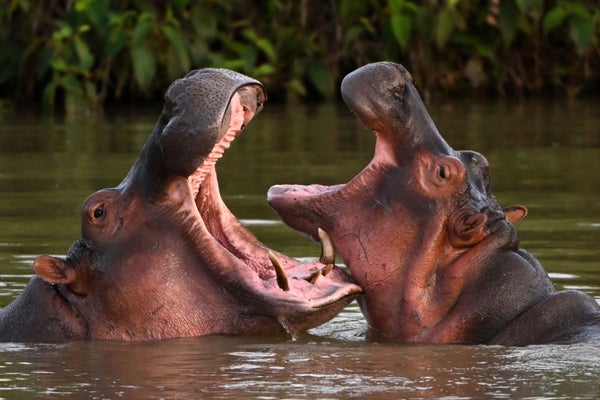
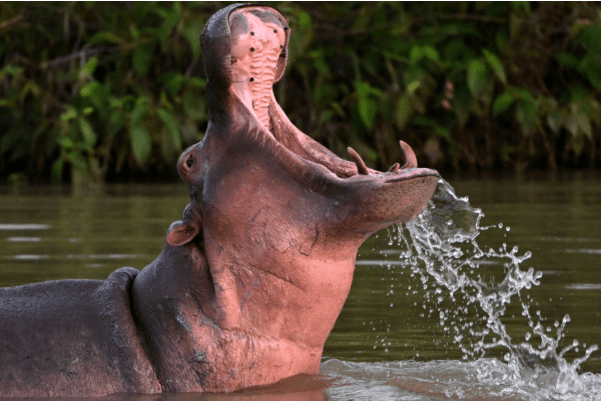
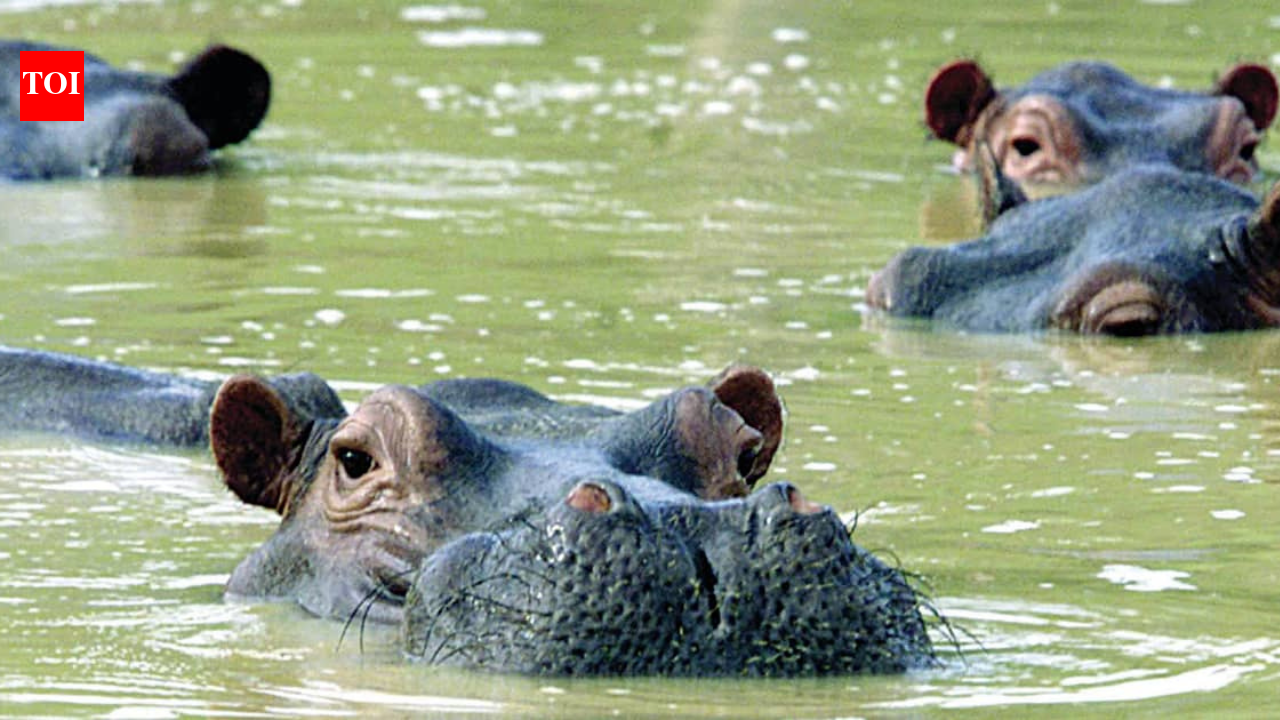
The merchandise disruption angle is quantifiable and immediate. Local communities currently generate income through hippo tours and merchandise sales at the confiscated Nápoles ranch, now operating as a government theme park. The 200-strong hippo population (projected to reach 1,000 by 2035 without intervention) has become the park's primary attraction. Sellers currently listing hippo-themed merchandise—collectibles, educational materials, tour packages, branded apparel—face inventory obsolescence risk as the culling narrative dominates media coverage. Cross-border sellers on Amazon, eBay, and Shopify offering "Colombian wildlife" or "Hacienda Nápoles" merchandise will experience declining search demand and conversion rates as consumer sentiment shifts from fascination to ethical concern. This represents a 30-40% potential decline in category performance during H2 2026-Q1 2027.
Conversely, animal welfare advocacy merchandise represents the emerging opportunity. The culling decision has triggered opposition from animal rights groups and Senator Andrea Padilla, who characterize the plan as cruel. This creates demand for: (1) educational products about invasive species management, (2) animal welfare advocacy merchandise, (3) documentary-style content and digital products, (4) ethical tourism alternatives. Sellers can capitalize on the "conservation vs. animal welfare" debate by developing products that educate consumers about the ecological consequences of illegal wildlife imports—a narrative directly tied to the Escobar-era context. The inbreeding complications and genetic defects mentioned in official statements create educational content opportunities around wildlife genetics and conservation science.
Platform-specific implications are significant. Amazon's "Wildlife & Nature" category and Etsy's "Animal Advocacy" segments will see shifting demand. Sellers should monitor search term performance for "hippo merchandise," "Colombian wildlife," and "animal welfare" keywords through Q2-Q3 2026. The culling timeline (H2 2026 start) creates a 4-6 month window for inventory liquidation of existing hippo-themed products before sentiment becomes predominantly negative. Simultaneously, sellers can pre-position educational and advocacy-focused products to capture the emerging "ethical wildlife" segment—a category that typically grows 15-25% annually in the conscious consumer space.
Questions 7
What new product categories can sellers develop around the hippo cull controversy?
The culling decision creates demand for educational products about invasive species management, animal welfare advocacy merchandise, and conservation-focused content. Sellers can develop: (1) educational e-books on invasive species ($9.99-19.99 price point), (2) animal welfare advocacy apparel and accessories (20-30% margin potential), (3) documentary-style digital products on conservation ethics, (4) science-based educational materials about wildlife genetics and inbreeding. The 'ethical wildlife' segment grows 15-25% annually among conscious consumers. Launch these products by Q3 2026 to capture demand from the controversy's peak media attention. Target keywords: 'invasive species education,' 'animal welfare merchandise,' 'conservation advocacy products.'
How will Colombia's hippo cull decision impact sellers with existing wildlife merchandise inventory?
Sellers listing hippo-themed merchandise, Colombian wildlife collectibles, or Hacienda Nápoles-branded products face 30-40% demand decline during H2 2026-Q1 2027 as media coverage shifts from fascination to ethical concern. The culling narrative will suppress search volume for 'hippo merchandise' and 'Colombian wildlife' keywords on Amazon, eBay, and Etsy. Sellers should liquidate existing inventory by Q2 2026 before sentiment becomes predominantly negative. Monitor conversion rates through Google Analytics and Amazon Seller Central dashboards—expect 15-25% CTR drops as consumer interest pivots toward animal welfare angles rather than tourism attraction.