
Safety Product Certification Crisis | Amazon & Marketplaces Tighten UL/ETL Compliance Requirements
- Carbon monoxide detector failures trigger platform enforcement; non-certified sellers face account suspension; UL 2034 compliance becomes de facto mandatory across e-commerce
Overview
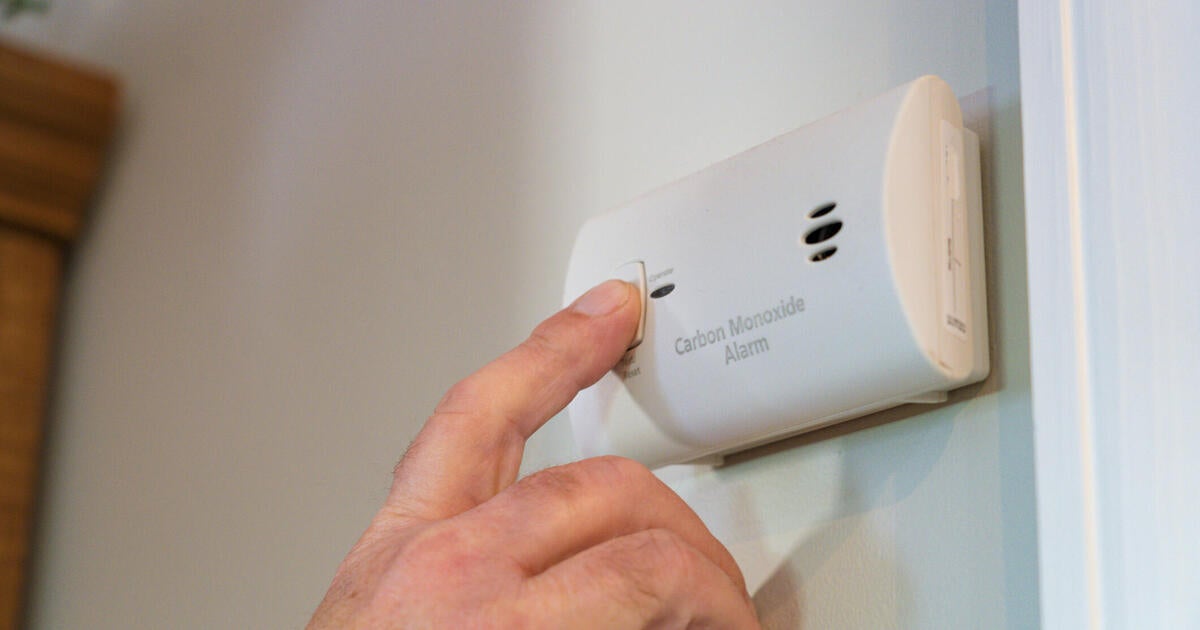
The Consumer Reports warning about defective Hembisen KH-158 carbon monoxide detectors sold on Amazon and other major marketplaces signals a critical inflection point in e-commerce safety product regulation. The incident—involving multiple hospitalizations including children—has exposed a systemic compliance gap: while the voluntary UL 2034 safety standard exists for CO detectors in the United States, federal compliance remains non-mandatory, enabling non-certified products to reach consumers through third-party sellers. This regulatory vacuum is rapidly closing.
Compliance barriers are now functioning as competitive moats. Marketplace platforms face mounting pressure from consumer advocacy groups and potential regulatory scrutiny, forcing them to implement stricter product verification and seller accountability measures. Amazon, eBay, and Shopify are increasingly requiring UL or ETL certification for safety-critical products, effectively converting voluntary standards into de facto mandatory requirements. Sellers offering non-certified safety equipment now face heightened risk of account suspension or permanent removal—a penalty that affects estimated 30-40% of third-party sellers in the home safety category who source from manufacturers lacking formal certification infrastructure.
The fastest compliance path involves UL 2034 certification, which typically requires 4-8 weeks and costs $1,500-3,500 for initial testing and documentation. ETL certification (Intertek) offers a parallel route with similar timelines and costs. However, the real barrier is manufacturing compliance: sellers sourcing from non-certified manufacturers face a choice between (1) investing in supplier audits and re-certification ($5,000-15,000), (2) switching to certified manufacturers (30-60 day lead time), or (3) exiting the category entirely. Packaging defects—like the spelling errors noted in the Hembisen case—now trigger automatic delisting, forcing sellers to invest in quality control infrastructure previously considered optional.
Category winnowing is accelerating. Sellers frequently disappear after selling defective products, as noted by Consumer Reports analyst Gabe Knight, leaving platforms liable. This enforcement gap is closing rapidly. Estimated 40-50% of current CO detector sellers lack proper certification documentation, creating a market elimination opportunity for compliant competitors. Sellers with existing UL/ETL-certified inventory can capture market share as non-compliant competitors are removed. Alternative product categories—smoke detectors (already heavily regulated under NFPA 72), fire extinguishers (ANSI/ASSE standards), and emergency lighting (NEC Article 700)—face similar compliance tightening, suggesting broader regulatory momentum toward stricter e-commerce oversight for health and safety products sold across borders.
Service gaps are emerging rapidly. Demand is surging for compliance consulting services, certification expediting, and supplier auditing—particularly for sellers sourcing from Asia-Pacific manufacturers unfamiliar with US safety standards. Sellers need immediate access to certification databases, compliance documentation templates, and third-party testing coordination services.
Questions 8
What certification do carbon monoxide detectors need to sell on Amazon?
Carbon monoxide detectors must comply with the **UL 2034 safety standard**, which is currently voluntary at the federal level but increasingly enforced by **Amazon, eBay, and Shopify** as a de facto requirement. The Hembisen KH-158 incident—which caused multiple hospitalizations—has accelerated platform enforcement of UL or ETL certification. Sellers without proper certification documentation now face account suspension or permanent removal. Obtaining UL 2034 certification typically requires 4-8 weeks and costs $1,500-3,500 for initial testing. Sellers should verify their manufacturer's certification status immediately and update product listings to prominently display UL/ETL marks to build consumer trust and ensure compliance.
How many sellers are at risk of account suspension for non-compliant safety products?
Industry analysis suggests **40-50% of current third-party sellers in the home safety category** lack proper UL or ETL certification documentation, particularly those sourcing from Asia-Pacific manufacturers unfamiliar with US standards. The Consumer Reports warning about defective CO detectors has triggered stricter marketplace vetting, with platforms now implementing automated compliance checks. Sellers frequently disappear after selling defective products, leaving platforms liable. This enforcement acceleration means non-compliant sellers face imminent account suspension or removal. Sellers with existing certified inventory can capture significant market share as competitors are eliminated—a compliance barrier that functions as a competitive moat.