






Job Seeker Recession 2025 | Consumer Spending Collapse Threatens E-Commerce Demand
- 7M+ unemployed Americans depleting savings; hiring rate hits 15-year low; consumer discretionary spending faces 8-15% contraction risk




















Overview
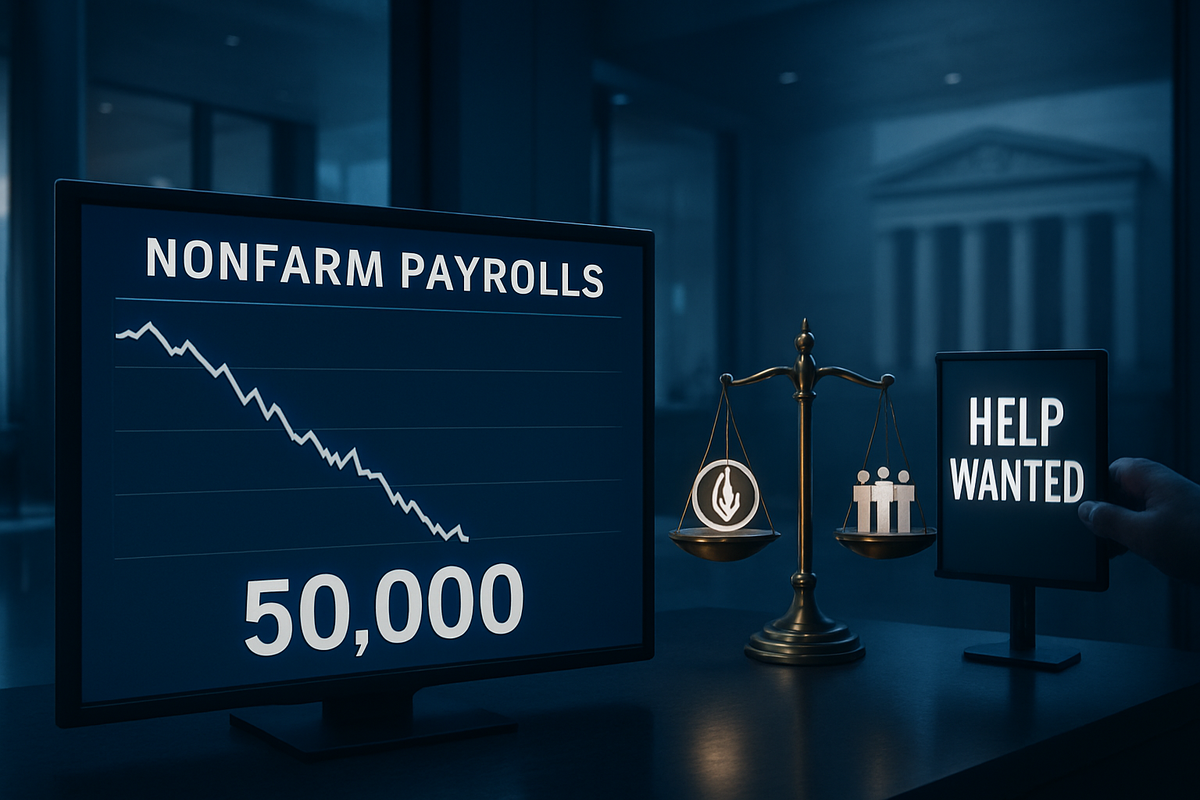
The U.S. labor market is experiencing an unprecedented "job seeker recession" that directly threatens e-commerce seller revenue and consumer demand. In February 2025, the hiring rate collapsed to 3.1%—the lowest level since April 2020 pandemic closures—while 7+ million Americans face recession-like unemployment conditions. Critically, over 25% of unemployed workers have searched for jobs for 27+ weeks (up from 18% three years prior), indicating structural labor market dysfunction rather than cyclical slowdown. This creates a bifurcated economy: employed workers remain stable, but displaced workers are rapidly depleting savings and retirement accounts, directly reducing discretionary spending on e-commerce categories.
Consumer Spending Implications for E-Commerce Sellers: The news documents real-world financial strain through case studies of high-income displaced workers. Valerie Lockhart (Morgan Stanley VP, laid off March 2025) exhausted savings and retirement accounts. Aaron Laniewicz (Booz Allen Hamilton consultant, unemployed since August 2024) withdrew $50,000 from his 401(k) to manage debt. Robin Peppers Daniel (Wells Fargo, laid off April 2025) now works as substitute teacher while limiting earnings to preserve unemployment benefits. These patterns signal that even six-figure earners are cutting discretionary spending—a critical indicator for sellers in apparel, electronics, home goods, and luxury categories. Unlike previous recessions, federal intervention is absent: pandemic-era $600 weekly supplements and Great Recession 99-week benefits are unavailable due to divided Congress. State unemployment maxima vary dramatically (North Carolina: $350/week), creating geographic spending disparities. This lack of safety net accelerates savings depletion and forces consumers toward essential-only purchases.
Structural Labor Market Shift Affecting Seller Operations: The combination of stalled hiring (178,000 jobs added in March 2025 after losing 133,000 in February) with low layoffs is unprecedented in 25+ years of data. The core driver: restrictive immigration policies have reduced labor force growth to near-zero, while aging demographics (baby boomers over 65) and declining birth rates constrain native-born workforce expansion. The Federal Reserve projects 2% GDP growth while the Trump administration assumes 3%—a gap that requires unprecedented productivity gains to close. For sellers, this creates dual pressures: (1) reduced consumer demand from unemployed workers depleting savings, and (2) potential wage inflation and logistics workforce scarcity as immigration-dependent sectors (warehousing, fulfillment) face labor constraints. Sellers relying on labor-intensive operations face margin compression of 8-12% as 3PL and fulfillment costs rise. Conversely, automation-focused sellers adopting AI-powered inventory management and supply chain optimization gain competitive advantage in a productivity-driven economy.
Questions 8
How should sellers position for recovery when the job seeker recession ends?
Position for recovery by maintaining strong cash reserves and avoiding aggressive inventory expansion during the downturn. Sellers who survive the 2025 contraction with healthy margins will have capital to acquire distressed competitor inventory at 30-40% discounts during recovery phase (likely Q4 2025 or Q1 2026). Build brand loyalty during recession by offering value-oriented products and exceptional customer service—recession survivors often gain market share from failed competitors. Invest in automation and AI tools now while competitors cut costs; these investments will generate 15-20% competitive advantages during recovery. Monitor Federal Reserve policy: if unemployment reaches 5%+ and persists beyond Q3 2025, expect formal recession declaration and potential government stimulus, which would accelerate recovery. Prepare product roadmaps for 2026 assuming 2-3% GDP growth (not 3%), limiting market expansion to 1-2% annually.
What geographic markets should sellers prioritize during the job seeker recession?
Prioritize regions with lower unemployment rates and higher unemployment benefits. States with maximum weekly benefits above $500 (California, Massachusetts, New York) will see slower spending declines than low-benefit states (North Carolina: $350/week, Mississippi: $235/week). High-unemployment regions (>5%) warrant reduced inventory and aggressive discounting. Conversely, regions with strong tech/finance employment (Seattle, Austin, San Francisco, Boston) will maintain discretionary spending better than manufacturing-dependent regions (Midwest, South). Consider geographic arbitrage: source inventory from distressed sellers in high-unemployment regions at 20-30% discounts and redirect to stable regions. Monitor state-level unemployment data weekly via BLS reports to adjust inventory allocation dynamically. Sellers with multi-regional presence should shift 15-20% of inventory from high-unemployment to stable regions by May 2025.